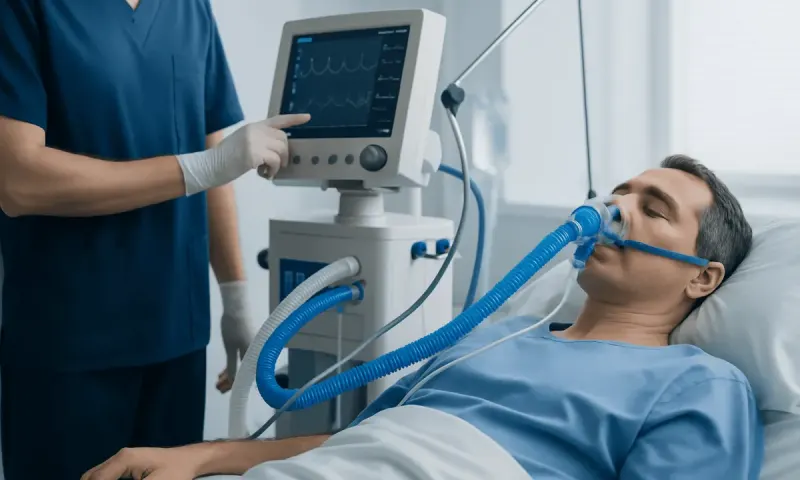
Emphysema vs Chronic Bronchitis: Key Differences
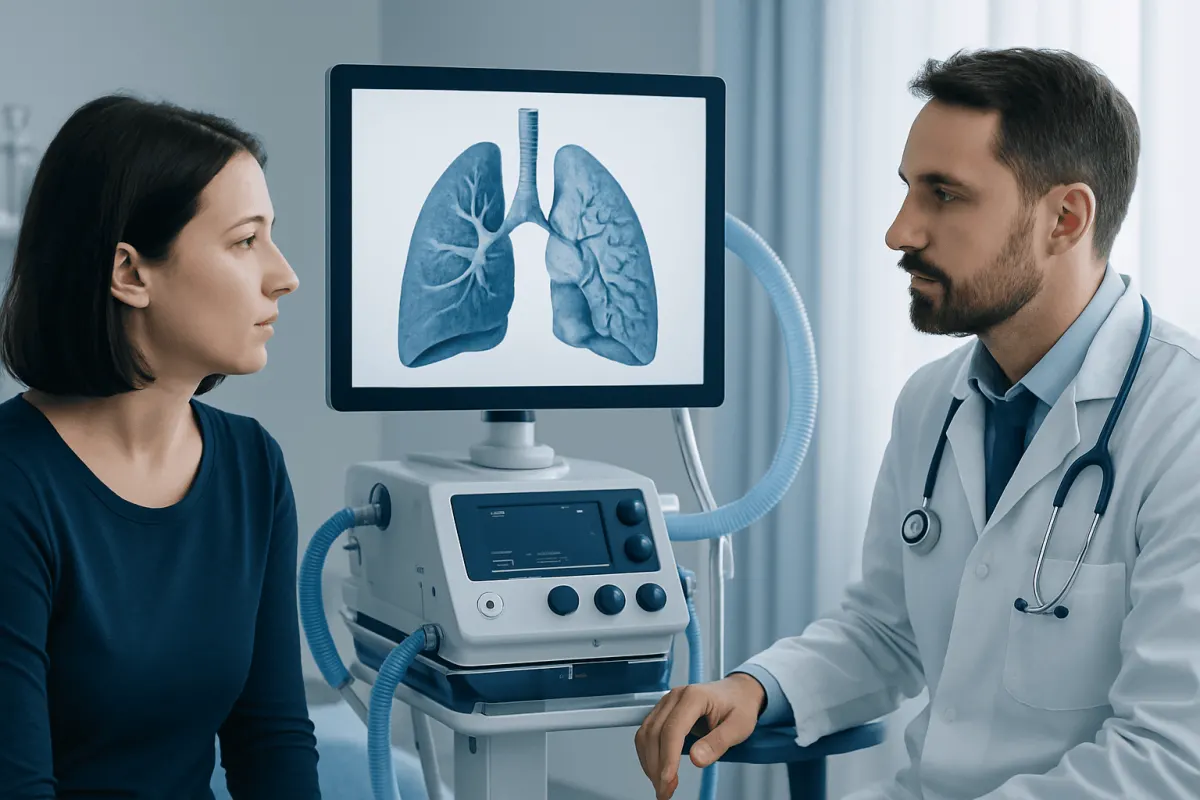
Emphysema and chronic bronchitis are two conditions commonly grouped under chronic obstructive pulmonary disease (COPD). Emphysema mainly affects the lung air sacs and causes breathlessness, while chronic bronchitis mainly affects the airways and causes a long-lasting cough with mucus; many people have features of both.
Emphysema vs Chronic Bronchitis: A Side-by-Side Comparison
Emphysema vs chronic bronchitis is not always an either-or question. Both are long-term lung conditions within the broader term chronic obstructive pulmonary disease (COPD), and both can make it harder to move air out of the lungs. The important difference is the part of the respiratory system most affected: emphysema damages the tiny air sacs, while chronic bronchitis involves ongoing inflammation and mucus production in the larger breathing tubes.
| Feature | Emphysema | Chronic bronchitis |
|---|---|---|
| Main area affected | Alveoli, the small air sacs where gas exchange occurs | Bronchi, the larger airways that carry air into and out of the lungs |
| Core change | Air-sac walls are damaged and lose elasticity | Airways become inflamed, narrowed, and produce excess mucus |
| Typical early symptom | Shortness of breath, especially during activity | Frequent cough that brings up mucus |
| Common later symptoms | Breathlessness at rest, fatigue, chest tightness, unintended weight loss | Wheezing, recurrent chest infections, breathlessness, increased mucus |
| Helpful tests | Spirometry, chest CT, oxygen testing when needed | Spirometry, symptom history, chest imaging and mucus assessment when needed |
People may use older labels such as “pink puffer” for emphysema and “blue bloater” for chronic bronchitis. These terms are outdated and can be misleading. Real symptoms vary widely, and a person may have emphysema, chronic bronchitis, asthma, or more than one of these conditions at the same time.
What Happens in the Lungs
In emphysema, the delicate walls between alveoli gradually break down. This creates larger, less efficient air spaces and reduces the total surface area available for oxygen to pass into the blood. The damaged lung tissue also loses some of its natural springiness, so air may become trapped during exhalation. This can lead to a feeling of not being able to get enough air out, particularly during physical activity.
In chronic bronchitis, long-standing irritation causes swelling of the airway lining and enlargement of mucus-producing glands. Mucus may become thicker or more plentiful, while the narrowed airways make it harder to clear secretions. The result is a persistent productive cough and a greater tendency toward respiratory infections or symptom flare-ups.
Both processes can cause airflow limitation. COPD is diagnosed when airflow obstruction remains present after using a bronchodilator medicine during spirometry testing. However, spirometry alone does not show exactly how much of a person’s condition is due to emphysema versus chronic bronchitis. Doctors combine test results with symptoms, examination findings, and imaging where appropriate.
Symptoms That May Help Distinguish Them
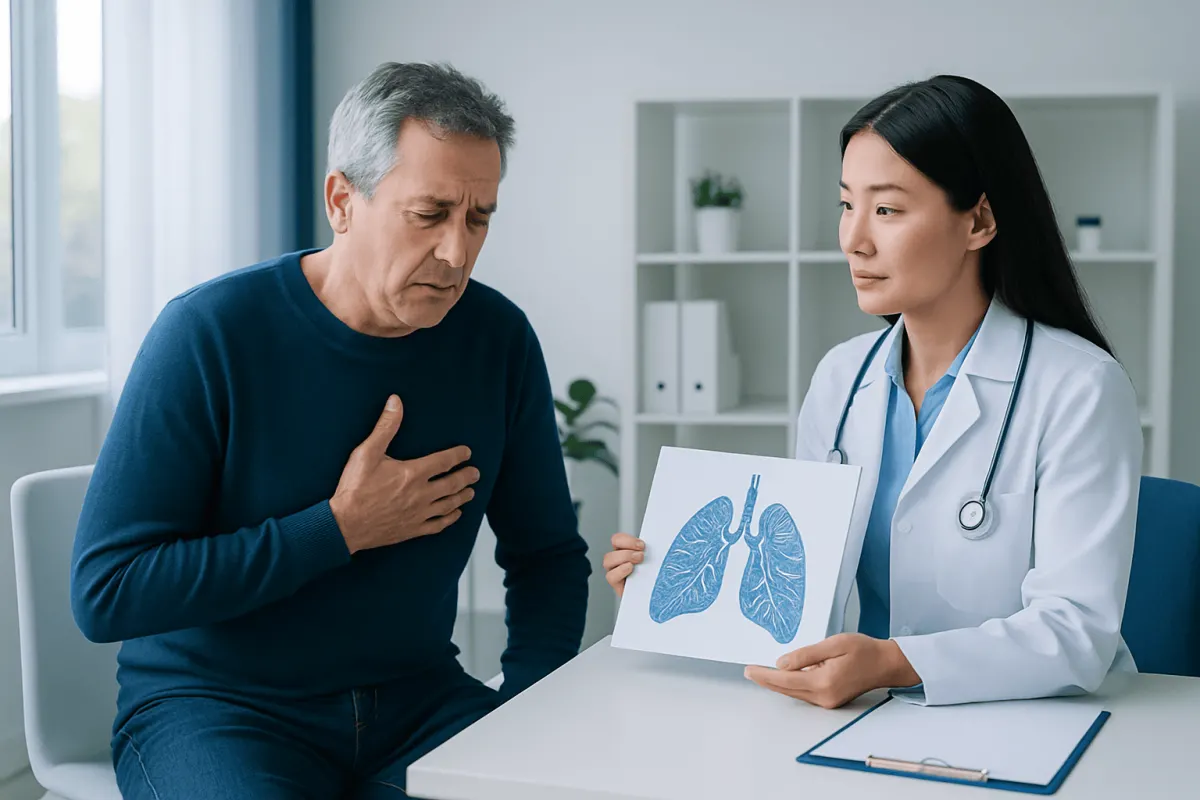
Emphysema often becomes noticeable as gradually increasing shortness of breath. At first, a person may only become breathless when walking uphill, climbing stairs, or exercising. As the condition advances, everyday tasks such as dressing, bathing, or carrying groceries may become difficult. A dry or minimal cough can occur, but heavy mucus production is not usually the dominant feature.
Chronic bronchitis is more strongly associated with a cough that produces sputum or phlegm on most days. The cough may be worse after waking and can persist for years. Mucus may be clear, white, yellow, or green; color alone does not reliably show whether antibiotics are needed. Wheezing, chest congestion, and repeated episodes described as “chest colds” can also occur.
Symptoms overlap considerably. Breathlessness, wheezing, reduced exercise tolerance, tiredness, and chest tightness can occur in either condition. A sudden increase in breathlessness, cough, or mucus may indicate a COPD exacerbation, respiratory infection, heart problem, or another condition that requires medical assessment rather than self-treatment alone.
Causes and Risk Factors
Smoking tobacco is the most important preventable cause of emphysema and chronic bronchitis. Cigarette smoke exposes the lungs to chemicals that promote inflammation, impair mucus clearance, and damage lung tissue. Cigars, pipes, secondhand smoke, and other inhaled tobacco products may also harm the airways and lungs.
Long-term exposure to workplace dusts, chemical fumes, biomass smoke from indoor cooking or heating, and outdoor air pollution can contribute to COPD. Risk may be higher when these exposures occur alongside smoking. Previous severe respiratory infections, poorly controlled asthma, and impaired lung growth earlier in life may also influence future lung health.
A less common cause of emphysema is alpha-1 antitrypsin deficiency, an inherited condition that can allow lung tissue to be damaged at a younger age, even in people who have never smoked. Doctors may recommend a blood test for this condition, particularly when emphysema occurs early, there is a family history, or the pattern of lung damage is unusual.
How a Clinician Tells Them Apart
A clinician begins by asking about cough, mucus, breathlessness, smoking or vaping history, work exposures, previous infections, medication use, and how symptoms affect daily life. Chronic bronchitis is a clinical diagnosis based on a productive cough for at least three months in each of two consecutive years, once other explanations for chronic cough have been considered. This definition describes a pattern of symptoms rather than a single imaging finding.
Spirometry is the central breathing test for evaluating suspected COPD. It measures how much air a person can forcefully exhale and how quickly they can do so, usually before and after an inhaled bronchodilator. Persistent airflow obstruction supports COPD, but normal spirometry may prompt assessment for other causes of symptoms, such as asthma, heart disease, anemia, reflux, or anxiety-related breathing changes.
A chest X-ray may help rule out other problems, while a chest CT scan can show areas of emphysema, air trapping, or other lung abnormalities in greater detail. Clinicians may also check oxygen levels, perform blood tests, assess exercise capacity, or test for alpha-1 antitrypsin deficiency. The aim is not simply to assign a label, but to understand the pattern of lung disease and create an appropriate care plan.
What to Do for Each Condition
The foundation of care for both emphysema and chronic bronchitis is removing ongoing lung irritants. Stopping smoking at any stage can slow further decline in lung function and reduce the risk of flare-ups. A doctor can discuss behavioral support and medicines that may make quitting more achievable. Avoiding secondhand smoke, dust, fumes, and poorly ventilated indoor pollution is also important.
Inhaled bronchodilator medicines can relax airway muscles and reduce breathlessness for many people with COPD. Some people may benefit from additional inhaled medicines, depending on symptoms, flare-up history, blood test results, and whether asthma is also present. Medicines should be selected and reviewed by a qualified clinician; inhalers work best when the device technique is checked regularly.
Pulmonary rehabilitation combines supervised exercise, breathing strategies, education, and support for managing symptoms. It can be useful for people whose breathlessness limits normal activities. Vaccinations recommended by a clinician, including influenza and pneumococcal vaccination where appropriate, can help lower the risk of some respiratory infections. Supplemental oxygen is prescribed only when testing shows that it is needed, and it should not be started without medical evaluation.
People with chronic bronchitis may need particular support for clearing mucus, staying well hydrated when medically appropriate, and recognizing infection-related flare-ups. For selected people with advanced emphysema, specialist assessment may consider procedures such as lung volume reduction or other interventions. Acıbadem Health Point’s multidisciplinary specialists and JCI-accredited hospitals assess and treat COPD-related conditions for international patients.
When to Seek Medical Care
A person should arrange a medical appointment for a cough lasting more than several weeks, ongoing mucus production, wheezing, breathlessness with routine activity, or repeated respiratory infections. Assessment is especially important for current or former smokers and for people with regular exposure to dust, fumes, or smoke. Early evaluation can identify treatable causes and support lung-protective changes.
Urgent medical care is needed for severe or rapidly worsening shortness of breath, blue or gray lips or face, confusion, fainting, chest pain, coughing up blood, or inability to speak comfortably because of breathing difficulty. These symptoms can have causes other than COPD and should not be assumed to be part of a usual cough or flare-up.
People already diagnosed with COPD should ask their clinician for a written action plan. This can explain which changes in cough, mucus, breathing, or fever require a call to the healthcare team, and when emergency care is appropriate. Regular reviews also provide an opportunity to reassess inhaler technique, vaccinations, activity level, and smoking cessation support.
Frequently asked questions
01Can a person have both emphysema and chronic bronchitis?
Yes. Many people with COPD have both air-sac damage consistent with emphysema and chronic mucus-producing airway inflammation consistent with chronic bronchitis. The balance of symptoms and findings differs from person to person, so treatment is individualized.
02Is chronic bronchitis the same as a chest cold?
No. A chest cold is usually a short-term infection, while chronic bronchitis refers to a long-lasting productive cough pattern caused by ongoing airway irritation and inflammation. Respiratory infections can temporarily worsen chronic bronchitis symptoms.
03Can emphysema be reversed?
The structural damage to air sacs from emphysema is generally permanent. However, stopping smoking, following a treatment plan, staying active within safe limits, and preventing infections can help preserve remaining lung function and improve daily symptoms.
04How is COPD confirmed?
COPD is usually confirmed with spirometry, a breathing test performed before and after a bronchodilator medicine. A clinician also considers symptoms, exposure history, physical examination, and sometimes imaging or blood tests.
05Does coughing up yellow or green mucus mean antibiotics are necessary?
Not always. Mucus color can change with inflammation and does not by itself prove a bacterial infection. A clinician considers the full pattern of symptoms, examination findings, and, when necessary, tests before deciding whether antibiotics may help.
06Can people with emphysema or chronic bronchitis exercise?
In many cases, regular activity is beneficial and can improve stamina, muscle strength, and confidence with breathing. The safest type and intensity depend on symptoms and other health conditions, so a clinician or pulmonary rehabilitation team can provide tailored advice.
This article is for general information only and is not a substitute for professional medical advice. Please consult a qualified doctor about your individual situation.
Medical weight-loss options in Turkey — costs & eligibility
JCI-accredited · board-certified surgeons · reply within 24h
Add us as a Preferred Source to see more of our trusted health content across Google Search, AI Overviews and Discover.