Can Vitamins Repair Lung Damage?
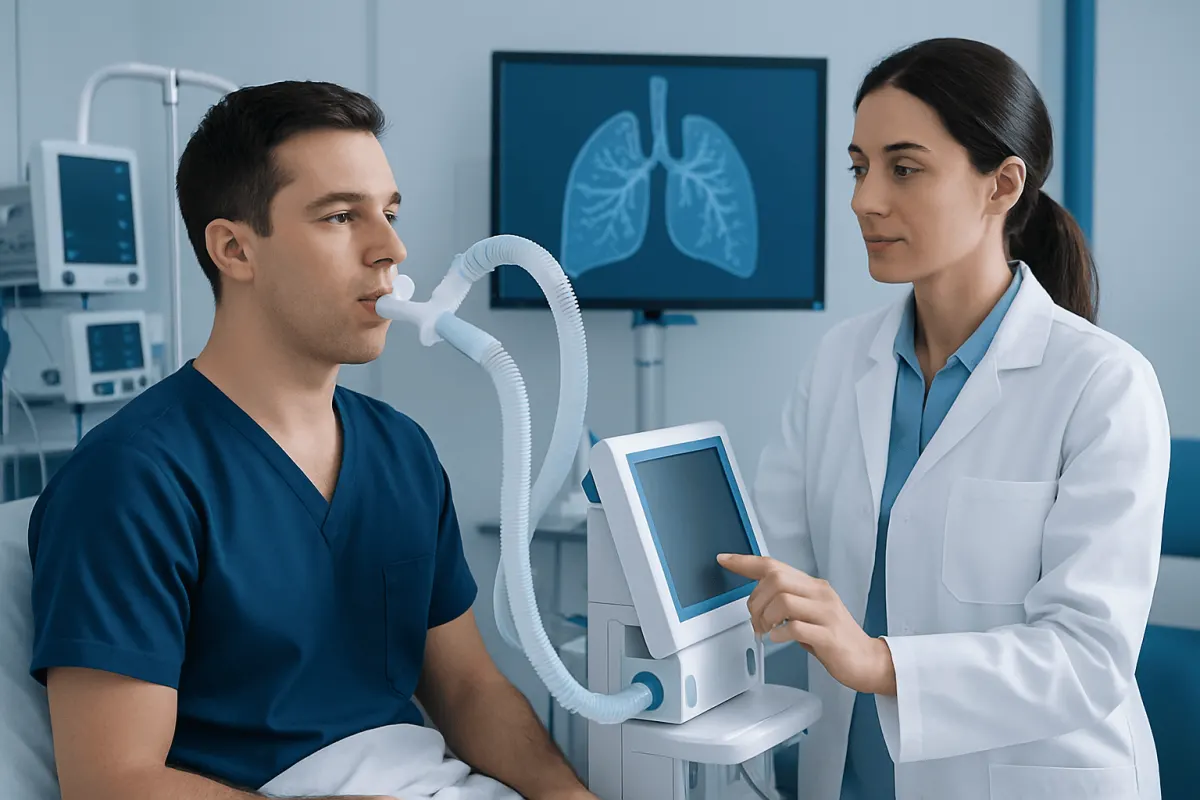
There is no single best vitamin for lung repair, and supplements cannot reverse lung scarring, chronic lung disease, or damage from smoking. Vitamins may be useful when a confirmed deficiency is present, but the safest approach is to address the cause of lung symptoms and follow evidence-based medical care.
Is There a Best Vitamin for Lung Repair?
There is no best vitamin for lung repair. Although vitamins are essential for normal immune function, tissue maintenance, and overall health, no vitamin supplement has been shown to rebuild damaged lung tissue or cure conditions such as chronic obstructive pulmonary disease (COPD), pulmonary fibrosis, asthma, or lung injury from smoking.
The best vitamin to repair lungs is therefore not a single product. For most people, obtaining nutrients through a varied diet and correcting a medically confirmed deficiency is safer and more useful than taking high-dose supplements. Persistent cough, breathlessness, wheezing, chest discomfort, or reduced exercise tolerance should be assessed rather than self-treated with a lung repair vitamin.
Lungs can recover to some extent after exposure to irritants stops, particularly after smoking cessation or recovery from an infection. However, the degree of recovery depends on the cause, duration, and severity of injury. Medical treatment, pulmonary rehabilitation when appropriate, and prevention of further exposure are central to protecting lung function.
What Vitamins and Nutrients Do for Lung Health
Vitamins support many body processes that matter to respiratory health. Vitamin C helps with collagen formation and acts as an antioxidant. Vitamin D contributes to bone, muscle, and immune health. Vitamins A and E have roles in normal cell and immune function. These important roles do not mean that extra amounts can repair lungs beyond what the body needs.
A person with a true deficiency may benefit when that deficiency is corrected. For example, low vitamin D is relatively common in some populations, and a clinician may recommend replacement after considering symptoms, diet, medical history, medicines, and test results. This is different from using supplements as a stand-alone treatment for lung disease.
Protein, iron, zinc, selenium, omega-3 fats, and adequate calories also contribute to general health. People with chronic respiratory illness may have changing nutritional needs, especially if poor appetite, weight loss, or fatigue is present. Individual nutrition advice from a doctor or registered dietitian can be valuable in these situations.
- Choose a variety of vegetables and fruits for micronutrients and fiber.
- Include protein sources such as fish, eggs, dairy, legumes, poultry, tofu, or lean meat as suitable.
- Prefer minimally processed foods and healthy fats, including nuts, seeds, and olive oil where appropriate.
- Discuss supplements before starting them if there is kidney disease, liver disease, pregnancy, or regular medication use.
Why Supplements Cannot Reverse Lung Damage
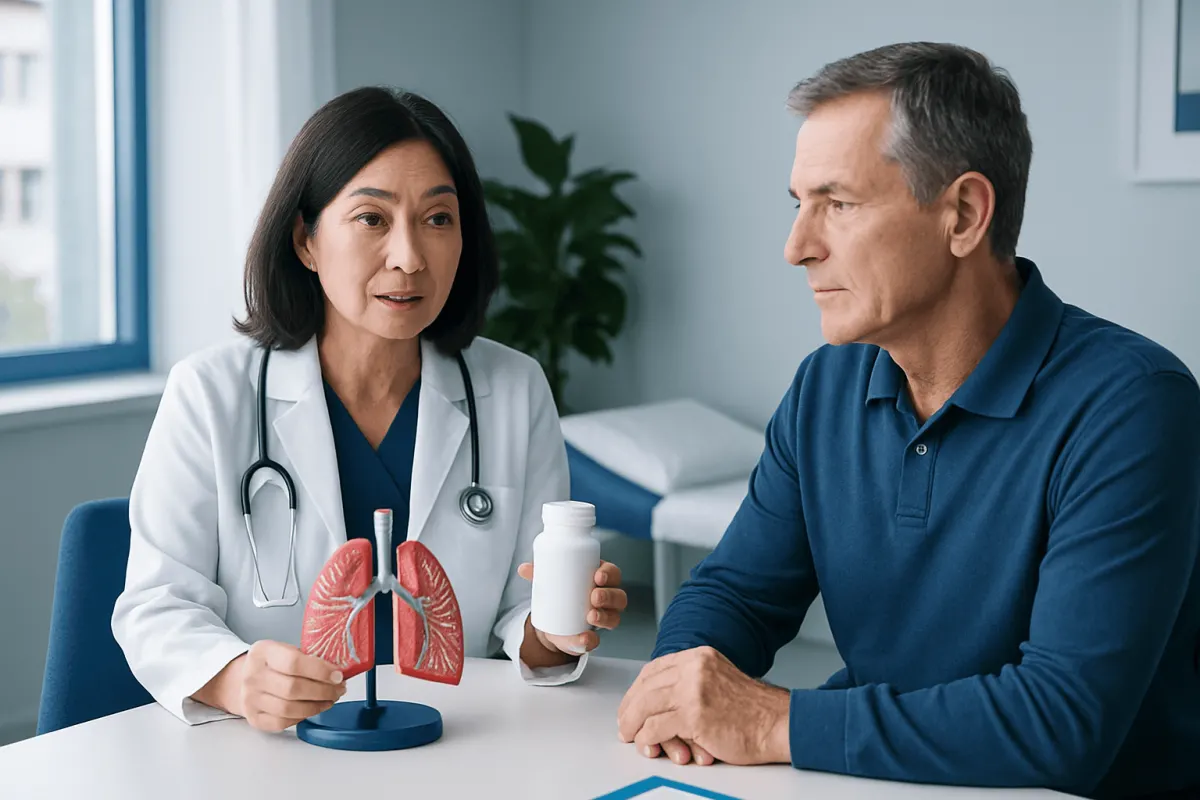
Lung damage can involve inflammation, narrowed airways, infection, destruction of air sacs, or scarring. These processes have different causes and require different approaches. A supplement cannot remove an airway blockage, treat a serious infection, replace inhaled medication, or reverse established fibrosis.
Antioxidant supplements are often marketed as the best lung repair supplement because smoking, pollution, and inflammation can increase oxidative stress. However, antioxidant effects observed in laboratory studies do not automatically lead to clinical benefits from high-dose pills. In some groups, certain supplements may be harmful; for example, high-dose beta-carotene supplements have been associated with increased lung cancer risk in people who smoke or have smoked heavily.
Supplements can also delay appropriate assessment if they are used in place of medical care. A person with ongoing breathlessness may have asthma, COPD, anemia, heart disease, a blood clot, infection, or another condition that needs timely diagnosis. The safest plan is to identify the cause first and use supplements only when they are appropriate for the individual.
Choosing Supplements Safely
When a clinician recommends a vitamin, the goal is usually to correct a specific nutritional gap, not to create a general “lung cleanse” or repair effect. A person should ask why the supplement is needed, how long it should be taken, whether testing is required, and whether it could interact with current medicines.
Products marketed for detoxification, mucus removal, or rapid lung restoration may contain multiple ingredients with uncertain quality or evidence. Herbal products and concentrated extracts can cause allergic reactions, affect blood pressure or blood sugar, interfere with blood thinners, or stress the liver and kidneys. “Natural” does not always mean safe for every person.
It is generally wise to avoid megadoses unless specifically prescribed. Fat-soluble vitamins, including vitamins A, D, E, and K, can accumulate in the body. Excess vitamin A may be harmful, and excess vitamin D can raise calcium levels. A pharmacist or doctor can help review labels, duplicate ingredients across products, and potential medication interactions.
For people who want the best lung repair strategy, practical measures have stronger evidence than a single supplement: avoid tobacco smoke, manage diagnosed lung conditions, maintain recommended activity, eat regularly, sleep well, and attend follow-up appointments. Supplements may have a limited role, but they are not a substitute for these steps.
Evidence-Based Ways to Support Lung Recovery
Stopping smoking and avoiding secondhand smoke are among the most meaningful actions for lung health. The airways can become less irritated over time, and the rate of decline in lung function can improve after quitting. People who use vaping products or other inhaled substances should discuss cessation support with a healthcare professional as well.
Regular physical activity, matched to a person’s abilities and medical condition, can improve fitness, muscle strength, and confidence with daily activity. Breathing exercises may be helpful for selected people, especially as part of a supervised rehabilitation program, but they do not replace treatment for an underlying disease. A clinician can advise on safe activity levels when breathlessness is present.
Vaccination can lower the risk of some respiratory infections and their complications. Recommended vaccines vary by age, health conditions, country, and personal risk factors, so patients should consult their healthcare professional. Hand hygiene, indoor air quality measures, and avoiding exposure to workplace dusts or fumes also help reduce preventable irritation and infection.
People with diagnosed respiratory conditions should continue their prescribed treatment plan. For example, inhaled medicines, trigger management, and follow-up can help control asthma, while a structured evaluation is important for people with suspected or known chronic obstructive pulmonary disease.
When to Seek Medical Care
Medical assessment is important for a cough lasting more than a few weeks, frequent wheezing, unexplained shortness of breath, recurring chest infections, coughing up blood, unexplained weight loss, or a noticeable decline in exercise capacity. These symptoms may be related to the lungs, but they can also have heart-related or other causes.
Urgent medical care is needed for severe or rapidly worsening trouble breathing, chest pain or pressure, blue or gray lips or face, confusion, fainting, or coughing up a significant amount of blood. These symptoms should not be managed with vitamins or over-the-counter supplements.
A healthcare professional may ask about smoking, workplace exposures, infections, allergies, medications, family history, and symptom patterns. Depending on the situation, evaluation may include an examination, oxygen measurement, breathing tests, blood tests, chest imaging, or other investigations. The results guide treatment and help avoid unnecessary supplements.
Acıbadem Health Point’s multidisciplinary specialists and JCI-accredited hospitals evaluate and treat respiratory conditions for international patients, with care plans based on individual assessment rather than supplement claims.
A Practical Plan for Healthier Lungs
A realistic approach begins with basics: do not smoke, avoid secondhand smoke and unnecessary fumes, eat a nutrient-rich diet, remain physically active within safe limits, and keep chronic conditions well managed. People who are concerned about a deficiency can ask their clinician whether dietary changes or testing would be helpful.
Before purchasing a product advertised as the best lung repair supplement, it is sensible to check for broad claims such as “reverses damage,” “detoxes the lungs,” or “works for everyone.” Reliable care recognizes that lung conditions differ and that meaningful treatment is based on a diagnosis.
For those recovering after a respiratory illness, progress may be gradual. Adequate rest, hydration, regular meals, and a gradual return to activity can support recovery, while ongoing or worsening symptoms should be reviewed. A doctor can also advise whether respiratory rehabilitation or specialist care is appropriate.
In short, a lung repair vitamin is not a proven solution. The most effective path is to reduce harmful exposures, correct genuine nutritional deficiencies safely, and receive evidence-based care for any identified lung condition.
Frequently asked questions
01What is the best vitamin for lung repair?
There is no vitamin proven to repair damaged lungs. Vitamins are important for overall health, and treatment of a confirmed deficiency may be useful, but supplements cannot reverse chronic lung disease, scarring, or smoking-related damage. A clinician can help determine whether a deficiency is present.
02Can vitamin C repair lungs after smoking?
Vitamin C supports normal immune function and antioxidant processes, but it does not repair smoking-related lung damage. Quitting smoking and avoiding secondhand smoke are much more important for protecting lung function. People who smoke or recently quit should avoid assuming that supplements offset tobacco-related risks.
03Is vitamin D good for the lungs?
Vitamin D is important for bone, muscle, and immune health, and replacement may be recommended for people with low levels. It is not a cure for asthma, COPD, or other lung conditions. Taking high doses without guidance can be unsafe.
04Are lung detox supplements effective?
Lung detox products have not been shown to cleanse or regenerate the lungs. Some contain multiple herbs or concentrated ingredients that may interact with medicines or cause side effects. Persistent respiratory symptoms should be evaluated by a healthcare professional.
05Can damaged lungs heal naturally?
Some improvement may occur when the cause of irritation or injury is removed, such as after stopping smoking or recovering from an infection. However, established scarring and certain chronic lung changes may not be fully reversible. The outlook depends on the underlying condition and timely treatment.
06When should someone see a doctor for lung symptoms?
A doctor should assess persistent cough, unexplained breathlessness, wheezing, chest discomfort, recurring infections, or reduced ability to exercise. Severe difficulty breathing, chest pressure, blue or gray discoloration of the lips or face, fainting, or confusion needs urgent care. Supplements should not delay evaluation of these symptoms.
This article is for general information only and is not a substitute for professional medical advice. Please consult a qualified doctor about your individual situation.
Explore treatments in Turkey — costs, top hospitals & a free quote
JCI-accredited · board-certified surgeons · reply within 24h
Add us as a Preferred Source to see more of our trusted health content across Google Search, AI Overviews and Discover.