Emergency Dentist Near Me: When Severe Tooth Pain Needs Same-Day Care

Severe tooth pain can be a sign of infection, injury, or other urgent dental problems that should not wait. Same-day dental care helps relieve pain, protect the tooth, and lower the risk of complications.
Overview
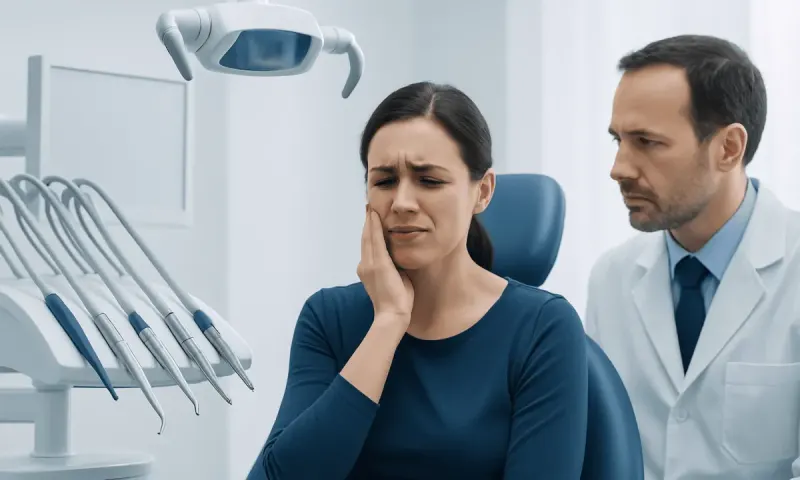
An emergency dentist provides urgent assessment and treatment for dental problems that cannot safely wait for a routine appointment. This often includes severe tooth pain, facial swelling, dental injuries, uncontrolled bleeding, or a broken restoration causing intense discomfort. Searching for an “emergency dentist near me” is often the first step when pain becomes sudden, severe, or disruptive to eating, sleeping, or daily activities.
Not every toothache is an emergency, but some are signs of deeper problems such as an infection in the tooth pulp, an abscess, advanced decay, a cracked tooth, or gum disease. Severe pain that is constant, throbbing, or worsening over time deserves prompt attention. Fast care can relieve symptoms and may help preserve the tooth.
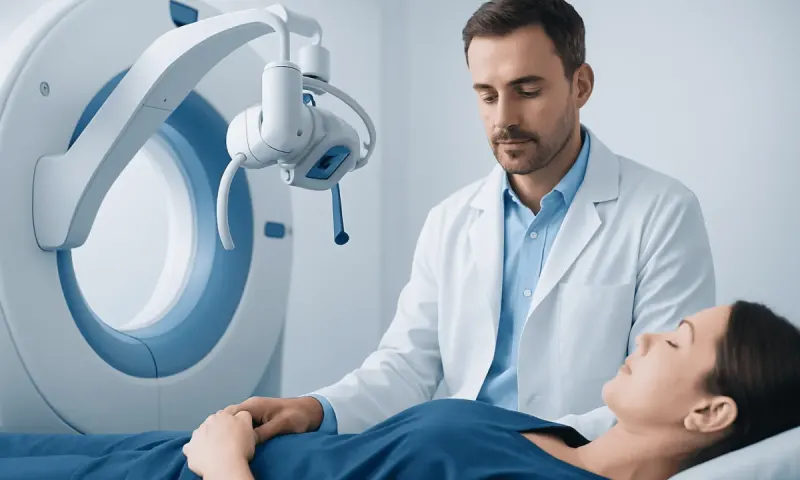
Same-day dental care usually begins with an examination, a review of symptoms, and often dental X-rays. After identifying the cause, the dentist may recommend pain-relieving measures, drainage of infection, a temporary or permanent restoration, or procedures such as root canal treatment if the tooth nerve is affected. In some cases, referral for oral surgery or medical care may be needed.
Symptoms That Need Same-Day Dental Care
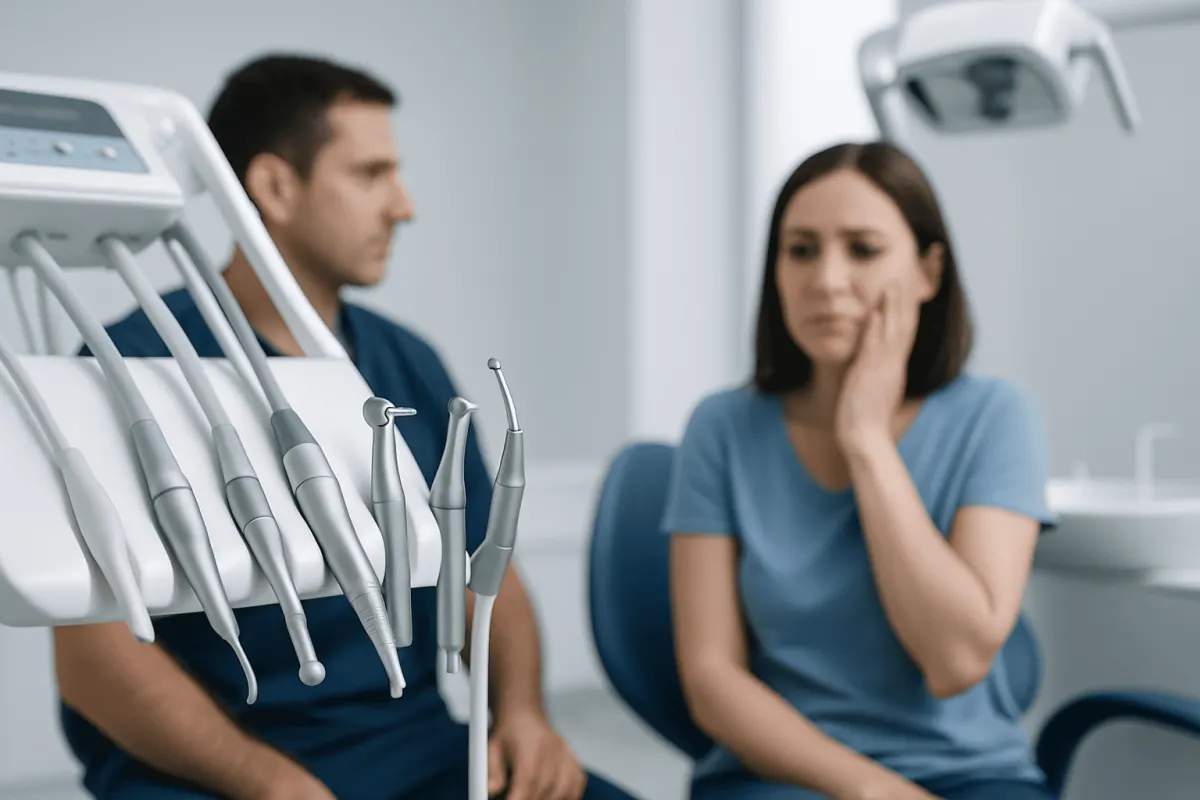
Severe tooth pain becomes more urgent when it lasts for hours, wakes a person from sleep, or does not improve with simple measures. Pain that is sharp when biting may suggest a cracked tooth, while lingering sensitivity to hot or cold can point to nerve irritation or decay. A throbbing sensation may be associated with infection or inflammation inside the tooth.
Other warning signs include swelling of the gums, cheek, or jaw; pus or a bad-tasting discharge; fever; swollen lymph nodes; and difficulty opening the mouth. These symptoms can indicate an abscess or spreading infection. Prompt treatment is important because oral infections can worsen if they are ignored.
Dental trauma also needs timely care. This includes a knocked-out tooth, a broken tooth, a loose adult tooth, or injury to the lips and gums with persistent bleeding. A lost filling or crown is not always an emergency, but it may become urgent if it exposes sensitive tooth structure and causes strong pain.
- Severe or worsening toothache
- Swelling of the face, gum, or jaw
- Fever with dental pain
- Broken, cracked, or knocked-out tooth
- Bleeding that does not stop
- Pain with chewing or pressure
- Bad taste or pus near a tooth or gum
Common Causes and Risk Factors

The most common causes of severe tooth pain are tooth decay, a deep cavity, pulp inflammation, infection, and dental trauma. Decay can progress gradually until it reaches the inner part of the tooth, where nerves and blood vessels are located. At that stage, pain may become intense and constant. Untreated cavities are a frequent reason people need urgent dental care.
Cracked teeth can also cause sudden pain, especially when biting down or eating hot and cold foods. Cracks may develop after trauma, from chewing hard foods, or from chronic grinding and clenching. People with bruxism may be more likely to develop tooth fractures and jaw discomfort over time.
Gum disease, abscesses, exposed roots, and failing restorations can also trigger pain. In some cases, pain felt in a tooth may come from nearby structures, such as the gums, jaw joint, or sinuses. Problems like bleeding gums or advanced gum inflammation can add tenderness, swelling, and sensitivity, especially when brushing or chewing.
Risk factors include poor oral hygiene, high sugar intake, dry mouth, smoking, skipped dental checkups, prior large fillings, and a history of decay or gum disease. People who postpone treatment because the pain comes and goes may be surprised when symptoms return more severely. Even if pain fades, the underlying dental problem may still be progressing.
How an Emergency Dentist Diagnoses Severe Tooth Pain
Diagnosis starts with listening carefully to the person’s symptoms. The dentist will ask where the pain is located, when it began, whether it is constant or triggered, and whether there are symptoms such as swelling, fever, sensitivity, or recent injury. This history helps narrow down whether the problem is likely due to infection, fracture, gum disease, or another cause.
The mouth is then examined for visible decay, swelling, cracks, broken restorations, gum pockets, and signs of trauma. Gentle tapping on the tooth, checking bite pressure, and temperature tests may help identify whether the pulp is inflamed or damaged. In many cases, dental X-rays are used to assess the roots, bone, hidden decay, or an abscess.
Sometimes severe pain is not caused by a tooth itself. The dentist may consider jaw disorders, sinus-related pain, gum problems, or referred pain from nearby structures. A full assessment is important because treatment depends on the specific cause. General urgent evaluation through general dentistry care may be the starting point before a more specialized procedure is recommended.
Treatment Options for Same-Day Relief
Emergency dental treatment aims to relieve pain, control infection, protect the tooth, and restore function. The exact treatment depends on the diagnosis. If decay has reached the nerve, root canal treatment may be recommended to remove infected tissue and save the tooth. If the problem is a cavity without nerve damage, the dentist may place a dental filling after cleaning the decay.
When swelling or an abscess is present, urgent care may include draining the infection and cleaning the area. If a crown, filling, or bonding has broken, a temporary repair may be done first to reduce pain, followed by a more definitive restoration later. In trauma cases, the dentist may stabilize a loose tooth, smooth a fracture, or assess whether the tooth can be preserved.
Sometimes extraction is the safest option if a tooth is too severely damaged to save. Pain relief may also involve local anesthesia and advice on short-term symptom management at home. If infection is suspected, the dentist may decide whether medication is appropriate, but treatment of the source is usually the most important step.
Urgent injuries such as chipped, displaced, or avulsed teeth may be managed through dental emergency and trauma care. Early treatment often improves the chance of saving the tooth and avoiding more extensive procedures later.
What to Do Before the Appointment
While waiting to be seen, a person can take a few safe steps to reduce discomfort. Rinsing gently with warm salt water may help keep the area clean. A cold compress on the outside of the cheek can reduce swelling after an injury. It is best to avoid very hot, very cold, sugary, or hard foods that may worsen pain.
If there is bleeding, gentle pressure with clean gauze can help. If a tooth has been knocked out, it should be handled by the crown rather than the root. If possible, it may be placed back in the socket carefully; otherwise, it can be stored in milk or saliva while urgent dental care is arranged. Fast action can make a difference in whether the tooth can be replanted.
People should avoid placing aspirin directly on the gum or tooth, as this can irritate soft tissues. Home remedies may offer short-term comfort, but they do not treat an abscess, deep decay, or fracture. Delaying care because the pain temporarily improves can allow the problem to worsen.
Prevention and When to Seek Medical Help
Many dental emergencies can be reduced through prevention. Brushing twice daily with fluoride toothpaste, cleaning between the teeth, limiting sugary snacks and drinks, and attending regular dental checkups all support early detection and treatment. A mouthguard may help protect teeth during sports, and a night guard may be recommended for people who grind their teeth.
Small problems are often easier to treat before they become painful. Early care for decay, cracks, gum disease, or loose restorations can reduce the chance of needing same-day emergency treatment. Ongoing attention to dental hygiene is especially important for long-term oral health.
Some symptoms need more than routine dental scheduling. A person should seek same-day dental assessment for severe tooth pain, swelling, fever, trauma, or bleeding that does not stop. Emergency medical care may be needed right away if there is rapidly increasing facial swelling, trouble breathing, trouble swallowing, or signs of a spreading infection.
For international patients seeking coordinated care, Acıbadem Health Point’s multidisciplinary dental specialists in JCI-accredited hospitals diagnose and treat urgent dental conditions with individualized planning and follow-up.
Frequently asked questions
01How do I know if tooth pain is an emergency?
Tooth pain may be an emergency if it is severe, persistent, worsening, or associated with swelling, fever, trauma, or bleeding. Pain that interferes with sleep, eating, or normal function should be assessed promptly by a dentist.
02Should I go to the emergency room or an emergency dentist?
An emergency dentist is usually the right choice for severe toothache, broken teeth, lost fillings, and many dental injuries. However, a hospital emergency department is more appropriate if there is trouble breathing, trouble swallowing, major facial swelling, heavy bleeding, or severe trauma.
03Can a severe toothache go away on its own?
Sometimes pain temporarily settles, but that does not mean the problem is cured. Decay, infection, or a crack can continue to worsen silently, so professional evaluation is still important.
04What should be done for a knocked-out tooth?
A knocked-out adult tooth needs urgent attention as quickly as possible. It should be handled by the crown, not the root, and kept moist in milk or saliva if it cannot be placed back gently into the socket.
05Will antibiotics alone fix severe tooth pain?
Not usually. If the pain is caused by decay, nerve damage, or an abscess, the source typically needs dental treatment such as drainage, restoration, root canal treatment, or extraction. A dentist will decide whether medication is needed as part of care.
06Is a broken filling or crown always an emergency?
Not always, but it can become urgent if it causes severe pain, sharp edges, or exposes a sensitive part of the tooth. Even if discomfort is mild, it is wise to contact a dentist soon to prevent further damage.
This article is for general information only and is not a substitute for professional medical advice. Please consult a qualified doctor about your individual situation.
Explore treatments in Turkey — costs, top hospitals & a free quote
JCI-accredited · board-certified surgeons · reply within 24h
Add us as a Preferred Source to see more of our trusted health content across Google Search, AI Overviews and Discover.