Dental Emergency: What Counts as Urgent and What to Do First

A dental emergency is any mouth, tooth, or gum problem that needs prompt attention to relieve severe symptoms, stop bleeding, control infection, or save a tooth. Knowing what counts as urgent and what to do first can help protect both oral health and overall well-being.
Overview: What Is a Dental Emergency?
A dental emergency is a problem affecting the teeth, gums, jaw, or mouth that needs prompt professional care. The reason may be pain, injury, bleeding, swelling, or signs of infection. In some cases, urgent treatment may save a tooth. In others, it may prevent a local problem from becoming more serious.
Not every dental problem is an emergency, but some should not wait for a routine appointment. Examples include a knocked-out adult tooth, uncontrolled bleeding after an injury, significant facial swelling, severe tooth pain, a cracked or broken tooth with pain, or a lost filling or crown that causes sharp discomfort. Soft-tissue injuries inside the mouth can also need urgent attention if bleeding continues.
Dental emergencies can affect people of any age. Children, adults, older adults, athletes, and people with untreated dental disease may all experience urgent dental problems. Quick first aid can reduce pain and help protect oral structures, but evaluation by a qualified dentist or doctor is still important.
Symptoms That May Mean Urgent Care Is Needed
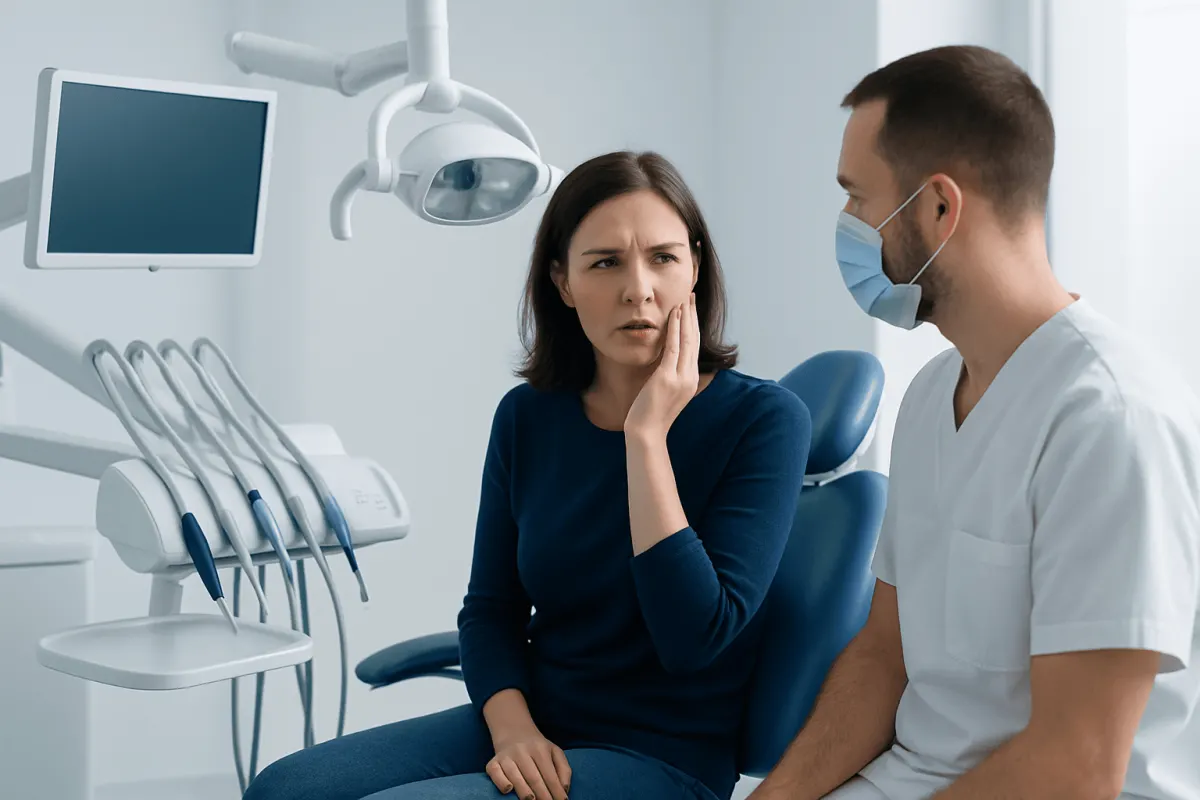
One of the clearest warning signs is severe or worsening pain. A toothache that keeps someone awake, does not improve with simple measures, or comes with swelling may point to a deep cavity, infection, crack, or inflammation inside the tooth. Sensitivity alone is not always an emergency, but intense pain usually deserves prompt assessment.
Bleeding is another important sign. Bleeding after brushing may suggest gum disease, but bleeding that does not stop after pressure, bleeding after a facial injury, or bleeding after a tooth is lost should be treated urgently. Swelling of the gums, cheek, jaw, or face can also be significant, especially when paired with fever, a bad taste in the mouth, pus, or trouble opening the mouth.
Trauma to the teeth or jaw often needs same-day care. This includes a knocked-out tooth, a tooth pushed out of place, a loose permanent tooth after injury, or a visibly broken tooth. Other symptoms that should never be ignored include difficulty swallowing, difficulty breathing, a spreading infection, or numbness after facial trauma.
- Severe tooth or jaw pain
- A knocked-out, loose, or displaced permanent tooth
- Broken, cracked, or chipped tooth with pain or exposed inner layers
- Persistent bleeding from the mouth or gums
- Facial swelling, gum swelling, or pus
- Fever with a dental problem
- Difficulty swallowing or breathing
Common Causes and Risk Factors

Dental emergencies often happen because of decay, infection, trauma, or neglected dental problems. Cavities can deepen over time and reach the inner pulp of the tooth, causing severe pain or an abscess. Gum disease may lead to swelling, bleeding, gum recession, and loose teeth. Existing dental work such as fillings or crowns can also become damaged or fall out, exposing sensitive tooth structure and causing pain.
Injuries are another common cause. Falls, sports accidents, traffic accidents, and biting on hard objects can crack teeth or knock them out. Teeth grinding may also weaken enamel and restorations over time, raising the risk of fractures. Patients with untreated bruxism may be more likely to develop tooth wear or cracks that become painful.
Some people are at higher risk than others. Risk factors include poor oral hygiene, delayed dental visits, contact sports without a mouthguard, prior dental restorations, dry mouth, smoking, and certain medical conditions that affect gums or healing. Routine preventive care, including professional dental hygiene care, may help reduce the chance of an urgent problem developing.
What to Do First: Dental First Aid at Home
The first step is to stay calm and identify the main problem: pain, bleeding, swelling, or trauma. If there is bleeding, gentle pressure with clean gauze or a clean cloth is usually recommended. A cold compress on the outside of the face may help reduce swelling after injury. It is generally best to avoid placing aspirin directly on the gums or tooth, because this may irritate soft tissue.
If a permanent tooth has been knocked out, time matters. The tooth should be picked up by the crown, not the root, and briefly rinsed with clean water if dirty. It should not be scrubbed. If possible, the tooth may be gently placed back into the socket; if that is not possible, it can be kept moist in milk or in the person’s saliva while urgent dental care is arranged. A baby tooth should not be reinserted.
For a broken tooth, rinsing the mouth with warm water and saving any fragments can be helpful. If a filling or crown falls out, the area should be kept clean and chewing on that side avoided until the tooth is examined. A lost restoration may sometimes be repaired or replaced with treatments such as dental fillings or dental crowns, depending on the damage.
When swelling, fever, or increasing pain suggest infection, prompt evaluation is important. Home care may ease symptoms for a short time, but infection in the mouth can spread to surrounding tissues. Anyone with trouble swallowing, trouble breathing, rapidly enlarging swelling, or significant facial trauma should seek emergency medical attention without delay.
How Dentists Diagnose a Dental Emergency
Diagnosis starts with a careful history. The dentist will ask when the problem started, whether there was trauma, how severe the pain is, and whether there are symptoms such as swelling, fever, bleeding, or sensitivity to hot and cold. Information about medications, allergies, and previous dental work also helps guide safe treatment.
A physical examination follows. The dentist may inspect the teeth, gums, cheeks, tongue, and jaw, and may gently test whether a tooth is loose, tender, or cracked. Bite changes, gum swelling, facial asymmetry, and signs of infection are also important clues. In some injuries, the jaw joint and nearby bones may need assessment as well.
Dental imaging is often used to confirm the cause. X-rays can help show decay, fractures, abscesses, bone involvement, or injury to the tooth root. In more complex cases, modern digital dentistry tools may support precise diagnosis and treatment planning. The main goal is to identify the source of the emergency quickly and choose the safest next step.
Treatment Options for Different Dental Emergencies
Treatment depends on the cause. For infection or pulp inflammation, urgent care may focus on relieving pressure, draining an abscess when needed, or treating the inside of the tooth. In some situations, definitive care may involve endodontic treatment to preserve the tooth. If the damage is too extensive, removal may sometimes be necessary.
Trauma care may include repositioning a displaced tooth, splinting a loose tooth, repairing a fracture, or reimplanting a knocked-out permanent tooth if conditions are suitable. Soft-tissue injuries may need cleaning and, occasionally, stitches. A broken restoration may be repaired, replaced, or temporarily protected until permanent treatment can be completed.
Pain control and infection management are also part of care, but the exact approach should be decided by a qualified clinician. Severe swelling, spreading infection, or associated medical concerns may require hospital-based support. Near the end of the care pathway, patients may also need follow-up to check healing, nerve health, bite alignment, and the long-term stability of the tooth and surrounding tissues.
Prevention and Self-Care
Many dental emergencies can be prevented with consistent oral care and timely treatment of small problems before they become painful or infected. Brushing twice daily with fluoride toothpaste, cleaning between the teeth, limiting frequent sugary snacks and drinks, and attending regular dental checkups all support stronger teeth and healthier gums. Early treatment of cavities, loose restorations, and gum disease is especially helpful.
Protective habits matter as well. A properly fitted mouthguard can reduce dental injuries during contact or high-impact sports. People who grind their teeth may benefit from assessment and protective strategies to lower the chance of cracks and wear. Hard foods, ice, and non-food objects should not be chewed, as they may fracture teeth or restorations.
At home, self-care should remain supportive rather than a substitute for treatment. Warm salt-water rinses may soothe irritated tissue, and a cold compress may reduce swelling after minor trauma. However, worsening pain, repeated swelling, bad-tasting drainage, or persistent bleeding should prompt professional review rather than repeated temporary measures.
When to See a Dentist or Doctor
Same-day dental care is usually appropriate for a knocked-out or loose permanent tooth, a broken or cracked tooth with pain, severe toothache, significant swelling, or a lost filling or crown causing sharp pain. Prompt treatment is also wise after any mouth injury that changes the bite, chips a large portion of a tooth, or makes chewing difficult.
Medical emergency care is needed when a dental problem is linked with trouble breathing, trouble swallowing, fever with facial swelling, uncontrolled bleeding, or major trauma to the face or jaw. These signs may point to a deeper infection or a serious injury that goes beyond routine dental treatment.
People who are unsure whether a situation is urgent should contact a dental professional for guidance. Acıbadem Health Point’s multidisciplinary specialists and JCI-accredited hospitals diagnose and treat dental emergencies for international patients, helping coordinate dental and medical care when needed. Early evaluation often makes treatment simpler and may improve the chance of saving an injured tooth.
Frequently asked questions
01What counts as a dental emergency?
A dental emergency usually includes severe pain, swelling, bleeding, trauma, or signs of infection that need prompt attention. Examples include a knocked-out adult tooth, facial swelling, uncontrolled bleeding, or a broken tooth with significant pain.
02Should a knocked-out tooth go to the emergency room or a dentist?
A knocked-out permanent tooth usually needs urgent dental care as quickly as possible. If there is also heavy bleeding, facial injury, trouble breathing, or difficulty swallowing, emergency medical care may be needed right away.
03What should be done first for a knocked-out tooth?
The tooth should be handled by the crown, not the root. It may be gently rinsed if dirty and kept moist in milk or saliva while urgent care is arranged; if appropriate and possible, a dentist may advise replacing it into the socket. Baby teeth should not be reinserted.
04Is a severe toothache an emergency?
A severe toothache can be an emergency, especially if it is persistent, worsening, or associated with swelling, fever, or pain when biting. These symptoms may suggest infection, a deep cavity, or damage inside the tooth.
05Can swelling from a tooth infection be dangerous?
Yes. Swelling in the gums, cheek, or jaw can sometimes mean infection is spreading beyond the tooth. If swelling is increasing or comes with fever, difficulty swallowing, or difficulty breathing, urgent medical evaluation is important.
06Is a lost filling or crown always urgent?
Not always, but it should not be ignored. If the tooth is painful, sharp, or sensitive, or if a large part of the tooth is exposed, prompt dental care is recommended to protect the tooth and reduce the chance of further damage.
This article is for general information only and is not a substitute for professional medical advice. Please consult a qualified doctor about your individual situation.
Explore treatments in Turkey — costs, top hospitals & a free quote
JCI-accredited · board-certified surgeons · reply within 24h
Add us as a Preferred Source to see more of our trusted health content across Google Search, AI Overviews and Discover.