Eczema on the Elbows: Triggers, Appearance, and Care
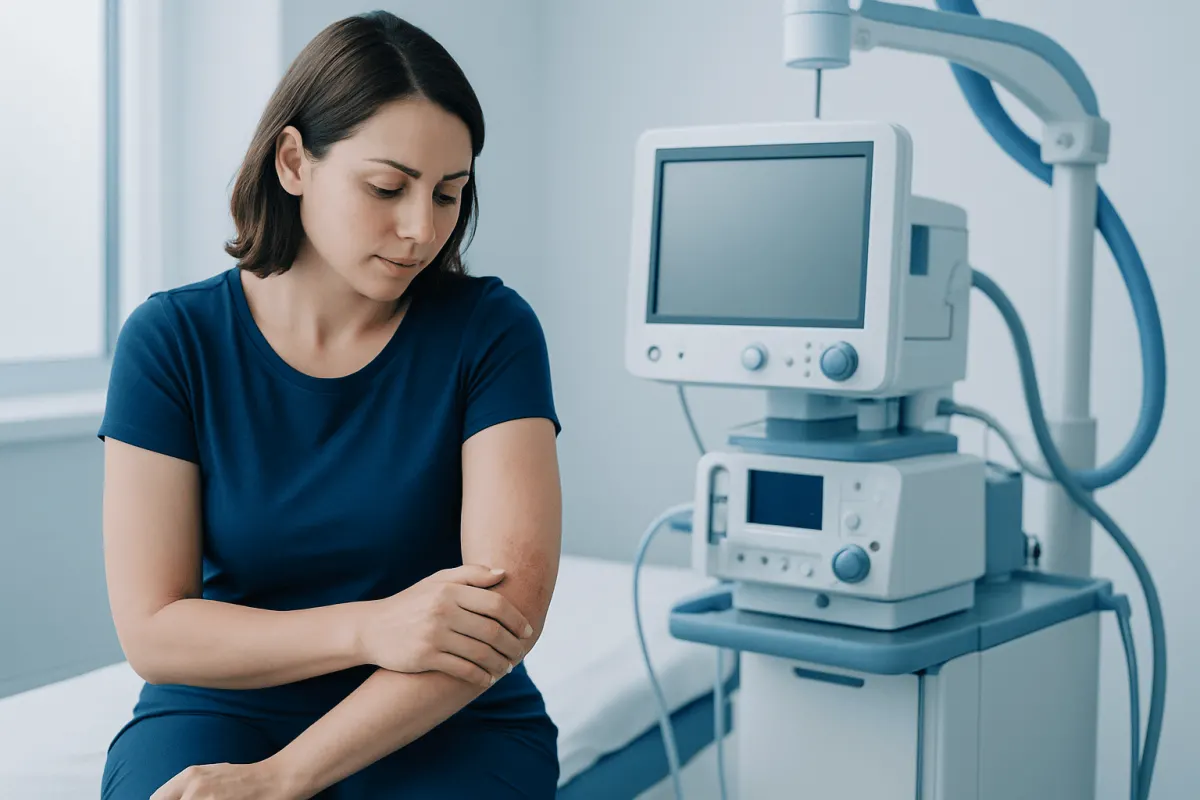
That rough, itchy patch in the crease of your elbow that flares up every winter and never quite goes away? For a lot of people, that’s eczema.
Eczema on elbows causes dry, itchy, inflamed patches on or around the elbow folds or the outer elbows. It is often linked to a weakened skin barrier, irritation, allergies, or atopic dermatitis. The good news: it can usually be managed with skin care, avoiding your triggers, and medical treatment when you need it.
Overview
Eczema on elbows refers to inflamed, itchy, and dry skin that develops on the inner elbow creases, the outer elbows, or both. In many people, this is a form of atopic dermatitis, but the term “eczema” is also used more broadly for skin inflammation caused by irritation, allergy, or other dermatitis patterns. The skin may look red, darker than usual, rough, scaly, cracked, or thickened from repeated scratching.
The elbows are a common site because this skin is exposed to frequent movement, friction from clothing and surfaces, and repeated drying from washing or environmental conditions. In children, eczema often affects the flexural areas such as the elbow creases. In adults, the pattern can vary and may include the outer elbows, especially when dryness, irritation, or chronic rubbing are involved.
Let’s clear up two myths: eczema is not contagious, and it has nothing to do with poor hygiene. It develops when the skin barrier does not protect and retain moisture as effectively as it should. Once the barrier is weakened, irritants and allergens can more easily trigger inflammation, itching, and discomfort.
How Eczema on Elbows Looks and Feels
Symptoms range from mild dryness to intense itching and visible inflammation. The itch is what brings most people in. Many people notice that scratching gives temporary relief but then makes the rash worse, creating an itch-scratch cycle that is difficult to break.
The appearance of elbow eczema can differ by skin tone and by how long it has been present. On lighter skin, the rash may appear pink or red. On darker skin, it may appear brown, purple, gray, or darker than the surrounding area. Chronic eczema can lead to lichenification, meaning the skin becomes thicker and more leathery over time.
- Dry, rough, or flaky patches on the elbows
- Itching, sometimes worse at night
- Redness or darker discoloration
- Small bumps or patches that feel irritated
- Cracks, soreness, or stinging
- Thickened skin from repeated rubbing or scratching
- Occasional oozing or crusting if the skin becomes very inflamed or infected
Some people confuse eczema on elbows with psoriasis, fungal rashes, or simple dry skin. Psoriasis tends to produce more sharply defined plaques with thicker scale, often on the outer elbows, while eczema usually causes more itch and less sharply bordered inflammation. Since these conditions can look alike, it is worth having a doctor take a look if you are not sure what you are dealing with.
Causes and Risk Factors

Eczema on elbows does not have a single cause. It usually results from a combination of skin-barrier weakness, immune system reactivity, and environmental triggers. People with atopic dermatitis often have skin that loses moisture more easily and reacts more strongly to everyday exposures.
A personal or family history of eczema, asthma, or allergic rhinitis increases the likelihood of developing elbow eczema. This so-called atopic tendency is especially common when eczema begins in childhood, though adults can also develop symptoms later in life.
Common triggers and risk factors include:
- Dry air, cold weather, or frequent temperature changes
- Harsh soaps, detergents, fragrances, and cleaning products
- Wool, rough fabrics, or tight clothing that rubs the elbows
- Frequent hand and body washing without moisturizing afterward
- Sweating and heat
- Stress, which can worsen itching and flares
- Allergic contact dermatitis from metals, preservatives, or skincare ingredients
- Repeated pressure or friction from leaning on elbows
In some cases, elbow eczema may be part of a broader pattern of atopic dermatitis. In others, the rash may be mainly irritant or allergic dermatitis. Less commonly, a doctor may consider alternative diagnoses such as psoriasis, fungal infection, or dermatitis herpetiformis, depending on the appearance and symptoms.
How Doctors Diagnose It
Diagnosis usually begins with a skin examination and a review of symptoms, triggers, medical history, and family history. A doctor will ask when the rash started, whether it comes and goes, how severe the itch is, and what products or activities seem to make it better or worse. In many cases, the diagnosis can be made clinically without invasive testing.
The doctor will also look for clues that suggest another condition. For example, sharply bordered thick plaques may suggest psoriasis, while ring-shaped lesions may point to a fungal infection. If there is crusting, pain, or drainage, infection may also need to be considered.
Additional tests are sometimes useful. Patch testing may help identify allergic contact dermatitis if skincare products, metals, or chemicals are suspected. A skin scraping or swab may be taken if infection or fungus is possible. Rarely, a skin biopsy is done if the rash is atypical or does not respond to standard treatment.
When symptoms are persistent, recurring, or difficult to control, assessment by a specialist in dermatology care can help confirm the diagnosis and guide long-term management.
Treatment Options
The main goals of treatment are to repair the skin barrier, reduce inflammation, relieve itch, and prevent new flares. For many people, regular moisturizing is the foundation of care. Thick, fragrance-free creams or ointments are usually more effective than lotions because they help seal moisture into the skin.
Doctors may recommend medicated creams or ointments during flares. These often include topical corticosteroids to calm inflammation, used for the shortest effective period and in the appropriate strength for the body area and severity. In some cases, non-steroid anti-inflammatory creams may be prescribed, especially when long-term control is needed or steroid-sparing treatment is preferred.
When scratching, sleep disruption, or widespread disease significantly affects daily life, additional treatment may be considered. This can include prescription therapies used under medical supervision, treatment of secondary infection if present, and a broader eczema care plan. If the pattern is severe or resistant, doctors may evaluate whether specialized allergy assessment and treatment is useful in identifying contributing triggers.
Even when you are on prescription treatment, what you do at home still counts. Gentle bathing, moisturizing soon after washing, and steering clear of fragranced products make a real difference. Some patients benefit from coordinated care, and Acıbadem Health Point’s multidisciplinary specialists in JCI-accredited hospitals diagnose and treat skin conditions for international patients when more advanced evaluation is needed.
Daily Skin Care and Flare Prevention
Consistent skin care can reduce the frequency and intensity of elbow eczema flares. The aim is to protect the skin barrier every day, not only when the rash is active. Moisturizer should be applied regularly, especially after bathing or washing, while the skin is still slightly damp.
How you bathe matters too. Short, lukewarm showers or baths are gentler on your skin than long, hot ones. Mild, fragrance-free cleansers are preferred over strong soaps. After bathing, the skin should be patted dry rather than rubbed vigorously, then covered with an emollient cream or ointment.
- Use fragrance-free moisturizers at least once or twice daily
- Avoid harsh soaps, scrubs, and scented products
- Choose soft, breathable fabrics such as cotton
- Wash new clothes before wearing them
- Protect elbows from repeated friction and pressure
- Keep nails short to reduce skin injury from scratching
- Manage stress and try to avoid overheating
If flares keep returning despite good skin care, it may help to review possible contact triggers such as detergents, body products, fabrics, sports gear, or occupational exposures. In some people, eczema on elbows is only one part of a broader skin problem involving the hands, knees, or neck, and treatment may need to address the full pattern rather than a single patch.
When to Seek Medical Care
See a doctor if the eczema on your elbows is severe, painful, spreading, or simply not budging despite moisturizers and avoiding your triggers. Persistent itch can disrupt sleep and quality of life, and untreated inflammation may lead to more scratching, thicker skin, and greater discomfort over time.
A doctor should also evaluate signs that suggest infection or a different diagnosis. Warning signs include increasing redness, warmth, swelling, pus, yellow crusting, fever, or significant tenderness. A rash that looks unusual, spreads quickly, or does not behave like typical eczema may need further assessment.
People should also seek care if they are unsure whether the rash is eczema, especially if there is concern about psoriasis, fungal infection, or allergy-related dermatitis. In some situations, referral for specialist skin evaluation or, if joint symptoms coexist with inflammatory skin disease, broader assessment such as rheumatology evaluation may be appropriate.
Frequently asked questions
01Is eczema on elbows common?
Yes. The elbows are a common location for eczema, especially in people with atopic dermatitis. The skin in this area is exposed to friction, movement, dryness, and irritants, which can make flares more likely.
02What is the difference between eczema on elbows and psoriasis?
Both can affect the elbows, but they often look and feel different. Eczema usually causes intense itching and less sharply defined dry, inflamed patches, while psoriasis often causes thicker, more clearly bordered plaques with silvery scale. A doctor can help distinguish them if the rash is unclear.
03Can elbow eczema go away on its own?
Mild cases may improve when triggers are removed and the skin is moisturized well. However, eczema often tends to recur, especially if the skin barrier remains dry or irritated. Ongoing skin care is usually important even after symptoms settle.
04What should be avoided with eczema on elbows?
Common things to avoid include harsh soaps, fragranced products, wool or rough fabrics, very hot showers, and repeated scratching. It also helps to reduce friction from leaning on the elbows and to watch for detergents or skincare products that seem to trigger flares.
05Can eczema on elbows become infected?
Yes. Repeated scratching can damage the skin and allow bacteria to enter, which may lead to infection. Signs include increasing pain, warmth, swelling, crusting, pus, or fever, and these symptoms should be assessed by a doctor.
06Do moisturizers really help elbow eczema?
Yes, they are one of the most important parts of treatment. A thick, fragrance-free moisturizer helps restore the skin barrier, reduce dryness, and lower the chance of irritation. For best results, it should be used regularly, not only during flares.
This article is for general information only and is not a substitute for professional medical advice. Please consult a qualified doctor about your individual situation.
Explore treatments in Turkey — costs, top hospitals & a free quote
JCI-accredited · board-certified surgeons · reply within 24h
Add us as a Preferred Source to see more of our trusted health content across Google Search, AI Overviews and Discover.