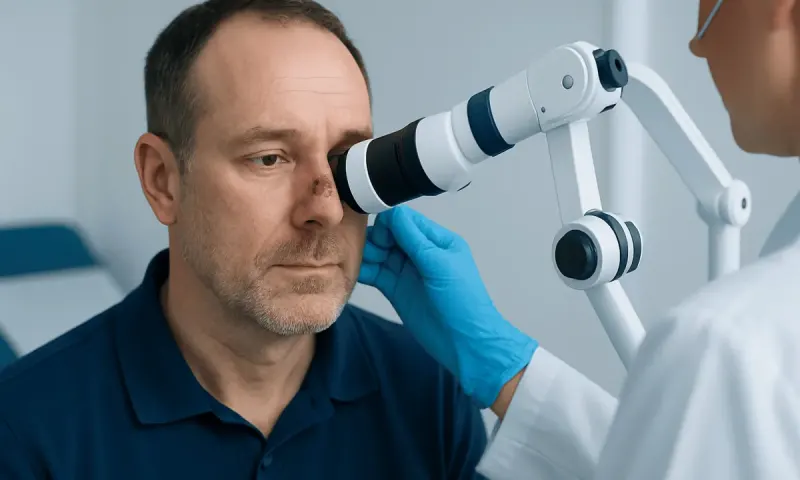
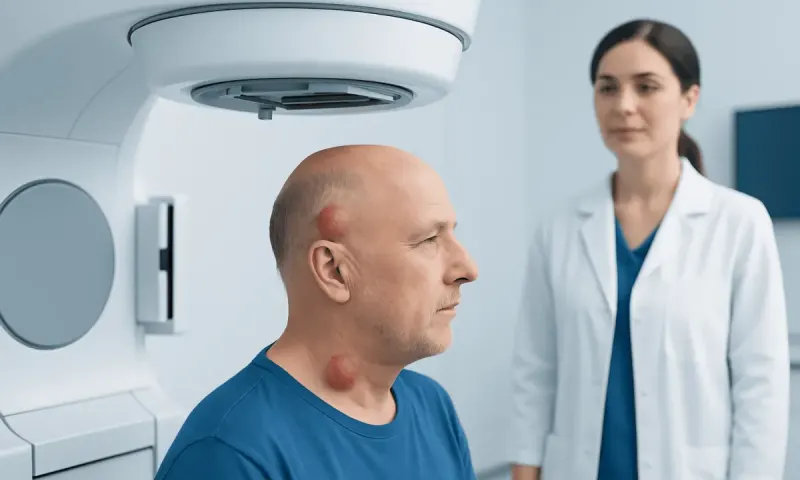
Tongue Cancer Pictures: Early Signs and Treatment
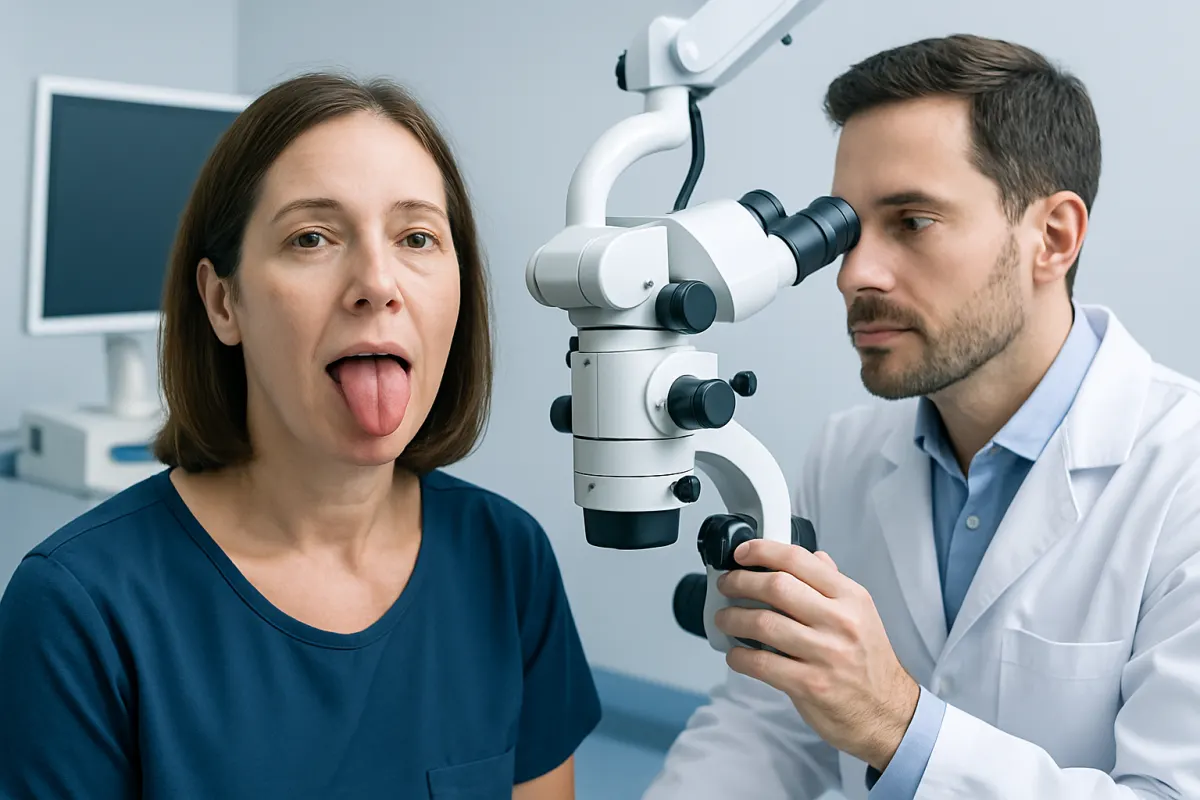
Tongue cancer pictures can help people recognize possible early changes, such as a sore that does not heal, a red or white patch, or an unexplained lump. Images cannot diagnose cancer, however, because harmless conditions can look similar; a persistent tongue change should be assessed by a qualified clinician.
Understanding tongue cancer pictures and early signs
People searching for tongue cancer pictures early signs are often trying to decide whether a visible sore or unusual patch needs medical attention. Early changes may include an ulcer that does not heal, a firm lump, thickened tissue, unexplained bleeding, or a red, white, or mixed red-and-white patch. These features can also occur with irritation, infection, dental trauma, or inflammatory conditions, so a photograph cannot confirm the cause.
Tongue cancer is usually a type of head and neck cancer called squamous cell carcinoma. It can develop on the front two-thirds of the tongue, often called the oral tongue, or farther back at the base of the tongue, which is part of the oropharynx. These locations can cause different symptoms and may be assessed and treated in different ways.
Pictures found online are not a reliable substitute for an examination. Lighting, image quality, skin tone, healing stage, and other oral conditions can all change how a lesion appears. A dentist, ear, nose and throat specialist, oral and maxillofacial surgeon, or head and neck cancer specialist can examine the area directly and decide whether tests are needed.
What may early tongue cancer look and feel like?
On the visible part of the tongue, a suspicious area may look like a shallow sore with raised or firm edges, a persistent white patch, a red velvety patch, or an area that is ulcerated or bleeds easily. It may occur along the side of the tongue, underneath it, or on the surface. Some early cancers cause little or no pain, so the absence of pain should not delay assessment.
Symptoms can include persistent tongue pain, a burning sensation, discomfort when chewing or swallowing, numbness, speech changes, or a feeling that something is caught in the throat. A lump in the neck can occur when nearby lymph nodes are enlarged. Dental problems, poorly fitting dentures, biting injuries, and mouth ulcers are common alternatives, but changes that persist deserve evaluation.
- A mouth sore, patch, or lump lasting longer than two weeks
- Unexplained bleeding or persistent pain in the tongue or mouth
- Difficulty swallowing, speaking, or moving the tongue
- Ongoing sore throat, ear pain, or a neck lump without a clear cause
Regular dental examinations can help identify changes in the mouth. Between visits, people can mention any new lesion that does not improve rather than repeatedly treating it at home.
Can you show me some pictures of base of tongue cancer?
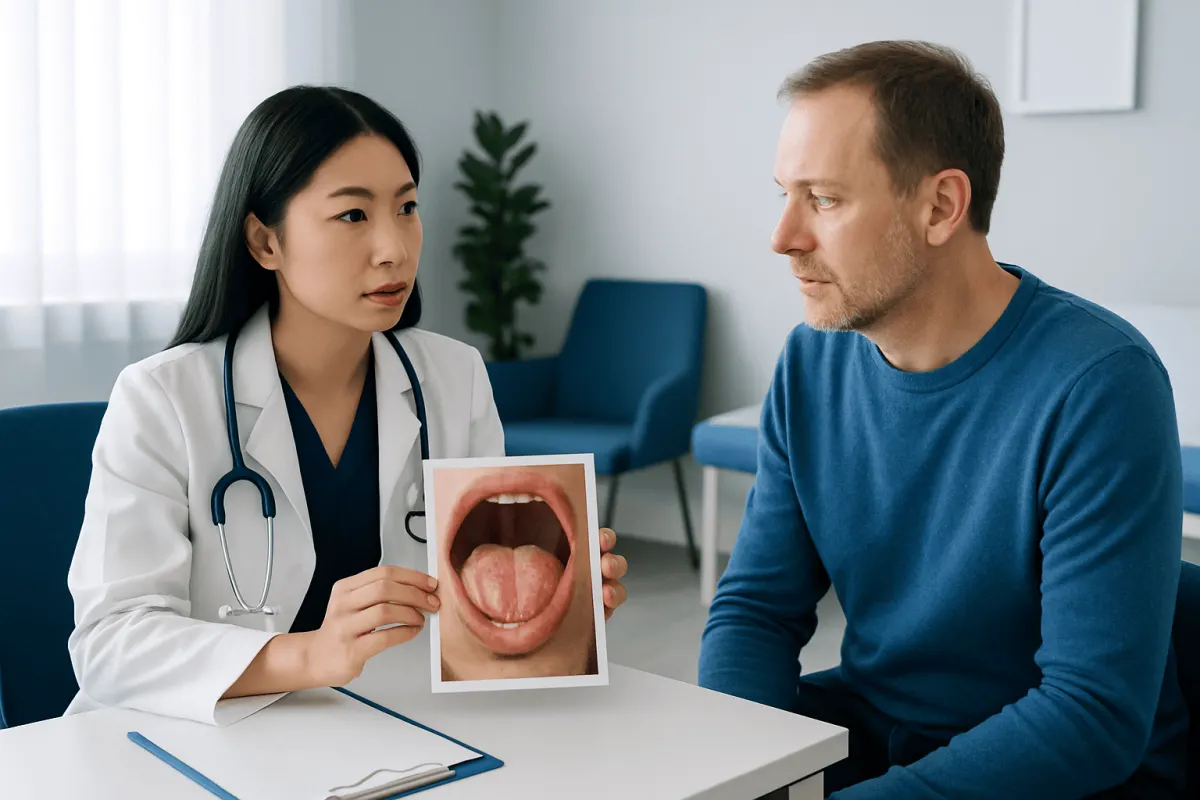
Base of tongue cancer is often difficult to photograph clearly because it develops deep in the back of the mouth and throat. Even a person looking in a mirror may not be able to see the area well, and online pictures cannot reliably distinguish cancer from enlarged lymph tissue, infection, inflammation, or normal anatomy.
Instead of a visible mouth lesion, base of tongue cancer may first cause a persistent sore throat, pain on swallowing, a sensation of a lump in the throat, voice changes, ear pain, or a neck lump. Some cases are linked with human papillomavirus (HPV), while tobacco and alcohol exposure are also important risk factors for head and neck cancers.
A clinician may inspect this area with a flexible nasendoscope, a thin camera passed gently through the nose, or with other specialized examination methods. If an abnormal area is found, imaging and tissue sampling may be arranged. This diagnostic approach is more accurate and safer than relying on photographs.
Causes and factors that can raise risk
Tobacco use, including smoking and smokeless tobacco, raises the risk of cancers of the mouth and tongue. Heavy alcohol use can also increase risk, particularly when combined with tobacco. Avoiding tobacco and limiting alcohol are important steps for reducing risk and supporting overall health.
HPV is associated particularly with cancers arising at the base of the tongue and tonsils. HPV-related and non-HPV-related cancers can differ in their typical patient profile and treatment planning, but each requires careful specialist assessment. HPV vaccination helps prevent infection with HPV types linked to several cancers and should be discussed with an appropriate healthcare professional according to local recommendations.
Other possible contributors include older age, prior head and neck cancer, long-term immune suppression, and poor oral health. A sharp tooth or denture may irritate the tongue, but irritation itself should not be assumed to explain a lesion that persists. Any ongoing change needs professional review.
Diagnosis and staging: how tongue cancer is confirmed
Diagnosis begins with a medical and dental history and a detailed examination of the mouth, tongue, throat, and neck. The clinician may feel the tongue and neck for areas of firmness or enlarged lymph nodes. For possible base of tongue disease, an endoscopic examination can provide a closer view of the throat.
A biopsy is required to diagnose cancer. During this procedure, a small tissue sample is taken and examined in a laboratory. If cancer is confirmed, the care team may use imaging tests such as CT, MRI, PET-CT, or ultrasound to understand the size and location of the tumour and whether lymph nodes or other areas are involved.
Staging describes how far the cancer has spread and helps the team recommend treatment. Pathology testing may include HPV-related testing when the cancer is in the oropharynx. Individual plans also consider swallowing, speech, nutrition, dental health, other medical conditions, and the person’s preferences.
Modern treatment approaches and outlook
Tongue cancer treatment depends on whether the cancer is on the oral tongue or base of tongue, its stage, HPV status when relevant, and a person’s general health. Early oral tongue cancers may be treated with surgery to remove the tumour, sometimes with assessment or treatment of nearby neck lymph nodes. Reconstructive procedures may be considered when needed to preserve function and appearance.
For base of tongue cancers, radiotherapy combined with chemotherapy is often an important treatment approach, while surgery may be appropriate in selected cases. Some people receive treatment before or after surgery to lower the chance of recurrence. For recurrent or advanced disease, systemic treatments, including immunotherapy in suitable circumstances, may be discussed.
Care commonly involves a multidisciplinary group of head and neck surgeons, medical oncologists, radiation oncologists, radiologists, pathologists, dentists, speech and language therapists, dietitians, and rehabilitation professionals. Cancer treatment planning should include discussion of expected benefits, possible effects on swallowing, speech, taste, saliva production, and dental health.
Acıbadem Health Point’s multidisciplinary specialists and JCI-accredited hospitals diagnose and treat tongue and other head and neck cancers for international patients. A personalized evaluation can help clarify appropriate testing, treatment options, and supportive care needs.
Has anyone survived tongue cancer?
Yes. Many people survive tongue cancer, and outcomes are often better when it is found at an earlier stage and treated promptly. Prognosis varies considerably, however, because it depends on the cancer’s exact location, stage, biology, lymph node involvement, response to treatment, and the person’s overall health.
People with tongue cancer usually continue follow-up after treatment so the team can monitor recovery, manage side effects, support nutrition and speech, and check for recurrence. Stopping tobacco use and limiting alcohol, if relevant, can support healing and reduce the risk of future head and neck cancers.
Survival statistics cannot predict what will happen for one individual. The treating oncology team is best placed to explain the outlook after reviewing biopsy findings, scans, and treatment response. Head and neck cancer specialists can also explain how the tumour location affects treatment and follow-up.
What is the best food to eat when having tongue cancer?
There is no single best food for everyone with tongue cancer. The most helpful diet is one that provides enough calories, protein, fluid, vitamins, and minerals while matching the person’s ability to chew and swallow comfortably. A dietitian experienced in cancer care can adapt recommendations before, during, and after treatment.
Soft, moist, high-protein foods are often easier to manage. Examples may include yogurt, eggs, soft fish, well-cooked vegetables, soups, oatmeal, smoothies, beans, tofu, mashed foods, and foods served with sauces or gravy. Small, frequent meals may be more manageable than large portions when pain, dry mouth, taste changes, or fatigue are present.
Very spicy, acidic, rough, dry, or extremely hot foods can worsen mouth soreness for some people. Alcohol and tobacco should be avoided. If swallowing becomes difficult, coughing occurs during meals, or weight is falling unintentionally, prompt review by the cancer team, dietitian, and swallowing specialist is important.
How long does it take to recover from tongue cancer?
Recovery time varies widely. Healing after a small operation may take weeks, while recovery after larger surgery, reconstruction, radiotherapy, chemotherapy, or combined treatment can take months. Some effects, including changes in taste, saliva production, swallowing, speech, fatigue, or neck stiffness, may improve gradually over a longer period.
Rehabilitation is an important part of recovery. Speech and language therapy can help with speech and swallowing, while dietetic support helps maintain nutrition. Dental care, pain management, physical therapy, and emotional support can also be valuable depending on the treatment received.
Follow-up visits allow the team to address symptoms early and tailor rehabilitation. People should ask their clinicians what recovery is likely to involve in their situation, including expected time away from usual activities and signs that should prompt contact with the care team.
When to seek medical care
Medical assessment is recommended for a tongue sore, lump, red or white patch, or unexplained mouth pain that lasts more than two weeks. A dentist or doctor should also evaluate persistent swallowing difficulty, a sore throat that does not settle, unexplained ear pain, voice changes, unexplained bleeding, or a lump in the neck.
Urgent medical care is appropriate if there is trouble breathing, inability to swallow liquids, significant bleeding, rapidly increasing neck swelling, or severe dehydration. These symptoms can have causes other than cancer, but they should not be managed alone.
Most mouth changes are not cancer. Seeking assessment promptly is still the safest approach because it can identify common treatable conditions and, if cancer is present, allows earlier planning of care.
Frequently asked questions
01Are tongue cancer pictures enough to diagnose the condition?
No. Pictures can show possible warning signs, but many benign mouth conditions can resemble cancer. A clinician needs to examine the area, and a biopsy is required to confirm tongue cancer.
02Where does tongue cancer usually occur?
Tongue cancer can occur on the front, sides, or underside of the tongue, known as the oral tongue. It can also develop at the base of the tongue, farther back in the throat, where it may not be visible without specialized examination.
03Does early tongue cancer hurt?
It may cause pain, burning, or discomfort, but some early lesions are painless. A painless sore, patch, or lump that remains for more than two weeks should still be examined.
04Can a dentist detect tongue cancer?
Dentists routinely examine the mouth and may notice suspicious changes in the tongue, gums, cheeks, or floor of the mouth. They can refer a person for specialist evaluation and biopsy when needed.
05What tests are used for suspected base of tongue cancer?
A specialist may perform a flexible camera examination of the throat, followed by imaging tests if needed. A biopsy of an abnormal area is used to establish the diagnosis.
06Can tongue cancer come back after treatment?
It can recur in some people, which is why regular follow-up is important after treatment. Follow-up also helps manage longer-term effects on swallowing, speech, nutrition, and oral health.
This article is for general information only and is not a substitute for professional medical advice. Please consult a qualified doctor about your individual situation.
Persistent digestive symptoms? Get evaluated in Turkey
JCI-accredited · board-certified surgeons · reply within 24h
Add us as a Preferred Source to see more of our trusted health content across Google Search, AI Overviews and Discover.