Why Exertion Can Leave You Unusually Short of Breath
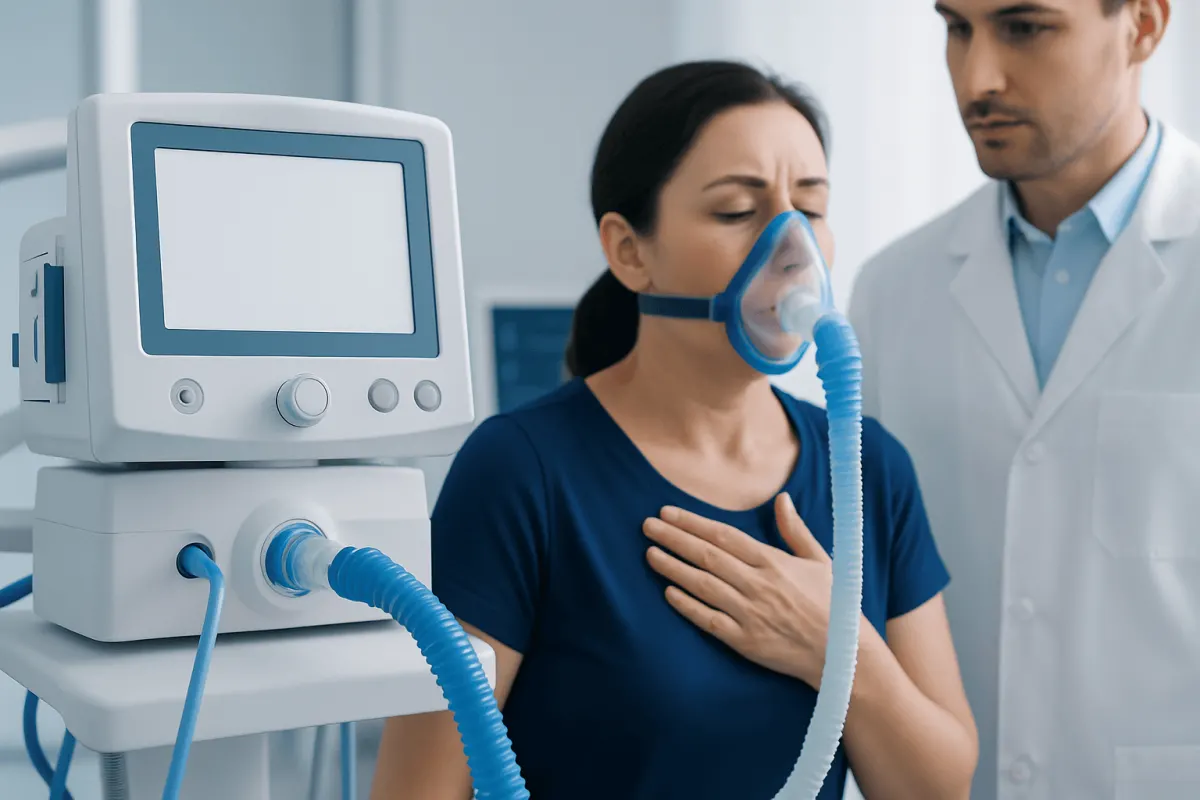
You start up the stairs you’ve climbed a thousand times, and halfway up you have to stop and catch your breath. That’s dyspnea on exertion: feeling unusually short of breath during physical activity.
It’s a symptom, not a disease. Medical evaluation helps determine whether it relates to fitness, lung disease, heart problems, anemia, excess weight, anxiety, or another cause.
What dyspnea on exertion means
Dyspnea on exertion is the medical term for shortness of breath that appears during physical activity such as walking uphill, climbing stairs, carrying groceries, or exercising. In simple terms, it means a person feels that breathing is harder than expected for the level of effort. This can happen because the body needs more oxygen during activity, and the heart, lungs, blood, and muscles must work together to meet that demand.
Not all breathlessness is abnormal. It is normal to breathe faster during exertion, especially in hot weather, at high altitude, or after strenuous exercise. Dyspnea on exertion becomes more concerning when it is new, worsening, out of proportion to the activity, or limiting everyday tasks that used to feel manageable.
Think of this symptom as a signal, not a diagnosis. It may stem from many different causes, including reduced physical conditioning, asthma, chronic lung disease, heart conditions, anemia, obesity, anxiety, or medication effects. Rather than guessing, the most helpful next step is working out the pattern and the cause.
How it feels and symptoms that may come with it
People describe dyspnea on exertion in different ways. Some say they are “winded” earlier than usual. Others feel they cannot take a deep enough breath, need to stop and rest, or notice chest tightness during activity. The feeling may begin only with intense exercise, or it may occur during routine tasks such as dressing, walking across a room, or climbing a single flight of stairs.
The details matter, because they offer clues. Breathlessness that comes with wheezing may suggest airway narrowing, while breathlessness with leg swelling or needing extra pillows at night may point toward a heart-related issue. Fatigue, dizziness, or paleness may suggest anemia or another systemic problem.
Symptoms that can occur alongside dyspnea on exertion include:
- Chest pain, pressure, or discomfort
- Wheezing or coughing
- Fast or irregular heartbeat
- Lightheadedness or fainting
- Swelling in the ankles or legs
- Unusual fatigue or reduced exercise tolerance
- Fever or recent respiratory infection
Keeping track of when shortness of breath happens, how long it lasts, and what other symptoms appear can make a medical assessment more precise and efficient.
Common causes and risk factors

Dyspnea on exertion can arise when the body cannot deliver oxygen efficiently or when breathing itself becomes more difficult. A common and often reversible reason is deconditioning, which means the heart and muscles are not adapted to activity because of illness, inactivity, or prolonged rest. Weight gain can also increase the work of breathing and movement, making everyday exertion feel harder.
Lung-related causes include asthma, chronic obstructive pulmonary disease, respiratory infections, interstitial lung disease, and less commonly blood clots in the lungs. In some people, exertional breathlessness may be part of a broader respiratory problem such as lung cancer or fluid around the lungs, especially when the symptom is persistent and progressive.
Heart-related causes include coronary artery disease, heart rhythm disturbances, heart valve disease, cardiomyopathy, or heart failure. When the heart does not pump effectively, fluid can build up or the body may not receive enough oxygen-rich blood during activity. This can cause exertional breathlessness even before chest pain appears.
Other important causes include anemia, thyroid disorders, pregnancy, anxiety or panic symptoms, certain medications, smoking, and sleep-related breathing disorders. Risk increases with older age, tobacco exposure, prior heart or lung disease, sedentary lifestyle, obesity, and a family history of cardiac or pulmonary conditions.
How doctors evaluate dyspnea on exertion
Evaluation begins with a careful medical history and physical examination. A doctor will usually ask when the symptom started, whether it is stable or worsening, what level of activity triggers it, and whether there are related symptoms such as chest pain, cough, swelling, fever, or weight loss. They may also ask about smoking, allergies, workplace exposures, medications, and past heart or lung problems.
The physical exam often includes listening to the heart and lungs, checking oxygen levels, blood pressure, heart rate, and looking for signs such as ankle swelling, wheezing, or pallor. These findings help guide which tests are most useful next rather than ordering everything at once.
Depending on the situation, tests may include blood tests for anemia or thyroid disease, pulse oximetry, chest X-ray, electrocardiogram, echocardiogram, exercise testing, or pulmonary function testing. Breathing tests are especially helpful when doctors suspect asthma or chronic lung disease, and some patients may be referred for pulmonary function testing to measure airflow and lung capacity.
If symptoms suggest a heart cause, a clinician may recommend cardiac imaging or stress evaluation. In selected cases, advanced imaging is used to look for structural problems or reduced blood flow, and some people may need a cardiac MRI as part of a more detailed workup.
Treatment depends on the cause
There’s no single treatment here, because so many different things can cause it. The goal is to identify and treat the underlying condition while also improving daily function and comfort. In many cases, treatment leads to meaningful improvement, especially when the cause is found early.
If asthma or another airway condition is responsible, treatment may include inhaled medicines, trigger control, and an action plan for flare-ups. For chronic lung disease, pulmonary rehabilitation, breathing strategies, and smoking cessation are often important. When a structural chest problem or fluid around the lung is suspected, evaluation may involve imaging and procedures such as bronchoscopy in selected patients.
If the cause is heart-related, management may include medicines to reduce fluid, control blood pressure, improve heart function, or treat rhythm problems. Lifestyle changes such as reducing sodium, monitoring symptoms, and graded exercise under medical advice may also help. When anemia is the issue, treatment focuses on finding why iron or blood counts are low and correcting that cause safely.
For deconditioning, gradual supervised exercise can be very effective. Weight management, treatment of sleep apnea, stress reduction, and review of medications can also improve symptoms. Your plan should fit your situation. Self-treating breathlessness before you know what’s behind it can delay the care you actually need.
Self-care and prevention strategies
You can’t prevent every cause, but a few everyday habits lower your chances of exertional breathlessness or keep it from getting worse. The first is staying physically active at a level that is safe and realistic. Regular walking, stretching, and strength work can improve efficiency of the heart, lungs, and muscles over time, especially after periods of inactivity.
Avoiding tobacco is one of the most effective ways to protect lung and heart health. Managing chronic conditions such as asthma, high blood pressure, diabetes, and heart disease also lowers the risk of worsening symptoms. Vaccination, hand hygiene, and avoiding respiratory irritants may reduce infections and flare-ups in people with sensitive airways.
Helpful self-care habits include:
- Pacing activity and taking breaks during recovery from illness
- Maintaining a healthy body weight when possible
- Following prescribed treatment plans for lung or heart conditions
- Staying hydrated unless a doctor has advised fluid restriction
- Tracking symptoms, triggers, and exercise tolerance
- Seeking review if symptoms change rather than assuming it is “just aging”
For international patients who need a more comprehensive evaluation, Acıbadem Health Point’s multidisciplinary specialists and JCI-accredited hospitals diagnose and treat conditions linked to unexplained breathlessness, including COPD and other heart or lung disorders.
When to seek medical care
Shortness of breath during activity deserves medical attention when it is new, progressively worsening, or interfering with normal daily life. Even if the symptom seems mild, an evaluation is important if there is no clear explanation, if it appears after a recent illness, or if a person has known heart or lung disease.
Urgent care is needed if breathlessness is sudden, severe, or occurs with chest pain, bluish lips, confusion, fainting, marked palpitations, or coughing up blood. These features may signal a serious problem that should not be monitored at home. Severe symptoms at rest also require prompt assessment.
People should also contact a doctor if they notice swelling in the legs, fever, wheezing that is not responding to usual treatment, unexplained fatigue, or a clear drop in exercise tolerance over weeks to months. In many cases the cause is treatable, but timely evaluation helps prevent complications and supports safer treatment choices.
Frequently asked questions
01Is dyspnea on exertion the same as being out of shape?
Not always. Poor conditioning can cause breathlessness with activity, but dyspnea on exertion can also result from asthma, heart disease, anemia, infection, excess weight, or other medical conditions. If the symptom is new, worsening, or seems out of proportion to activity, medical review is appropriate.
02Can anxiety cause dyspnea on exertion?
Yes, anxiety can contribute to the sensation of shortness of breath, especially during stress or panic. However, anxiety should not be assumed to be the cause until a clinician has considered physical causes, particularly if symptoms are persistent or linked to exercise intolerance.
03What tests are usually done for shortness of breath with exercise?
Doctors often start with a history, physical examination, oxygen level check, and basic tests such as blood work, chest X-ray, and an ECG. Depending on the suspected cause, breathing tests, echocardiography, exercise testing, or advanced imaging may also be recommended.
04When is exertional shortness of breath an emergency?
It is an emergency if it starts suddenly or is accompanied by chest pain, fainting, blue lips, severe weakness, confusion, or coughing up blood. Breathlessness at rest or a rapid worsening of symptoms also needs urgent medical attention.
05Can dyspnea on exertion improve with exercise?
If the cause is deconditioning, a gradual and medically appropriate exercise program often helps over time. But exercise is not the right solution for every cause, so it is best to understand why the symptom is happening before increasing activity significantly.
06Does asthma always cause wheezing with dyspnea on exertion?
No. Some people with exercise-related asthma mainly notice chest tightness, cough, or reduced stamina rather than obvious wheezing. A breathing test and medical assessment can help distinguish asthma from other causes of exertional breathlessness.
This article is for general information only and is not a substitute for professional medical advice. Please consult a qualified doctor about your individual situation.
Medical weight-loss options in Turkey — costs & eligibility
JCI-accredited · board-certified surgeons · reply within 24h
Add us as a Preferred Source to see more of our trusted health content across Google Search, AI Overviews and Discover.