During Periods Legs Pain: Causes, Relief and When to Worry
Key Takeaways
- Leg pain during periods is commonly caused by menstrual cramping that refers pain into the back, thighs, or calves.
- Hormone-related changes and increased prostaglandins can make period pain feel stronger and more widespread.
- Severe, one-sided, or worsening leg pain is not typical and should be medically assessed, especially if it disrupts daily life.
- Simple measures such as heat, gentle movement, hydration, and rest may ease discomfort for some people.
- If leg pain comes with heavy bleeding, numbness, swelling, fever, or pregnancy, prompt medical advice is important.
Leg pain during periods is often linked to menstrual cramps and the way pain can radiate from the pelvis into the thighs or calves. In some cases, it may also point to an underlying condition such as endometriosis or a musculoskeletal issue, so understanding the pattern matters.
Overview
During periods legs pain often starts as menstrual cramping in the pelvis and is felt farther down in the body, especially in the thighs, hips, or calves. For many people, this happens because the nerves that carry pain from the uterus can also create a “referred” ache in the legs.
In simple terms, the pain may be part of ordinary period discomfort, but the pattern matters. Mild to moderate leg pain that appears only during menstruation can be common; pain that is severe, one-sided, or getting worse over time deserves a closer look.
For someone planning care in another country, it helps to think in terms of timing, location, and impact: when the pain starts, where it spreads, and whether it interrupts walking, work, sleep, or travel. Those details help a clinician separate routine menstrual pain from a condition that needs treatment.
Symptoms
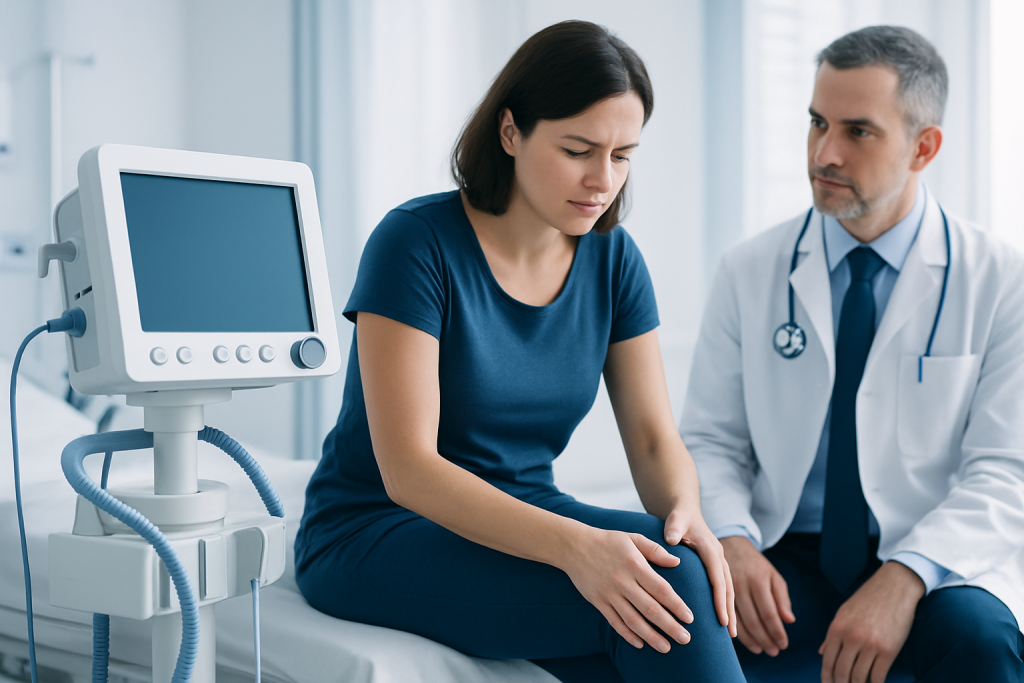
Leg pain linked to periods can feel dull, heavy, crampy, aching, or occasionally sharp. Some people notice it mainly in the upper legs or thighs, while others feel it lower down in the calves or behind the knees. It may come and go with the worst cramps or remain present for one to three days of bleeding.
It is also common for the legs to feel tired or weak when pelvic pain is intense. Back pain, abdominal cramping, nausea, bloating, headache, and fatigue often travel with it because period symptoms tend to cluster together rather than appear alone.
Patterns that are less typical include pain only in one leg, pain with swelling, numbness, redness, or difficulty bearing weight. Those findings may suggest something beyond menstrual cramps and should not be ignored.
- Aching in the thighs during the heaviest cramping
- Pain that improves as the period settles
- General body heaviness or soreness around menstruation
- Worsening pain with standing, walking, or long sitting
Causes & Risk Factors
The most common reason for during periods legs pain is the release of prostaglandins, natural chemicals that help the uterus contract and shed its lining. When prostaglandin levels are higher, contractions can be stronger, and the pain can spread beyond the pelvis into the back and legs.
Another frequent explanation is referred pain. The uterus, lower spine, hips, and legs share nerve pathways, so irritation in one area can be perceived somewhere else. This is why a person may feel “period pain” in the legs even when the legs themselves are not injured.
Sometimes there is a medical cause behind the symptom pattern. Endometriosis, adenomyosis, fibroids, pelvic inflammatory disease, ovarian cysts, and less commonly nerve or spine problems may increase pain during menstruation. Risk may be higher when periods are very heavy, menstrual pain has been present since the first cycles, or pelvic pain also occurs outside the period.
Other factors can make symptoms feel stronger, including stress, poor sleep, reduced physical activity, and smoking. These do not usually cause the pain on their own, but they can make the body more sensitive to discomfort.
Diagnosis
Diagnosis begins with a careful discussion of symptoms rather than a single test. A clinician will usually ask where the pain is felt, how long it lasts, how severe it is, whether it is linked to bleeding, and whether anything makes it better or worse.
A pelvic exam may be recommended depending on age, symptoms, and comfort level. In many cases, imaging such as a pelvic ultrasound is used to look for fibroids, ovarian cysts, or other structural causes. If endometriosis is suspected, the doctor may discuss additional evaluation based on the history and response to treatment.
When the pain pattern is unusual, tests may be done to rule out other conditions. If leg swelling, redness, or shortness of breath are present, urgent assessment may be needed to exclude a blood clot or another non-gynecologic problem. For Myomectomy Recovery for International Patients: The Usual Travel Timeline" class="ahp-ilk">international patients, bringing records of previous scans, prescriptions, and menstrual symptom history can make the appointment more efficient.
Treatment Options
Treatment depends on the cause and the level of impact on daily life. For many people with typical period-related leg pain, symptom control begins with simple measures and, if needed, medicines that reduce cramps and inflammation. When an underlying condition is present, treatment is directed at that cause.
Common medical approaches may include anti-inflammatory pain relief, hormonal treatments to reduce menstrual cramping, or other therapies chosen by a clinician based on the individual’s health history. It is important not to self-start prescription medicines or combine treatments without guidance, especially if there is a history of stomach ulcers, kidney disease, blood-clotting problems, or migraine.
If endometriosis, fibroids, adenomyosis, or another pelvic condition is found, the plan may involve specialist care. That can include long-term hormone management, procedures, or surgery in selected cases. The goal is not only pain relief but also preserving quality of life, fertility goals, and daily function.
In some cases, multidisciplinary care is helpful. Acibadem Health Point’s multidisciplinary specialists and JCI-accredited hospitals diagnose and treat this condition for international patients, with coordination that can support both evaluation and follow-up after travel.
Prevention & Self-care
Not every episode can be prevented, but many people notice meaningful relief from practical self-care. Applying heat to the lower abdomen or lower back may ease cramping, while light movement such as walking, stretching, or gentle yoga can reduce stiffness in the hips and legs.
Staying hydrated, eating regular meals, and resting when symptoms are strongest can also help the body cope with menstrual discomfort. Some people find that keeping a symptom diary reveals patterns, such as pain worsening on heavier-flow days or after long periods of sitting.
For those who travel for care, planning ahead is especially useful. Scheduling appointments outside the heaviest travel days, carrying any recommended medicines in the original packaging, and knowing where to seek urgent help in the destination country can reduce stress if symptoms flare unexpectedly.
- Use heat for short, comfortable periods
- Choose gentle activity rather than complete inactivity when possible
- Track timing, severity, and associated symptoms each month
- Seek a clinician’s advice before using new pain medicines regularly
When to See a Doctor
Medical review is a good idea when leg pain during periods is severe enough to limit walking, work, school, exercise, or sleep. It is also important if the pain is new, steadily worsening, happening outside the period, or not improving with usual self-care.
Prompt assessment is especially important if the pain is one-sided, the leg is swollen or red, there is fever, fainting, unusual vaginal discharge, numbness, weakness, or very heavy bleeding. These symptoms may point to a condition that needs quicker diagnosis rather than routine menstrual care.
A doctor should also be consulted if period pain is affecting fertility plans, if there is pain with intercourse, or if the person suspects endometriosis or fibroids. A focused evaluation can often clarify the cause and help create a treatment plan that is realistic for someone balancing work, family, and travel.
Living With Recurring Period Pain
Recurring period-related leg pain can be frustrating, especially when it appears predictable yet still disrupts everyday life. A structured approach often helps: record the symptom pattern, note what reduces it, and bring that information to the appointment so the discussion stays specific and efficient.
If the pain is part of a broader menstrual problem, treatment can take time to fine-tune. That does not mean the symptom should simply be accepted. Many people improve when the underlying cause is identified and the management plan is matched to their needs, whether that means medication, further testing, or specialist care.
For people seeking evaluation across borders, clear communication is valuable. A concise symptom timeline, previous imaging, and a list of tried treatments can help the care team move from uncertainty to a practical plan more quickly.
Frequently asked questions
01Is leg pain during periods normal?
It can be, especially when it occurs with menstrual cramps and feels like an ache in the thighs or calves. If the pain is severe, one-sided, or getting worse, it should be assessed by a clinician.
02Why do period cramps go into the legs?
Pain from the uterus can be felt in nearby areas because of shared nerve pathways. Hormone-like substances called prostaglandins also make the uterus contract more strongly, which can increase referred pain.
03Can endometriosis cause leg pain during periods?
Yes, endometriosis can sometimes cause pelvic pain that spreads to the legs, especially if it affects nerves or nearby tissues. Persistent pain, pain outside the period, or pain with intercourse may raise suspicion and should be evaluated.
04What can help leg pain during a period at home?
Heat, gentle stretching, short walks, hydration, and rest can help some people. Over-the-counter pain relief may also help, but it is best to use medicines according to a doctor’s advice and the package instructions.
05When is period leg pain an emergency?
Seek urgent medical care if one leg becomes swollen, red, warm, or very painful, or if leg pain comes with shortness of breath, chest pain, fainting, or pregnancy. These symptoms may not be related to normal menstrual cramps.
06Should I see a gynecologist for recurring leg pain with periods?
Yes, especially if it happens often or affects daily activities. A gynecologist can check for common causes and decide whether imaging or other tests are needed.
This article is for general information only and is not a substitute for professional medical advice. Please consult a qualified doctor about your individual situation.
Persistent digestive symptoms? Get evaluated in Turkey
JCI-accredited · board-certified surgeons · reply within 24h
Add us as a Preferred Source to see more of our trusted health content across Google Search, AI Overviews and Discover.