Dry Socket Symptoms Explained: Common Triggers and Red Flags

Dry socket symptoms most often appear one to three days after a tooth extraction and usually include increasing pain rather than steady improvement. Common clues are pain that spreads to the ear or jaw, bad breath, an unpleasant taste, and an empty-looking socket where the blood clot should be.
Overview: What Dry Socket Symptoms Usually Mean
Dry socket symptoms usually mean that the blood clot protecting the extraction site has broken down, dissolved, or been displaced too early. This clot is an important part of normal healing after a tooth is removed. When it is lost, the underlying bone and nerves can become exposed, causing significant pain and delaying recovery.
The condition is also called alveolar osteitis. It is most commonly seen after wisdom tooth removal, but it can happen after other extractions as well. Unlike the normal soreness expected after a dental procedure, dry socket pain tends to become stronger after the first day or two instead of gradually improving.
Knowing the pattern of symptoms can help patients recognize when healing is not following the usual course. Many people describe a sudden increase in deep, throbbing pain along with a bad taste or odor from the mouth. Although uncomfortable, dry socket can usually be treated effectively by a dentist or oral surgeon.
What Dry Socket Feels Like: Common Symptoms and Red Flags

The most common dry socket symptom is pain that becomes worse one to three days after a tooth extraction. Instead of feeling less sore each day, the pain often intensifies and may feel deep, sharp, throbbing, or aching. It can spread from the extraction site to the jaw, ear, temple, or neck on the same side.
Another common sign is an extraction site that looks empty or unusually open. In normal healing, the socket is covered by a dark blood clot. With dry socket, that clot may be missing, and a pale or whitish area of bone may be visible. Patients may also notice bad breath or an unpleasant taste that does not improve with gentle mouth care.
Symptoms that commonly suggest dry socket include:
- Increasing pain after initial improvement
- Pain that radiates to the ear, eye, temple, or jaw
- An empty-looking socket or loss of the blood clot
- Bad breath or foul taste in the mouth
- Tenderness around the extraction area
Not every extraction-site pain is dry socket. Mild swelling, light bleeding, and temporary discomfort are common after dental work. What makes dry socket different is the timing and severity: the pain often escalates after the procedure rather than steadily settling down.
Common Triggers and Risk Factors

Dry socket develops when the blood clot at the extraction site does not stay in place long enough to protect the wound. This can happen for several reasons. Smoking and tobacco use are among the best-known risk factors because they can reduce blood flow, affect healing, and the suction involved may disturb the clot.
Other common triggers include forceful spitting, drinking through a straw, vigorous rinsing too soon after extraction, or touching the area repeatedly with the tongue or fingers. Difficult extractions, especially impacted wisdom teeth, may also raise the risk because the surrounding tissues can be more irritated and healing may be more complex.
Some people may have a higher chance of dry socket due to personal or medical factors. These can include poor oral hygiene, previous dry socket, oral infections around the tooth, or hormonal influences such as the use of estrogen-containing medications. A dentist may also consider whether underlying gum disease or inflammation is present, including conditions linked with gum disease.
Risk factors do not mean a person will definitely develop dry socket. Many patients with one or more risk factors heal normally. Still, understanding these triggers can help patients protect the blood clot and lower the chance of complications after tooth removal.
How Dry Socket Differs From Normal Healing
After a tooth extraction, some discomfort is expected. The area may feel sore, tender, or slightly swollen for the first day or two. This usually improves gradually with time, rest, and the aftercare instructions given by the dentist. Mild oozing or a small amount of blood-tinged saliva can also be normal early on.
Dry socket follows a different pattern. Instead of steady improvement, there is often a turning point when pain gets worse. Patients may feel that healing had started normally, only for the extraction site to become much more painful after 48 to 72 hours. That delayed worsening is one of the most useful clues.
Dry socket also usually does not cause the same pattern as a spreading infection. Fever, marked facial swelling, pus, or difficulty swallowing are not classic features of dry socket alone and may point to another problem that needs prompt assessment. In some cases, a dentist may evaluate the area for related concerns such as tooth abscess or other post-extraction complications.
How Dentists Diagnose Dry Socket
Dry socket is usually diagnosed based on the patient’s symptoms, the timing after extraction, and a clinical examination of the socket. The dentist will ask when the pain started, whether it is getting worse, and whether it radiates to the ear or jaw. They may also ask about smoking, rinsing habits, or any events that might have disturbed the clot.
During the exam, the dentist looks for a missing or partially missing blood clot, exposed bone, and signs of local irritation. This is often enough to confirm the diagnosis. In many cases, no complex testing is necessary, especially when the history and appearance are typical.
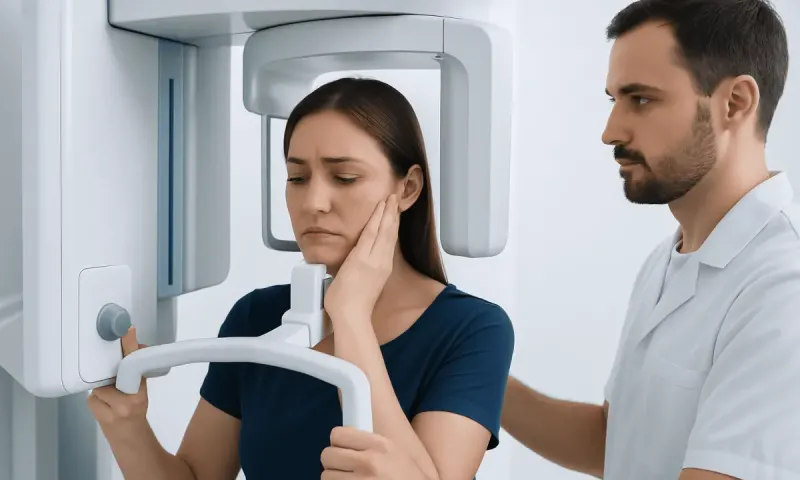
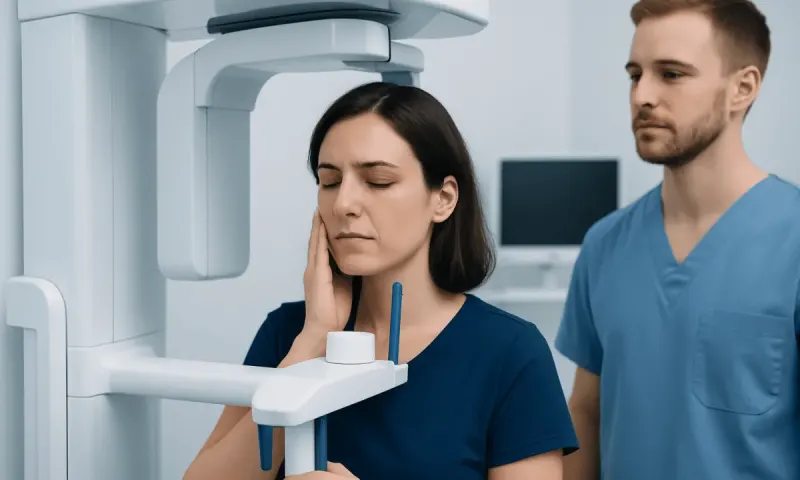
If symptoms are unusual or more severe than expected, imaging may be used to rule out other causes. The dentist may consider problems such as retained root fragments, infection, or nearby dental disease. Evaluation can also help determine whether a patient needs additional care such as dental implant planning later if a missing tooth is being restored after healing.
Treatment Options and Pain Relief
Dry socket treatment focuses on relieving pain, keeping the socket clean, and supporting natural healing. A dentist may gently rinse the area to remove debris, then place a medicated dressing inside the socket. This dressing can help protect exposed tissue and reduce pain, though it may need to be changed over the next few days depending on symptoms.
Pain relief may also include appropriate over-the-counter or prescribed medicines, depending on the individual’s needs and medical history. Patients should only use medicines as directed by a qualified clinician. Antibiotics are not always needed for dry socket itself unless there is evidence of infection or another condition requiring treatment.
At home, patients are usually advised to continue careful oral hygiene while avoiding actions that could disturb healing. Warm saltwater rinses may be recommended after the first day if advised by the dentist. If the extraction was part of a broader dental care plan, the clinician may also discuss future options such as oral and dental health follow-up or restorative care once the area has healed.
Most people feel meaningful relief soon after proper treatment begins, but complete healing still takes time. Follow-up is important if pain returns, dressings fall out, or symptoms do not improve as expected.
Prevention and Self-Care After a Tooth Extraction
The best way to reduce the risk of dry socket is to protect the blood clot during the first days after extraction. Patients should follow all aftercare instructions carefully, especially those related to smoking, rinsing, eating, and activity. Rest and good hydration can support healing, while smoking cessation is especially important because tobacco can interfere with clot stability and tissue recovery.
Simple habits can make a difference. It is usually wise to avoid drinking through a straw, forceful spitting, and vigorous swishing right after the procedure. Soft foods may be more comfortable at first, and chewing on the opposite side of the mouth can help protect the area. Good oral hygiene remains important, but the extraction site should be cleaned only as instructed.
If the tooth was removed because of advanced damage or disease, ongoing dental care matters too. Managing decay, gum health, and bite problems may reduce the need for future extractions. For some patients, longer-term restoration may involve options such as All-on-4 dental implants when appropriate and after full healing.
When to Seek Medical Care
A patient should contact a dentist or oral surgeon if pain becomes worse two to three days after an extraction, especially if it spreads to the ear, jaw, or temple. Care is also important if there is a bad taste, bad breath, or an empty-looking socket where the clot seems to be missing. Early assessment can bring faster pain relief and help rule out other causes.
Urgent medical or dental attention is needed if there is heavy bleeding, fever, significant facial swelling, trouble swallowing, or difficulty breathing. These symptoms are not typical of simple dry socket and may suggest infection or another complication.
For international patients who need assessment and treatment, Acıbadem Health Point’s multidisciplinary specialists in JCI-accredited hospitals diagnose and manage dental conditions with individualized care plans. Regardless of where treatment is received, worsening symptoms after extraction should not be ignored.
Frequently asked questions
01How soon do dry socket symptoms start?
Dry socket symptoms usually begin one to three days after a tooth extraction. Many people notice that the area seemed to be healing at first, then the pain becomes more intense instead of improving.
02What does dry socket pain feel like?
Dry socket pain is often described as deep, throbbing, or sharp pain coming from the extraction site. It may spread to the ear, temple, or jaw on the same side, which makes it different from mild routine soreness.
03Can dry socket heal on its own?
Dry socket will usually heal over time, but it can be very painful without treatment. Dental care can ease discomfort, clean the area, and support more comfortable healing.
04Does bad breath always mean dry socket?
No, bad breath alone does not always mean dry socket. However, bad breath or an unpleasant taste combined with increasing pain and an empty-looking socket can be a strong clue that the extraction site should be checked.
05Who is more likely to get dry socket?
People who smoke, have difficult extractions, disturb the blood clot early, or have had dry socket before may be at higher risk. Wisdom tooth removal is a common setting for this complication, although it can happen after other extractions too.
06Is dry socket an infection?
Dry socket is not the same thing as an infection. It is mainly a problem with loss of the protective blood clot, although a dentist may still need to check for infection if there is fever, pus, or significant swelling.
This article is for general information only and is not a substitute for professional medical advice. Please consult a qualified doctor about your individual situation.
Explore treatments in Turkey — costs, top hospitals & a free quote
JCI-accredited · board-certified surgeons · reply within 24h
Add us as a Preferred Source to see more of our trusted health content across Google Search, AI Overviews and Discover.