Why Does My Jaw Feel Tight and How Is It Treated?
Jaw tightness is commonly related to overworked jaw muscles, stress, clenching or irritation of the temporomandibular joint (TMJ). It often improves with simple measures, but persistent, severe or sudden symptoms—especially with chest discomfort, breathing difficulty or facial weakness—should be assessed promptly.
Why Does My Jaw Feel Tight?
Jaw tightness is often harmless and temporary. Many people notice it after clenching their teeth during stress, chewing gum, eating tough foods, yawning widely, or sleeping with the jaw muscles tense. The muscles around the jaw can become fatigued in much the same way as other muscles after overuse.
A frequent explanation is irritation of the temporomandibular joint, usually called the TMJ. This is the joint in front of each ear that connects the lower jaw to the skull. Tightness may also come from teeth grinding, dental problems, sinus or ear discomfort, or less commonly a neurological or medical condition.
Most mild jaw tightness settles with rest and attention to possible triggers. However, sudden jaw discomfort with chest pressure or pain, shortness of breath, sweating, nausea, dizziness, or pain spreading to the arm, shoulder, back or neck can be a sign of a heart emergency and needs immediate medical assessment.
How Jaw Tightness May Feel
People describe jaw tightness in different ways. The jaw may feel stiff, tired, difficult to relax, or as though it does not open as widely as usual. Symptoms can affect one or both sides and may be most noticeable on waking, after meals, during stressful periods, or after prolonged talking.
When jaw muscles or the TMJ are involved, tightness may occur alongside aching near the cheeks, temples or ears. Some people experience jaw clicking, popping or grating, a brief catching sensation, headaches, neck tension, tooth sensitivity, or a change in how the teeth meet.
Not every jaw sound or occasional tight feeling indicates a serious problem. A click without pain or limitation is common. It is more important to seek advice when symptoms are persistent, worsening, interfere with eating or speaking, or occur with swelling, fever, injury, numbness or weakness.
- Muscle-related tightness often feels worse after clenching, chewing or stress.
- TMJ-related symptoms may include pain in front of the ear and reduced jaw movement.
- Dental causes may produce localized tooth pain, gum swelling or sensitivity to hot and cold.
- Jaw symptoms linked to heart problems may occur with other whole-body symptoms and should never be ignored.
Common Causes and Risk Factors

Clenching and grinding the teeth, known as bruxism, are among the most common causes of tight jaw muscles. These habits may happen during the day or while asleep, and they can be linked with stress, anxiety, sleep disruption, caffeine use, alcohol use, smoking, some medicines, or an uneven bite. People may not realize they grind their teeth until a dentist notices tooth wear or a partner hears grinding at night.
Temporomandibular disorders are a group of conditions affecting the jaw joints and surrounding muscles. They can develop after repetitive strain, joint inflammation, jaw injury, arthritis, or changes in the way the teeth fit together. The term is broad and does not always mean that there is structural damage. Read more about temporomandibular joint disorder.
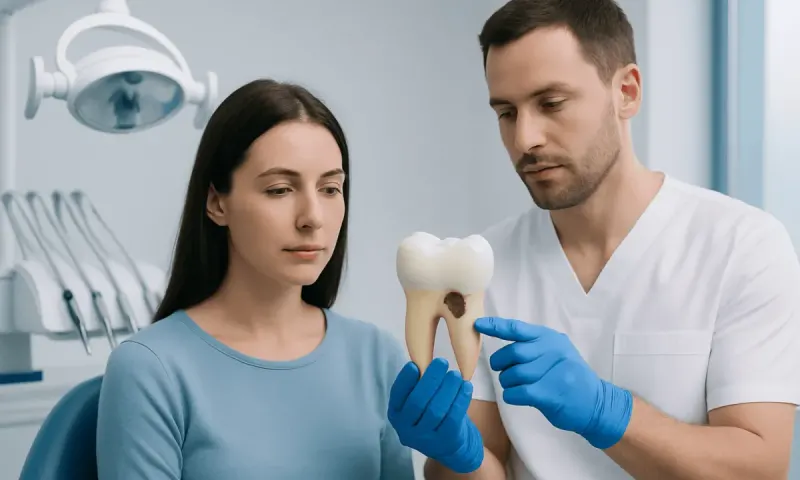
Other potential causes include an infected tooth or gum, impacted wisdom teeth, facial injury, sinus congestion, ear conditions and certain headache disorders. Stiffness can also follow dental treatment when the mouth has been held open for a long time. Rarely, jaw tightness is associated with muscle, nerve or movement disorders, so a clinician may ask about additional symptoms such as tremor, spasms, trouble swallowing or changes in speech.
Risk factors include high stress, poor sleep, frequent gum chewing, nail biting, chewing ice, repeatedly resting the chin on the hand, and eating a diet that regularly demands forceful chewing. Joint hypermobility, arthritis and previous trauma to the jaw can also contribute.
What a Doctor or Dentist Will Check
Assessment begins with a careful history. A clinician will ask when the tightness began, whether it is constant or intermittent, what makes it better or worse, and whether there is pain, clicking, locking, injury, tooth symptoms, headaches or sleep-related grinding. They will also ask about general symptoms that could point to infection, an inflammatory condition or, when relevant, a cardiac cause.
During the examination, the clinician may measure how far the mouth opens, observe the jaw while it moves, and gently feel the jaw muscles and joints for tenderness. The teeth, gums, ears, face and neck may be examined. A dental professional can look for worn teeth, cracked fillings, gum disease, bite changes and signs of nighttime grinding.
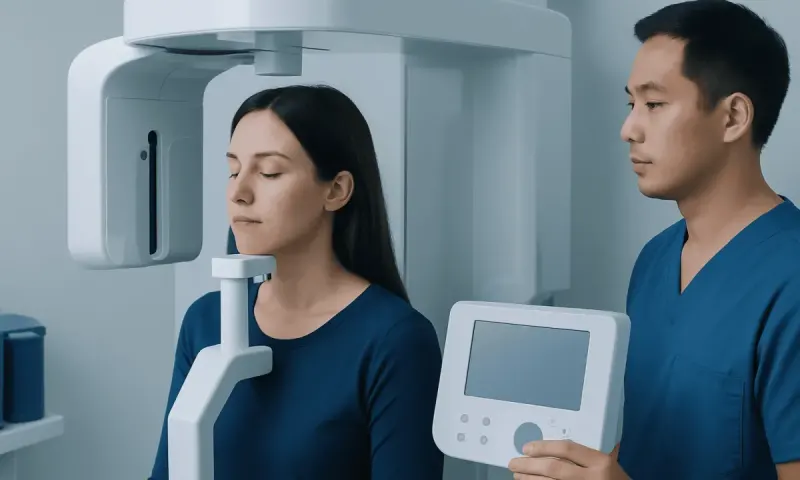
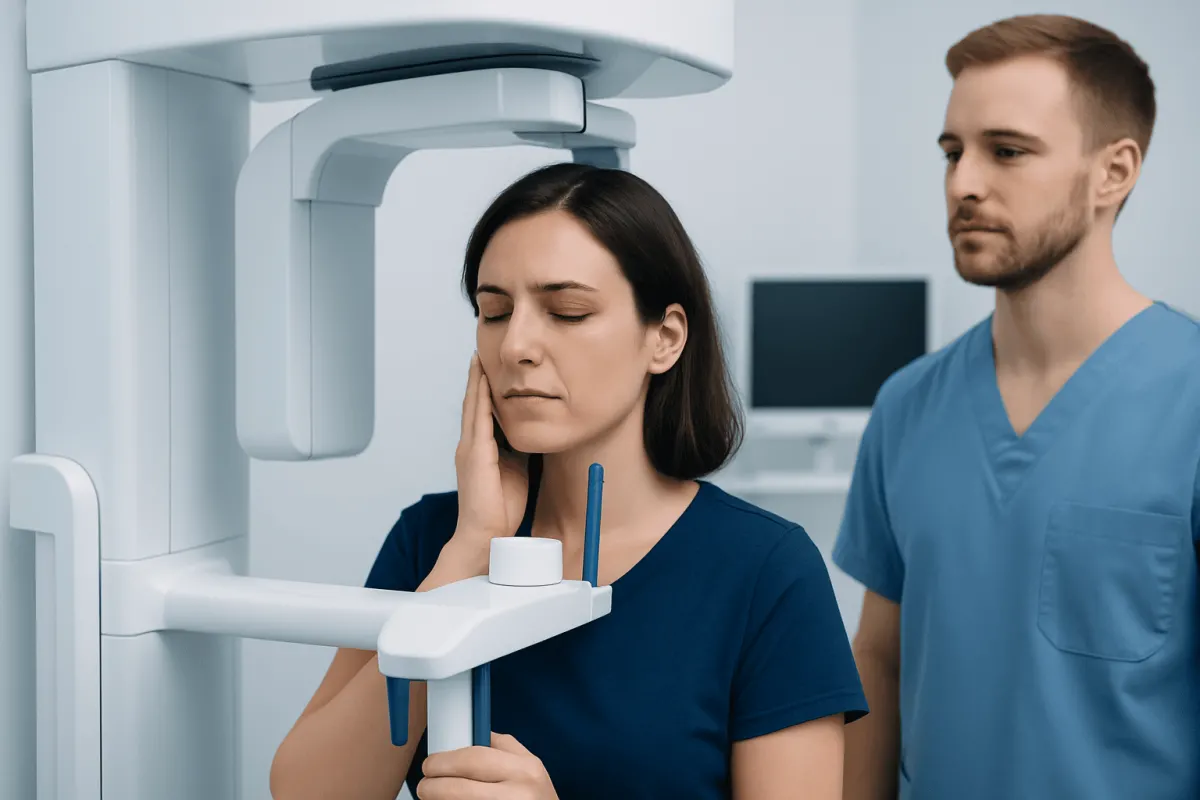
Imaging is not needed for every person with jaw tightness. X-rays may be used when a dental cause, fracture or joint change is suspected. Depending on the symptoms, a doctor may recommend other imaging, such as MRI for soft tissues of the joint, or blood tests if infection or systemic inflammation is a concern.
Chest symptoms, exertional jaw discomfort or risk factors for cardiovascular disease may lead to urgent heart assessment. This can include an electrocardiogram and blood tests, because heart-related symptoms do not always present as typical chest pain.
Treatment and Everyday Relief
Treatment depends on the cause. For mild muscle or TMJ-related tightness, conservative care is usually the first step. This may include temporarily choosing softer foods, taking smaller bites, avoiding gum and very chewy foods, and avoiding wide yawning when possible. The aim is to reduce strain while the muscles and joint settle.
A warm compress applied to the side of the face may help relax tense muscles. Gentle jaw range-of-motion exercises can be useful when recommended by a dentist, doctor or physiotherapist, but forceful stretching should be avoided because it can aggravate pain. Relaxation practices, regular sleep and addressing stress can be especially helpful when clenching is a trigger.
A dentist may recommend a custom night guard for selected people who grind their teeth. This can help protect the teeth and may reduce strain, though it should be professionally fitted and reviewed. Pain relief medicines or anti-inflammatory medicines may be appropriate for some people, but a clinician or pharmacist should advise on safe choices based on the person’s health history and other medicines.
Persistent symptoms may benefit from targeted care such as dental treatment for an infected or damaged tooth, physiotherapy for jaw and neck function, or specialist evaluation. TMJ treatment plans are individualized and commonly begin with non-surgical approaches. Surgery is uncommon and is generally considered only for specific structural joint problems after thorough assessment.
Prevention and Self-Care Habits
Small daily changes can reduce recurrent jaw tightness. Keeping the teeth slightly apart when not eating is a useful resting position; the lips can be closed, but the upper and lower teeth do not need to touch. A simple reminder placed on a phone or computer can help identify daytime clenching.
It may help to limit gum chewing, hard candies, ice chewing and foods that require prolonged, forceful chewing during a flare. Good posture can also matter: prolonged forward-head posture, such as while looking down at a phone, may increase neck and jaw muscle tension. Taking regular screen breaks and supporting the head and neck comfortably may ease strain.
For suspected sleep-related grinding, prioritizing regular sleep and discussing snoring, pauses in breathing, daytime sleepiness or unrestful sleep with a clinician is sensible. Sleep problems can contribute to bruxism in some people. Regular dental checkups can identify early tooth wear and other oral health concerns.
Self-care should not replace assessment for severe pain, significant limitation in opening the mouth, facial swelling, fever or symptoms that do not improve. Repeated jaw locking or a major change in bite also deserves professional review.
When to Seek Medical Care
Urgent emergency care is needed for jaw pain or tightness accompanied by chest pain or pressure, shortness of breath, cold sweats, nausea, faintness, unusual fatigue, or pain spreading to the arm, back, shoulder or neck. This is particularly important if symptoms begin with exertion or are new in someone with heart disease risk factors. It is safer to seek emergency evaluation rather than trying to determine the cause at home.
Prompt dental or medical advice is appropriate for swelling of the face or gums, fever, severe toothache, pus or a bad taste in the mouth, difficulty swallowing, trouble breathing, or inability to open the mouth normally. These symptoms can indicate infection or another condition requiring timely treatment.
A non-urgent appointment with a dentist or doctor is recommended when jaw tightness lasts more than a few weeks, keeps returning, disrupts sleep, causes headaches or tooth damage, or is associated with clicking and pain, locking, numbness or a changing bite. A qualified clinician can identify the likely cause and recommend appropriate next steps.
Acıbadem Health Point’s multidisciplinary specialists and JCI-accredited hospitals can assess and treat jaw-related concerns for international patients when coordinated dental, medical or imaging care is needed.
Frequently asked questions
01Can stress make the jaw feel tight?
Yes. Stress can lead to unconscious daytime clenching and nighttime teeth grinding, which overwork the jaw muscles. Stress management, sleep support and learning to keep the teeth apart at rest may help reduce this pattern.
02Why is my jaw tight when I wake up?
Morning jaw tightness can suggest sleep-related teeth grinding or clenching. It can also occur with poor sleep, muscle tension or certain sleep-related breathing problems. A dentist can check for tooth wear and discuss whether further assessment is needed.
03Can a TMJ problem cause jaw tightness without pain?
Yes. Some people with TMJ-related muscle or joint dysfunction mainly notice stiffness, clicking or restricted movement rather than pain. Persistent tightness, repeated locking or difficulty opening the mouth should be evaluated by a dentist or doctor.
04Should I use heat or ice for a tight jaw?
Warmth often feels helpful for muscle tension because it can promote relaxation. A cool pack may be more comfortable shortly after an injury or when there is noticeable swelling. The pack should be wrapped in cloth and used for short periods to protect the skin.
05How long should jaw tightness last?
Mild tightness caused by temporary muscle strain may improve over days to a couple of weeks with rest and reduced jaw strain. If it persists beyond a few weeks, returns often, or affects normal eating, speaking or sleep, professional assessment is appropriate.
06Can jaw tightness be related to a heart problem?
Jaw discomfort can occasionally be part of a heart attack or other urgent heart condition, especially when it occurs with chest pressure, breathlessness, sweating, nausea, dizziness or exertion. Emergency care is needed if these symptoms occur, even if the jaw is the main area of discomfort.
This article is for general information only and is not a substitute for professional medical advice. Please consult a qualified doctor about your individual situation.
Persistent digestive symptoms? Get evaluated in Turkey
JCI-accredited · board-certified surgeons · reply within 24h
Add us as a Preferred Source to see more of our trusted health content across Google Search, AI Overviews and Discover.