Jaw Swelling: Common Causes and Urgent Warning Signs
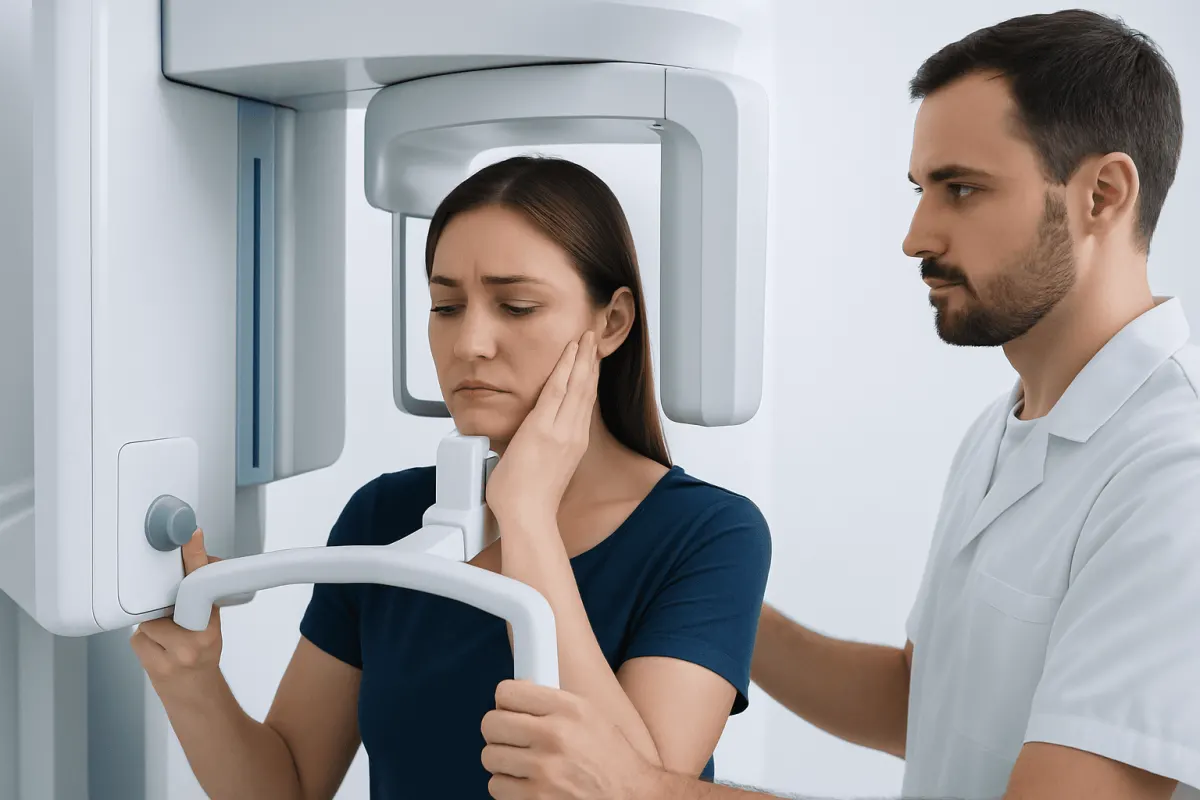
Jaw swelling can result from a tooth or gum problem, a blocked salivary gland, an injury, an allergic reaction, or less commonly another medical condition. The pattern of symptoms—such as pain, fever, tooth sensitivity, or difficulty swallowing—helps guide the next steps, and certain warning signs need prompt medical attention.
What jaw swelling can mean
Jaw swelling means enlargement or puffiness around the lower face, jawline, cheek, or area beneath the chin. It may develop suddenly or gradually, affect one side or both sides, and feel soft, firm, tender, warm, or painless. The cause cannot always be identified by appearance alone, but associated symptoms often provide useful clues.
Many cases are related to teeth, gums, or saliva-producing glands. For example, a tooth infection may cause localized pain and swelling near a particular tooth, while a blocked salivary duct may cause swelling that becomes more noticeable during meals. Injury, skin inflammation, medication reactions, and enlarged lymph nodes can also contribute.
Jaw swelling is not a diagnosis by itself. A dentist, doctor, or oral and maxillofacial specialist can assess where the swelling begins, how quickly it has changed, and whether infection or another underlying problem is present. Early assessment is particularly important when swelling is increasing or accompanied by general illness.
Symptoms that help identify the cause
The symptoms that occur alongside a swollen jaw can help narrow down likely explanations. Dental-related swelling may be accompanied by toothache, sensitivity to hot or cold foods, gum redness, pain when biting, loose teeth, or a bad taste in the mouth. An abscess can sometimes form a visible or tender lump on the gum or near the jaw.
Salivary gland swelling may occur near the ear, under the jaw, or beneath the tongue. It can be painful, especially when eating or thinking about food, because saliva production increases at these times. Dry mouth, cloudy saliva, or drainage into the mouth may occur if there is a blockage or infection.
Other useful details include fever, fatigue, sore throat, ear pain, rash, recent dental work, a facial injury, or new medication or food exposure. Painless swelling that persists for several weeks should also be assessed, even if there is no fever or significant discomfort.
- One-sided pain and tooth sensitivity may point to a dental problem.
- Swelling that worsens with meals may suggest a salivary gland or duct issue.
- Bruising, tenderness, or altered bite after a blow to the face may indicate injury.
- Itching, hives, or rapid swelling of the lips or tongue may signal an allergic reaction.
Common causes and risk factors

Dental decay and gum disease are among the most frequent causes of jaw swelling. Bacteria can enter the inner part of a damaged tooth or collect below the gumline, leading to an infection or abscess. Poor oral hygiene, untreated cavities, cracked teeth, gum disease, and delayed dental care can increase this risk. A dental abscess requires prompt professional evaluation because the infection may spread beyond the tooth and gums.
Salivary gland conditions are another important cause. A salivary stone can block the flow of saliva, leading to intermittent swelling and pain. Dehydration, some medicines that cause dry mouth, and reduced saliva flow may make blockage more likely. Viral or bacterial infections, autoimmune conditions, and rarely growths in the salivary glands may also cause enlargement.
Injury can cause swelling from bruising, soft-tissue inflammation, or a fracture of the jaw. Skin infections, inflamed cysts, and swollen lymph nodes related to throat, ear, or upper respiratory infections may also be felt around the jaw. Less commonly, persistent swelling may be linked to noncancerous or cancerous conditions of the mouth, jawbone, lymph nodes, or salivary glands.
Risk factors vary by cause. Smoking and tobacco use can worsen gum disease and raise the risk of oral conditions. Poorly controlled diabetes can make infections harder to manage. Recent dental procedures, immune-suppressing medicines, and previous radiation treatment to the head and neck should be shared with a clinician when jaw swelling develops.
How jaw swelling is assessed
A clinician will usually begin by asking when the swelling started, whether it is getting larger, and what symptoms are present. They may ask about recent tooth problems, dental treatment, injury, illnesses, medicines, allergies, travel, and previous episodes. Fever, pain severity, ability to eat and drink, and changes in breathing or swallowing are important parts of the assessment.
The examination may include the face, jaw joints, mouth, teeth, gums, tongue, throat, neck, and salivary gland areas. The clinician may gently feel the swelling to check for warmth, tenderness, firmness, fluctuance, or enlarged lymph nodes. A dentist may also test individual teeth and evaluate the gums and bite.
Imaging is selected based on the suspected cause. Dental X-rays can identify decay, abscesses, or jawbone changes. Ultrasound can be useful for salivary gland swelling or superficial lumps, while CT or MRI may be considered when deeper infection, injury, a complex gland problem, or a persistent mass is suspected. Blood tests or a sample of drainage may occasionally help identify infection or inflammation.
Treatment options depend on the cause
Treatment for jaw swelling aims to address the underlying problem rather than simply reduce the visible swelling. If a tooth infection is present, a dentist may need to drain the infection and treat the affected tooth. Depending on the tooth and surrounding tissues, this can involve procedures such as root canal treatment or removal of a tooth that cannot be restored. Antibiotics may be used when clinically appropriate, particularly if infection is spreading or there are systemic symptoms, but they do not replace dental treatment when a source inside a tooth remains.
For salivary gland blockage, clinicians may recommend hydration and measures to stimulate saliva flow when safe and appropriate. Persistent stones may require removal or a procedure to restore duct drainage. If a bacterial gland infection is diagnosed, medical treatment may include antibiotics and supportive care; an abscess may need drainage.
Jaw injury is treated according to its severity. Minor soft-tissue injuries may improve with rest and cold packs, while suspected fractures need urgent clinical and imaging assessment. Skin infections and inflamed cysts may require medicines, drainage, or both. Persistent unexplained lumps may need specialist review and, in some cases, a biopsy to establish a diagnosis.
For patients seeking coordinated assessment, Acıbadem Health Point’s multidisciplinary specialists and JCI-accredited hospitals diagnose and treat jaw swelling causes for international patients. The appropriate care pathway may involve dentistry, ear, nose and throat care, oral and maxillofacial surgery, or other specialties depending on the findings.
Supportive care while arranging assessment
For mild swelling without emergency warning signs, temporary comfort measures can be helpful while arranging dental or medical advice. Applying a cool compress to the outside of the face for short periods may reduce discomfort after minor injury or inflammation. Drinking adequate fluids is also sensible unless a clinician has advised fluid restriction for another health condition.
Over-the-counter pain relief may be appropriate for some adults, but it should be used only as directed on the label and with attention to personal health conditions, allergies, and other medicines. A pharmacist or clinician can advise if there is uncertainty. Soft foods and avoiding chewing on the painful side may help until the cause is assessed.
It is important not to squeeze, puncture, or try to drain a swollen area at home. Heat should not be used over a suspected dental or facial infection unless advised by a clinician, as it may worsen inflammation in some situations. Leftover antibiotics should not be taken without medical guidance, because the wrong medicine or duration may delay proper treatment and contribute to antibiotic resistance.
Maintaining regular brushing with fluoride toothpaste, cleaning between teeth, attending routine dental visits, staying hydrated, and avoiding tobacco support oral and salivary gland health. These steps can reduce some risks but cannot prevent every cause of jaw swelling.
When to seek medical care
Urgent medical care is needed for jaw swelling with difficulty breathing, swallowing, speaking, or managing saliva. Emergency assessment is also important if swelling is rapidly expanding, involves the tongue, lips, floor of the mouth, or neck, or is accompanied by confusion, severe weakness, or signs of a serious allergic reaction such as hives and wheezing.
A same-day dental or medical assessment is advisable for swelling with fever, significant tooth pain, pus, a foul taste, facial redness, worsening pain, difficulty opening the mouth, or swelling after a dental procedure. These features can occur with infections that may need prompt treatment.
Arrange a non-urgent appointment if swelling lasts more than a few days, keeps returning, is painless but persistent, or occurs with Weight Loss: Possible Causes and Medical Evaluation" class="ahp-ilk">unexplained weight loss, numbness, a mouth sore that does not heal, or a change in voice. Seeking assessment does not mean a serious cause is likely; it is a practical way to identify the source and receive appropriate care.
Frequently asked questions
01Can a tooth infection cause jaw swelling?
Yes. Infection inside a tooth or around its root can create an abscess and cause swelling in the gums, cheek, or jaw. Dental treatment is needed to remove or control the source of infection; pain relief alone will not resolve it.
02Why does my jaw swell when I eat?
Swelling that becomes worse during meals can occur when a salivary duct is blocked, often by a salivary stone. As saliva production rises, pressure can build behind the blockage. A clinician can assess the salivary glands and recommend appropriate treatment.
03Should jaw swelling be treated with antibiotics?
Antibiotics are useful for some bacterial infections, but they are not needed for every type of jaw swelling. For a dental abscess, the infected tooth often needs direct dental treatment as well. A dentist or doctor should decide whether antibiotics are appropriate.
04How long does jaw swelling last?
The duration depends on the cause. Mild swelling after a minor injury or dental procedure may begin improving over a few days, while untreated infection or a salivary blockage can persist or worsen. Swelling that does not improve, returns, or increases should be checked by a healthcare professional.
05Can stress cause a swollen jaw?
Stress can contribute to jaw clenching and muscle tension, which may cause jaw pain, tightness, or tenderness. However, visible facial or jaw swelling should not automatically be attributed to stress, especially when there is fever, tooth pain, or a localized lump. A clinical assessment can help identify the cause.
06Is jaw swelling ever an emergency?
Yes. It is an emergency if it affects breathing or swallowing, rapidly spreads, involves the tongue or neck, or occurs with severe allergic symptoms. Prompt emergency assessment is also important for severe infection symptoms, such as rapidly worsening swelling with fever and inability to open the mouth normally.
This article is for general information only and is not a substitute for professional medical advice. Please consult a qualified doctor about your individual situation.
Explore treatments in Turkey — costs, top hospitals & a free quote
JCI-accredited · board-certified surgeons · reply within 24h
Add us as a Preferred Source to see more of our trusted health content across Google Search, AI Overviews and Discover.