

Does Water Stop Period Flow?
- 9 min read
- Published November 26, 2026
Key Takeaways
- Water does not end menstruation or stop the uterus from shedding its lining.
- Bleeding may appear reduced in a bath or pool because water pressure can slow visible flow temporarily.
- A tampon, menstrual cup, or period underwear can help manage periods during swimming or bathing.
- Sudden changes in period flow, heavy bleeding, or severe pain should be discussed with a clinician.
- Most menstrual changes are common and manageable, but persistent irregularity deserves medical review.
Water does not stop a period from happening, but menstrual flow can look lighter or seem paused in water because of pressure and movement. The underlying bleeding usually continues once the body is out of the water.
Overview
Does water stop period flow? No, water does not stop a period in the sense of ending menstruation or preventing the uterus from shedding its lining. What many people notice is that menstrual blood may seem to slow, disperse, or become less visible in a bath or pool because of water pressure and the way fluid moves around the body.
That distinction matters. A person may feel as if bleeding has “paused” while in water, yet the menstrual cycle itself is still active. Once out of the water, the flow may become visible again. For most people, this is a normal and expected effect, not a sign that something is wrong.
In day-to-day life, this question often comes up when planning travel, exercise, swimming, or a work trip where access to private changing areas may be limited. Understanding what water can and cannot do makes it easier to prepare calmly and choose the menstrual products that feel most comfortable and practical.
Why Period Blood Can Seem to Stop in Water
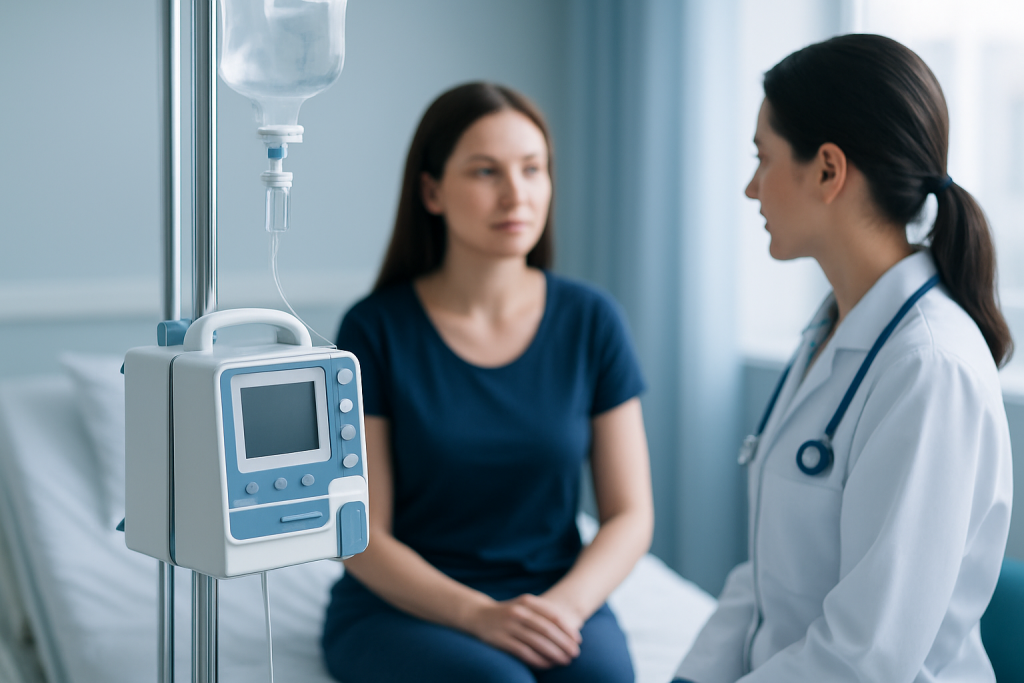
Blood does not simply “turn off” in water. Instead, the surrounding water creates external pressure that can temporarily make it harder for menstrual blood to leave the vagina in a noticeable stream. This can give the impression that the period has stopped, especially in a bathtub or swimming pool.
Movement also plays a part. When someone is relaxed and immersed, the body may not be straining or contracting in the same way it does when standing, walking, or sitting upright. As a result, the flow can seem lighter, even though the uterus continues its normal shedding process.
It is also worth remembering that the amount of visible blood does not always reflect the whole picture. Menstrual flow naturally varies from hour to hour and day to day. Many people notice that their heaviest flow is not constant; it can come in waves, regardless of water exposure.
Symptoms and What Is Normal During a Period
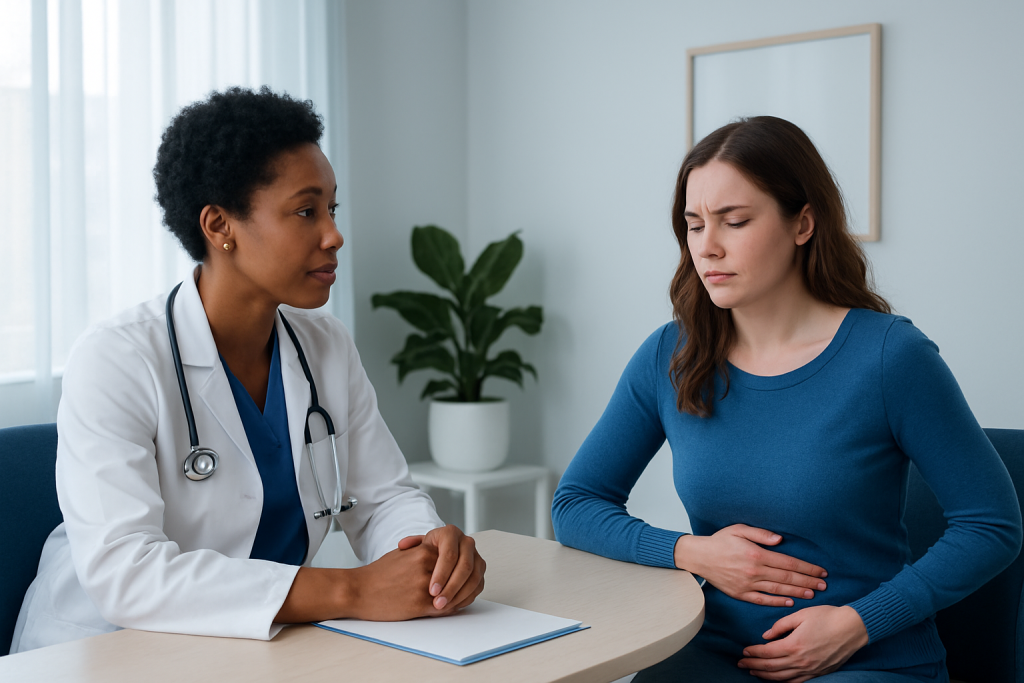
Normal periods can look different from one cycle to the next. Some people have a steady, moderate flow, while others have spotting at first, heavier bleeding for a day or two, and then a lighter finish. Cramping, bloating, mood changes, and breast tenderness can also occur and are common around menstruation.
When a period is in water, the overall experience may feel a little different, but the cycle itself usually follows the same pattern. A person might notice less visible blood, fewer drips, or a temporary feeling of “nothing happening.” That does not mean the period has ended; it usually means the blood is not being seen as easily.
- Flow may look lighter in water than it does on land.
- Cramping can still occur during bathing or swimming.
- Leakage may happen after getting out of the water.
- Periods can remain unpredictable even when they are usually regular.
If bleeding is suddenly much heavier than usual, lasts far longer than expected, or is accompanied by severe pain, that pattern deserves medical attention rather than self-observation alone.
Causes and Risk Factors for Changes in Period Flow
Water itself is not a cause of menstrual changes. It does not stop ovulation, delay the shedding of the uterine lining, or permanently alter hormones. However, many other factors can change how a period looks or feels, and these changes may be noticed at the same time as swimming, travel, or bathing.
Common reasons for changes in menstrual flow include stress, illness, sudden weight changes, intense exercise, hormonal contraception, perimenopause, thyroid problems, and conditions such as polycystic ovary syndrome. Some people also naturally have lighter or heavier periods without an underlying disease.
For international travelers, long flights, time-zone shifts, disrupted sleep, and changes in routine may make cycle timing feel less predictable. A missed or lighter period during travel is often explained by these everyday influences rather than by time spent in water.
Diagnosis: When Menstrual Changes Need a Medical Review
Most people do not need tests simply because their flow seems to slow in water. The more important question is whether the overall menstrual pattern has changed in a way that is unusual for that individual. A clinician may ask about cycle length, bleeding volume, pain, clots, spotting between periods, and any recent changes in health or medication.
Depending on the situation, a doctor may recommend a pregnancy test, blood tests for anemia or hormone concerns, or pelvic imaging. The goal is not to alarm, but to understand whether the change fits within normal variation or suggests a condition that needs treatment.
For patients arranging care from another country, this evaluation often starts with a clear history and may continue with targeted testing. Bringing a menstrual calendar, photos of tracking app notes, and a list of current medications can make the appointment more efficient and helpful.
Treatment Options for Heavy, Irregular, or Painful Periods
There is no treatment for a period that simply seems quieter in water, because that is usually a temporary effect of immersion. Treatment becomes relevant when the menstrual cycle itself is heavy, painful, irregular, or disruptive. In those cases, the right approach depends on the cause and the person’s goals, including whether they want symptom relief, cycle control, or fertility preservation.
Options may include hormonal treatments, non-hormonal medicines, iron replacement if blood loss has caused anemia, or procedures for specific conditions such as fibroids or endometriosis. Many people also benefit from practical adjustments such as choosing the right menstrual product, tracking symptoms, and planning around known heavier days.
When treatment is being planned across borders, follow-up matters. A doctor may advise which symptoms should be monitored at home, when to repeat testing, and how to coordinate care with a local clinician after returning home. That continuity helps keep treatment safe and realistic.
Prevention and Self-care for Swimming, Bathing, and Travel
People who want to swim or bathe during their period usually do not need to avoid water. With the right preparation, most can continue normal activities comfortably. Many choose tampons or menstrual cups for swimming because they sit internally and are designed to collect flow while in use. Period underwear may be useful before and after water activities, though it is not typically used alone for swimming.
Self-care also includes choosing products that match the day’s flow, changing them as recommended by the product instructions, and carrying a spare set of underwear or a backup product when away from home. A dark towel, a discreet pouch, and a simple plan for changing can reduce stress during travel or at a hotel pool.
- Use a menstrual product that suits the activity and flow level.
- Change out of wet swimwear soon after leaving the water.
- Track the cycle if periods are irregular or unexpectedly heavy.
- Stay hydrated and rest if cramps are stronger than usual.
These practical steps do not stop a period, but they can make it easier to manage. For many people, the most useful strategy is not trying to prevent menstruation from existing in water, but learning how to stay comfortable while it continues normally.
When to See a Doctor
A period that looks lighter in water is usually not a concern. Medical advice is more important when bleeding becomes very heavy, lasts longer than expected, happens between periods, or is accompanied by dizziness, fainting, severe pain, or shortness of breath. Those symptoms may point to anemia or another condition that should be assessed.
It is also wise to seek evaluation if periods suddenly become much less regular, if a person may be pregnant, or if bleeding changes after starting a new medication or contraceptive method. Even when symptoms are not urgent, ongoing changes deserve a conversation with a qualified clinician.
For patients seeking care from abroad, a multidisciplinary team can help sort out whether the issue is benign cycle variation or a treatable gynecologic condition. At Acibadem Health Point, multidisciplinary specialists and JCI-accredited hospitals diagnose and treat women’s health concerns for Myomectomy Recovery for International Patients: The Usual Travel Timeline" class="ahp-ilk">international patients with coordinated, respectful care.
Frequently asked questions
01Does water stop period flow completely?
No. Water does not stop menstruation itself. It may only make the blood less visible for a short time because of pressure and how the fluid disperses in water.
02Can someone swim while on a period?
Yes, many people swim during their period without problems. Tampons or menstrual cups are commonly used for swimming, and some people also use period swimwear or backup protection.
03Why does my period seem lighter in the bath?
Immersion can make blood harder to see and may slow visible خروج of blood temporarily. Once out of the bath, the flow often becomes noticeable again.
04Is it normal for period flow to change from day to day?
Yes, menstrual flow often varies across a cycle. It can be heavier on some days and lighter on others, even in people with regular periods.
05When should heavy bleeding be checked by a doctor?
Heavy bleeding should be checked if it is unusually strong, lasts longer than expected, causes dizziness or weakness, or happens with severe pain. A clinician can help identify the cause and suggest treatment.
06Can stress or travel change a period more than water can?
Yes. Stress, long flights, sleep disruption, and routine changes can affect cycle timing and flow more than time spent in water. These factors are common reasons for temporary menstrual changes.
This article is for general information only and is not a substitute for professional medical advice. Please consult a qualified doctor about your individual situation.
Explore treatments in Turkey — costs, top hospitals & a free quote
JCI-accredited · board-certified surgeons · reply within 24h
Add us as a Preferred Source to see more of our trusted health content across Google Search, AI Overviews and Discover.



How can we help you today?
Meet an Acibadem specialist by secure video, before you travel.
Book a video visit