Does UTI Delay Menstruation?

Key Takeaways
- A UTI typically does not stop or delay a menstrual period on its own.
- A late period together with urinary symptoms can also happen with pregnancy, stress, hormonal changes, or another infection.
- UTI symptoms commonly include burning with urination, urgency, frequent urination, and lower abdominal discomfort.
- A urine test and, when needed, a pregnancy test help clarify the cause of symptoms.
- Medical review is important if symptoms are severe, recurrent, or if there is a chance of pregnancy.
A urinary tract infection usually does not directly delay menstruation, but illness, stress, pregnancy, or another gynecologic issue can make a period late around the same time a UTI appears. Understanding the symptom pattern helps distinguish a bladder infection from other causes of menstrual change.
Overview
Many people notice a late period at the same time they develop urinary symptoms and wonder, does UTI delay menstruation? In most cases, the answer is no: a urinary tract infection does not directly change the menstrual cycle. However, the timing can feel connected because the body may be dealing with more than one issue at once, or because the discomfort of an infection makes the cycle seem more irregular.
A UTI is an infection anywhere in the urinary tract, most often the bladder or urethra. Menstruation is controlled by hormonal signals from the brain, ovaries, and uterus, so a simple bladder infection usually does not interrupt that process. When a period is late, clinicians often think about stress, pregnancy, recent illness, major changes in weight or exercise, hormonal conditions, or a separate pelvic problem in addition to a possible UTI.
For international patients planning care from another country, this distinction matters. A clinic can usually sort out urinary infection and menstrual delay with a focused history, a urine test, and sometimes a pregnancy test or pelvic evaluation, which helps avoid unnecessary treatment and gives a clearer path forward.
Symptoms
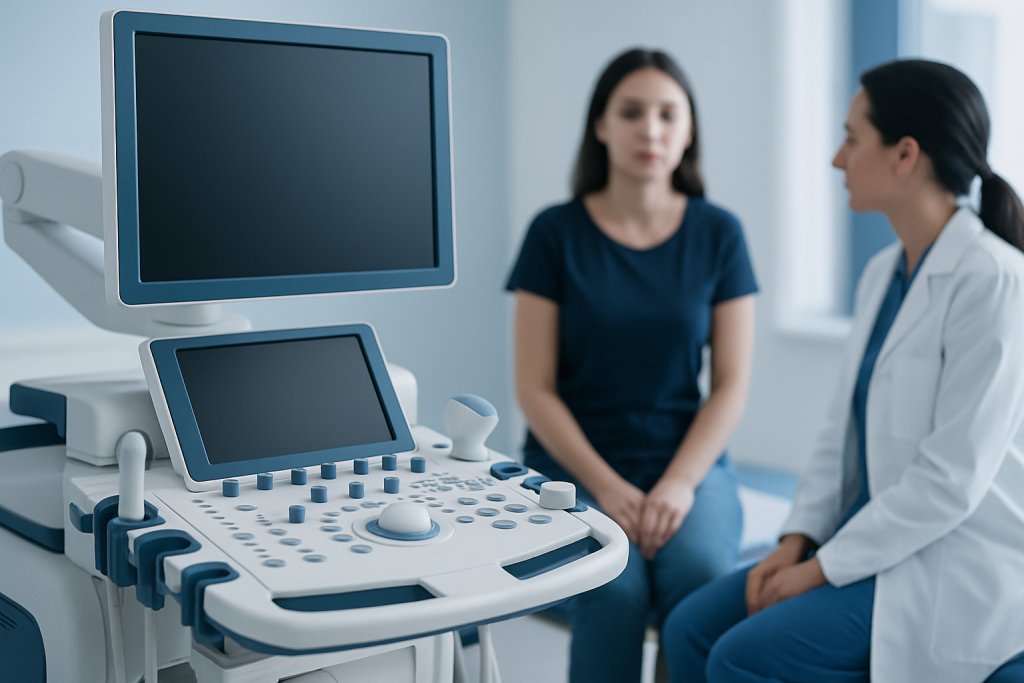
UTI symptoms often develop quickly and are centered in the urinary system. The most common signs are a burning sensation when urinating, a frequent need to urinate, passing only small amounts of urine, cloudy or strong-smelling urine, and pressure or discomfort in the lower abdomen. Some people also feel generally unwell or fatigued.
Menstrual changes are a separate pattern. A late period, lighter or heavier bleeding than usual, spotting, or cramping without bleeding may point to hormonal variation or another gynecologic cause. If urinary symptoms and menstrual changes happen together, it is helpful to avoid assuming they are caused by the same condition.
- Burning or pain during urination
- Urgency and frequency of urination
- Lower abdominal or pelvic pressure
- Late period, spotting, or missed period
- Nausea, fever, or back pain in more advanced infection
Some symptoms deserve prompt medical attention because they may suggest the infection has moved beyond the bladder or that another diagnosis should be considered. Fever, flank pain, vomiting, or blood in the urine should not be ignored, especially if the person is traveling or away from their usual doctor.
Causes & Risk Factors

A straightforward bladder infection does not typically alter the hormones that control ovulation and menstruation. That is why a UTI is not considered a direct cause of a delayed period. The overlap often happens because the period is already due, or because the body is under stress from infection, pain, poor sleep, dehydration, or reduced appetite.
Several other factors can make a period late at the same time urinary symptoms appear. Pregnancy is an important one, because early pregnancy can cause urinary frequency and a missed period. Stress, travel, sudden changes in routine, intense exercise, thyroid disorders, polycystic ovary syndrome, and perimenopause can also affect menstrual timing.
Risk factors for UTIs include sexual activity, prior urinary infections, dehydration, holding urine for long periods, certain contraceptive methods, and changes in vaginal flora after antibiotics or menopause. People with diabetes, kidney problems, catheters, or urinary tract abnormalities may be more likely to have complicated infections and may need closer follow-up.
Diagnosis
Diagnosis begins with a careful symptom review. A clinician will usually ask whether the person has burning, urgency, frequency, pelvic discomfort, fever, back pain, vaginal discharge, or possible pregnancy. This history helps separate a likely bladder infection from menstrual or reproductive causes that need a different workup.
A urine test is the main tool for confirming a UTI. Depending on the situation, a urine dipstick, urinalysis, or urine culture may be used to look for infection and guide treatment. If the period is late, a pregnancy test is often an important part of evaluation, because pregnancy can mimic some urinary symptoms and changes the treatment approach.
When symptoms suggest a gynecologic issue rather than, or in addition to, a UTI, clinicians may recommend a pelvic exam, blood tests, or imaging. That is especially true if there is unusual vaginal bleeding, significant pelvic pain, recurrent symptoms, or concern for conditions such as ovarian cysts, pelvic inflammatory disease, or hormonal imbalance.
Treatment Options
Treatment depends on the confirmed cause. Uncomplicated UTIs are commonly treated with prescribed antibiotics chosen by a clinician based on the type of infection, medical history, and local resistance patterns. It is important to take medication exactly as directed and to complete the prescribed course unless a doctor advises otherwise.
Supportive care can make recovery easier. Drinking enough fluids, resting, and avoiding bladder irritants such as excess caffeine or alcohol may help reduce discomfort. Pain relief strategies may be suggested by a clinician, but self-treating a urinary infection without evaluation is not a good idea if there is fever, back pain, pregnancy, or recurrent infection.
If the late period is due to another cause, treatment will be different. Hormonal irregularities, thyroid disease, pregnancy, or a gynecologic condition may require targeted care. When someone is traveling for treatment, coordinated evaluation can be especially helpful because it reduces delays between testing, diagnosis, and the right follow-up plan.
Prevention & Self-care
Preventing UTIs starts with simple daily habits. Regular hydration, not delaying urination for long periods, and urinating after sexual activity may help lower risk for some people. Gentle hygiene is also useful; the goal is to avoid introducing bacteria into the urinary tract without overcleaning or using irritating products.
For menstrual health, keeping track of cycle dates can make it easier to notice whether a period is truly late or simply different from month to month. A cycle tracker can also help identify patterns linked to stress, travel, illness, or changes in exercise and sleep. If periods are repeatedly irregular, that pattern deserves medical review even when a UTI is present.
Practical self-care is especially important for people managing symptoms while away from home. Carrying any prescribed medications, having access to medical documents, and knowing where to seek urgent care can reduce anxiety during travel. If symptoms are not improving, it is better to arrange a medical assessment than to keep waiting for the period to normalize on its own.
When to See a Doctor
Medical advice is appropriate if urinary symptoms last more than a day or two, if they are getting worse, or if the person has recurrent UTIs. A late period should also be assessed if pregnancy is possible, if cycles have become consistently irregular, or if there is a history of endocrine or gynecologic conditions.
More urgent evaluation is needed for fever, chills, back or side pain, vomiting, confusion, visible blood in the urine, or severe pelvic pain. These can signal a kidney infection or another problem that should not wait. People who are pregnant, immunocompromised, or have kidney disease should contact a clinician sooner rather than later.
For patients seeking care internationally, a multidisciplinary team can help match the urinary symptoms with the menstrual concern and organize follow-up after travel. Acibadem Health Point’s multidisciplinary specialists and JCI-accredited hospitals diagnose and treat these conditions for international patients in a coordinated setting.
Frequently asked questions
01Does UTI delay menstruation directly?
Usually, no. A bladder or urinary tract infection does not directly control the hormones that trigger a period, so it is not considered a direct cause of delayed menstruation. If the period is late, other explanations such as pregnancy, stress, or hormonal changes should also be considered.
02Can a UTI cause spotting instead of a normal period?
A UTI does not usually cause menstrual spotting by itself. Spotting is more often related to hormonal fluctuations, early pregnancy, infection in the reproductive tract, or other gynecologic conditions. If bleeding is unusual for the person, medical assessment is sensible.
03Why do urinary symptoms and a late period happen together?
They may happen together by coincidence, or one underlying issue may explain both symptoms. Pregnancy is one important possibility because it can cause a missed period and urinary frequency, while illness or stress can also affect cycle timing. A urine test and, when needed, a pregnancy test help clarify the situation.
04How is a UTI diagnosed if the period is late?
A clinician will usually review symptoms and order a urine test to look for infection. If the period is delayed, a pregnancy test is commonly included, and additional tests may be recommended if the symptoms do not fit a simple UTI. This approach helps avoid missing another cause of the delay.
05Should someone wait for the period to come before treating urinary symptoms?
No. Burning, urgency, frequent urination, fever, or back pain should be evaluated without waiting for the menstrual cycle to change. Early assessment helps treat a UTI appropriately and can also identify other causes of a late period.
06When is a late period more concerning than a UTI?
A late period is more concerning when pregnancy is possible, cycles have become irregular for several months, or there are symptoms such as pelvic pain, heavy bleeding, or unusual discharge. In those cases, the period change may point to a hormonal or gynecologic issue rather than a urinary infection. A doctor can determine which evaluation is most appropriate.
This article is for general information only and is not a substitute for professional medical advice. Please consult a qualified doctor about your individual situation.
Explore treatments in Turkey — costs, top hospitals & a free quote
JCI-accredited · board-certified surgeons · reply within 24h
Add us as a Preferred Source to see more of our trusted health content across Google Search, AI Overviews and Discover.