Does Pumpkin Seed Oil Help With Hair Loss?
Does pumpkin seed oil help with hair loss? Small early studies suggest it may support hair growth in some people with pattern hair loss, but evidence remains limited and it should not replace a proper diagnosis or established treatment. Hair shedding is often temporary and harmless, yet sudden, patchy, or scalp-related changes deserve medical assessment.
Does Pumpkin Seed Oil Help With Hair Loss?
Does pumpkin seed oil help with hair loss? Limited early research suggests that oral pumpkin seed oil may modestly improve hair growth for some people with androgenetic alopecia, also called pattern hair loss. However, the available studies are small, the evidence is not strong enough to consider it a proven treatment, and results cannot be expected for everyone.
For many people, noticing extra hairs in a brush or shower drain is not a sign of serious disease. Hair naturally cycles through growth, rest, and shedding, and temporary shedding can happen after stress, fever, surgery, childbirth, dieting, or an illness. Still, hair loss that is sudden, patchy, progressive, or accompanied by scalp symptoms should be reviewed by a qualified clinician before relying on supplements or oils.
Pumpkin seed oil should be viewed, at most, as a possible complementary option rather than a substitute for evidence-based care. The most helpful next step is identifying why hair is thinning or shedding, since the best approach differs for pattern hair loss, temporary shedding, nutritional problems, autoimmune conditions, and inflammatory scalp disorders.
What Pumpkin Seed Oil May Do
Pumpkin seeds contain fatty acids, plant compounds called phytosterols, and micronutrients. Pumpkin seed oil has been studied because some of its compounds may influence pathways involved in androgen activity. Androgens are hormones that can contribute to follicle miniaturization in genetically susceptible people with pattern hair loss.
One small clinical trial in men with androgenetic alopecia found improved hair counts among participants taking pumpkin seed oil compared with placebo. This result is encouraging but does not establish that the oil works broadly, that it works for women, or that topical pumpkin seed oil has the same effect. More well-designed research is needed to clarify who may benefit, the appropriate form, and long-term safety.
Topical use is especially uncertain. Applying an oil to the scalp may reduce dryness or make hair feel smoother, but there is not reliable evidence that topical pumpkin seed oil regrows hair. Oils can also cause irritation, folliculitis, or contact dermatitis in some people, particularly when mixed with fragrances or essential oils.
Dietary supplements are not regulated in the same way as prescription medicines in many countries. Product strength and purity may vary. Anyone considering an oral supplement should discuss it with a doctor or pharmacist, especially if they are pregnant, breastfeeding, preparing for surgery, or taking regular medicines.
Understanding Hair Loss Patterns and Causes

Hair loss is a broad term that includes increased shedding, gradual thinning, and loss of hair in defined areas. The pattern, timing, and scalp appearance offer important clues. A person may also have more than one contributing factor at the same time.
Pattern hair loss is the most common cause of gradual thinning. It is influenced by inherited sensitivity of hair follicles to hormones. In men, it often begins with recession at the temples or thinning at the crown. In women, it commonly appears as widening of the central part or diffuse thinning over the top of the scalp, while the front hairline is often preserved.
Telogen effluvium is a common form of temporary shedding. It can occur a few months after a physical or emotional stressor, such as a high fever, infection, major operation, childbirth, rapid weight loss, restrictive eating, or a new medication. Once the trigger is corrected or resolves, shedding often improves gradually, although visible recovery takes time because hair growth is slow.
Other causes include low iron stores, thyroid disorders, inadequate protein intake, certain medications, tight hairstyles, chemical or heat damage, fungal infection, psoriasis, and autoimmune alopecia areata. Alopecia areata typically causes smooth, sharply defined patches of hair loss and needs medical evaluation because Acne Treatment Options: Topical, Oral, and Procedure-Based Care" class="ahp-ilk">treatment options differ from those for pattern thinning.
When to Seek Medical Care
Most mild, gradual shedding does not require urgent care, particularly when there has been a recent trigger such as illness or stress. It is reasonable to monitor the pattern, avoid harsh hair practices, maintain adequate nutrition, and arrange a routine appointment if shedding continues or causes concern.
Medical review is important when hair loss is sudden, rapidly worsening, or occurring in round or irregular patches. A person should also seek care for scalp pain, burning, marked itch, redness, scaling, pustules, bleeding, or areas that look shiny or scarred. These features can indicate inflammatory, infectious, or scarring disorders in which early treatment may help protect follicles.
It is also appropriate to consult a doctor when hair loss follows a new medicine, comes with fatigue, weight change, menstrual changes, acne, increased facial hair, cold intolerance, or other symptoms that may suggest a hormonal or nutritional issue. Children with hair loss and anyone with eyebrow, eyelash, or body-hair loss should be assessed promptly.
Emergency care is usually not needed for hair shedding alone. However, severe allergic symptoms after using a product, such as facial swelling, breathing difficulty, or widespread hives, require urgent medical attention.
How Doctors Assess Hair Thinning and Shedding
A doctor will begin by asking when the hair loss started, how quickly it has changed, whether shedding or thinning is the main concern, and whether there were recent illnesses, stressors, dietary changes, pregnancies, surgeries, or medication changes. Family history can help identify a tendency toward pattern hair loss.
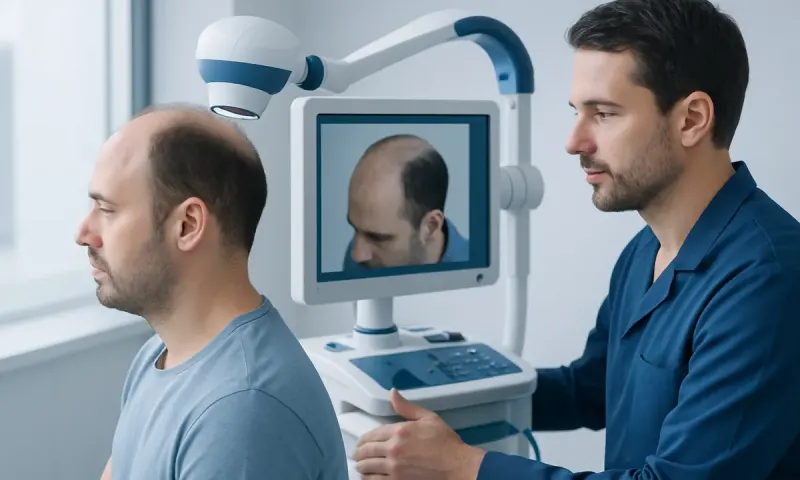
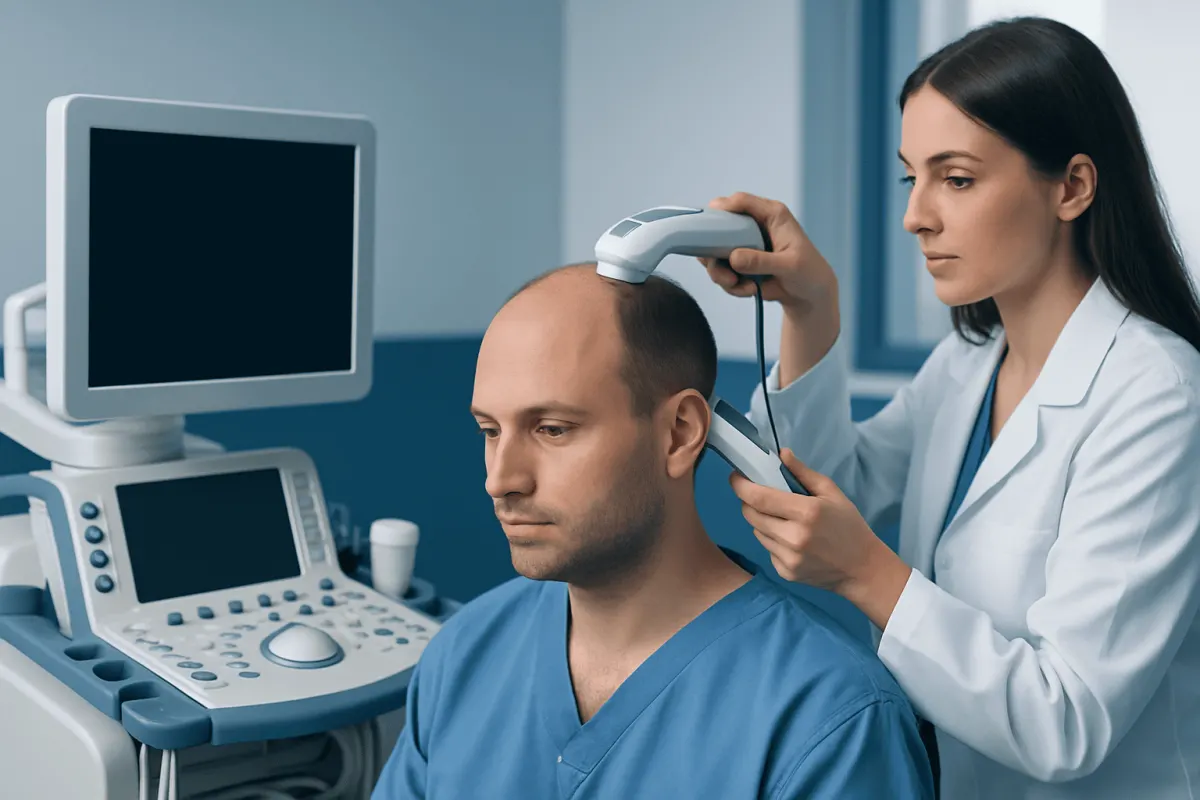
The scalp and hair are examined for distribution of thinning, broken hairs, inflammation, scale, and signs of follicle scarring. A gentle hair-pull test or close examination of the hair shafts may be used. Dermatologists may use dermoscopy, a magnified lighted device, to inspect follicles and help distinguish common hair-loss conditions.
Blood tests are not needed for every person. When the history or examination suggests an underlying contributor, a clinician may check for issues such as iron deficiency, thyroid dysfunction, or other nutritional or hormonal concerns. In selected cases, a scalp biopsy may be recommended to clarify an uncertain diagnosis or investigate possible scarring alopecia.
This assessment matters because supplements cannot correct every cause of hair loss. For example, treating an underlying thyroid condition, changing a responsible medication when appropriate, addressing iron deficiency, or managing scalp inflammation may be more relevant than using pumpkin seed oil.
Evidence-Based Treatment Options
Treatment depends on the diagnosis and the person’s health, goals, and preferences. For pattern hair loss, topical minoxidil is an established option for many adults. It requires regular use and results, if they occur, usually take several months. A clinician can explain whether it is suitable and what early shedding or scalp irritation may occur.
Some people may be candidates for prescription treatments that influence hormonal pathways or for procedures such as platelet-rich plasma therapy or hair transplantation. These options are not appropriate for everyone and should be discussed with a dermatologist or hair-loss specialist. Hair transplantation may be considered when hair loss is stable and there is sufficient donor hair, but it does not address every form of shedding or scalp disease.
For telogen effluvium, the priority is usually finding and addressing the trigger while allowing time for the hair cycle to recover. For alopecia areata or inflammatory scalp disorders, treatment may involve topical, injected, oral, or other targeted medicines depending on severity. Prompt diagnosis is particularly important when scarring is suspected.
Pumpkin seed oil may be discussed as a supplement only after reviewing potential benefits, limitations, allergies, and medicine interactions. It should not delay treatment with options that have stronger evidence. At Acıbadem Health Point, multidisciplinary specialists in JCI-accredited hospitals can assess hair and scalp concerns and guide international patients toward an individualized care plan.
Practical Self-Care While Seeking Answers
Gentle hair care can reduce avoidable breakage. This includes limiting tightly pulled styles, frequent bleaching, harsh chemical treatments, and high heat. A mild shampoo and conditioner suitable for the scalp can be used as needed; washing does not cause true hair loss, though it may make naturally shed hairs more noticeable.
A balanced eating pattern with enough protein, iron-containing foods, and varied fruits, vegetables, grains, and healthy fats supports overall hair health. Supplements should not be started automatically. Taking high doses of certain nutrients without a documented need can be unhelpful or harmful, and excess vitamin A, for example, can contribute to hair shedding.
It can be useful to take monthly photographs of the part line, hairline, or affected area in similar lighting. This provides a more reliable view of change than checking daily, which can increase worry. Hair grows slowly, so treatment response and recovery should be judged over months rather than days or weeks.
Stress management, adequate sleep, and recovery after illness can support general wellbeing, although they cannot eliminate genetically driven hair loss. A clinician can help distinguish changes that are likely to settle with time from those that need targeted treatment.
Frequently asked questions
01Can pumpkin seed oil regrow hair?
Pumpkin seed oil may help some people with pattern hair loss, based on limited early research, but it has not been proven to reliably regrow hair for everyone. It is not a replacement for medical evaluation or established treatments. The cause of hair loss should be identified before choosing a treatment.
02Is it better to take pumpkin seed oil or apply it to the scalp?
The limited clinical research has mainly examined oral pumpkin seed oil rather than topical application. There is not reliable evidence that applying it to the scalp promotes hair regrowth. Topical oils may also irritate sensitive skin or worsen scalp folliculitis in some people.
03How long does it take to see improvement in hair shedding?
Hair changes usually take months to become visible because follicles move slowly through their growth cycle. Temporary shedding after a trigger may improve gradually once the trigger resolves, but density can take longer to recover. A doctor can advise when ongoing shedding needs further investigation.
04What type of hair loss is pumpkin seed oil most likely to help?
The small amount of research available has focused mainly on androgenetic alopecia, or pattern hair loss. It has not been shown to treat patchy autoimmune hair loss, fungal scalp infection, scarring alopecia, or shedding caused by nutrient deficiency. These conditions need different management.
05Can stress cause hair loss?
Yes. Significant physical or emotional stress can trigger temporary diffuse shedding called telogen effluvium, often appearing several months after the event. Although this can be distressing, it commonly improves as the trigger resolves and the hair cycle recovers.
06Should a person have blood tests for hair loss?
Not everyone needs blood tests. A clinician may recommend them if the history or examination suggests iron deficiency, thyroid disease, nutritional concerns, hormonal changes, or another underlying cause. Testing is most useful when it is guided by symptoms and the pattern of hair loss.
This article is for general information only and is not a substitute for professional medical advice. Please consult a qualified doctor about your individual situation.
Hair transplant in Turkey — costs, graft counts & a free assessment
JCI-accredited · board-certified surgeons · reply within 24h
Add us as a Preferred Source to see more of our trusted health content across Google Search, AI Overviews and Discover.