Does an Itchy Breast Mean Cancer? Signs and Next Steps
An itchy breast does not usually mean cancer. Dry skin, eczema, contact irritation, infections, and hormonal changes are more common causes, but ongoing one-sided itching with breast or nipple changes should be evaluated by a clinician.
Does Itchy Breast Mean Cancer?
In most cases, an itchy breast does not mean cancer. Itching is commonly caused by dry skin, eczema, sweating, friction from a bra, allergic reactions to soaps or detergents, or normal hormonal changes. These causes are often temporary and may affect one or both breasts.
Rarely, itching can be part of a breast cancer symptom pattern. It is more concerning when it persists in one breast and occurs alongside a new lump, skin thickening, redness, swelling, nipple discharge, nipple inversion, or a persistent rash on or around the nipple. A healthcare professional can assess the symptoms and arrange tests when needed.
Itching alone cannot diagnose or exclude breast cancer. Paying attention to whether the symptom improves, recurs, or is accompanied by visible or physical changes is more useful than trying to interpret itching by itself.
Common Reasons for Breast and Nipple Itching
The skin of the breast and nipple can react to many everyday triggers. Dry weather, frequent hot showers, tight or synthetic clothing, exercise-related sweating, and friction may all disrupt the skin barrier. New laundry products, perfumes, body lotions, adhesives, or bra materials can also cause contact dermatitis.
Eczema may produce itchiness, dryness, scaling, cracking, or darker or lighter patches of skin. Yeast or other skin infections can be more likely beneath the breast, where warmth and moisture collect; these may cause a red, sore, itchy rash. Breastfeeding can also lead to nipple irritation, cracked skin, or infection.
Hormonal shifts around menstruation, pregnancy, menopause, or hormone treatment can make breasts feel fuller, more sensitive, or itchy. Some medicines may contribute to dry or itchy skin as well. A clinician can help identify the likely cause if symptoms are recurrent or do not respond to simple skin-care measures.
- Dry skin or eczema
- Contact irritation or allergy
- Heat, sweat, and skin friction
- Fungal or bacterial skin infection
- Hormonal breast changes
- Breastfeeding-related irritation
How Do I Know If My Itching Is From Cancer?

There is no single sensation of itching that reliably identifies cancer. Cancer-related concern is based on the overall pattern: a symptom that is persistent, localized to one breast, and accompanied by a new visible or structural change should be checked. Itching that clearly follows a new product, dry skin, or sweating and improves after avoiding the trigger is more likely to be benign.
Features that warrant assessment include a lump or area of firmness, skin dimpling, thickened skin, a new change in breast size or contour, unexplained swelling, persistent redness or warmth, enlarged lymph nodes near the underarm or collarbone, or spontaneous nipple discharge. Bloody discharge, a newly inverted nipple, or a one-sided nipple rash that does not heal also require prompt review.
Some breast cancers do not cause pain or itching, and many benign breast conditions can produce noticeable symptoms. For this reason, self-observation should not replace clinical assessment. A doctor may examine the breasts and underarm area, review skin exposures and medical history, and recommend imaging or other tests based on age and findings.
Can You Show Me Pictures of Skin Changes in Breast Cancer?
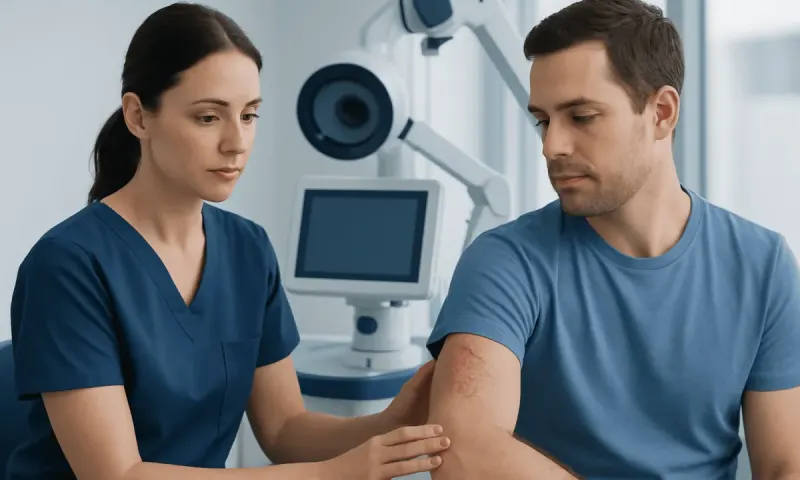
It is understandable to look for pictures when a skin change is worrying. However, photographs online cannot diagnose a breast condition because skin appearance varies widely with skin tone, lighting, stage of disease, and other skin conditions. Images may also be distressing or misleading when viewed without clinical context.
Potential breast cancer skin changes can include dimpling or puckering, persistent localized redness, thickening, swelling, a rash that does not resolve, or skin with a pitted texture sometimes described as orange-peel skin. These signs can also occur with inflammation, infection, or non-cancerous skin disorders.
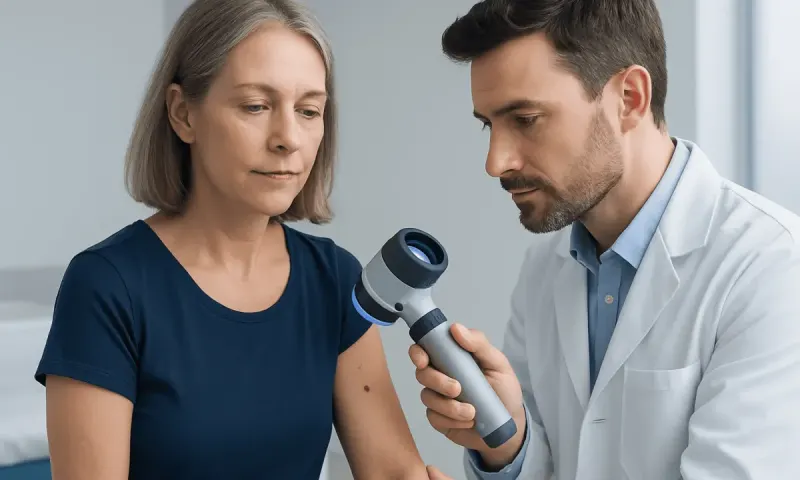
A new or persistent change is best assessed in person. A clinician can compare both breasts, examine the nipple and skin closely, and decide whether imaging or a skin or breast biopsy is appropriate. For reliable visual education, patients may ask their care team to explain findings with medically reviewed materials relevant to their own symptoms.
What Could Be Causing One of My Nipples to Be Itchy?
One itchy nipple is often due to a local skin problem rather than cancer. Eczema, contact allergy, friction from a bra or exercise clothing, dry skin, and irritation from topical products are common possibilities. The affected nipple or areola may look dry, flaky, cracked, red, or darker than usual.
Infection can also cause localized itching, soreness, or a rash, particularly when there is moisture, skin damage, breastfeeding, or an underlying skin condition. Avoiding known irritants and using gentle, fragrance-free skin care may help mild irritation, but ongoing symptoms should not simply be treated repeatedly without a diagnosis.
A rare condition called Paget disease of the breast can begin with persistent eczema-like changes of the nipple or areola. It may cause itching, burning, scaling, crusting, bleeding, discharge, or flattening of the nipple. These symptoms are not proof of Paget disease, but a one-sided nipple change that lasts or returns should be assessed. Learn more about breast cancer and its possible signs.
Inflammatory Breast Cancer and Other Important Skin Changes
Inflammatory breast cancer is an uncommon but fast-developing form of breast cancer that affects lymph vessels in the skin. It may cause breast redness, warmth, swelling, heaviness, tenderness, or itching. The breast can enlarge over a relatively short time, and the skin may become thickened or pitted.
These symptoms can resemble mastitis or another infection, particularly in people who are breastfeeding. Infection is more common, but urgent assessment is important when redness and swelling develop quickly, when symptoms do not improve with appropriate treatment, or when there is no clear explanation.
Evaluation may include a clinical breast examination, diagnostic mammography, ultrasound, and sometimes magnetic resonance imaging. If imaging or examination identifies an abnormality, a needle biopsy or skin biopsy can determine whether cancer is present. When breast cancer is diagnosed, treatment is planned according to the cancer type, stage, tumor biology, and the person’s overall health.
Diagnosis, Outlook, and Modern Treatment Approaches
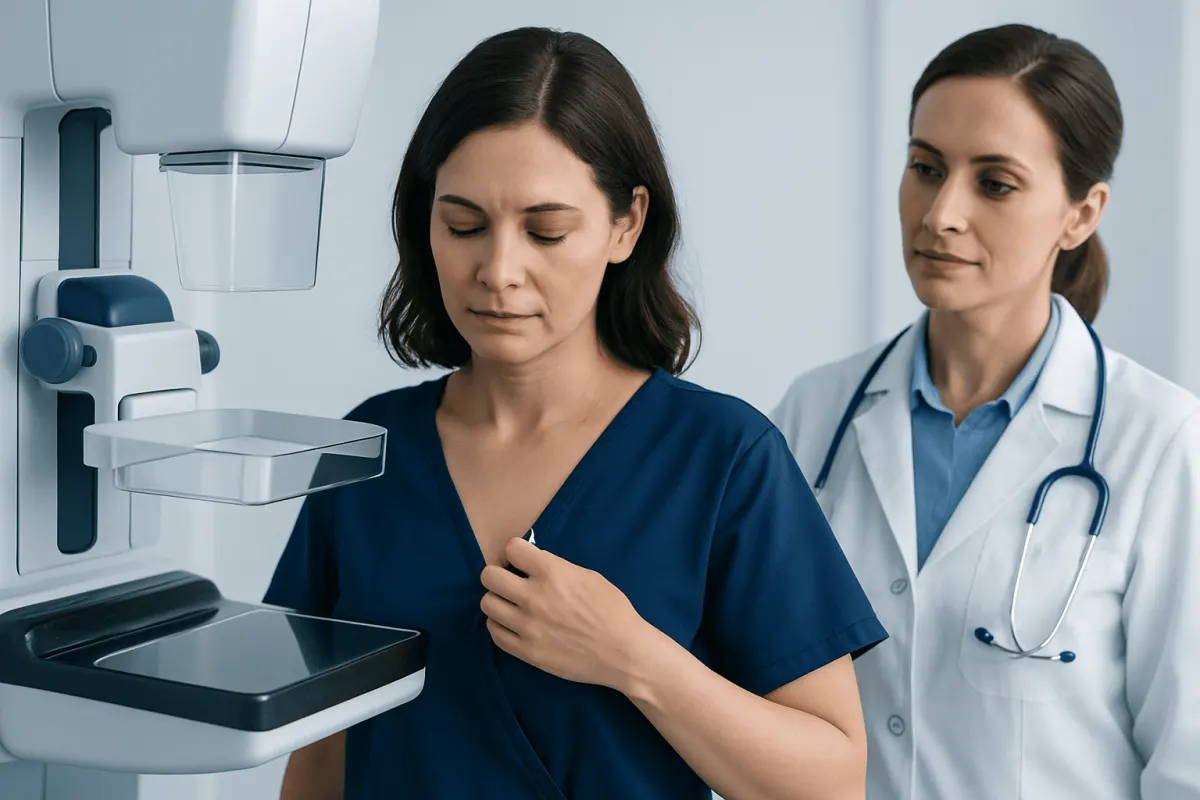
When breast symptoms need investigation, the first step is usually a medical history and examination. Depending on the person’s age, symptoms, and examination findings, the clinician may recommend a mammogram, breast ultrasound, or both. Imaging can identify many non-cancerous findings, such as cysts, skin conditions, or inflammation, as well as areas that need further assessment.
A biopsy is the only way to confirm breast cancer. If cancer is found, laboratory testing of the tissue helps guide care by assessing features such as hormone receptor and HER2 status. Outlook varies considerably, but modern care is increasingly individualized and may include surgery, radiation therapy, chemotherapy, hormone therapy, targeted medicines, immunotherapy, or a combination of treatments.
For many people, breast surgery may involve removing the cancer while preserving as much breast tissue as safely possible; in other situations, mastectomy is advised. Options such as personalized Cancer Treatment: Surgery, Radiation, and Drug Therapies" class="ahp-ilk">breast cancer treatment are chosen by a multidisciplinary team and discussed with the patient. Acıbadem Health Point’s multidisciplinary specialists and JCI-accredited hospitals diagnose and treat breast conditions for international patients.
What Are Some Uncommon Emotional Effects of Breast Cancer?
Breast cancer can affect emotional health in ways that are not always discussed openly. Alongside understandable fear or sadness, some people experience changes in body image, a sense of lost confidence, difficulty feeling comfortable with intimacy, or worry about recurrence even after treatment has ended. These experiences can occur at diagnosis, during treatment, or years later.
Less expected reactions may include guilt about the impact on family members, feeling isolated despite receiving support, frustration with persistent fatigue or cognitive changes, and grief about altered plans or identity. Some people also feel pressure to remain positive, which can make it harder to share difficult emotions honestly.
Emotional responses are personal and do not reflect strength or coping ability. Speaking with the oncology team, a mental health professional, support group, trusted family member, or specialist nurse can be helpful. Supportive care is an important part of cancer treatment and recovery.
When to Seek Medical Care
Arrange a routine appointment if breast or nipple itching lasts more than a short period, keeps returning, affects one side without an obvious trigger, or does not improve after stopping possible irritants. It is also sensible to seek review for a persistent rash, scaling, crusting, skin discoloration, or pain around the nipple.
Seek prompt medical care for rapid breast swelling, marked redness or warmth, fever or feeling unwell, a new breast lump, skin dimpling, orange-peel texture, unexplained nipple discharge, or a newly inverted nipple. These symptoms often have treatable non-cancerous causes, but they should be evaluated without delay.
Regular screening remains important for people who are eligible according to local guidelines, even when they have no symptoms. Anyone with a new breast change should contact a qualified healthcare professional rather than waiting for their next screening examination.
Frequently asked questions
01Does an itchy breast usually mean cancer?
No. Most itchy breasts are caused by common issues such as dry skin, eczema, friction, sweating, or an allergic reaction to a product. Persistent itching on one side, especially with a lump or skin or nipple changes, should be examined by a healthcare professional.
02Can breast cancer cause itching without a lump?
Itching can occasionally occur with certain breast cancers, including inflammatory breast cancer or Paget disease of the breast, and a lump may not always be felt. However, itching alone is much more likely to have a benign cause. Medical assessment is appropriate if it persists or is accompanied by other changes.
03Should I worry about an itchy, flaky nipple?
An itchy, flaky nipple is commonly caused by eczema, dryness, or contact irritation. If the change is one-sided, persistent, crusted, bleeding, or associated with discharge or nipple shape changes, it should be evaluated to rule out less common causes such as Paget disease.
04How long should I wait before seeing a doctor for breast itching?
A brief episode with an obvious trigger may settle after gentle skin care and avoiding irritants. It is best to arrange an appointment if itching persists, recurs, or does not improve over the following weeks. More urgent review is needed if there is rapid swelling, redness, a lump, nipple discharge, or skin dimpling.
05Can inflammatory breast cancer look like a rash or infection?
Yes. Inflammatory breast cancer can cause redness, warmth, swelling, tenderness, and skin thickening that may resemble an infection or rash. Because it can progress quickly, new rapidly developing breast redness or swelling should be assessed promptly, particularly if it does not improve.
06Can mammography find the cause of an itchy breast?
Mammography can help assess breast tissue and identify some abnormalities, but it may not explain every skin-related cause of itching. A clinician may also use ultrasound, examination, or a biopsy when needed. The best test depends on the symptoms, age, examination, and imaging findings.
This article is for general information only and is not a substitute for professional medical advice. Please consult a qualified doctor about your individual situation.
Oncology care in Turkey — second opinion and treatment plan
JCI-accredited · board-certified surgeons · reply within 24h
Add us as a Preferred Source to see more of our trusted health content across Google Search, AI Overviews and Discover.