Does a Sinus Infection Cause Teeth to Hurt?

Key Takeaways
- Upper tooth pain can happen with a sinus infection because the maxillary sinuses are located above the upper teeth.
- Sinus-related pain is often dull, pressure-like, and worse when bending forward or with congestion.
- Dental pain can look similar, so persistent or one-sided tooth pain should not be assumed to be sinus-related.
- Diagnosis may involve a medical exam, dental evaluation, and sometimes imaging to find the true source of pain.
- Many sinus infections improve with supportive care, but bacterial sinusitis or severe symptoms may need medical treatment.
Yes, a sinus infection can cause teeth to hurt, especially the upper back teeth, because the sinuses sit close to the roots of those teeth. This article explains how sinus-related tooth pain feels, how to tell it apart from a dental problem, and when medical or dental care is needed.
Overview
The short answer is yes: a sinus infection can cause teeth to hurt, most often the upper back teeth. This happens because the maxillary sinuses sit just above the upper jaw, and inflammation in those air-filled spaces can create pain that feels as if it is coming from the teeth rather than the nose or cheeks.
For many people, this kind of pain shows up alongside facial pressure, nasal congestion, a blocked or runny nose, and a heavy feeling in the cheeks. Because tooth pain can also come from cavities, gum disease, a cracked tooth, or a nerve issue, the safest approach is to look at the whole symptom pattern instead of assuming every ache is dental.
In everyday life, the distinction matters. Someone planning care from another country may be unsure whether to book a dentist or an ENT specialist first. A careful assessment can save time, reduce unnecessary treatment, and point the person toward the right type of care.
Symptoms
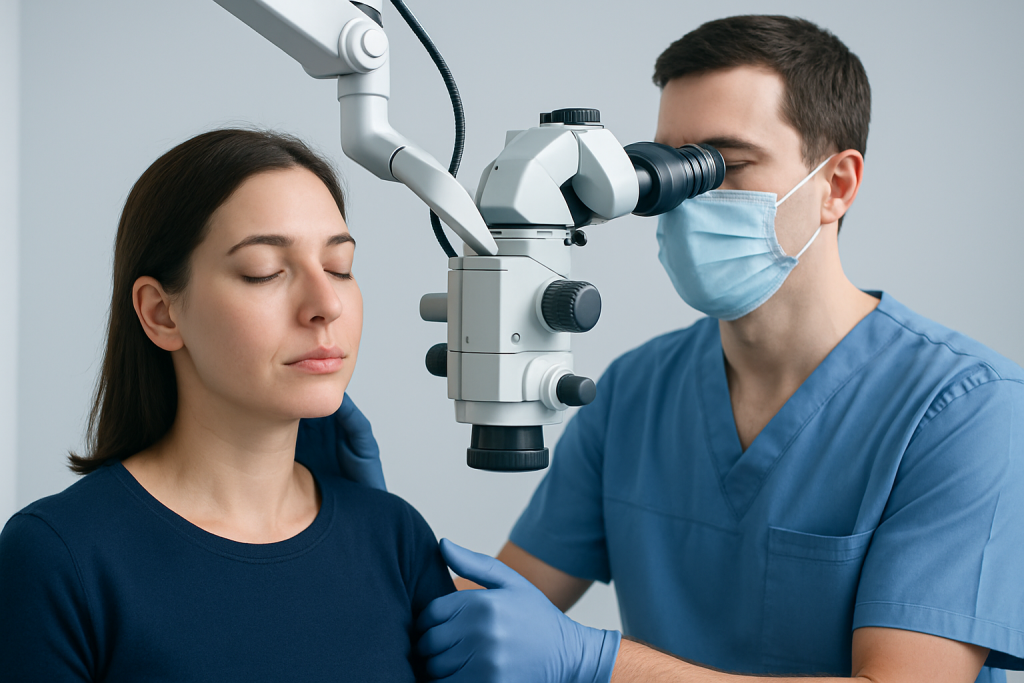
Sinus-related tooth pain is usually felt in the upper molars or premolars. It may be a dull ache, a throbbing sensation, or a sense of pressure that seems to spread across several teeth rather than staying in one exact spot.
Other symptoms often provide helpful clues. People with sinusitis commonly notice:
- Facial pressure or fullness, especially around the cheeks, eyes, or forehead
- Nasal congestion or thick nasal discharge
- Pain that worsens when bending forward, lying down, or during sudden head movement
- A reduced sense of smell
- Mild fever, fatigue, or a general feeling of being unwell
Dental pain tends to behave differently. It is more likely to be sharply localized to one tooth, triggered by hot or cold foods, or associated with biting, chewing, or visible gum swelling. If the pain is hard to describe or seems to shift with sinus symptoms, a sinus cause becomes more likely.
Causes & Risk Factors

The most common reason sinus problems cause tooth pain is inflammation in the maxillary sinuses. When the sinus lining swells, pressure can build and irritate nearby nerve pathways, creating referred pain in the upper teeth. This is why the pain can feel very real even when the teeth themselves are healthy.
Sinus infections may start after a viral cold, from allergies that block drainage, or less commonly from a bacterial infection. Structural issues such as a deviated septum, nasal polyps, or narrow sinus drainage pathways can also make sinus congestion and pressure more likely to linger.
Some factors can increase the chance that sinus symptoms will be noticed as tooth pain:
- Upper jaw anatomy that sits close to the sinus floor
- Frequent allergies or chronic sinus inflammation
- Recent upper respiratory infection
- Air travel, pressure changes, or swimming in irritated sinuses
- Underlying dental problems that make it harder to tell the source of pain
It is also worth noting that a tooth infection can sometimes spread toward the sinus area, which is one reason persistent facial or tooth pain deserves a proper evaluation rather than guesswork.
Diagnosis
Diagnosis begins with a detailed history and a focused physical examination. A clinician will usually ask where the pain is located, whether it changes with bending forward, whether there is congestion or drainage, and whether the person has dental triggers such as pain with chewing or temperature changes.
Because sinus pain and dental pain can overlap, more than one type of assessment may be needed. An ENT specialist may examine the nose and sinuses, while a dentist checks for cavities, cracked teeth, gum inflammation, or signs of a tooth-root problem. If symptoms are unclear or persistent, imaging such as a sinus CT scan or dental X-rays may help identify the source.
This step is especially helpful for international patients who are trying to decide what kind of appointment to book first. A coordinated evaluation can prevent delays and avoid treatment that addresses the wrong problem.
Treatment Options
Treatment depends on the cause. If a viral upper respiratory infection or mild sinus inflammation is involved, symptoms often improve with rest, fluids, saline nasal rinses, and other supportive measures recommended by a clinician. The goal is to reduce swelling, improve drainage, and ease pressure rather than to “force” the sinuses to clear.
If a bacterial sinus infection is suspected, a clinician may consider medical treatment based on the full clinical picture. Some people also benefit from therapies that reduce nasal inflammation, especially when allergies or chronic sinus congestion are contributing factors. The exact plan should always be individualized by a qualified doctor.
If the pain turns out to be dental, treatment shifts toward the tooth or gums instead. That may involve restoring a cavity, treating a root problem, or addressing gum disease. In other words, the right treatment depends on identifying the true source of the pain, not simply the place where it is felt.
For people traveling for care, this distinction is practical. ENT and dental teams sometimes need to work together so that symptoms are treated correctly and follow-up can continue smoothly after returning home.
Prevention & Self-care
Not every sinus infection can be prevented, but some habits can lower the chance of repeated congestion and pressure. Managing allergies, staying well hydrated, and using saline irrigation when recommended can support better sinus drainage. Avoiding cigarette smoke and other irritants may also help keep the nasal passages calmer.
For temporary symptom relief, gentle self-care is often useful. Warm compresses over the face, adequate rest, and over-the-counter pain relief may help some people, provided a clinician says these options are appropriate for them. People should avoid using antibiotics on their own, since most sinus symptoms are not caused by bacteria.
Useful self-care habits include:
- Drinking enough fluids
- Using saline nasal rinses as directed
- Sleeping with the head slightly elevated if congestion is worse at night
- Following allergy treatment plans consistently
- Maintaining regular dental checkups, since dental problems can mimic sinus pain
When to See a Doctor
A doctor or dentist should evaluate tooth pain that lasts more than a few days, keeps returning, or does not improve as the sinus symptoms settle. This is especially important if the pain is only on one side, is severe, or is accompanied by swelling in the face or gums.
Medical attention is also important if symptoms include high fever, worsening facial pain, trouble breathing, changes in vision, or confusion. These are not typical of routine congestion and need prompt assessment. If the person has significant tooth pain but no obvious sinus symptoms, a dental source should be checked without delay.
Anyone traveling for treatment should try to arrange follow-up before returning home, especially if imaging, medication review, or dental care may still be needed. Acibadem Health Point’s multidisciplinary specialists and JCI-accredited hospitals diagnose and treat sinus-related and dental-overlap concerns for international patients with coordinated care.
Related questions patients often ask
People commonly ask whether sinus pressure can feel exactly like a toothache. It can feel very similar, which is why the location of pain alone is not enough to determine the cause.
Another frequent question is whether chewing makes sinus tooth pain worse. Chewing may aggravate discomfort indirectly if the person is already sensitive, but true dental pain is more likely to flare clearly with biting or temperature changes.
Finally, some ask whether a sinus infection can damage the teeth. A routine sinus infection does not usually harm teeth directly, but untreated dental problems and sinus disease can overlap and complicate each other, so timely evaluation matters.
Frequently asked questions
01Does a sinus infection cause teeth to hurt?
Yes. Inflammation in the maxillary sinuses can create pressure that feels like pain in the upper teeth, especially the back teeth. This is a type of referred pain, so the teeth may seem to be the problem even when the sinuses are the source.
02How can someone tell if tooth pain is from sinuses or a dental problem?
Sinus-related pain often comes with congestion, facial pressure, and worsening symptoms when bending forward. Dental pain is more likely to be sharply localized, triggered by chewing or temperature changes, or linked to a specific tooth.
03Which teeth usually hurt with a sinus infection?
The upper back teeth are most commonly affected because they sit closest to the maxillary sinuses. Pain in the lower teeth is less likely to be caused by sinusitis and should prompt a dental check if it persists.
04Will sinus tooth pain go away on its own?
Sometimes it does, especially when the underlying cause is a mild viral illness or short-lived congestion. If the pain lasts, worsens, or keeps returning, a doctor or dentist should assess it to rule out bacterial sinusitis or a dental problem.
05Can a sinus infection and a tooth problem happen at the same time?
Yes, and that can make the pain harder to interpret. A dental infection can sometimes affect the sinus area, so persistent symptoms may need both ENT and dental evaluation.
06What should someone do first if they have upper tooth pain and sinus symptoms?
If congestion, facial pressure, and a recent cold are present, an ENT or primary care evaluation is often a good first step. If the pain is very localized to one tooth or worsens with chewing, a dental appointment may be the better first choice.
This article is for general information only and is not a substitute for professional medical advice. Please consult a qualified doctor about your individual situation.
Explore treatments in Turkey — costs, top hospitals & a free quote
JCI-accredited · board-certified surgeons · reply within 24h
Add us as a Preferred Source to see more of our trusted health content across Google Search, AI Overviews and Discover.