Does a Hair Transplant Last Forever?
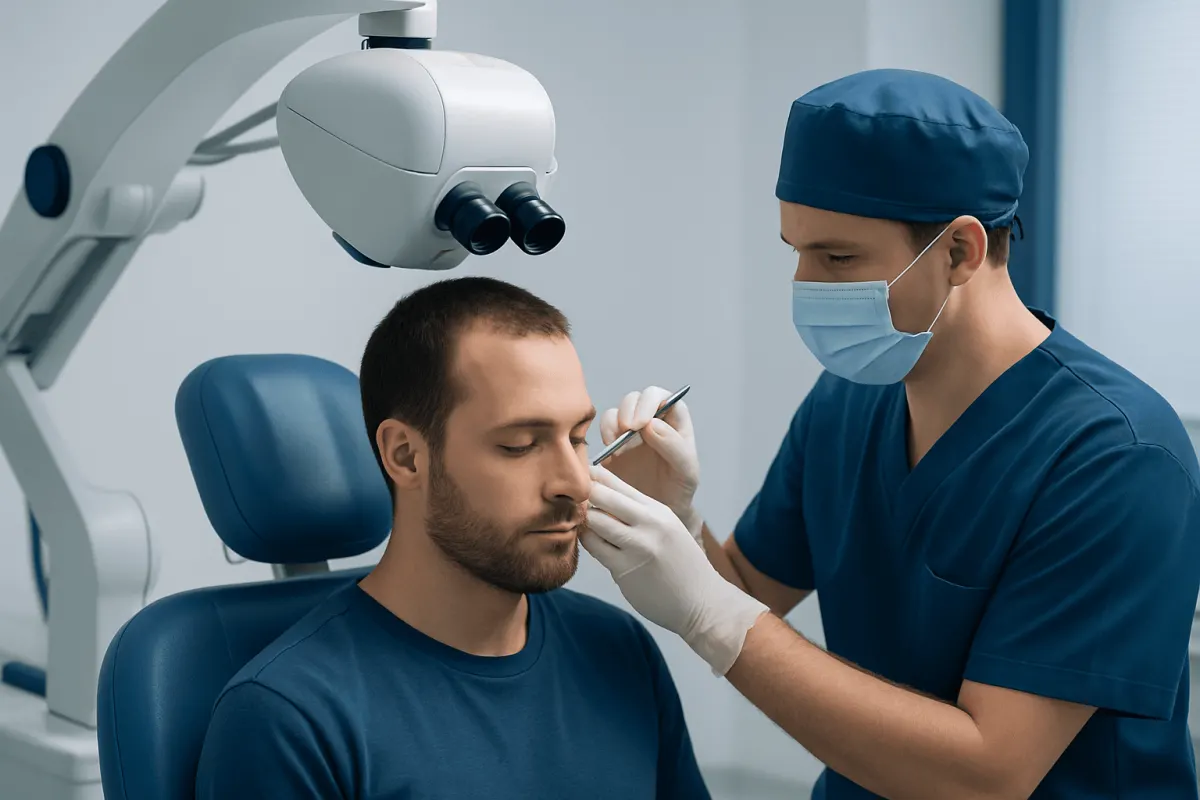
A hair transplant can provide long-lasting growth because follicles are moved from a genetically more resistant area of the scalp. However, it does not stop age-related or inherited thinning in non-transplanted hair, so the overall appearance may change over time.
Does Hair Transplant Last Forever?
Does hair transplant last forever? In many people, transplanted hair follicles continue to grow for decades and can remain for life because they are usually taken from areas genetically less affected by pattern hair loss. Still, a permanent result cannot be promised: transplanted hair can gradually thin with aging, and the person’s original, non-transplanted hair may continue to recede or become less dense.
Hair transplantation is best understood as a long-term redistribution of a limited supply of healthy follicles. It can improve coverage and hairline shape, but it does not stop the biological process behind androgenetic alopecia, also called male- or female-pattern hair loss. A well-planned procedure considers not only today’s hair loss but also the likely pattern of thinning in the years ahead.
Online discussions, including searches such as “does hair transplant last forever reddit,” may offer personal experiences, but they cannot predict an individual outcome. A dermatologist or hair-restoration surgeon can assess the cause and stability of hair loss, donor supply, scalp health and realistic long-term options.
How Hair Transplant Surgery Works
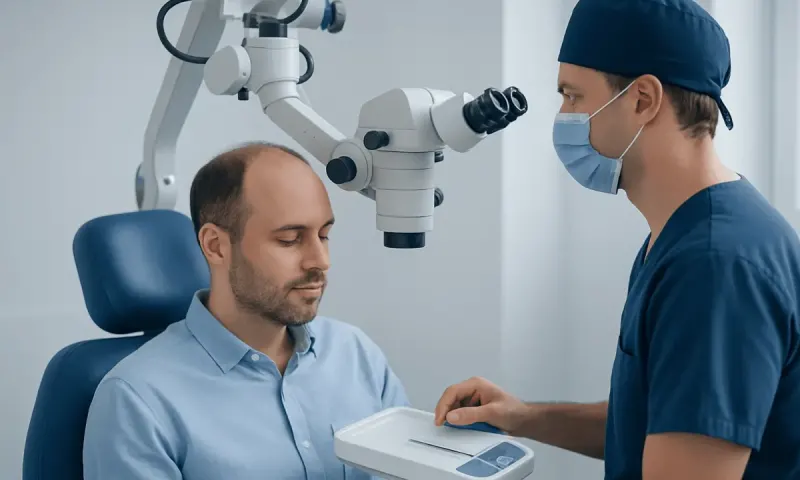
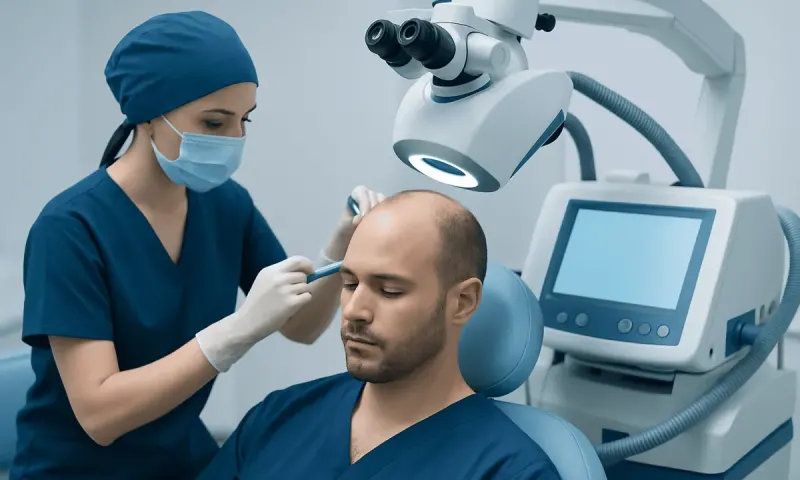
A hair transplant moves follicular units—naturally occurring groups of one to several hairs—from a donor area to an area of thinning or baldness. The donor area is most often the back and sides of the scalp, where follicles are commonly more resistant to the hormonal effects associated with pattern hair loss.
The two main harvesting approaches are follicular unit extraction (FUE), in which follicular units are removed individually, and follicular unit transplantation (FUT), also called strip harvesting, in which a narrow strip of scalp is removed and divided into grafts. Both techniques can produce natural-looking results when they are selected and performed appropriately.
During implantation, the clinician creates tiny recipient sites at an angle, direction and density designed to complement existing hair and future hair-loss patterns. The procedure is usually performed with local anesthesia. Learn more about hair transplant Acne Treatment Options: Topical, Oral, and Procedure-Based Care" class="ahp-ilk">treatment options and the factors that guide technique selection.
Transplanted hairs commonly shed in the first weeks after surgery. This is a normal part of the cycle and does not usually mean the follicles have failed. New growth begins gradually, and the full cosmetic result takes time to develop.
Who Is a Good Candidate for Hair Transplantation?

Good candidates generally have hair loss that has been carefully evaluated, an adequate supply of donor hair and realistic expectations. Hair transplantation is most commonly used for pattern hair loss, but selected people with stable hair loss from scars, injury or some prior procedures may also be considered.
Age alone does not determine candidacy. In younger adults, the pattern of hair loss may still be evolving, so a conservative hairline and a long-term plan are especially important. A transplant performed too aggressively may leave insufficient donor hair if future thinning occurs.
Diffuse shedding, sudden patchy loss, scalp inflammation and unexplained hair loss should be assessed before surgery. Conditions such as alopecia areata have different causes and may not be suitable for routine hair transplantation, particularly when the disease is active.
A pre-procedure assessment may include a medical history, review of medicines and supplements, scalp examination, family history and discussion of hair-care habits. The clinician may also recommend medical management for ongoing pattern hair loss before or alongside surgery.
Hair Transplant Procedure and Recovery Timeline
Planning comes first. The clinician evaluates donor density, photographs the scalp, maps the recipient area and agrees on a hairline and coverage strategy. On the day of surgery, the donor and recipient areas are prepared, local anesthetic is used, and grafts are harvested, sorted and implanted. The duration varies with the number of grafts and the technique used.
For the first few days, small crusts, mild swelling, tenderness and redness can occur. Patients are typically advised to protect the grafts, follow washing instructions closely, avoid scratching and pause strenuous exercise for the period recommended by their surgical team. The donor area also needs time to heal.
Within several weeks, much of the implanted hair shaft may shed. This expected “shock shedding” phase can be emotionally difficult, but the follicles usually remain beneath the skin. Early new growth often appears after a few months, while thickness and texture continue to mature over approximately 9 to 12 months; some people see ongoing refinement beyond that point.
Follow-up appointments help the care team monitor healing and discuss strategies to maintain native hair. Any prescribed medicines, topical products or scalp-care instructions should be used exactly as directed by a qualified clinician.
How Long Do Hair Transplants Usually Last?
For many patients, transplanted hair lasts a very long time—often decades—and may continue growing throughout life. This is why people may ask whether transplanted hair stays forever or whether hair transplant surgery lasts a lifetime. The most accurate answer is that transplanted follicles are usually durable, but lifelong density and appearance cannot be guaranteed.
The donor region is relatively resistant rather than completely immune to thinning. Aging, genetics, medical conditions, nutritional factors, smoking and scalp health can affect hair quality over time. In addition, surrounding native hair may progressively miniaturize, which can make the transplanted area appear more prominent or less dense later.
Results are influenced by surgical design. A natural, conservative hairline, appropriate graft distribution and preservation of donor reserves help support a result that can age well. Some people may later choose medication, non-surgical treatments or a carefully planned additional procedure if donor supply allows.
Whether a transplant is performed locally or abroad does not determine follicle longevity on its own. For example, the question “does Turkey hair transplant last forever” has the same medical answer: durable results depend on the patient’s biology, diagnosis, surgeon expertise, graft handling, aftercare and long-term hair-loss management—not the country alone.
Benefits, Limitations and Disadvantages of Hair Transplants
A hair transplant can restore hair to areas of permanent thinning, create a more balanced frame for the face and reduce dependence on temporary cosmetic coverage. Because the patient’s own follicles are used, the growing hair can usually be washed, cut and styled normally once healing is complete.
The disadvantages of hair transplants include the need for a suitable donor area, the cost and time involved, a gradual rather than immediate result, and the possibility that more than one session may be needed. FUE leaves many small dot-like scars, while FUT leaves a linear scar; each approach has different trade-offs. Neither procedure prevents future thinning of native hair.
Possible complications include bleeding, infection, swelling, prolonged redness, numbness or discomfort, visible scarring, uneven growth, poor graft survival and an unnatural-looking hairline if planning or technique is inadequate. Shock loss can also temporarily affect nearby existing hair. Serious complications are uncommon when surgery is appropriately performed, but every procedure carries risk.
A careful assessment, informed consent and realistic goals are central to safe decision-making. People considering treatment should ask who will perform each part of the procedure, what technique is advised, how donor hair will be preserved and what plan is recommended if hair loss progresses.
How Much Do 3,000 Hair Grafts Cost in the USA?
The cost of 3,000 hair grafts in the USA varies substantially and cannot be estimated accurately from graft number alone. Clinic location, surgeon experience, technique, complexity of the case, staffing, anesthesia, postoperative care and whether the quotation is per graft or per session all affect the total price.
It is important to confirm whether a clinic is discussing grafts or individual hairs, as one graft may contain more than one hair. A lower advertised figure may not include consultations, medicines, follow-up care or other fees. Patients should request a written, itemized treatment plan and should not choose a provider based on price alone.
The most appropriate plan is based on safe donor use and long-term coverage goals, not on achieving the highest possible graft count. A personal consultation is the best way to receive a meaningful estimate and understand the expected scope of treatment.
When to Seek Medical Care
Medical evaluation is advisable for sudden hair shedding, patchy bald spots, scalp pain, itching, scaling, redness, pustules or scarring. These symptoms may indicate an underlying condition that needs diagnosis and treatment rather than cosmetic surgery. It is also sensible to seek assessment when hair loss begins after a major illness, childbirth, weight change, new medication or a stressful event.
Anyone considering a hair transplant should arrange a consultation with a qualified dermatologist or appropriately trained hair-restoration surgeon. They can determine whether the hair loss is stable, discuss non-surgical options and explain whether transplantation is likely to be beneficial.
Acıbadem Health Point’s multidisciplinary specialists and JCI-accredited hospitals assess hair loss and provide hair transplant care for international patients. A treatment plan should always be individualized and based on medical suitability, donor availability and long-term expectations.
Frequently asked questions
01Will a hair transplant last forever?
Transplanted follicles often remain productive for decades and may grow for life because they are usually taken from a more hair-loss-resistant donor area. However, no clinician can guarantee a permanent appearance, as transplanted hair may change with aging and untreated native hair loss can continue.
02What happens 20 years after a hair transplant?
Twenty years later, many transplanted follicles may still be growing. The appearance can nevertheless change because natural hair around the transplant may continue to thin, hair shafts may become finer with age, and the original design may no longer match the person’s later pattern of hair loss. Long-term planning and ongoing medical care can help manage these changes.
03Does transplanted hair stay forever after it sheds?
It is common for transplanted hair shafts to fall out in the first few weeks after surgery. In most cases, the follicles remain in the scalp and later produce new hair. If shedding is severe, prolonged, or accompanied by scalp symptoms, the surgical team should be contacted.
04How long do hair transplants usually last?
Hair transplants are intended to be long-lasting, and many patients retain transplanted growth for decades. The durability of the result depends on donor-hair characteristics, surgical technique, healing and whether ongoing hair loss in native hair is addressed.
05What are the disadvantages of hair transplants?
Hair transplantation requires a healthy donor area and cannot restore unlimited density. It involves healing time, scars of some type, potential complications and a waiting period for visible growth. It also does not cure progressive genetic hair loss, so additional treatment may be needed over time.
06Can medication be used after a hair transplant?
A clinician may recommend medication or other non-surgical treatment to help preserve existing, non-transplanted hair when appropriate. The right approach depends on the cause of hair loss, medical history, sex, pregnancy considerations and tolerance of possible side effects. Medicines should only be started or stopped with professional guidance.
This article is for general information only and is not a substitute for professional medical advice. Please consult a qualified doctor about your individual situation.
Hair transplant in Turkey — costs, graft counts & a free assessment
JCI-accredited · board-certified surgeons · reply within 24h
Add us as a Preferred Source to see more of our trusted health content across Google Search, AI Overviews and Discover.