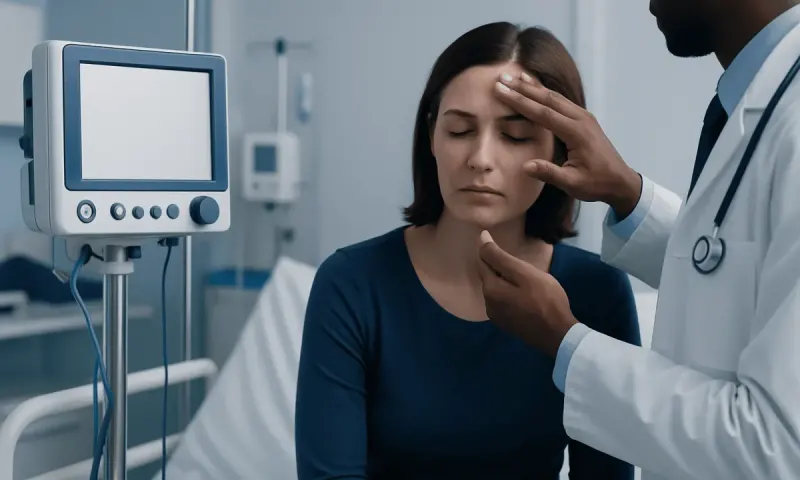
Rabies Can Make Animals Aggressive, but Not Always

A dog snaps at you out of nowhere, or a fox wanders down your street in broad daylight. Is that rabies? Sometimes, yes. Rabies can make an infected animal unusually irritable, fearful, or aggressive. But aggression on its own tells you very little — plenty of healthy animals bite when they are scared or hurting.
Here is the part worth remembering: rabies can be prevented after an exposure if treatment starts promptly. So if you have been bitten or scratched, or an animal’s saliva has touched your eyes, nose, or mouth, get it assessed by a healthcare professional or your public health authority.
Do rabies make animals go aggressive?
Rabies can make some animals unusually aggressive, but it does not always do so. The virus affects the brain and nervous system, which can lead to sudden changes in behavior. An animal that is normally wary may approach people, or a usually gentle animal may snap, bite, growl, or react strongly to ordinary handling.
The good news is that aggression usually has a far more ordinary explanation than rabies. Fear, pain, injury, protecting young, territorial behavior, poor socialization, and other illnesses can all make an animal defensive. A single episode of aggression cannot diagnose rabies, and people should avoid trying to examine, capture, or test an unfamiliar animal themselves.
So don’t judge your risk by how the animal acted. If a person has been bitten or scratched, or saliva from a mammal has entered the eyes, mouth, or an open wound, prompt medical and public health advice is appropriate even when the animal did not appear aggressive.
How rabies can change an animal’s behavior
Rabies is a viral infection transmitted mainly through saliva, most often by a bite from an infected mammal. After the virus reaches the nervous system, it causes progressive inflammation of the brain. The signs seen in animals depend on the species, the stage of illness, and the individual animal.
The form sometimes called “furious” rabies may include restlessness, agitation, repeated biting, attacks without an obvious trigger, excessive vocalizing, and reduced fear of people or other animals. Wild animals may also be seen at unusual times of day or in unusual locations. These are warning signs, though — not proof of infection.
Other animals develop a quieter, or paralytic, form of illness. They may seem withdrawn, weak, disoriented, unusually tame, unable to swallow, drool excessively, stagger, or develop paralysis. In some cases, an animal may initially show irritability and later become weak or unable to move. Rabies cannot be confirmed simply by watching an animal; testing is performed by authorized veterinary or public health laboratories after death.
Red flags after contact with an animal
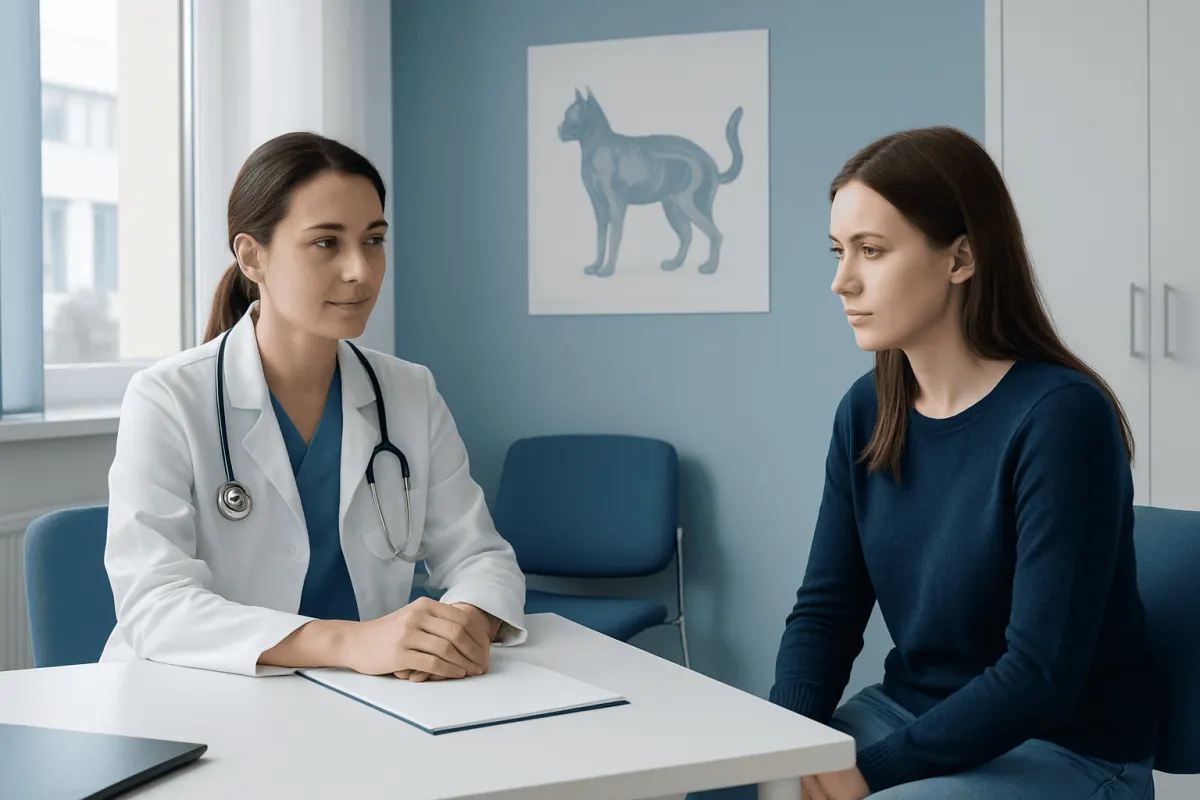
Most people who see an animal behaving oddly will not be exposed to rabies. Simply being near an animal, touching intact fur, or seeing saliva on an object does not usually transmit rabies. The virus must generally enter the body through broken skin or through mucous membranes, such as the eyes, nose, or mouth.
Medical assessment should be sought promptly after a bite, a scratch that breaks the skin, or saliva contact with an open cut or mucous membrane. Risk may be higher when the animal is a bat, stray dog or cat, or wild mammal, particularly in areas where rabies occurs. Bats deserve special attention because their bites can be very small and may not be noticed.
- An unprovoked bite or repeated attempts to bite
- Sudden behavior change, confusion, staggering, weakness, or paralysis
- Excessive drooling, difficulty swallowing, or an abnormal voice or bark
- A wild animal approaching people without fear, or a nocturnal animal active in daytime
- An animal that is unavailable for observation or testing after a possible exposure
These signs do not establish rabies, but they are useful information to report. If safe, noting the species, location, date, and what happened can help healthcare and public health teams decide on next steps.
What to do right away after a bite or scratch
What you do in the first few minutes counts. The affected area should be washed thoroughly with soap and running water as soon as possible, ideally for about 15 minutes. If available, an iodine-containing antiseptic may be used after washing. The wound should not be tightly covered unless a clinician advises it, and people should not apply unproven substances or attempt to suck out saliva.
A healthcare professional should assess the wound, the person’s tetanus vaccination status, the type of animal, local rabies activity, and whether the animal can be safely observed or tested. Antibiotics may be considered for certain bites based on the location and depth of the wound, the animal involved, and the person’s health history.
When rabies exposure is considered possible, clinicians may recommend rabies post-exposure prophylaxis. This preventive treatment can include a rabies vaccine series and, for people who have not previously been vaccinated, rabies immune globulin placed around the wound when feasible. It is designed to prevent infection before symptoms begin and should not be delayed while waiting for an animal’s behavior to become clearer.
How doctors and public health teams assess rabies risk
Doctors do not usually diagnose rabies in a well person immediately after an animal contact. Instead, they assess the likelihood of exposure and act to prevent illness. Important details include the country or region, animal species, whether the event was provoked, the animal’s vaccination history, the type and location of the wound, and whether saliva reached broken skin or mucous membranes.
For a healthy dog, cat, or ferret that can be located, local public health authorities may recommend a defined observation period. If the animal remains well during that period, rabies transmission at the time of the incident is generally not expected. Rules differ by region, so animal control, veterinary authorities, or public health services should guide this process.
Testing an animal for rabies requires specialized laboratory examination of brain tissue and is not performed on a living animal. In people, testing is reserved for those with symptoms suggestive of rabies and requires several specialized samples. That is why acting after a real exposure matters so much: once rabies symptoms appear, the illness is extremely serious and needs urgent hospital care.
Preventing rabies exposure and avoiding animal bites
The best protection is simple — keep your distance from unfamiliar, injured, sick, or wild mammals. Children benefit from clear, calm guidance: do not approach animals that are eating, sleeping, caring for young, trapped, or behaving unexpectedly; ask an owner before touching a pet; and step away rather than run if an animal appears tense.
Pet owners can reduce risk by keeping dogs, cats, and other eligible animals vaccinated according to local laws and veterinary advice. Pets should be supervised outdoors where appropriate, kept away from wildlife, and evaluated by a veterinarian if they are bitten by a wild animal or develop unexplained behavior changes.
Travelers should be especially careful around free-roaming dogs and cats and should avoid handling bats and wildlife. In some destinations, access to rabies vaccines may be limited. People planning prolonged travel, remote work, animal-related activities, or caving can discuss pre-exposure rabies vaccination with a travel medicine clinician; it does not replace medical assessment after a bite, but it simplifies treatment if an exposure occurs.
When to seek medical care
Urgent medical advice is recommended on the day of any bite that breaks the skin, any scratch contaminated with saliva, or any saliva exposure to the eyes, mouth, or an open wound from a mammal that could carry rabies. This is particularly important after contact with bats, wild animals, stray animals, or animals that cannot be found afterward. A person should not wait for symptoms in themselves or the animal.
Emergency care is needed for severe bleeding, deep puncture wounds, bites to the face, hands, feet, genitals, or near a joint, and for signs of infection such as spreading redness, swelling, pus, fever, or worsening pain. People with weakened immune systems should seek prompt advice after any potentially significant animal bite or scratch.
If an animal is behaving aggressively or appears sick, people should keep a safe distance and contact local animal control, wildlife services, or public health authorities rather than attempt to handle it. Acıbadem Health Point’s multidisciplinary specialists and JCI-accredited hospitals can assess animal-bite injuries and advise international patients on appropriate follow-up care.
Frequently asked questions
01Does every rabid animal become violent?
No. Some animals with rabies become aggressive or bite without an apparent reason, but others become quiet, weak, confused, unusually tame, or paralyzed. The absence of aggression does not rule out rabies after a meaningful exposure.
02Can a person get rabies by touching an animal’s fur?
Touching intact fur or skin is not generally considered a rabies exposure. Transmission usually requires saliva or nervous tissue to enter broken skin, the eyes, nose, or mouth. Hands should still be washed after touching an unfamiliar or ill animal.
03What should a person do if a pet dog or cat bites them?
The wound should be washed thoroughly with soap and running water, and medical advice should be obtained, especially if the skin is broken. A clinician or public health authority can consider the pet’s health, vaccination status, availability for observation, and local rabies risk.
04Can rabies be spread by a scratch?
A scratch can be a concern if it breaks the skin and is contaminated with saliva from an infected animal. Scratches without saliva are less likely to transmit rabies, but the wound may still need assessment for infection prevention and tetanus protection.
05How quickly should rabies treatment start after an animal bite?
Medical assessment should happen as soon as possible, ideally on the same day. Rabies post-exposure treatment is effective when given before symptoms begin, so a person should not wait to see whether they feel unwell.
06Should an aggressive animal be captured for testing?
Members of the public should not try to catch or handle a potentially rabid animal, as this can cause further bites or scratches. Local animal control, wildlife professionals, veterinarians, or public health authorities can advise on safe observation, capture, or testing procedures.
This article is for general information only and is not a substitute for professional medical advice. Please consult a qualified doctor about your individual situation.
Explore treatments in Turkey — costs, top hospitals & a free quote
JCI-accredited · board-certified surgeons · reply within 24h
Add us as a Preferred Source to see more of our trusted health content across Google Search, AI Overviews and Discover.