Do High PSA Levels Mean Prostate Cancer?
Prostate cancer PSA levels are measured with a simple blood test and may help identify people who need further prostate assessment. PSA results should be interpreted over time and alongside age, symptoms, examination findings, prostate size, medicines, and imaging rather than as a diagnosis on their own.
Overview: what prostate cancer PSA levels mean
Prostate cancer PSA levels refer to the amount of prostate-specific antigen (PSA) measured in a blood sample. PSA is a protein produced by normal and abnormal prostate cells. The test is commonly used to help assess prostate health, support decisions about further investigation, and monitor people after treatment for prostate cancer.
A raised PSA level does not automatically mean prostate cancer. Benign prostate enlargement, prostate inflammation, a urinary infection, recent ejaculation, cycling, urinary catheterisation, and some medical procedures can temporarily raise PSA. Conversely, some people with prostate cancer have PSA levels within a usual reference range, so doctors consider the whole clinical picture.
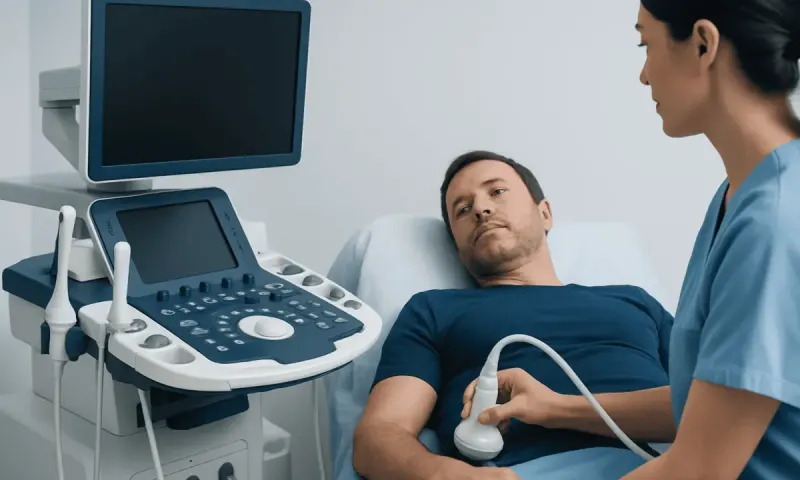
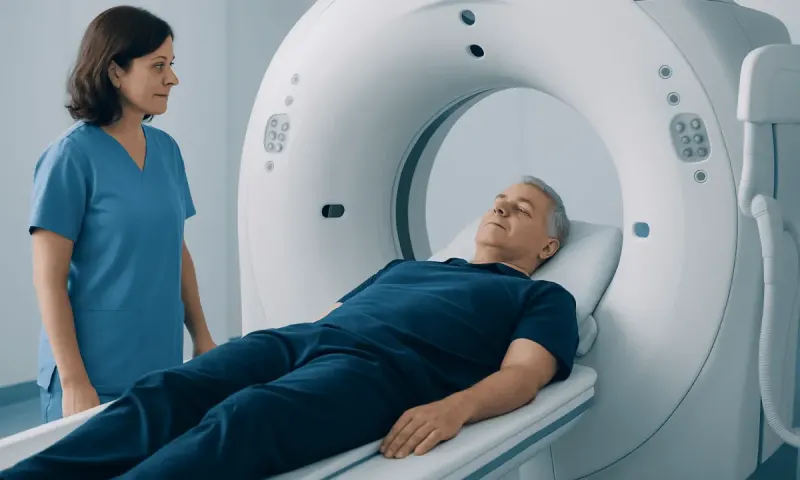
The PSA blood draw is quick and does not usually require special recovery. If the result is unexpected or elevated, a clinician may repeat the test after avoiding factors that can affect it, review medicines and symptoms, perform a digital rectal examination, or arrange additional tests. When cancer is suspected, assessment may include prostate cancer evaluation with multiparametric MRI and, when appropriate, a biopsy.
How the PSA test is performed and how to prepare
PSA testing involves taking a small blood sample, usually from a vein in the arm. The procedure takes only a few minutes. Most people can return to normal activities immediately afterward; mild bruising or tenderness at the needle site can occur but generally settles quickly.
Preparation instructions can vary between laboratories and clinicians. In some situations, a doctor may advise avoiding ejaculation and vigorous cycling for about 24 to 48 hours before the test because these can temporarily influence PSA. It is also important to mention urinary symptoms, recent infections, use of a catheter, recent prostate procedures, and all medicines or supplements.
Some medicines used for benign prostate enlargement, including 5-alpha-reductase inhibitors, can lower PSA readings. The prescribing clinician should know about these medicines so the result can be interpreted correctly. PSA is best compared with previous results obtained under similar circumstances whenever possible.
Understanding PSA results and changes over time

PSA is commonly reported in nanograms per millilitre (ng/mL). There is no single PSA value that definitively separates cancer from non-cancer causes. Laboratories may provide reference ranges, and doctors often interpret PSA in relation to a person’s age, prostate volume, family history, ethnicity, symptoms, and prior results.
Doctors may consider the PSA trend, sometimes called PSA kinetics, rather than relying only on one number. A persistent rise may warrant further assessment, but PSA can fluctuate naturally. A change in the test method, infection, inflammation, or differences in preparation can also make a result appear to rise significantly.
Other measures can add useful context. These may include the ratio of free PSA to total PSA, PSA density based on prostate volume, a rectal examination, urine testing, and prostate MRI. If risk remains concerning after these checks, a urologist may discuss prostate biopsy to determine whether cancer cells are present.
Is a PSA score of 9 considered high?
A PSA level of 9 ng/mL is above the typical reference range used for many adults and should be reviewed by a doctor or urologist. However, it is not enough to diagnose prostate cancer because benign enlargement, prostatitis, urinary infection, and recent prostate irritation can also produce a result in this range. The next step may be to repeat the test, treat or exclude infection, review the PSA trend, and consider MRI or other risk-assessment tools.
Is it normal for my PSA level to increase significantly in 6 months?
A noticeable PSA increase over six months should not be ignored, but it is not always caused by cancer. Temporary rises can occur with urinary infection, prostate inflammation, ejaculation, cycling, instrumentation, or normal laboratory variation. A clinician may repeat the PSA under standardised conditions and assess symptoms before deciding whether imaging or referral is needed.
Why PSA may be high: causes and risk factors
Prostate cancer is one possible cause of a high PSA level, but it is not the most common explanation for every elevated result. Benign prostatic hyperplasia, also called an enlarged prostate, becomes more common with age and can raise PSA because there is more prostate tissue producing the protein. Inflammation of the prostate and urinary tract infections can also cause substantial temporary increases.
Risk factors that may affect a doctor’s level of concern include older age, a father or brother with prostate cancer, certain inherited gene changes, and Black ancestry. These factors do not mean a person will develop cancer, but they can guide when PSA testing and specialist assessment may be appropriate.
Symptoms such as needing to urinate more often, a weak stream, urgency, or getting up at night are often related to benign prostate enlargement rather than cancer. Early prostate cancer commonly causes no symptoms. New urinary symptoms still deserve medical assessment because they may need treatment and can sometimes signal another urinary condition.
Can PSA levels go down with prostate cancer without treatment?
Yes. PSA levels can go down or fluctuate even when prostate cancer is present, particularly if an earlier increase was partly related to inflammation, infection, recent ejaculation, or ordinary biological variation. A falling PSA does not reliably rule out cancer, just as a rising PSA does not prove it. Doctors assess repeated results together with examination findings, imaging, and individual risk factors.
How doctors investigate an abnormal PSA result
If PSA is elevated, the first step is often to confirm the result and look for reversible causes. A clinician may ask about urinary symptoms, fever, pelvic discomfort, sexual activity, cycling, prior testing, and recent procedures. A urine test may be used if infection is suspected, while a digital rectal examination can assess whether the prostate feels enlarged, irregular, or firm.
Multiparametric MRI can provide detailed images of the prostate and help identify areas that may need targeted sampling. MRI can also help some people avoid an immediate biopsy when the scan and other clinical information suggest a low likelihood of clinically significant cancer. The appropriate pathway depends on the individual’s overall risk.
If a biopsy is recommended, small samples of prostate tissue are collected and examined by a pathologist. The results can confirm whether cancer is present and, if so, describe features such as grade and extent. These findings help guide decisions about monitoring, surgery, radiotherapy, hormone therapy, or other treatments.
PSA after diagnosis and treatment
For people with confirmed prostate cancer, PSA has an important but different role: it helps with staging, treatment planning, and follow-up. The expected PSA pattern depends on the treatment chosen. During active surveillance, regular PSA testing and other assessments help identify changes that may suggest the cancer needs active treatment.
After surgical removal of the prostate, PSA is expected to fall to a very low or undetectable level over time because most PSA-producing prostate tissue has been removed. After radiotherapy, PSA generally declines more gradually and may not become undetectable because the prostate remains in place. Small temporary rises can occur after radiotherapy, so results require careful interpretation by the treating team.
If PSA rises after treatment, this does not automatically mean that cancer has returned or spread. Doctors consider the amount and pattern of change, the treatment history, physical findings, and appropriate imaging before discussing next steps. Treatment choices may include prostatectomy, radiotherapy, hormone-based treatment, focused treatment for recurrence, or continued observation depending on the situation.
Can I recover from prostate cancer?
Many people with prostate cancer, especially when it is confined to the prostate or considered lower risk, can be treated successfully or managed safely for many years. Some cancers grow so slowly that active surveillance is appropriate, while others require treatment intended to cure or control the disease. Prognosis depends on the cancer’s grade, stage, PSA pattern, overall health, and response to treatment, so an individual discussion with the cancer care team is essential.
When to seek medical care
A person should arrange a medical appointment to discuss a raised PSA result, particularly if it remains elevated on repeat testing or is increasing over time. Prompt assessment is also appropriate for new urinary difficulties, blood in the urine or semen, unexplained bone pain, unexplained weight loss, or a strong family history of prostate cancer. These symptoms can have many causes, but they should be evaluated rather than self-diagnosed.
Urgent medical advice is needed for inability to pass urine, fever or chills with urinary symptoms, severe pain, or feeling acutely unwell, as these may indicate urinary retention or infection. PSA testing is not usually performed during an acute urinary infection because results may be misleading; the clinician can advise on the right timing for repeat testing.
People with questions about screening should have an informed discussion with a qualified doctor. The conversation should cover personal risk, potential benefits, possible false-positive and false-negative results, and what further testing might involve. Acıbadem Health Point’s multidisciplinary specialists and JCI-accredited hospitals support diagnosis and treatment planning for international patients with prostate conditions and prostate cancer.
Frequently asked questions
01What PSA level is considered normal?
There is no PSA result that is normal for every person or that completely rules out prostate cancer. PSA interpretation depends on age, prostate size, medicines, family history, symptoms, and changes over time. A clinician can explain what a particular result means in its individual context.
02Can an enlarged prostate raise PSA without cancer?
Yes. Benign prostatic hyperplasia, or non-cancerous prostate enlargement, can increase PSA because the enlarged gland produces more PSA. This is one reason a high result requires further assessment rather than being treated as proof of cancer.
03Should PSA be repeated after a high result?
Often, yes. Doctors may repeat PSA to confirm the result, especially when there may have been temporary influences such as infection, ejaculation, cycling, or a recent urinary procedure. The timing should be decided with a clinician, particularly if urinary infection or inflammation is suspected.
04Does a high PSA always require a biopsy?
No. A biopsy is not necessary for every elevated PSA result. Repeat testing, clinical examination, urine tests, PSA-related measures, and multiparametric MRI may help determine whether biopsy is appropriate.
05How quickly does PSA fall after prostate cancer surgery?
After the prostate is removed, PSA usually decreases to a very low or undetectable level within several weeks, although the exact timing varies. The surgical team will schedule follow-up blood tests and explain the expected result for that person. Any unexpected PSA pattern should be interpreted by the treating specialist.
06Can sex or cycling affect a PSA test?
Ejaculation and prolonged or vigorous cycling may temporarily increase PSA in some people. A clinician or laboratory may recommend avoiding these activities for 24 to 48 hours before testing. Following the same preparation before repeat tests can make comparisons more reliable.
This article is for general information only and is not a substitute for professional medical advice. Please consult a qualified doctor about your individual situation.
Oncology care in Turkey — second opinion and treatment plan
JCI-accredited · board-certified surgeons · reply within 24h
Add us as a Preferred Source to see more of our trusted health content across Google Search, AI Overviews and Discover.