Do Cold Showers Boost Testosterone Long Term?
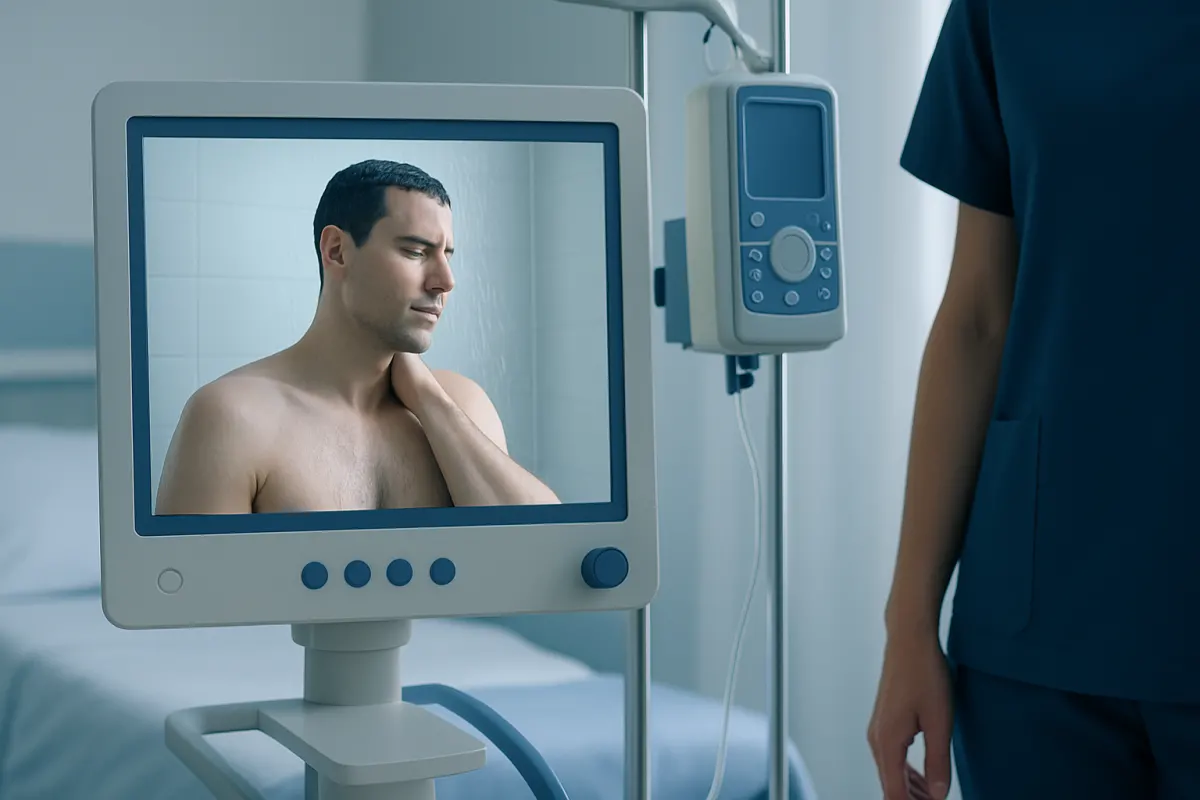
Cold showers are usually harmless for healthy people when approached gradually, but they are not a proven way to raise testosterone. Persistent symptoms such as low libido, erectile difficulties, reduced strength, or unexplained fatigue deserve medical assessment rather than reliance on cold exposure.
Do cold showers boost testosterone?
Cold showers are not proven to boost testosterone in a lasting or clinically meaningful way. A brief cold shower may make a person feel alert, energized, or accomplished, but these effects do not demonstrate higher testosterone production. For most healthy adults, trying a comfortably brief cold shower is unlikely to cause harm, provided they stop if they feel unwell.
The idea is often linked to studies of cold exposure, athletic recovery, or short-lived changes in stress hormones. These findings should not be interpreted as evidence that daily cold showers treat low testosterone. Testosterone levels naturally change throughout the day and can be influenced by sleep, illness, alcohol use, calorie intake, exercise, and laboratory timing.
If a person is concerned about hormone health, the more useful focus is on persistent symptoms and overall wellbeing. A medical evaluation can identify whether testosterone is truly low and whether another health issue may be contributing.
What the evidence on cold exposure actually shows
Cold water exposure activates the body’s stress response. Breathing may become faster, heart rate and blood pressure can rise, and the nervous system releases chemicals involved in alertness and adaptation. These immediate changes may explain why some people report feeling more awake after a cold shower, but they do not establish a durable hormonal benefit.
Research on cold exposure and reproductive hormones is limited, often small, and uses different methods, temperatures, and exposure durations. Some studies have explored cold environments, cold-water immersion, or occupational exposure rather than ordinary showers. Results are mixed and do not provide reliable evidence that cold showers increase baseline testosterone or improve symptoms of testosterone deficiency.
Testosterone is also not a simple measure of energy, masculinity, fitness, or sexual health. A single temporary laboratory variation is not the same as a sustained improvement in hormone function. Clinicians interpret testosterone results alongside symptoms, repeat testing, and other relevant blood tests.
Cold exposure may have other possible effects that are still being studied, but it should not replace evidence-based care. This is particularly important for anyone using cold showers in place of treatment for ongoing sexual, mood, sleep, or physical symptoms.
Why testosterone levels vary
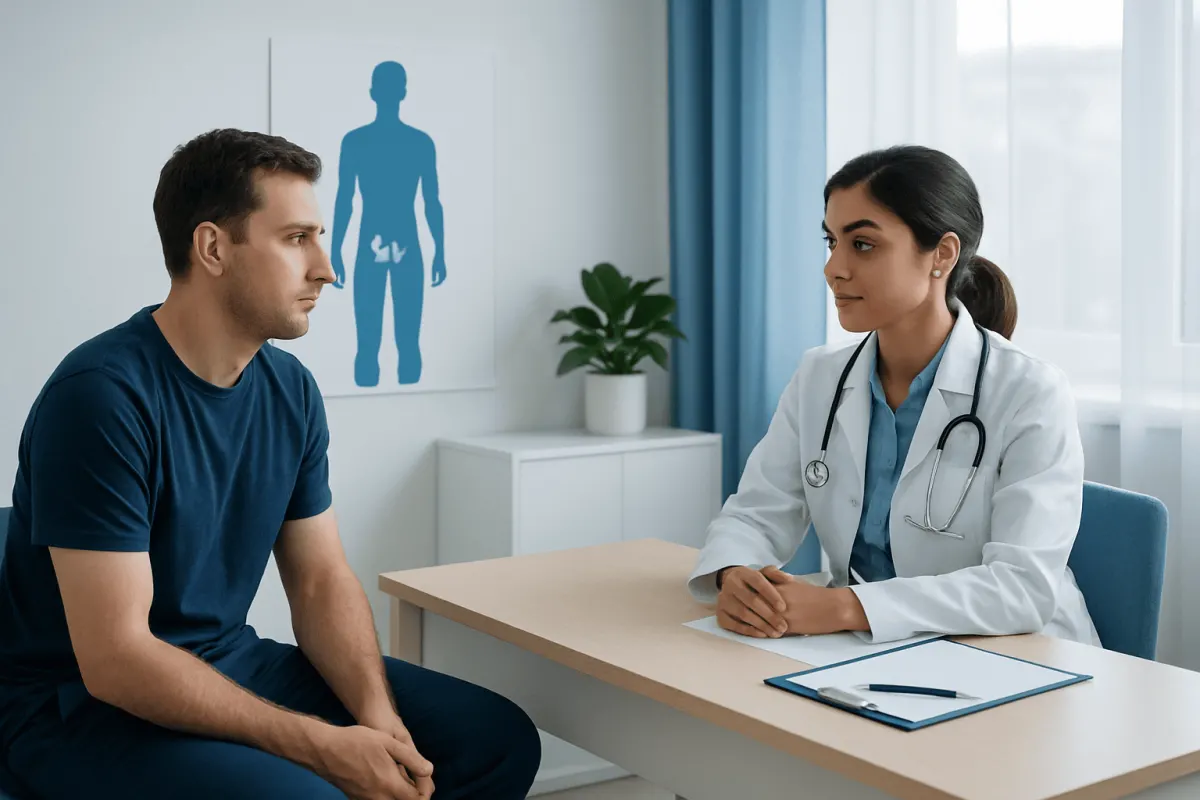
Testosterone is produced mainly in the testes in men and in smaller amounts in the ovaries and adrenal glands in women. Levels vary naturally by age, time of day, health status, and individual biology. In many men, levels are highest in the morning, which is why testing is commonly arranged early in the day.
Short-term influences can lower a measurement without indicating a long-term hormone disorder. Poor sleep, acute illness, severe stress, significant calorie restriction, heavy alcohol use, and some medicines may affect testosterone levels. Intense training without enough recovery can also affect hormones and performance.
Longer-term contributors can include obesity, obstructive sleep apnea, diabetes, chronic medical conditions, pituitary disorders, and testicular conditions. Some people have symptoms due to another condition entirely, such as depression, anxiety, anemia, thyroid disease, or medication side effects.
For this reason, someone with persistent concerns should avoid self-diagnosing from online symptoms or a single home test. A clinician can determine whether evaluation for low testosterone or another health condition is appropriate.
Symptoms that may need a hormone assessment
Low testosterone can cause symptoms, but no symptom on its own confirms the diagnosis. Possible features in adult men include reduced sexual desire, fewer spontaneous erections, erectile difficulties, reduced energy, lower muscle strength, reduced shaving frequency, infertility concerns, and loss of bone density over time. Mood changes and reduced concentration can occur but are nonspecific.
Many of these concerns are common and often have causes unrelated to testosterone. For example, erectile difficulties may be related to blood vessel health, diabetes, anxiety, medications, relationship factors, or sleep problems. Persistent fatigue may be associated with anemia, low mood, thyroid disorders, infection, poor sleep, or nutritional issues.
It is reasonable to seek advice if symptoms are ongoing, interfere with daily life, or occur with a change in sexual function or fertility. Rather than trying to correct symptoms with cold exposure or unregulated supplements, a person can discuss their full health history with a qualified clinician.
- Symptoms lasting several weeks or months merit a routine medical appointment.
- A sudden severe headache, vision change, chest pain, fainting, or shortness of breath needs urgent medical attention.
- New testicular pain, swelling, a lump, or injury should be assessed promptly.
How doctors check for low testosterone
A doctor usually begins by asking about symptoms, sleep, stress, exercise, diet, alcohol and substance use, fertility goals, medicines, and past medical conditions. A physical examination may include assessment of body composition, body hair changes, breast tissue, testicular size, blood pressure, and signs of other endocrine conditions.
If testing is appropriate, testosterone is generally measured with an early-morning blood test, when levels are often higher. Because levels fluctuate, a low result is commonly confirmed on a separate morning sample before a diagnosis is made. The clinician may also assess free testosterone or sex hormone-binding globulin when needed.
Additional tests depend on the individual situation and may include luteinizing hormone, follicle-stimulating hormone, prolactin, thyroid tests, blood count, glucose testing, or iron studies. These can help distinguish a problem involving the testes from one involving hormone signaling in the brain or pituitary gland, and can identify other causes of similar symptoms.
Testing should be interpreted carefully, particularly during acute illness or after major sleep disruption. A clinician can explain what results mean in the context of age, symptoms, and overall health rather than relying on a single number.
Supportive habits for testosterone and general health
There is no single lifestyle practice that guarantees higher testosterone, but several habits support hormonal health and wellbeing. Regular physical activity, including resistance training suited to the person’s health and experience, can help preserve muscle strength, metabolic health, and mood. Adequate recovery is important, especially for people who train intensely.
Consistent sleep is also important. Snoring, witnessed pauses in breathing, daytime sleepiness, or unrefreshing sleep should be discussed with a clinician because sleep disorders can affect energy, sexual health, and hormone regulation. A balanced eating pattern that provides enough energy, protein, and essential nutrients is preferable to restrictive diets or unverified “testosterone booster” products.
Maintaining a weight that supports health, limiting excess alcohol, avoiding anabolic steroid misuse, and managing chronic conditions can be more meaningful than cold showers. Anabolic steroids can suppress the body’s own testosterone production and may affect fertility, mood, heart health, and other body systems.
Someone who enjoys cold showers may continue them for comfort or alertness if they feel well, but should start gradually and avoid extreme exposure. People with heart disease, uncontrolled high blood pressure, Raynaud’s phenomenon, cold-induced hives, or a history of fainting should seek medical advice before deliberate cold-water exposure.
When to seek medical care
Most people who try cold showers do not need medical care solely because of the practice. However, persistent low libido, erection changes, infertility concerns, reduced strength, loss of body hair, breast enlargement, or ongoing fatigue should be reviewed by a doctor. These symptoms are treatable in many cases, but the right approach depends on the cause.
Prompt assessment is advisable for testicular pain or swelling, a new testicular lump, a significant head injury followed by hormonal symptoms, or headaches with vision changes. Emergency care is needed for chest pain, severe breathing difficulty, loss of consciousness, or a dangerous reaction during cold exposure.
When low testosterone is confirmed and treatment is appropriate, options may include addressing an underlying health condition, improving contributing lifestyle factors, or considering medically supervised testosterone replacement therapy. Testosterone treatment is not suitable for everyone and can affect fertility, so plans should be individualized with a specialist.
Acıbadem Health Point’s multidisciplinary specialists and JCI-accredited hospitals can assess hormone-related concerns and related conditions for international patients. The aim of evaluation is to provide a clear diagnosis and safe, personalized guidance rather than relying on unproven methods.
Frequently asked questions
01Can a cold shower raise testosterone temporarily?
Current research does not provide reliable evidence that an ordinary cold shower causes a meaningful temporary or lasting testosterone increase. Cold exposure can produce short-term stress and alertness responses, which are not the same as improved testosterone production. A brief change in how a person feels after a shower cannot diagnose or treat low testosterone.
02How long should a cold shower be to boost testosterone?
There is no evidence-based duration because cold showers have not been shown to boost testosterone reliably. Extending exposure does not make it a proven hormone treatment and may increase discomfort or risk for susceptible people. Anyone who chooses cold showers should keep exposure comfortable and stop if they feel dizzy, unwell, or excessively short of breath.
03What naturally supports healthy testosterone levels?
Adequate sleep, regular exercise, maintaining overall metabolic health, eating enough nutritious food, and limiting excess alcohol can support hormonal health. Treating conditions such as sleep apnea, obesity, diabetes, or thyroid disease may also be important. These measures do not guarantee a specific testosterone level, but they are more evidence-based than cold exposure.
04What are the first signs of low testosterone?
Possible symptoms include reduced sexual desire, fewer spontaneous erections, low energy, reduced strength, mood changes, and fertility concerns. These symptoms overlap with many other medical and psychological conditions. A doctor can determine whether hormone testing is needed rather than assuming testosterone is the cause.
05Can cold showers be unsafe?
Cold showers can trigger a sudden rise in breathing rate, heart rate, and blood pressure, especially when exposure is abrupt or very cold. People with heart or circulation conditions, uncontrolled blood pressure, fainting episodes, or cold-related disorders should speak with a clinician first. Gradual exposure and avoiding extreme cold are sensible precautions for healthy people as well.
06Should someone take testosterone if they feel tired?
Tiredness alone is not enough to diagnose low testosterone or to justify testosterone treatment. Testosterone therapy should only be considered after a clinical assessment and appropriately timed blood tests confirm a relevant deficiency. It may not be suitable for people with certain health conditions and can reduce fertility.
This article is for general information only and is not a substitute for professional medical advice. Please consult a qualified doctor about your individual situation.
Medical weight-loss options in Turkey — costs & eligibility
JCI-accredited · board-certified surgeons · reply within 24h
Add us as a Preferred Source to see more of our trusted health content across Google Search, AI Overviews and Discover.