Dissociative Amnesia Is Memory Loss Tied to Severe Stress

Imagine reaching for a memory that should be there — a week of your life, a relationship, even something about who you are — and finding nothing at all. Not the ordinary blank of a forgotten name. A real gap.
That is what dissociative amnesia can feel like. It is a mental health condition in which a person cannot recall important personal information, usually after severe stress or trauma, and the memory loss is not explained by ordinary forgetting or a neurological disease alone.
It is frightening. It is also treatable. With careful evaluation and supportive treatment, many people improve and recover function over time.
Overview
Dissociative amnesia is a condition in which a person is unable to remember important personal information, most often after trauma, abuse, conflict, disaster, or overwhelming stress. The memory gap is broader than normal forgetting and usually affects autobiographical memories, such as details about identity, life events, or parts of a distressing experience.
This condition belongs to a group of mental health conditions called dissociative disorders. Dissociation is a disruption in the normal integration of memory, identity, awareness, emotions, or perception. In dissociative amnesia, the main problem is memory loss that cannot be fully explained by substances, a neurological condition, or ordinary absent-mindedness.
Dissociative amnesia can look different from person to person. Some people forget a specific event or time period, while others may have broader gaps in personal history. In rare cases, a person may travel away from home or appear confused about identity, a pattern historically described as dissociative fugue.
The experience can be frightening, but help exists. A careful medical and psychological assessment is used to understand the cause of memory loss and to guide supportive care.
How dissociative amnesia affects memory and daily life
The memory problems in dissociative amnesia usually involve autobiographical memory rather than general knowledge or learned skills. A person may still know how to drive, use a phone, or do work tasks, yet be unable to recall painful events, certain relationships, or even details about who they are.
These memory gaps may be localized, affecting one specific period; selective, affecting only parts of an event; generalized, involving much of a person’s life history; or continuous, affecting ongoing memory for new events. Symptoms may last briefly or continue for longer periods, and memories sometimes return suddenly or gradually.
Daily life can be affected in many ways. A person may feel distressed, ashamed, confused, emotionally numb, or detached. Difficulties with work, school, relationships, and self-care may follow, especially if the memory loss occurs alongside anxiety, depression, sleep problems, or post-traumatic stress disorder.
Let us be clear about one thing: people with dissociative amnesia are not “pretending” to forget. The symptoms are real and may reflect the mind’s response to overwhelming stress. Being met with compassion, rather than suspicion, helps reduce stigma and supports recovery.
Symptoms, patterns, and possible triggers

The main symptom of dissociative amnesia is an inability to recall important personal information that would normally be expected to be remembered. The forgotten material often relates to trauma or severe stress, but not always. The person may become aware of the memory gap suddenly, or it may be noticed by relatives, friends, or clinicians.
Other symptoms can occur at the same time, including depersonalization, feeling emotionally disconnected, anxiety, panic, depression, sleep disturbance, difficulty concentrating, and physical symptoms of stress. Some people experience episodes that overlap with other dissociative disorders, which is why broad mental health assessment is useful.
Common triggers include:
- Physical, emotional, or sexual trauma
- Domestic violence or childhood adversity
- Combat exposure, disaster, or accidents
- Severe relationship conflict or loss
- Intense shame, fear, or internal conflict
- Major life stress in a person with previous trauma
Symptoms may become more obvious during stressful reminders of the original experience. Even when the exact memory is missing, the body may still react with fear, avoidance, or distress around certain people, places, or situations.
Causes and risk factors
Dissociative amnesia is understood as a complex response to overwhelming stress rather than a simple failure of memory. The brain and mind normally work together to organize experiences into memory. Under extreme stress, this process may become disrupted, especially when a person feels trapped, terrified, or unable to cope.
Not everyone who experiences trauma develops dissociative amnesia. Risk can be higher in people with repeated childhood trauma, insecure attachment, previous dissociative symptoms, coexisting PTSD, depression, anxiety disorders, or limited social support. Ongoing danger, substance misuse, and high stress can also make symptoms worse.
Even so, trauma is not the only possible explanation for memory loss, and a good clinician will keep that in mind. Conditions affecting the brain, severe sleep deprivation, intoxication, seizures, concussion, infections, medication effects, and neurodegenerative disease can also impair memory and may need to be excluded.
So a balanced assessment matters. Your symptoms should not be waved away as “just stress,” and a medical cause should not be missed either. Doctors look at the full picture: symptoms, timing, stressors, medical history, and examination findings.
How doctors diagnose dissociative amnesia
Diagnosis begins with a detailed history and mental health evaluation. A doctor or mental health professional asks about the memory problem, recent stressors, trauma history, medical conditions, medications, alcohol or substance use, sleep, mood, and safety concerns. Family input may sometimes help clarify what changes have occurred.
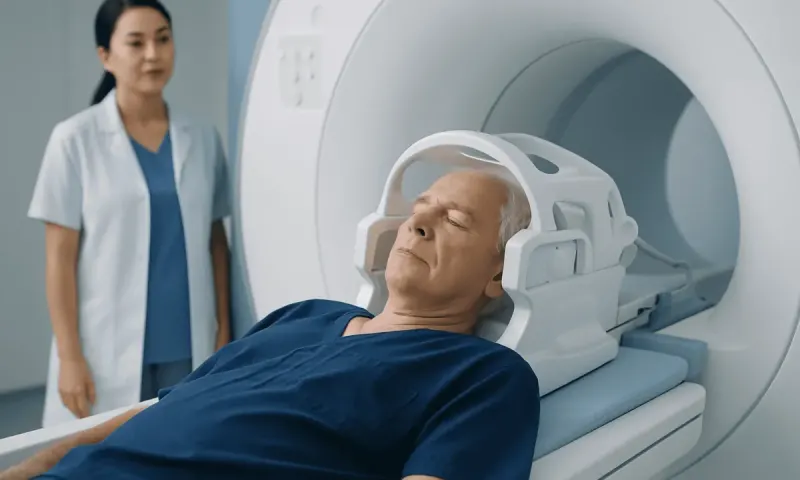
Dissociative amnesia is diagnosed clinically, but testing may be needed to rule out other causes. Depending on symptoms, a clinician may recommend blood tests, cognitive assessment, toxicology screening, brain imaging, or an MRI scan if a neurological cause is possible. When there are episodes of staring, blackouts, shaking, or confusion, an EEG may help evaluate for seizure-related conditions.
The doctor may also assess for related conditions such as PTSD, depression, anxiety, self-harm risk, or Neurological Symptoms: When Stress Is Not the Whole Story" class="ahp-ilk">functional neurological symptoms. In some cases, consultation with specialists in psychiatry and neurology is appropriate, especially if the presentation is complex or sudden.
No single lab test can prove dissociative amnesia. The diagnosis rests on recognizing a pattern of trauma- or stress-related autobiographical memory loss while carefully excluding conditions that need different treatment.
Treatment options and recovery
Treatment focuses first on safety, stabilization, and supportive care. If the person is in danger, severely distressed, or unable to function safely, urgent psychiatric or medical support may be needed. Once immediate concerns are addressed, treatment aims to reduce stress, improve coping, and help the person process underlying trauma in a paced, supportive way.
Psychotherapy is the main treatment. Approaches may include trauma-informed therapy, supportive psychotherapy, cognitive behavioral strategies, grounding techniques, and treatment for coexisting PTSD, anxiety, or depression. Therapy does not force memories to return. Its job is to help you regain a sense of safety and control while addressing the emotional impact of symptoms.
There is no medication that specifically cures dissociative amnesia, but medicines may be used for related problems such as insomnia, depression, panic, or severe anxiety. Care plans are individualized. Clinicians generally avoid sensational or leading techniques that may increase confusion or distress.
Recovery varies. Some people regain memories gradually as stress decreases, while others recover only parts of what was lost. Even when full memory does not return, many people can still improve in daily functioning, relationships, and emotional well-being with structured care and follow-up.
Self-care, support, and when to seek medical care
Self-care will not replace treatment, but it does support it. Helpful steps include keeping a regular sleep schedule, limiting alcohol and recreational drugs, eating regularly, and using grounding skills during episodes of detachment or panic. A notebook, calendar, or phone reminders may help with day-to-day organization while symptoms are being assessed.
Trusted support from family or friends can also be valuable, especially when offered calmly and without pressure. Pushing someone to remember distressing events rarely helps; focusing on present safety and daily routine usually does. If trauma is suspected, a trauma-informed mental health professional is the best guide.
Medical care should be sought promptly if memory loss starts suddenly, follows a head injury, or occurs with fainting, seizure-like episodes, severe confusion, weakness, speech trouble, new severe headache, fever, or substance use. Urgent help is also needed if the person feels unsafe, has thoughts of self-harm, or cannot care for basic needs.
For people needing multidisciplinary evaluation, Acıbadem Health Point’s specialists in mental health, neurology, and diagnostic services work together in JCI-accredited hospitals to assess and treat complex memory symptoms in international patients.
Frequently asked questions
01What is dissociative amnesia in simple terms?
Dissociative amnesia is a condition where a person cannot remember important personal information, often after trauma or severe stress. The memory loss is more significant than normal forgetting and is not explained by ordinary distraction alone.
02Is dissociative amnesia the same as dementia or Alzheimer's disease?
No. Dementia and Alzheimer's disease are brain disorders that usually cause progressive problems with memory and thinking, while dissociative amnesia is typically related to stress or trauma and mainly affects autobiographical memory. Doctors may still need to rule out neurological causes before confirming the diagnosis.
03Can memories come back after dissociative amnesia?
Yes, memories may return gradually or sometimes quite suddenly. Recovery varies from person to person, and some people remember only part of what was lost. Treatment focuses on safety and coping rather than forcing recall.
04How is dissociative amnesia diagnosed?
A clinician diagnoses it through a detailed medical and psychological assessment. Tests such as brain imaging, blood work, or EEG may be used to exclude other causes like seizures, injury, substance effects, or neurological disease.
05What treatments help dissociative amnesia?
Psychotherapy is the main treatment, especially trauma-informed and supportive approaches. Treatment may also address related conditions such as PTSD, anxiety, depression, or sleep problems, and urgent care may be needed if safety is a concern.
06When should someone seek urgent help for memory loss?
Urgent medical care is important if memory loss begins suddenly, follows a head injury, or occurs with confusion, weakness, speech problems, seizures, or a severe headache. Emergency help is also needed if there are thoughts of self-harm or inability to stay safe.
This article is for general information only and is not a substitute for professional medical advice. Please consult a qualified doctor about your individual situation.
Explore treatments in Turkey — costs, top hospitals & a free quote
JCI-accredited · board-certified surgeons · reply within 24h
Add us as a Preferred Source to see more of our trusted health content across Google Search, AI Overviews and Discover.