Memory Loss Not Dementia: Potentially Reversible Causes
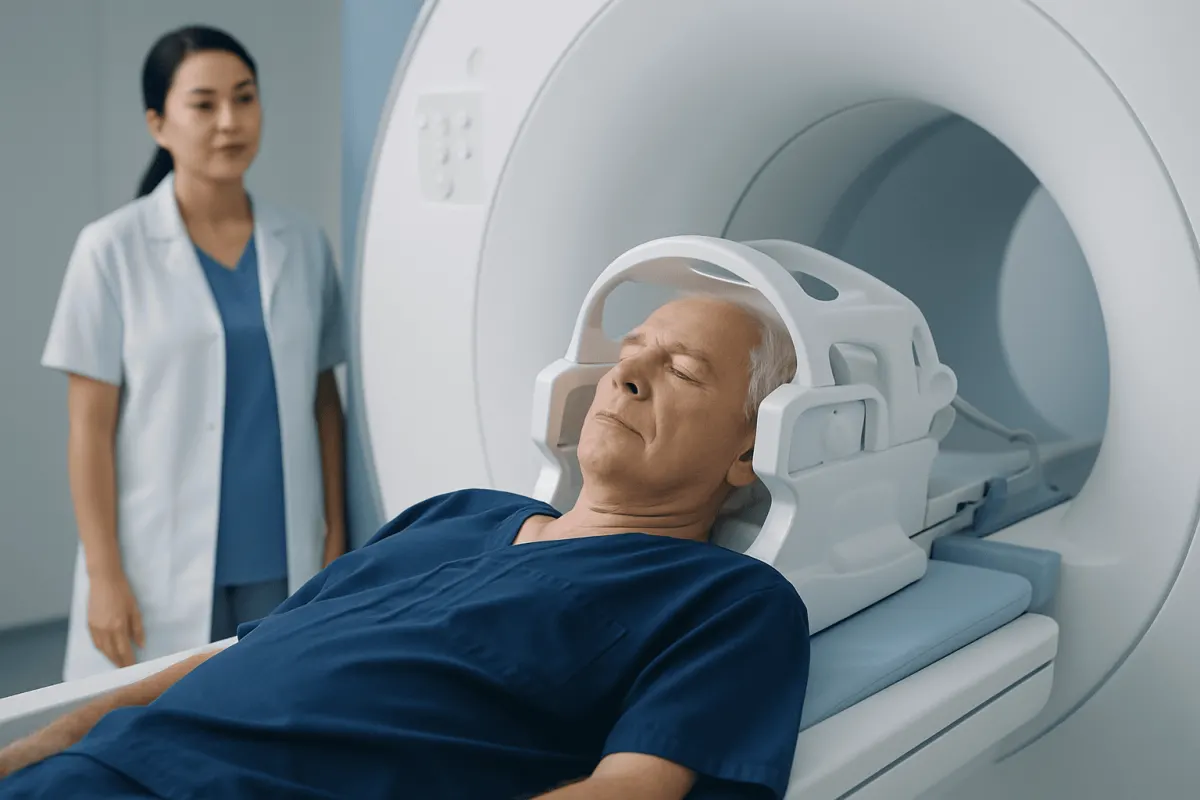
Memory changes in later life are not always caused by dementia. Medicines, mood disorders, sleep disruption, infections, hormone or vitamin problems, and other health conditions can affect thinking and may improve when the underlying cause is identified and treated.
Overview: Memory Loss Has More Than One Cause
Forgetting an occasional name, misplacing an item, or needing more time to learn new information can happen with normal ageing. However, memory difficulties that interfere with everyday activities, become noticeably worse, or concern family members should be assessed by a healthcare professional. Memory symptoms are not automatically a sign of dementia.
Dementia is a term for an ongoing decline in thinking abilities that affects independence. Conditions such as Alzheimer’s disease and vascular disease can cause dementia, but several other problems can imitate dementia or worsen existing cognitive symptoms. Some are reversible, while others can be treated or managed to improve day-to-day function.
It is especially important to distinguish gradual memory concerns from sudden confusion. A rapid change in attention, alertness, behaviour, or ability to think clearly may be delirium. Delirium is often linked to an acute medical problem and needs prompt evaluation.
Symptoms That May Suggest a Treatable Problem
Memory problems do not look the same in every person. Someone may repeatedly ask the same question, struggle to follow a conversation, lose track of appointments, have trouble finding words, or make unusual errors with familiar tasks. Family members may first notice changes in organisation, mood, sleep, appetite, or social engagement rather than forgetting itself.
Symptoms that fluctuate during the day, begin suddenly, or occur alongside fever, pain, dehydration, poor sleep, low mood, medication changes, or a recent illness may point toward a potentially reversible contributor. Difficulty concentrating can also feel like poor memory: if the brain cannot focus on information in the first place, it may not store that information reliably.
Urgent assessment is appropriate when confusion develops over hours to days, particularly with drowsiness, agitation, hallucinations, fever, a fall or head injury, new weakness, speech difficulty, severe headache, or changes in consciousness. These features can indicate delirium, stroke, infection, or another acute condition.
Common Reversible or Treatable Causes

Medication effects are a frequent and sometimes overlooked cause of confusion or forgetfulness in older adults. Sedatives, sleeping medicines, some anxiety medicines, strong pain medicines, medicines with anticholinergic effects, and certain bladder or allergy treatments may impair attention and memory. Interactions between medicines, alcohol use, and reduced kidney or liver function can increase these effects. No prescribed medicine should be stopped abruptly without medical advice.
Depression, anxiety, grief, loneliness, and prolonged stress can affect concentration, motivation, sleep, and memory. In some people, depression may present mainly as slowed thinking, forgetfulness, or withdrawal rather than sadness. Appropriate mental health care, social support, and treatment of contributing medical problems can improve cognitive symptoms.
Sleep problems are another important factor. Insomnia, irregular sleep schedules, and obstructive sleep apnea can reduce alertness and impair attention, memory, and mood. Treating sleep apnea or improving sleep habits may help daytime function. Hearing and vision loss can also make it harder to take in information accurately, which can appear to be memory loss.
Medical conditions that may contribute include dehydration, poor nutrition, vitamin B12 deficiency, thyroid disorders, diabetes-related glucose changes, anemia, kidney or liver disease, and infections. In older adults, infections may sometimes cause confusion without typical symptoms. Alcohol misuse and nutritional deficiencies can also affect the brain and nervous system.
- Acute illness or infection can cause sudden confusion, particularly in frail adults.
- Low or high blood sugar may affect thinking and behaviour.
- Vitamin and hormone abnormalities may be identified with targeted blood tests.
- Pain, constipation, urinary retention, and reduced oxygen levels can contribute to delirium in vulnerable people.
How Doctors Evaluate Memory Changes
A medical assessment begins with a detailed history. The clinician may ask when the symptoms began, whether they are progressing or fluctuating, how they affect daily life, and whether there have been recent illnesses, falls, mood changes, sleep difficulties, alcohol use, or medication changes. Input from a close relative or caregiver can be helpful because the person experiencing memory symptoms may not notice all changes.
A physical and neurological examination may be followed by brief tests of memory, attention, language, planning, and orientation. These screening tools do not diagnose dementia on their own; they help identify the pattern and severity of cognitive difficulty. More detailed neuropsychological testing may be recommended when the diagnosis remains unclear.
Doctors commonly review all prescription medicines, over-the-counter products, supplements, and alcohol use. Blood tests may check for problems such as thyroid dysfunction, vitamin B12 deficiency, anemia, electrolyte imbalance, kidney or liver dysfunction, or abnormal glucose levels. Brain imaging may be considered when symptoms are new, rapidly progressing, associated with neurological signs, or suggest a structural brain condition.
Assessment may identify more than one cause. For example, a person with early neurodegenerative disease may also have untreated sleep apnea, depression, or medication side effects. Addressing these contributors can still improve comfort, clarity, and daily functioning.
Treatment Options and Support
Treatment is guided by the cause. A clinician may adjust medicines that impair alertness, treat an infection or metabolic problem, correct a nutritional deficiency, manage thyroid disease, or address sleep apnea. When depression or anxiety is present, treatment may include counselling, structured activity, social connection, and medicines when appropriate.
For delirium, the priority is to identify and treat the underlying trigger while supporting hydration, nutrition, sleep, mobility, and orientation. Familiar people, glasses, hearing aids, calm communication, and a well-lit environment can be useful. Sedating medicines are generally avoided unless there is a specific medical reason and close supervision.
Hearing and vision assessment can be an important part of care. Updating glasses, treating eye conditions, removing earwax when appropriate, or using hearing aids may improve communication and reduce apparent cognitive difficulty. Occupational therapy or memory-support strategies may help a person maintain independence while evaluation and treatment are underway.
Acıbadem Health Point’s multidisciplinary specialists and JCI-accredited hospitals can assess cognitive symptoms and coordinate care for international patients when Stroke Specialist Evaluation: What to Expect at Your First Vascular Neurology Visit" class="ahp-ilk">specialist evaluation is needed.
Prevention and Everyday Self-care
Not every cause of memory loss can be prevented, but habits that support overall health also support brain function. Regular physical activity suited to the person’s abilities, a balanced eating pattern, sufficient fluids, regular sleep, and management of blood pressure, diabetes, and cholesterol are valuable foundations. Avoiding smoking and limiting alcohol can also reduce health risks that affect cognition.
Practical routines can make memory concerns easier to manage. A calendar, written lists, labelled storage areas, pill organisers, and reminders on a phone or clock can reduce daily stress. Keeping important items in one regular place and completing one task at a time may be especially helpful when attention is reduced.
Social contact and meaningful activity support emotional wellbeing and mental stimulation. Reading, conversation, music, hobbies, learning new skills, and community activities can all be adapted to a person’s interests and abilities. Family members can help by speaking clearly, allowing time to respond, and avoiding unnecessary correction or confrontation.
It is safest to bring all medicines and supplements, or a complete list of them, to medical appointments. A medication review should include non-prescription sleep aids, allergy medicines, pain relievers, and herbal products, as these can sometimes contribute to confusion or interact with prescribed treatment.
When to See a Doctor
A routine appointment should be arranged for persistent or progressive memory concerns, repeated difficulty managing usual activities, personality or mood changes, getting lost in familiar places, missed medicines, financial mistakes, or concerns raised by relatives. Early assessment can identify treatable causes and help people plan support when it is needed.
Seek urgent medical care for sudden confusion or a sharp decline over hours or days. Emergency assessment is also needed for confusion with signs of stroke, such as facial drooping, arm weakness, trouble speaking, sudden vision changes, severe dizziness, or a sudden severe headache. New confusion after a fall or head injury also requires prompt attention.
Memory symptoms can be worrying, but a careful evaluation often provides useful answers. The goal is not simply to label symptoms, but to identify medical, emotional, sensory, sleep-related, and medication-related factors that may be improved while ensuring that serious conditions are not missed.
Frequently asked questions
01Can memory loss be reversed in older adults?
Some memory problems can improve when the underlying cause is treated. Examples include medication side effects, depression, sleep disorders, dehydration, vitamin B12 deficiency, thyroid problems, and some infections. Other causes may not be reversible, but treatment can still reduce symptoms or support daily functioning.
02How is normal ageing different from dementia?
Normal ageing may involve occasional forgetfulness, such as taking longer to recall a name, while a person remains able to manage usual daily activities. Dementia involves more persistent cognitive decline that interferes with independence, such as managing medicines, finances, safety, communication, or familiar tasks. A clinician can assess the pattern of symptoms and possible causes.
03Can depression cause memory problems?
Yes. Depression can reduce concentration, slow thinking, disturb sleep, and make it difficult to absorb and recall information. Treating depression and addressing social or medical contributors may improve cognitive symptoms, although a healthcare professional should also consider other causes.
04Which medicines can affect memory?
Some sleeping tablets, sedatives, anxiety medicines, strong pain medicines, and medicines with anticholinergic effects can affect attention and memory, especially in older adults. Medication interactions and alcohol can increase the risk. A doctor or pharmacist should review medicines before any changes are made.
05Is sudden confusion the same as dementia?
No. Sudden confusion is more likely to be delirium, which often develops over hours or days and may fluctuate. It can be caused by infection, medication effects, dehydration, metabolic changes, pain, or other acute illnesses, so prompt medical assessment is important.
06What tests may be used for memory loss?
The evaluation may include questions about symptoms and daily function, a neurological examination, cognitive screening, a medication review, and blood tests. Depending on the situation, a doctor may recommend detailed cognitive testing, sleep assessment, hearing or vision testing, or brain imaging. The tests are selected based on the person’s symptoms and health history.
This article is for general information only and is not a substitute for professional medical advice. Please consult a qualified doctor about your individual situation.
Explore treatments in Turkey — costs, top hospitals & a free quote
JCI-accredited · board-certified surgeons · reply within 24h
Add us as a Preferred Source to see more of our trusted health content across Google Search, AI Overviews and Discover.