Brain Fog or Memory Loss? When Older Adults Need Geriatric Neurology Assessment

Occasional forgetfulness can be part of normal aging, but persistent brain fog or worsening memory loss in older adults deserves careful medical attention. A geriatric neurology assessment helps identify whether symptoms are linked to reversible causes, medication effects, mood or sleep problems, or a neurological condition that needs treatment.
Overview: Brain Fog vs. Memory Loss in Older Adults
Many older adults notice changes in concentration, word-finding, or recall from time to time. These symptoms are often described as “brain fog,” a non-medical term people use when thinking feels slower, less clear, or mentally tiring. Memory loss, by contrast, usually refers to a more specific difficulty with storing or retrieving information, such as forgetting recent conversations, appointments, or familiar routines.
Normal aging can affect how quickly a person processes information, but it should not significantly disrupt daily life. When a person regularly loses track of important details, struggles with familiar tasks, becomes more disoriented, or shows changes in judgment, a deeper medical review is appropriate. Families often notice these changes before the individual does, especially if symptoms develop gradually.
A geriatric neurology assessment is designed for older adults whose symptoms may involve the brain, nerves, movement, or cognition. It considers memory and attention alongside balance, sleep, mood, medications, hearing, vision, and other medical conditions. This wider view matters because cognitive symptoms in later life are often influenced by several factors at once rather than a single cause.
Common Symptoms That Should Not Be Ignored
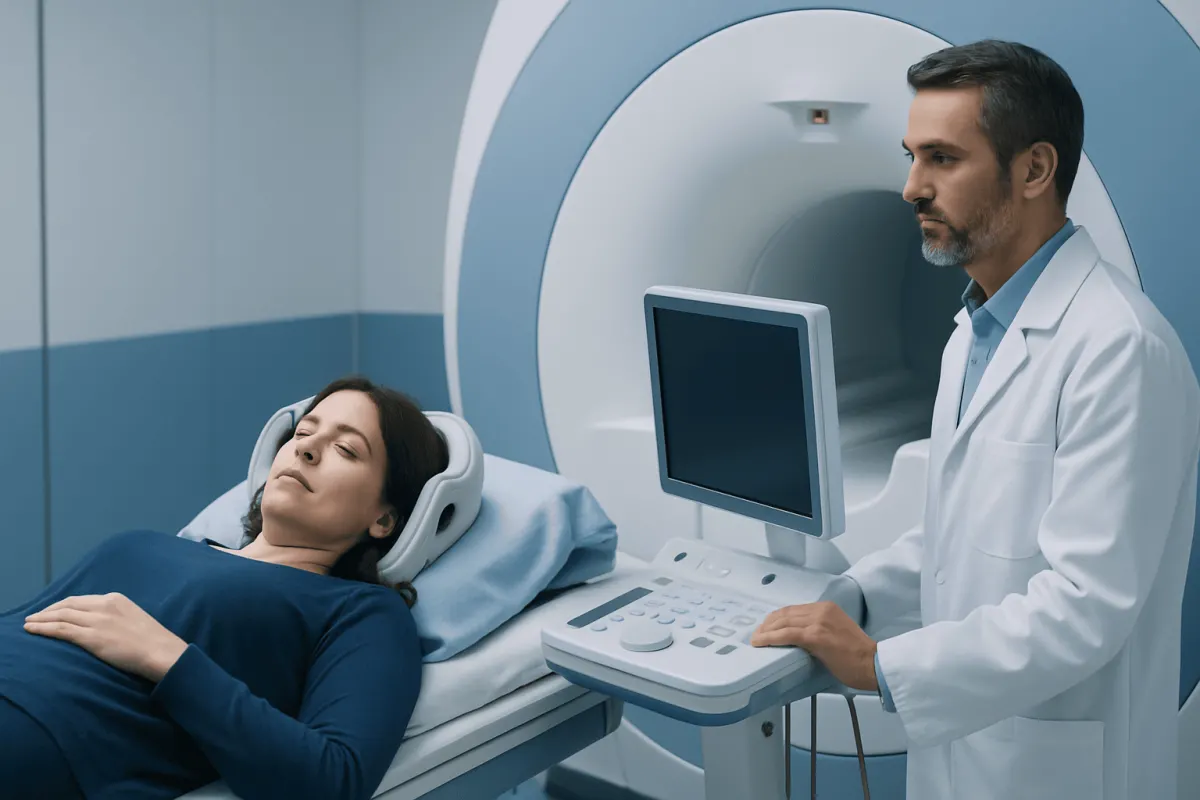
Brain fog may include poor concentration, mental fatigue, slowed thinking, trouble following conversations, or feeling less mentally sharp than usual. A person may say they feel “not quite themselves,” especially when multitasking or making decisions. These symptoms can appear with stress, poor sleep, infection, medication effects, or medical illness, and they may fluctuate from day to day.
Memory loss often shows up differently. Warning signs include repeating the same questions, forgetting recent events, misplacing important items in unusual places, struggling to remember appointments even with reminders, or relying much more heavily on notes for basic daily tasks. Family members may also notice that the person gets confused in familiar places or has increasing difficulty managing shopping, cooking, finances, or medications.
Other symptoms can point to a broader neurological problem and should prompt medical assessment, particularly if they are new or worsening. These include personality or behavior changes, hallucinations, falls, new tremor, slowness of movement, weakness, changes in speech, or episodes of sudden confusion. Cognitive symptoms that occur with headaches, balance problems, or stroke-like warning signs may need urgent evaluation, especially if there is concern about stroke or a transient ischemic attack.
- Difficulty planning or solving problems
- Trouble finding words or following a conversation
- New disorientation to time or place
- Reduced attention or mental stamina
- Changes in mood, motivation, or social behavior
- Problems with driving, finances, or medication routines
Possible Causes and Risk Factors

There are many possible reasons an older adult may experience brain fog or memory loss. Some are temporary and treatable, such as dehydration, urinary or chest infections, vitamin deficiencies, thyroid problems, depression, anxiety, medication side effects, alcohol use, hearing loss, or poor sleep. Pain, recent surgery, hospitalization, and emotional stress can also reduce attention and memory, especially in frail older adults.
In other cases, symptoms are linked to neurological conditions. These may include mild cognitive impairment, Alzheimer’s disease, vascular cognitive impairment, Parkinsonian disorders, or other neurodegenerative diseases. Reduced blood flow to the brain from vascular risk factors such as high blood pressure, diabetes, high cholesterol, smoking, or atrial fibrillation can also affect cognition over time. Repeated small strokes may contribute to a gradual decline.
Sleep disorders are another important and often overlooked cause. Poor sleep quality, sleep apnea, irregular sleep schedules, or daytime sleepiness can all affect concentration and short-term memory. Chronic headaches, dizziness, sensory impairment, and mood disorders may add to the burden. In some people, symptoms reflect a combination of aging, medical illness, medication burden, and an evolving neurological disorder, which is why a structured assessment is so valuable.
How a Geriatric Neurology Assessment Works
A geriatric neurology assessment usually starts with a detailed conversation about symptoms, when they began, how quickly they progressed, and how they affect daily life. The doctor may ask both the patient and a family member or caregiver about changes in memory, language, attention, mobility, mood, sleep, appetite, and independence. A medication review is especially important because some medicines can worsen confusion, drowsiness, or balance.
The neurological examination looks at strength, reflexes, sensation, coordination, gait, eye movements, and speech. Brief cognitive testing may check attention, memory, language, visuospatial skills, and executive function. Depending on the findings, the person may benefit from formal neuropsychology testing, which offers a more detailed picture of how different thinking abilities are working and whether the pattern suggests a particular cause.
Blood tests are often used to look for reversible contributors such as vitamin deficiency, thyroid disease, infection, or metabolic imbalance. Brain imaging may also be recommended if symptoms are progressive, atypical, sudden, or accompanied by falls, headache, weakness, or personality change. In selected cases, advanced imaging or specialized neuroradiology support helps clarify whether vascular disease, prior bleeding, structural brain changes, or another neurological condition is involved.
The goal of assessment is not simply to label a condition. It is to understand the person’s overall function, identify urgent concerns, rule out treatable causes, and create a practical care plan. In older adults, even small improvements in sleep, medication safety, or sensory support can meaningfully improve day-to-day thinking and confidence.
Treatment Options and Support
Treatment depends on the underlying cause. If the problem relates to infection, dehydration, medication side effects, thyroid disease, vitamin deficiency, or poor sleep, treating those issues may lead to noticeable improvement. When mood symptoms such as depression or anxiety are contributing, psychological support and appropriate medical care can help concentration, motivation, and memory performance.
If an assessment suggests mild cognitive impairment or dementia, treatment focuses on symptom management, safety, and maintaining function for as long as possible. This may include cognitive support strategies, management of vascular risk factors, physical activity, hearing correction, sleep treatment, and guidance for caregivers. Some patients also need evaluation for movement symptoms, tremor, gait change, or overlapping behavioral concerns through services such as geriatric neurology or neuropsychiatry.
Not every cause can be cured, but many can be improved, stabilized, or better managed. Clear routines, written reminders, pill organizers, regular hydration, and reducing unnecessary medications may all help. Occupational therapy, physical therapy, speech and language therapy, or social work support can also play a useful role depending on the person’s needs and level of independence.
Prevention and Self-Care for Brain Health
There is no guaranteed way to prevent all memory problems, but healthy habits can support brain function and reduce risk. Managing blood pressure, diabetes, cholesterol, hearing loss, and sleep problems is important because these conditions affect both overall health and cognition. Regular physical activity, social engagement, and mentally stimulating activities may help maintain function and confidence.
Good daily routines can also reduce brain fog. Older adults may benefit from consistent sleep and wake times, adequate hydration, balanced meals, and limiting alcohol. Families can support independence by simplifying calendars, using large-print reminders, labeling medications clearly, and reducing distractions during important conversations.
Preventing falls, reviewing medications regularly, and treating pain, constipation, or infection promptly may also protect thinking in later life. Caregivers should remember that sudden changes in attention or awareness are not typical aging and often indicate delirium or acute illness. Quick medical review is especially important if symptoms appear abruptly or fluctuate significantly over hours to days.
When to See a Doctor
An older adult should see a doctor if brain fog or memory loss is persistent, progressive, or starting to interfere with daily activities. Medical review is also important if family members notice missed medications, unpaid bills, poor judgment, new wandering, falls, getting lost, or trouble with basic household tasks. It is helpful to bring a list of symptoms, current medicines, and examples of changes noticed over time.
Urgent medical attention is needed for sudden confusion, new weakness, facial drooping, speech difficulty, severe headache, seizures, or marked changes in consciousness. These symptoms may signal a medical emergency, including infection, stroke, bleeding, or other acute neurological illness. New confusion after a fall also needs prompt evaluation, especially in older adults at risk of chronic subdural hematoma.
Seeking help early can reduce uncertainty and allow more options for treatment and planning. Near the end of the evaluation pathway, some patients and families choose centers with multidisciplinary expertise; Acıbadem Health Point’s specialists and JCI-accredited hospitals provide diagnosis and treatment for international patients with memory, movement, and other neurological concerns.
Frequently asked questions
01Is brain fog the same as dementia?
No. Brain fog is a general term for reduced mental clarity, slowed thinking, or trouble concentrating, while dementia is a clinical syndrome that affects memory, thinking, and daily function over time. Brain fog can be caused by sleep problems, stress, illness, medication effects, or other treatable issues.
02Can normal aging cause forgetfulness?
Yes, mild changes in recall speed and word-finding can happen with aging. However, repeatedly forgetting important recent information, getting lost, or struggling with everyday tasks is not considered normal aging and should be assessed.
03What kind of doctor evaluates memory problems in older adults?
A geriatric neurologist, neurologist, geriatrician, or memory clinic team may assess these symptoms. The evaluation often includes a medical history, neurological exam, cognitive testing, medication review, and sometimes blood tests or brain imaging.
04Are all causes of memory loss permanent?
No. Some causes are reversible or partly reversible, including medication side effects, infection, vitamin deficiency, thyroid problems, depression, dehydration, and sleep disorders. Even when the cause is not fully reversible, treatment may still improve symptoms and daily function.
05How can family members help before the appointment?
They can keep a simple timeline of symptoms, note examples of changes in daily life, and bring an up-to-date medication list. It also helps to document recent falls, sleep changes, mood symptoms, and any concerns about safety, driving, or medication management.
06When is confusion an emergency?
Sudden confusion, especially with weakness, speech trouble, severe headache, fainting, fever, or a recent fall, needs urgent medical attention. Rapid changes in awareness can signal stroke, infection, bleeding, medication toxicity, or another acute illness.
This article is for general information only and is not a substitute for professional medical advice. Please consult a qualified doctor about your individual situation.
Explore treatments in Turkey — costs, top hospitals & a free quote
JCI-accredited · board-certified surgeons · reply within 24h
Add us as a Preferred Source to see more of our trusted health content across Google Search, AI Overviews and Discover.