Diarrhea After Eating: Causes and Treatment
Key Takeaways
- Diarrhea that starts soon after meals is often related to a food trigger, infection, or a digestive condition such as IBS or malabsorption.
- The timing, frequency, and associated symptoms help a doctor narrow down the cause.
- Fluids, a gentle diet, and avoiding known triggers can help while the cause is being evaluated.
- Blood in the stool, fever, dehydration, weight loss, or severe pain deserve prompt medical attention.
- Ongoing or recurrent symptoms may need stool tests, blood tests, or further digestive evaluation.
Diarrhea after eating can happen for many reasons, including food intolerance, infection, irritable bowel syndrome, or problems with digestion and absorption. Understanding the pattern, related symptoms, and triggers can help guide the right next steps and support a safer recovery.
Overview
Diarrhea after eating is usually described as loose or watery stools that begin soon after a meal. For some people, it happens only once in a while after a heavy, spicy, or unfamiliar meal. For others, it is a repeated pattern that interferes with work, travel, and daily routines.
The cause is not always the same. In some cases, the gut is reacting to a specific food or ingredient. In others, the timing after meals reflects a broader digestive issue, such as irritable bowel syndrome, gallbladder changes, infection, celiac disease, or trouble absorbing certain nutrients. The body’s response can also be influenced by stress, medications, and recent travel or illness.
Because the symptom is broad rather than specific, the most helpful first step is to notice the pattern. What was eaten, how quickly symptoms started, and whether there are cramps, fever, nausea, or weight loss can all point toward the likely reason. That information is especially useful for people seeking care across borders, where a focused history can speed up testing and treatment planning.
Symptoms
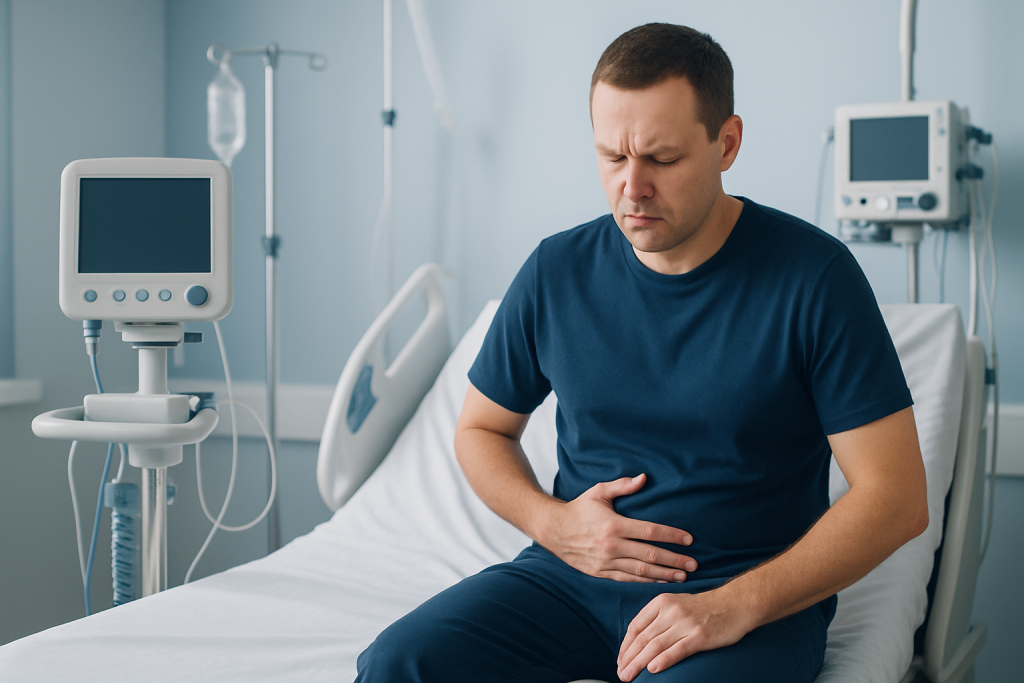
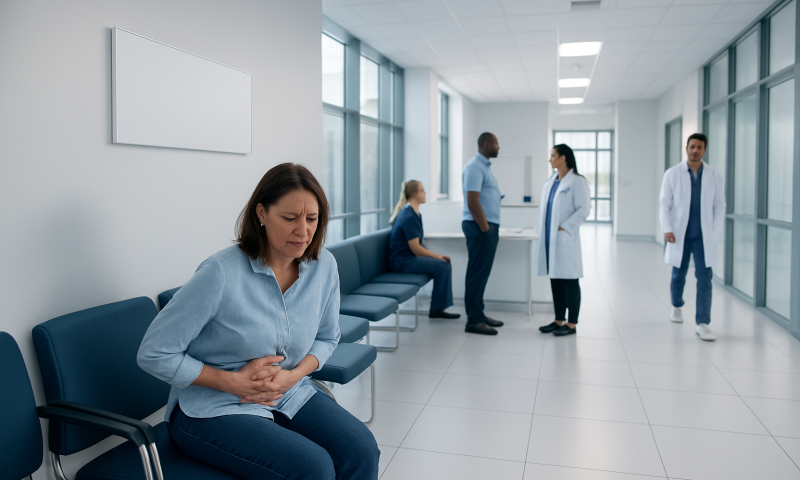
Post-meal diarrhea may appear in different ways depending on the cause. Some people have a sudden urge to use the bathroom within minutes of eating, while others notice loose stools later in the day after several meals. The stool may be watery, frequent, or accompanied by gas and bloating.
Additional symptoms can offer clues. Abdominal cramping, nausea, belching, or a feeling of urgency often suggests a functional or food-related problem. Fever, vomiting, or body aches can point more toward an infection. Unintentional weight loss, greasy stools, or ongoing fatigue may suggest reduced absorption of nutrients.
Symptoms that deserve closer attention include:
- Blood or black, tar-like stool
- Severe or worsening abdominal pain
- Signs of dehydration such as dizziness, dry mouth, or reduced urination
- Persistent diarrhea that lasts more than a few days
- Diarrhea that repeatedly occurs after the same foods
Causes & Risk Factors

Food intolerance is one of the most common reasons diarrhea follows a meal. Lactose intolerance, for example, can trigger symptoms after dairy products, while some people react to artificial sweeteners, high-fat meals, caffeine, or very spicy foods. In these cases, the digestive system may be sensitive to a specific ingredient rather than to food in general.
Infections can also be responsible, especially after travel, eating undercooked food, or exposure to contaminated water. A stomach virus or foodborne illness may cause diarrhea soon after meals simply because eating stimulates the intestines while they are already irritated. Antibiotic use can sometimes disrupt the gut bacteria and lead to diarrhea as well.
Other possible causes include irritable bowel syndrome, celiac disease, Ulcerative Colitis, and Flares" class="ahp-ilk">inflammatory bowel disease, pancreatic problems, bile acid diarrhea, and changes after gallbladder removal. Risk may be higher in people with a history of digestive disease, recent antibiotics, recent travel, or a family history of certain intestinal disorders.
Diagnosis
Diagnosis usually begins with a detailed conversation about the timing of symptoms, typical meals, stool changes, medications, and travel or illness history. A doctor may ask whether diarrhea happens after all meals or only after certain foods, and whether symptoms are linked to stress, dairy, fatty foods, or gluten-containing foods.
Depending on the pattern, testing may include stool studies to look for infection, inflammation, or hidden blood. Blood tests can help check for anemia, dehydration, celiac disease markers, thyroid problems, or other clues. If symptoms persist, further evaluation may include imaging, breath tests, or endoscopic procedures to examine the digestive tract more closely.
For international patients, bringing a list of recent medications, previous test results, and a simple food-and-symptom diary can be very helpful. These details allow the care team to avoid repeating unnecessary tests and to build a plan that fits the person’s travel schedule and follow-up needs.
Treatment Options
Treatment depends on the underlying cause. If a food trigger is identified, the main approach is to avoid that trigger or reduce exposure to it. When infection is the reason, care may focus on hydration, rest, and, in selected cases, targeted medication recommended by a doctor. If a chronic digestive condition is involved, treatment may need to address inflammation, absorption, gut motility, or bowel sensitivity.
Supportive care is often an important part of treatment. Replacing fluids and electrolytes helps prevent dehydration, especially if stools are frequent. Some people do better with temporary changes in diet, such as lighter meals, smaller portions, and avoiding foods that seem to worsen symptoms. A clinician may also review medications, since some drugs can contribute to diarrhea.
When symptoms are part of a longer-term disorder, treatment may involve a specialist plan. That can include dietary guidance, gut-directed medicines, and follow-up testing to monitor progress. The goal is not only to stop diarrhea, but also to identify and manage the reason it keeps returning.
Prevention & Self-care
Simple habits can make post-meal diarrhea easier to manage while the cause is being explored. Keeping a food and symptom diary may reveal patterns that are not obvious from memory alone. Writing down what was eaten, how soon symptoms started, and any associated bloating, cramps, or nausea can be especially useful.
Staying hydrated is important, even when symptoms are mild. Water, oral rehydration solutions, broths, and other clear fluids can help replace lost fluids and salts. It may also help to eat smaller meals, choose familiar foods when traveling, and be cautious with very rich, greasy, or heavily spiced dishes if they appear to trigger symptoms.
Other practical steps include careful hand hygiene, safe food handling, and gradual reintroduction of foods after a suspected trigger. If a person is already being treated for a digestive condition, following the prescribed plan consistently can reduce flare-ups and help the care team see whether adjustments are needed.
When to See a Doctor
Medical advice is appropriate when diarrhea after eating keeps returning, lasts more than a few days, or begins to interfere with normal eating and daily life. It is also wise to seek care if the person has a known digestive condition, has recently taken antibiotics, or notices that specific foods repeatedly trigger symptoms.
Prompt evaluation is especially important if there is fever, blood in the stool, severe pain, signs of dehydration, unintentional weight loss, or diarrhea that wakes the person from sleep. These features can suggest a condition that needs testing rather than simple self-care.
People who are traveling internationally for evaluation may benefit from a gastroenterology team that can coordinate diagnostics and follow-up efficiently. At Acibadem Health Point, multidisciplinary specialists and JCI-accredited hospitals diagnose and treat digestive conditions for international patients, helping connect testing, treatment, and recovery planning in one pathway.
Living With Ongoing Digestive Sensitivity
When diarrhea after eating becomes a recurring pattern, the most useful progress often comes from small, steady adjustments rather than dramatic diet changes. The body may respond better when meals are regular, portions are moderate, and trigger foods are identified one by one instead of eliminated all at once.
It can also help to think beyond the symptom itself. Sleep, stress, recent infection, medications, and travel routines can all influence the gut. A careful review with a doctor can separate a temporary sensitivity from a condition that needs longer-term management, which is especially valuable when care starts in one country and continues in another.
With the right evaluation, many people find a workable pattern that reduces symptoms and restores confidence around meals. The aim is not to fear food, but to understand the gut’s signals well enough to respond calmly and appropriately.
Frequently asked questions
01Is diarrhea after eating always caused by food poisoning?
No. Food poisoning is only one possible cause. Diarrhea after meals can also come from food intolerances, irritable bowel syndrome, infections, medications, or other digestive conditions.
02Why does diarrhea happen soon after a meal?
Eating naturally stimulates the intestines, so an irritated or sensitive digestive system may react quickly. That reaction can be stronger in people with food triggers, infection, or bowel conditions that affect movement and absorption.
03Which foods commonly trigger diarrhea after eating?
Common triggers include dairy for people with lactose intolerance, very fatty foods, spicy foods, caffeine, alcohol, and foods containing certain artificial sweeteners. The exact trigger varies from person to person, so tracking patterns is often helpful.
04Can stress cause diarrhea after meals?
Stress does not usually cause diarrhea by itself, but it can make the gut more reactive and worsen symptoms in conditions such as irritable bowel syndrome. Many people notice that symptoms become more frequent during busy, anxious, or disrupted periods.
05Should someone stop eating if they have diarrhea after meals?
Usually not. It is better to keep eating small, gentle meals and focus on fluids unless a doctor advises otherwise. If certain foods consistently trigger symptoms, those foods can be limited while the cause is being evaluated.
06When is testing needed for diarrhea after eating?
Testing is often considered when symptoms are frequent, persistent, severe, or associated with red flags such as blood, fever, dehydration, or weight loss. A doctor may recommend stool tests, blood work, or other digestive studies based on the pattern.
This article is for general information only and is not a substitute for professional medical advice. Please consult a qualified doctor about your individual situation.
Medical weight-loss options in Turkey — costs & eligibility
JCI-accredited · board-certified surgeons · reply within 24h
Add us as a Preferred Source to see more of our trusted health content across Google Search, AI Overviews and Discover.