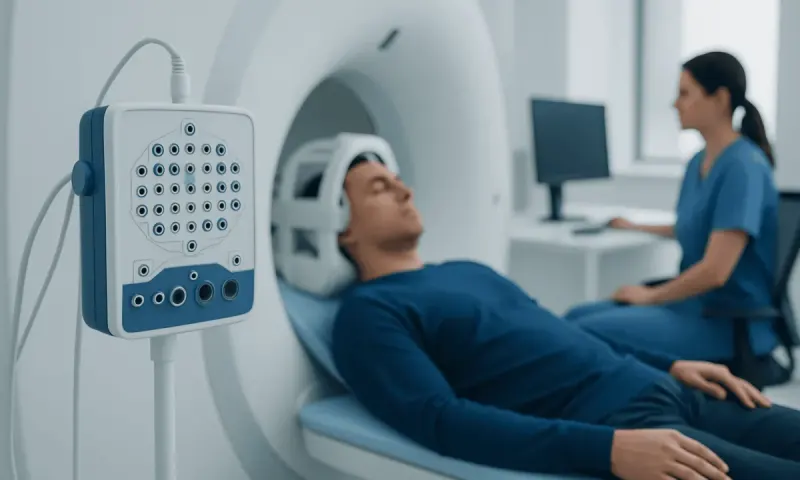
Depression Treatment Centers: Choosing Care Abroad
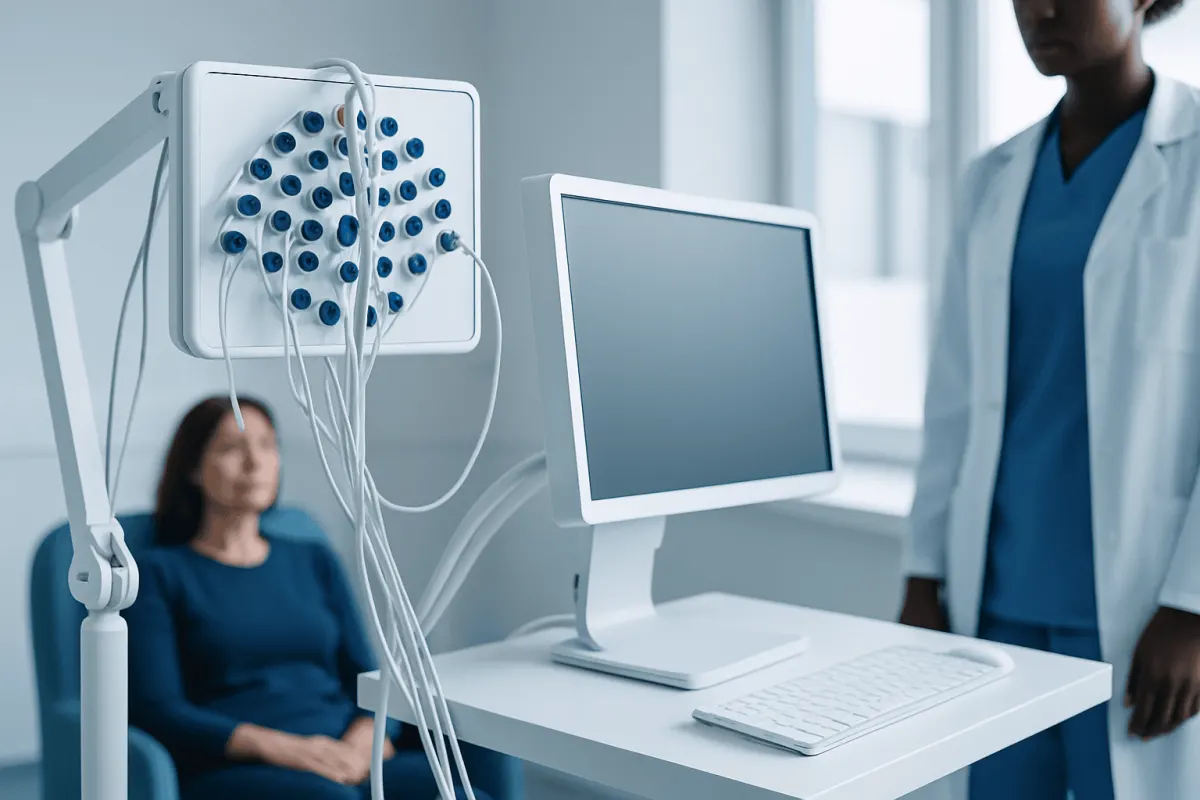
The best depression treatment centers in the world are not defined by a single country or ranking. A safe choice is a center that offers a thorough assessment, evidence-based therapies, medication expertise when needed, clear crisis support, and a plan for continued care after treatment.
How to choose among the best depression treatment centers in the world
The best depression treatment centers in the world are those that match the person’s clinical needs while delivering safe, respectful, evidence-based care. There is no reliable universal ranking that can identify one hospital, country or program as best for everyone. Depression varies in severity, symptoms, medical background, family circumstances and treatment history, so a good center begins with an individualized assessment rather than a one-size-fits-all program.
When comparing centers, patients and families can ask whether psychiatrists, psychologists, mental health nurses and other relevant professionals work together; whether care is based on established clinical guidelines; and whether the program explains its recommendations in understandable language. The center should also assess physical health, medicines, sleep, substance use, trauma history and the possibility of other conditions that can resemble or occur alongside depression.
A trustworthy service is transparent about what it can provide, the expected level of care, patient rights, confidentiality, language support and arrangements for follow-up. For people traveling internationally, it is particularly important to confirm how records will be shared safely and how care will continue with a clinician at home after discharge.
- Check professional licensing, accreditation and specialist qualifications.
- Ask which therapies and medication approaches are available and how choices are made.
- Clarify emergency procedures, family involvement and discharge planning.
- Ensure the program can communicate in a language the patient understands.
Understanding depression and treatment needs
Depression is a common mental health condition that can affect mood, thinking, energy, sleep, appetite, concentration and daily functioning. It is more than a brief period of sadness. Symptoms may include persistent low mood, loss of interest or pleasure, feelings of hopelessness or guilt, slowed thinking, irritability, physical aches, or thoughts of death and self-harm.
A clinician should make the diagnosis after discussing symptoms, their duration and their effect on everyday life. They may also consider medical conditions, medication effects, alcohol or drug use, bereavement, anxiety, bipolar disorder and other factors. This careful evaluation helps avoid treating symptoms in isolation and supports a care plan that addresses the whole person.
Many people improve with appropriate treatment, although recovery is not always immediate. Some need one approach, while others benefit from a combination of psychotherapy, medication, lifestyle support and more intensive services. Learning about depression can help patients and families recognize that it is a treatable health condition rather than a personal failure.
What country treats mental illness the best?

No country can be named as the best for treating every type of mental illness or every person with depression. National systems differ in how they fund care, train professionals, regulate services, protect patient rights and provide access to community follow-up. A country with highly specialized hospitals may still have long waiting times or uneven access, while another may offer strong local primary and community mental health services.
For an individual patient, the most useful question is whether a specific service can provide timely, evidence-based and continuous care. Important features include qualified mental health professionals, access to psychotherapy and psychiatric assessment, crisis services, respectful care, privacy protections and a practical plan after treatment ends.
International patients should also consider travel readiness. Severe depression can make travel, unfamiliar surroundings and separation from support networks difficult. Before traveling, patients should discuss the plan with their current clinician where possible, confirm medication availability and bring a written summary of their health history and current treatment.
Which type of therapy tends to be the most effective at treating depression?
No single type of therapy is most effective for every person with depression. The strongest choice depends on symptom severity, previous treatment, personal preferences, access, culture, relationships and coexisting conditions. A therapy is more likely to help when it is delivered by a trained clinician, has clear goals and is continued long enough to assess progress.
Cognitive behavioral therapy, often called CBT, has substantial evidence for depression. It helps people identify unhelpful patterns of thoughts and behavior and develop practical coping skills. Interpersonal therapy is another well-supported approach that focuses on relationships, role changes, grief and social support. Behavioral activation, which supports gradual re-engagement with meaningful activities, can also be helpful.
For some people, psychodynamic therapy, mindfulness-based approaches, problem-solving therapy, couples therapy or group therapy may be appropriate. In moderate to severe depression, psychotherapy may be combined with medication. A qualified clinician can review the benefits, limits and possible side effects of each option and adjust the plan if improvement is limited.
Treatment options at a quality depression center
High-quality depression care usually starts with a collaborative treatment plan. For mild to moderate symptoms, regular outpatient psychotherapy, lifestyle support and monitoring may be appropriate. Medication may be recommended for some people, particularly when symptoms are moderate to severe, recurrent or not improving sufficiently with therapy alone. Prescribing should include a discussion of expected benefits, possible side effects and follow-up.
More structured options include intensive outpatient programs and day programs, which provide frequent therapy while allowing the person to sleep at home. These can be useful when weekly appointments are not enough but full hospital admission is not needed. Family education and involvement may be helpful when the patient agrees, especially when relatives are part of the day-to-day support system.
For depression that has not improved after appropriate treatments, specialist services may review the diagnosis, treatment history and medical factors. Depending on the situation, they may discuss advanced options such as electroconvulsive therapy or other carefully assessed interventions. These treatments are not appropriate for everyone and should be considered with informed consent and specialist oversight.
Acıbadem Health Point’s multidisciplinary specialists and JCI-accredited hospitals can assess and treat depression for international patients, with care planned around clinical needs and continuity after return home.
Can you be hospitalised for depression?
Yes. Hospital admission may be appropriate for depression when symptoms are severe, safety is a concern, or the person cannot manage essential daily needs. It can provide a structured setting for close observation, psychiatric assessment, treatment adjustment and support during an acute crisis. Admission may be voluntary, although local laws may allow involuntary care in limited circumstances when there is a serious and immediate safety risk.
Hospital care is not required for most people with depression. Many receive effective treatment through outpatient clinicians, community services or day programs. The decision is based on factors such as suicidal thoughts or plans, previous attempts, psychosis, severe agitation, inability to eat or drink adequately, lack of support at home, and whether the person can follow a safety plan.
Inpatient treatment should include preparation for discharge from the start. Before leaving hospital, patients should have follow-up appointments, a medication plan when relevant, information about warning signs, emergency contacts and a plan for support from trusted people if they wish.
Which state in the US has the best mental health care?
There is no single US state that is consistently best for mental health care for all people. States vary in insurance rules, availability of psychiatrists and therapists, rural access, crisis services, hospital capacity and programs for children, adults, older people and people with substance use disorders. Public rankings can provide broad comparisons, but they cannot show whether a particular clinician or program is right for an individual patient.
When choosing care in the United States, patients can start with their insurance plan, primary care clinician or local mental health authority. They can ask about wait times, telehealth availability, language access, treatment approaches and emergency coverage. A program’s ability to provide follow-up and coordinate with primary care can be as important as its location.
For urgent emotional distress in the United States, people can call or text 988 to reach the Suicide & Crisis Lifeline. If there is immediate danger, calling local emergency services or going to the nearest emergency department is appropriate.
When to seek medical care
A person should arrange a medical or mental health assessment when low mood, loss of interest, anxiety, sleep changes or difficulty functioning lasts for two weeks or more, returns repeatedly, or causes distress. Earlier support is appropriate if symptoms are affecting work, school, relationships, parenting, physical health or the ability to care for oneself.
Urgent help is needed if someone has thoughts of suicide or self-harm, has made a plan, feels unable to stay safe, hears or sees things others do not, becomes severely confused or agitated, or is unable to meet basic needs. They should not be left alone if there is an immediate safety concern. Contact local emergency services, a crisis line, or the nearest emergency department.
Trusted family members or friends can help by listening without judgment, encouraging professional care and assisting with practical steps such as arranging an appointment. Depression can affect motivation and decision-making, so seeking support is a meaningful part of treatment, not a sign of weakness.
Frequently asked questions
01How can a patient tell if a depression treatment center is reputable?
A reputable center clearly explains its clinicians’ qualifications, assessment process, treatment options, safety procedures and follow-up arrangements. It should use evidence-based care, respect informed consent and welcome reasonable questions from patients and families. Patients should be cautious of services that promise a cure or discourage independent medical advice.
02Do people with depression always need medication?
No. Some people improve with psychotherapy, practical support and lifestyle measures, particularly when symptoms are mild to moderate. Medication can be helpful for others, including people with more severe, recurrent or persistent depression. The decision should be made with a qualified prescriber after discussing benefits and possible side effects.
03How long does treatment for depression take?
The timeline differs from person to person. Some symptoms may begin to improve within weeks, while fuller recovery and relapse prevention often require ongoing treatment and follow-up. A clinician can review progress regularly and modify the plan when needed.
04Can an international patient travel for depression treatment?
Travel may be possible when a person is clinically stable and the treatment plan is well coordinated. It is important to consider the effect of travel stress, medication access, language needs, insurance or payment arrangements, and follow-up after returning home. People at immediate risk of self-harm should seek urgent local care rather than travel.
05What should family members do if they are worried about someone with depression?
Family members can express concern calmly, listen without minimizing the person’s experience and encourage an appointment with a health professional. They can also offer practical assistance, such as helping make a call or attending an appointment if invited. If there is concern about immediate safety, they should contact emergency or crisis services.
06Is inpatient treatment the same as being admitted to a psychiatric hospital?
Inpatient treatment means staying overnight in a hospital or specialist unit for assessment and treatment. It may take place in a general hospital psychiatric ward, a dedicated mental health hospital or another supervised clinical setting. The purpose is to provide intensive support when outpatient care is not sufficient or safe.
This article is for general information only and is not a substitute for professional medical advice. Please consult a qualified doctor about your individual situation.
Explore treatments in Turkey — costs, top hospitals & a free quote
JCI-accredited · board-certified surgeons · reply within 24h
Add us as a Preferred Source to see more of our trusted health content across Google Search, AI Overviews and Discover.