Brown Pee: What It May Mean and When to Seek Care
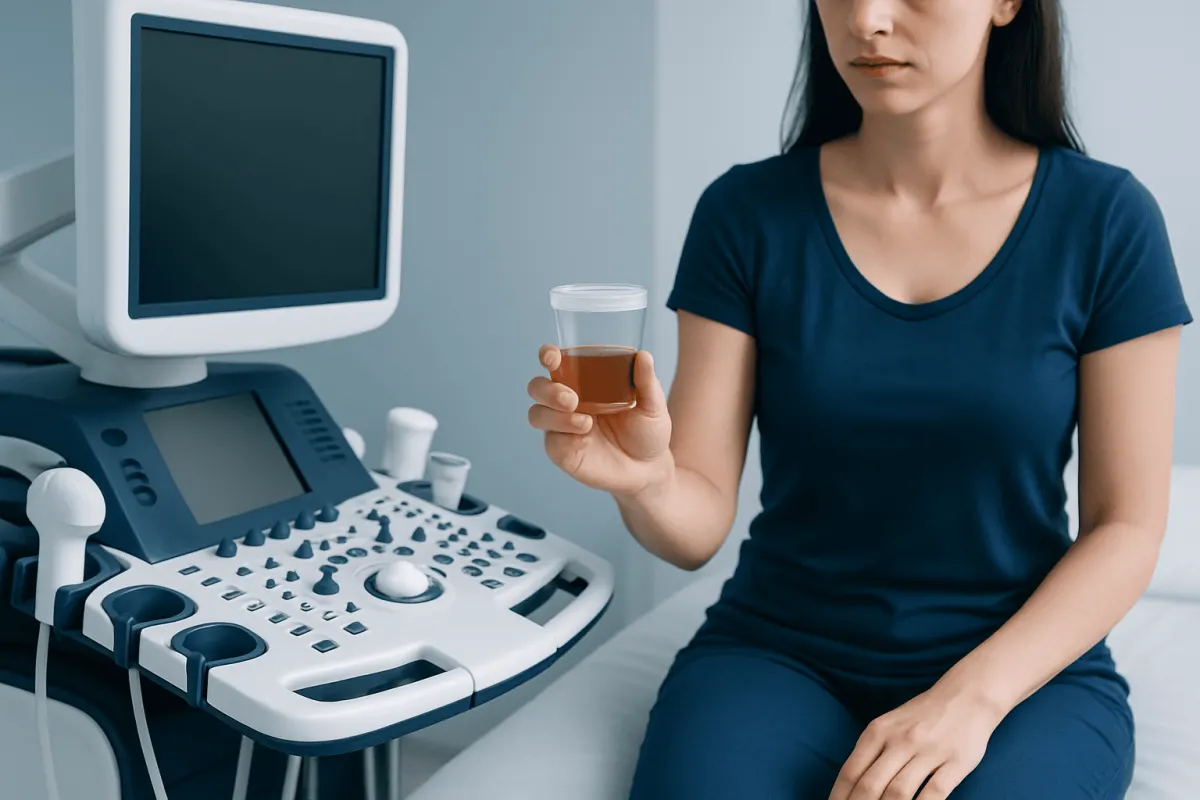
Brown urine can occur when urine is concentrated from dehydration, but it may also reflect blood, bile pigments, medicines, foods, or less commonly a liver, kidney, or muscle-related condition. Brown pee after surgery may be temporary, particularly after urinary procedures, yet persistent dark urine or accompanying symptoms should be assessed by a clinician.
Overview: What Does Brown Pee Mean?
Brown pee meaning depends on the exact shade, how long it lasts, and whether other symptoms are present. Urine may look dark amber, tea-colored, cola-colored, or brown when it is highly concentrated, most often because a person has not had enough fluids. It may also become brown when blood, bilirubin from the liver and bile system, pigments from muscle breakdown, or certain medicines enter the urine.
A single episode that improves after drinking water may not be concerning for an otherwise well person. However, brown urine that persists, appears suddenly without an obvious explanation, or occurs with pain, fever, yellowing of the skin or eyes, swelling, weakness, or reduced urine output deserves medical assessment. The appearance alone cannot reliably identify the cause.
Urine color can also change around a procedure. Brown or reddish urine after a urinary tract operation, catheter use, or prostate procedure can be related to small amounts of blood mixing with urine. A care team should explain what is expected after an individual procedure and what changes should prompt a call.
What Can Cause Brown Urine?
Dehydration is a common explanation for urine that is dark yellow to amber-brown. It may occur after sweating, vomiting, diarrhea, fever, prolonged exercise, alcohol use, or simply not drinking enough. Brown pee after drinking alcohol may therefore reflect dehydration, particularly when it is accompanied by thirst, dry mouth, headache, or dizziness. Alcohol can also worsen an underlying liver condition in some people, so persistent dark urine should not be assumed to be harmless.
Other possible causes include blood in the urine, known as hematuria. Blood may appear pink, red, rust-colored, tea-colored, or brown depending on the amount of blood and how long it has been present. Urinary infections, stones, inflammation, injury, enlarged prostate, and kidney or bladder conditions can all cause hematuria. Urinary tract infections may additionally cause burning, urgency, lower abdominal discomfort, or fever.
Some medicines can darken urine. Examples include certain antibiotics, antimalarial medicines, laxatives, and medicines used for muscle relaxation or urinary symptoms. Foods and supplements can affect color as well, although they more often produce red, orange, or dark yellow urine. A clinician or pharmacist can review medicines safely; a prescribed medicine should not be stopped without medical advice.
Less commonly, dark brown or cola-colored urine may contain bilirubin due to liver or bile duct disease, or myoglobin released during significant muscle injury. These causes may require prompt testing, especially if the person feels unwell or has yellow skin or eyes, light-colored stools, severe muscle pain, or marked weakness.
Is It Normal to Have Brown Pee After Surgery?

Brown pee after surgery can be expected for a short time in some situations, particularly after procedures involving the urinary tract, bladder, kidneys, urethra, or prostate. Mild bleeding from treated tissue, irritation from a catheter, and reduced fluid intake around the operation can change urine from pink or red to rust-colored or brown. The surgical team’s discharge instructions are the best guide because recovery expectations differ by procedure.
Brown urine after prostate surgery may occur while the surgical area heals, especially after catheter removal or increased activity. Small blood particles can darken as they sit in the bladder, causing urine to look brownish. Resting as advised and maintaining appropriate fluid intake may help, but the person should contact their surgical team if color becomes brighter red, bleeding increases, clots appear, pain becomes severe, or urine flow slows or stops.
Brown urine after prostate biopsy may similarly reflect minor bleeding from the prostate or urinary tract. It is often temporary, but fever, chills, worsening pain, heavy bleeding, difficulty passing urine, or feeling generally unwell should be treated as reasons to seek prompt medical help. Infection after a biopsy can become serious and should not be managed by waiting at home.
Not every case of dark urine after an operation comes from the procedure itself. Dehydration, medicines, infection, kidney problems, or liver-related causes remain possible. A patient should tell the care team about the color change, especially if it continues beyond the recovery guidance they received.
How Serious Is Brown Pee?
Brown urine is not a diagnosis, and its seriousness varies widely. When it follows poor fluid intake and quickly becomes pale yellow after hydration, it is often a sign of concentrated urine. In contrast, ongoing tea- or cola-colored urine can sometimes signal blood in the urinary tract, bilirubin in urine, or muscle pigment, all of which need clinical evaluation.
The associated symptoms are important. Pain or burning with urination can point toward infection or stones, while flank or back pain may occur with kidney-related problems. Fever, chills, nausea, inability to pass urine, or visible blood clots require more urgent attention. Yellow skin or eyes, itching, pale stools, abdominal swelling, confusion, or easy bruising can indicate a liver or bile system problem.
After surgery, a small and improving amount of discoloration may be part of normal recovery. A change that is worsening rather than improving, or that comes with dizziness, fainting, severe pain, fever, reduced urine production, or inability to urinate, should be assessed without delay. Individuals who take blood-thinning medicines, have kidney or liver disease, or have recently had urinary surgery should be particularly careful to follow their clinician’s instructions.
Does Brown Urine Mean Liver Failure?
Brown urine does not by itself mean liver failure. However, liver inflammation, severe liver disease, or blockage of bile flow can raise bilirubin levels, allowing bilirubin to pass into urine and make it dark brown or tea-colored. This is more likely when dark urine occurs together with jaundice, pale or clay-colored stools, itching, nausea, upper abdominal discomfort, or fatigue.
Many other causes of brown urine are more common, including dehydration, blood in urine, and medicines. Testing is needed to distinguish them. A clinician may use a urine dipstick and microscopy, blood tests for liver and kidney function, and other tests based on symptoms and medical history. Imaging may be considered if there is concern about a kidney stone, urinary obstruction, or disease affecting the liver, gallbladder, or bile ducts.
Anyone with dark urine and new jaundice should seek medical assessment promptly, especially if there is fever, significant abdominal pain, vomiting, confusion, easy bleeding, or rapidly worsening illness. Avoiding alcohol and checking with a clinician before taking new over-the-counter medicines or supplements may be sensible while the cause is being investigated.
How Long Does It Take for Urination to Return to Normal After Surgery?
How long urination takes to return to normal after surgery depends on the type of surgery, anesthesia, catheter use, baseline urinary health, and whether the operation involved the urinary tract. After many non-urological operations, people may experience temporary difficulty passing urine for hours to a day because anesthesia, pain medicines, fluids, and reduced mobility can affect bladder function. Some need a short-term catheter until the bladder recovers.
Following prostate, bladder, or urethral procedures, urgency, frequency, stinging, weak flow, or urine discoloration can last longer while tissues heal. The expected duration varies considerably, so the procedure-specific instructions from the surgeon should take priority. People should not strain forcefully to urinate or make major changes to fluid intake unless their care team has advised this.
A person should contact their clinician if they cannot urinate, have increasing lower abdominal pressure or swelling, pass large clots, develop fever or chills, or notice urine that remains dark or becomes darker rather than gradually clearing. These symptoms may suggest retention, infection, significant bleeding, or another complication that needs timely care. Evaluation may include a bladder scan, urine testing, and guidance about catheter care or further treatment.
Diagnosis, Practical Self-Care and When to Seek Medical Care
A clinician will usually ask about the urine color and timing, recent surgery or injury, fluid intake, exercise, alcohol use, foods, supplements, medicines, menstrual bleeding, and urinary symptoms. This history helps clarify brown pee meaning female as well, because blood seen in urine may sometimes come from vaginal bleeding rather than the urinary tract. A urine sample can check for blood, infection, bilirubin, protein, and other abnormalities; blood tests and imaging are used when indicated.
For mild dark urine that clearly follows low fluid intake, regular water intake may help restore a lighter color. People with heart, kidney, or liver conditions should follow their clinician’s individual fluid guidance instead of deliberately increasing fluids. It is helpful to note whether the urine changes after hydration and to avoid intense exercise if there is severe muscle soreness or unexplained cola-colored urine.
When to seek medical care: A person should arrange prompt medical advice for brown urine lasting more than a day or two without a clear explanation, repeated episodes, pain when urinating, urinary frequency, fever, back or side pain, or visible blood. Urgent assessment is appropriate for inability to urinate, large clots, severe pain, fainting, very low urine output, fever after a prostate biopsy or surgery, or dark urine with jaundice, pale stools, confusion, or significant muscle weakness.
Acıbadem Health Point’s multidisciplinary specialists and JCI-accredited hospitals can assess urinary, kidney, liver, and post-procedure concerns for international patients. The appropriate care pathway depends on the underlying cause, and a qualified clinician can recommend the right evaluation and treatment.
Frequently asked questions
01Can dehydration cause brown pee?
Yes. When the body has too little fluid, urine becomes concentrated and can appear dark yellow, amber, or brownish. If dehydration is the cause, urine often becomes lighter after appropriate fluid intake, unless a medical condition requires fluid restriction.
02Is brown urine after prostate surgery expected?
A small amount of brown, rust-colored, pink, or red urine can occur temporarily after prostate surgery because healing tissue may bleed slightly. The surgical team should be contacted if bleeding increases, clots appear, the person cannot pass urine, or fever and worsening pain develop.
03Can a prostate biopsy cause brown urine?
Yes, a prostate biopsy can cause temporary blood in urine, which may look red, rust-colored, or brown. Fever, chills, difficulty urinating, heavy bleeding, or worsening symptoms after the biopsy require prompt medical assessment.
04Does dark brown urine always mean blood?
No. Dark brown urine may result from dehydration, bilirubin related to liver or bile conditions, certain medicines, or pigments released after muscle injury. A urine test can help determine whether blood is present and identify other possible causes.
05What should someone do if brown pee occurs after drinking alcohol?
They should stop drinking alcohol, hydrate appropriately, and observe whether urine returns to a normal pale-yellow color. Persistent dark urine, jaundice, abdominal pain, vomiting, or feeling unwell should be medically assessed, particularly in people with liver disease or heavy alcohol use.
06Can brown pee in females be caused by menstruation?
Menstrual blood can mix with urine during collection and make the sample or toilet water appear brown or red. If the color change persists outside menstruation, occurs with urinary symptoms, or is uncertain, a clinician can arrange a properly collected urine test.
This article is for general information only and is not a substitute for professional medical advice. Please consult a qualified doctor about your individual situation.
Persistent digestive symptoms? Get evaluated in Turkey
JCI-accredited · board-certified surgeons · reply within 24h
Add us as a Preferred Source to see more of our trusted health content across Google Search, AI Overviews and Discover.