Adult Autism Tests: What the Assessment Involves
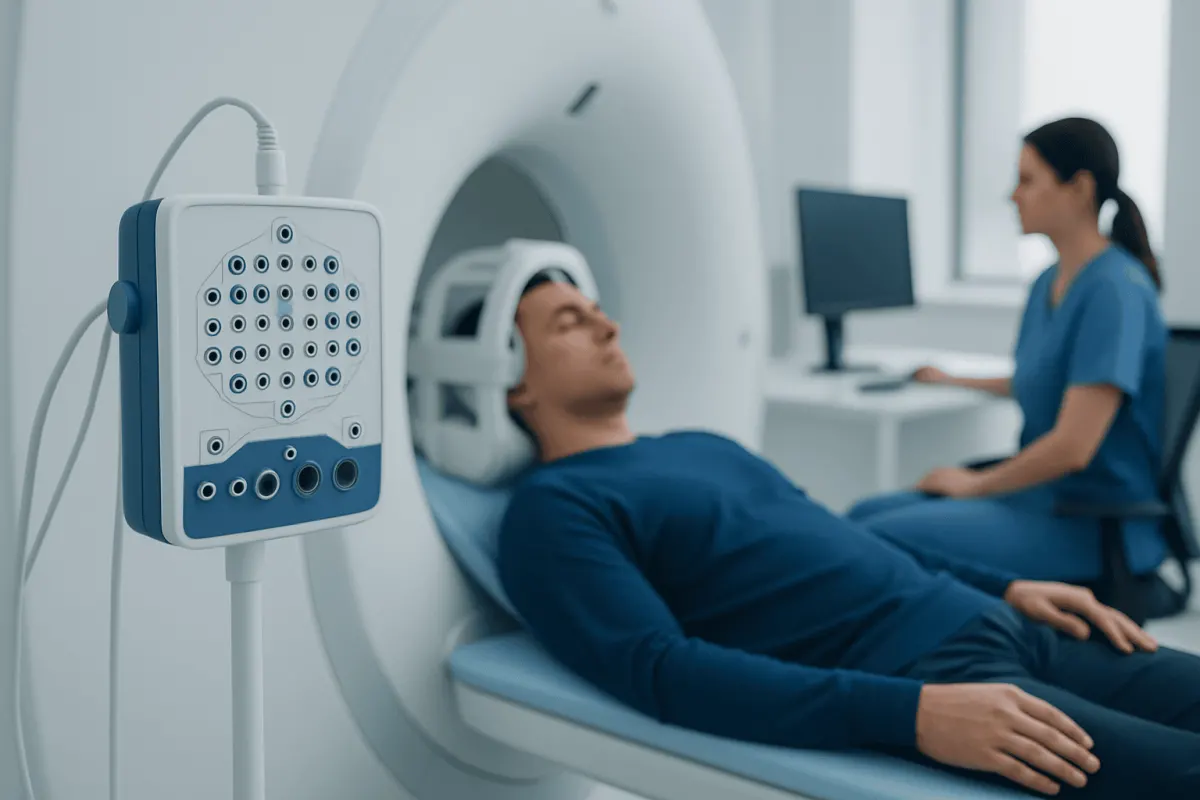
An adult ASD test is a structured assessment used to determine whether a person’s lifelong experiences and current traits meet criteria for autism spectrum disorder (ASD). It usually involves clinical interviews, questionnaires and a review of developmental history, followed by a feedback appointment to discuss results and practical support.
Overview: What Is an Adult ASD Test?
An adult ASD test is an assessment for autism spectrum disorder (ASD) in a person aged 18 or older. It is not a single laboratory test, scan or online quiz. Instead, qualified clinicians use a detailed conversation, validated assessment tools and information about a person’s development and everyday life to decide whether autism diagnostic criteria are met.
Autism is a neurodevelopmental difference. It can affect social communication, interpretation of social situations, sensory processing, preference for routines, focused interests and the way a person manages change. Autistic traits vary widely between individuals, and some adults have developed strategies that make their differences less visible to others.
An assessment may be requested by someone who has long felt different from peers, experienced repeated social exhaustion, found unexpected changes difficult or recognized autistic traits in themselves after a child, family member or friend was assessed. Assessment can offer clarity, but it is also appropriate for the conclusion to be that another explanation, or more than one explanation, better fits a person’s experiences.
What to Expect During Adult Autism Testing?
Adult autism testing commonly begins with an appointment with a psychologist, psychiatrist, neurologist or another clinician trained in adult autism assessment. The clinician will ask what prompted the referral, which situations are most difficult, how traits affect daily life and what support the person hopes to receive. The process is usually conversational and should allow time for questions, breaks or communication adjustments when needed.
The assessment often explores social interaction and communication, friendships and relationships, nonverbal communication, sensory sensitivities, repetitive movements or speech, intense interests, routines and responses to change. It also considers emotional wellbeing, education, work, independent living and any history of anxiety, depression, attention difficulties, trauma or learning differences.
Because autism begins in early development, the clinician will usually ask about childhood experiences. With permission, they may speak with a parent, sibling, long-term partner or another person who knew the individual well when they were young. School reports, previous assessments and medical records can be helpful, but their absence does not prevent an adult from being assessed.
Clinicians may use structured tools and self-report questionnaires as part of the evaluation. These tools support, rather than replace, professional judgment. Some adults find it useful to prepare notes about lifelong patterns, sensory experiences, strengths, challenges and examples of situations that have been especially demanding.
How Long After an ASD Assessment Do You Get Results?

Results from an adult ASD assessment may be discussed on the same day if the evaluation is straightforward and complete, but many services arrange a separate feedback appointment. This gives the clinician time to review interview findings, questionnaires, developmental information and any relevant records. The exact timeline depends on the clinic, the number of appointments needed and whether information from other sources is still being collected.
A written report may take longer than the verbal feedback discussion. The report typically summarizes the assessment, explains whether diagnostic criteria are met, identifies relevant strengths and difficulties, and recommends possible next steps. People can ask at the first appointment when to expect feedback and whether they will receive a written report.
If results are delayed, it does not necessarily mean that the outcome is uncertain or concerning. It may simply reflect the care needed to complete a comprehensive evaluation. A person who is struggling while waiting can contact the assessment provider, primary care clinician or a mental health professional for advice about immediate support.
How Results Are Interpreted
Clinicians diagnose autism using established diagnostic criteria and a full picture of the person’s history and current functioning. They look for persistent differences in social communication and interaction, alongside restricted or repetitive patterns of behavior, interests or activities. These traits must have been present from early development, even if they became more noticeable later as social, academic or work demands increased.
Assessment also involves considering other conditions that can overlap with or resemble autistic traits. For example, anxiety, attention-deficit/hyperactivity disorder (ADHD), obsessive-compulsive disorder, trauma-related symptoms, depression, hearing differences and learning disabilities may affect communication, concentration, routines or social confidence. Autism may also occur alongside one or more of these conditions.
A result may confirm autism, identify another condition, identify co-occurring needs or conclude that the available information does not support a diagnosis. None of these outcomes invalidate the person’s experiences. The clinician should explain the findings in understandable terms and discuss support based on the individual’s needs, not diagnosis alone.
What Happens After an Adult ASD Diagnosis?
After an adult autism diagnosis, the clinician should explain what the diagnosis means in the context of the individual’s life. Some people feel relief and validation, while others need time to process unexpected emotions or uncertainty. There is no required way to respond, and it can be helpful to review the report gradually and discuss questions at a follow-up appointment.
Autism itself is not an illness that needs to be cured. Support focuses on reducing barriers, strengthening skills when desired and addressing co-occurring health concerns. Recommendations may include autism-informed counseling, occupational therapy for sensory or daily-living needs, speech and language therapy for communication goals, support for employment or education, and treatment for anxiety, depression, sleep problems or ADHD when present.
A diagnosis can also help a person request reasonable adjustments in work, education or healthcare settings. Examples may include clear written instructions, advance notice of changes, a quieter workspace, extra time to process information or sensory accommodations. Eligibility and local legal protections vary, so a clinician, employer, school support service or local advocacy organization may help clarify options.
What Are the Next Steps After Being Diagnosed With Adult Autism?
The next steps after being diagnosed with adult autism are individual. A useful first step is to request a copy of the assessment report and review its recommendations. The person may choose to share the diagnosis with trusted relatives, friends, an employer or an educational institution, but disclosure is personal and should be considered at a pace that feels safe and appropriate.
Many adults benefit from identifying practical changes that lower daily stress. This may include building predictable routines, planning recovery time after social demands, using headphones or other sensory supports, communicating preferences clearly and breaking complex tasks into smaller steps. These approaches are not one-size-fits-all; the most helpful strategies depend on the person’s priorities and environment.
Follow-up care may focus on specific concerns rather than autism alone. For instance, a clinician may recommend support for sleep, mental health, executive functioning, relationships or occupational challenges. If co-occurring conditions are suspected, a further evaluation may be advised so that treatment is tailored to the person’s complete health needs.
Acıbadem Health Point’s multidisciplinary specialists and JCI-accredited hospitals can assess and support international patients with neurodevelopmental and related mental health needs. Care plans should be discussed with a qualified clinician and adapted to the individual’s goals, health history and available support network.
Preparing for the Assessment and Caring for Yourself
Preparation can make an adult ASD test feel more manageable. Before the appointment, it may help to write down examples of lifelong traits, including social experiences, sensory sensitivities, routines, interests and times when communication or change has been difficult. Bringing relevant school records, previous mental health reports or a list of medications can also help the clinician understand the broader picture.
People can ask the clinic in advance about the appointment length, whether more than one visit is expected, who will be present and whether a support person may attend. They can also request reasonable adjustments, such as a quieter waiting area, written information, breaks, reduced lighting or the option to communicate some information in writing.
Assessment conversations can bring up personal memories or feelings. Planning a calm activity after the visit, arranging transport if needed and allowing time to rest may be useful. If distress becomes difficult to manage, contacting a healthcare professional or local urgent mental health service is appropriate.
When to Seek Medical Care
It is reasonable to seek medical advice when longstanding differences in social communication, sensory processing, routines or coping with change are affecting work, education, relationships, independence or emotional wellbeing. A primary care clinician, psychiatrist, psychologist or other qualified provider can discuss whether an adult autism assessment may be appropriate and can refer to local services where needed.
Prompt professional support is particularly important if a person is experiencing persistent low mood, severe anxiety, burnout, substance-related concerns, major sleep disruption or difficulty managing everyday safety and self-care. These concerns can occur with or without autism and deserve attention in their own right.
Urgent help should be sought through local emergency services or crisis support if there are thoughts of self-harm or suicide, a plan to cause harm, severe confusion, or an immediate inability to stay safe. Autism assessment is valuable, but urgent safety and mental health needs should be addressed without waiting for diagnostic results.
Frequently asked questions
01How long does an adult ASD test take?
The assessment may take place over one long appointment or several shorter appointments. The total time depends on the assessment method, the person’s history and whether the clinician needs to gather information from family members, records or other professionals.
02Is there a medical test or brain scan for autism in adults?
No single blood test, genetic test, brain scan or imaging study can diagnose autism in adults. Diagnosis is based on a detailed clinical evaluation of developmental history, current traits and the effect of these traits on everyday life.
03How long after an ASD assessment do you get results?
Some people receive initial feedback at the end of their assessment, while others attend a separate results appointment. A written report can take additional time because the clinician needs to review all information carefully and document recommendations.
04What happens after an adult ASD diagnosis?
The clinician should explain the result, provide a report where available and discuss support options that match the person’s needs. This may include practical accommodations, autism-informed therapy, support for work or education, and care for co-occurring conditions such as anxiety or ADHD.
05What are the next steps after being diagnosed with adult autism?
A person may review the report, identify priorities and decide whether they want to disclose the diagnosis to selected people or organizations. Useful next steps can include requesting reasonable adjustments, connecting with autism-informed professionals and using strategies that reduce sensory or social overload.
06Can an adult be diagnosed with autism even without childhood records?
Yes. Childhood information is helpful because autism begins early in development, but missing records do not automatically prevent diagnosis. Clinicians can use the person’s detailed recollections, information from someone who knew them earlier in life when available, and current assessment findings.
07What should a person bring to adult autism testing?
Helpful items include identification, referral information, a list of medications, previous assessments and any available school or health records. Notes about lifelong traits, current challenges, sensory needs and personal goals can also make the conversation easier.
This article is for general information only and is not a substitute for professional medical advice. Please consult a qualified doctor about your individual situation.
Explore treatments in Turkey — costs, top hospitals & a free quote
JCI-accredited · board-certified surgeons · reply within 24h
Add us as a Preferred Source to see more of our trusted health content across Google Search, AI Overviews and Discover.