Dental Implants vs Bridges and Dentures: How Long They Last
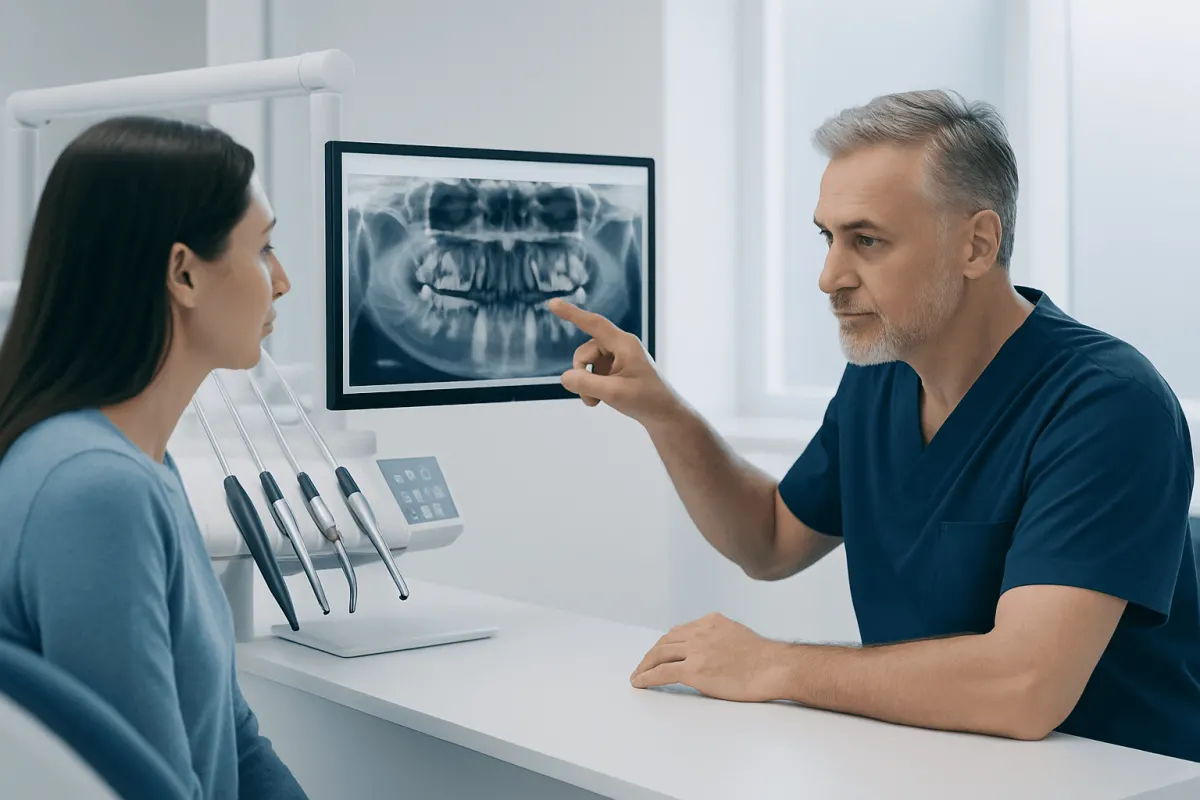
In a durability comparison of implants versus bridges and dentures, implants generally offer the longest-lasting fixed option because they replace the tooth root as well as the visible tooth. However, the best choice depends on bone health, the number and location of missing teeth, oral hygiene, medical history, comfort priorities, and the condition of nearby teeth.
Durability comparison: implants, bridges and dentures
For many adults, dental implants are the most durable tooth-replacement option because an implant is placed in the jawbone and supports a crown, bridge, or denture. With successful healing, good gum health, and ongoing care, the implant fixture may function for many years. The crown attached to it can eventually wear, chip, or need replacement, especially in people who grind their teeth.
A conventional dental bridge is fixed to neighboring teeth and can restore appearance and chewing without surgery. It can be dependable for years, but the supporting teeth and the bridge margins need careful cleaning. A removable denture may be the quickest way to replace several or all teeth, but it usually requires periodic relining, repair, or replacement as the gums and jawbone gradually change.
| Option | How it is supported | Durability pattern | Typical maintenance needs |
|---|---|---|---|
| Dental implant | Implant fixture in jawbone | Often the longest-lasting option when healing and oral hygiene are good | Daily brushing and interdental cleaning; professional checks; crown may need future repair or replacement |
| Fixed bridge | Adjacent teeth or implants | Can last well, but supporting teeth and bridge edges may develop decay, gum problems, or wear | Cleaning under the bridge; regular checks of supporting teeth and gums |
| Removable denture | Gums, remaining teeth, or implants | Needs adjustment as oral tissues and jaw shape change; teeth and base can wear or break | Daily cleaning, removal at night when advised, relines and fit reviews |
There is no single lifespan that applies to every restoration. A person’s bite, saliva flow, gum condition, diabetes control, smoking status, tooth grinding, and attendance at dental reviews can affect results as much as the type of restoration itself.
How a clinician tells which option fits the case
A dentist starts by examining the mouth, remaining teeth, bite, gums, and jawbone. Dental X-rays and, when needed, three-dimensional imaging help assess bone volume and the position of nerves and sinus spaces. The clinician also looks for untreated gum disease, tooth decay, infection, loose teeth, or signs of clenching and grinding.
The key distinction is whether a missing tooth can be replaced independently or whether nearby teeth should be used for support. An implant replaces a root without preparing adjacent healthy teeth, while a conventional bridge uses neighboring teeth as anchors. A partial or complete denture rests on gum tissues and may be retained by clasps, natural teeth, or implants.
Clinicians also consider healing ability and practical factors. Conditions such as poorly controlled diabetes, active periodontal disease, heavy smoking, certain bone medicines, past radiation treatment to the jaws, or immune suppression may require additional planning. These factors do not automatically rule out implants, but they can change the expected risks, timing, and treatment approach.
What to do for each missing-tooth situation

For one missing tooth, an implant-supported crown is often considered when bone and general health are suitable, particularly if the neighboring teeth are healthy. A conventional bridge may be appropriate when adjacent teeth already need crowns, when surgery is not preferred, or when an implant is not advisable. A removable partial denture can be considered when a lower-cost or non-surgical option is clinically suitable, though it may feel bulkier.
For several missing teeth in a row, an implant-supported bridge may reduce the number of implants needed while avoiding support from natural teeth. A tooth-supported bridge may be possible when the supporting teeth are strong and healthy. A removable partial denture may be useful where there are multiple gaps or when a fixed restoration is not feasible.
For a full arch of missing teeth, conventional complete dentures can restore appearance and speech but may move during eating, especially in the lower jaw. Implant-retained or implant-supported dentures can improve stability for suitable patients. A dentist can explain whether dental implant treatment or an implant-retained denture approach fits the person’s anatomy and goals.
Before deciding, patients benefit from asking what future maintenance is likely, how the restoration will be cleaned, what happens if a supporting tooth fails, and whether temporary teeth will be needed during healing. A written treatment plan should include the sequence of care and planned follow-up visits.
Why does a doctor prefer bridge over implant?
A doctor may prefer a bridge over an implant when it is the safer, simpler, or more predictable option for that individual. For example, a bridge can be sensible if the teeth on either side of the gap already have large fillings, fractures, or crowns and would benefit from full coverage. It may also be selected when a person does not wish to have surgery or needs a restoration completed without an implant-healing period.
Implant placement may be more complex when there is limited jawbone, active gum disease, uncontrolled medical conditions, or an anatomical concern such as a nearby nerve or sinus. Bone grafting or other preparation can sometimes make implants possible, but this is not necessary or desirable for every patient.
A bridge is not automatically the better or less durable choice. It requires preparation of supporting teeth and careful cleaning beneath the replacement tooth. The decision should balance preservation of natural tooth structure, health risks, long-term maintenance, appearance, chewing needs, and the patient’s preferences.
What is the most comfortable denture to wear?
Comfort is highly individual, but a well-fitting implant-retained denture is often more stable and comfortable than a conventional removable denture because it is less likely to shift during speech or meals. For many people with a lower complete denture, even a small number of implants can meaningfully improve retention. The most comfortable design is the one that fits accurately, is easy to clean, and matches the person’s bite and oral anatomy.
Conventional dentures can also be comfortable when carefully designed and regularly adjusted. Upper dentures often gain some natural suction from the palate, whereas lower dentures tend to be less stable because the tongue and floor of the mouth move. Sore spots, clicking, looseness, or difficulty chewing are not issues a person simply has to accept; they should prompt a dental review.
Dentures need time to adapt to, particularly after teeth have been removed or when a new denture changes the bite. Follow-up adjustments are a normal part of treatment. Dentures should be cleaned daily, handled carefully, and reviewed regularly because the jaw ridge can gradually change shape.
What I wish I knew before dental implants
Dental implants are a treatment process rather than a single appointment. Assessment, any needed gum treatment or bone preparation, implant placement, healing, and fitting of the final restoration can take time. In some cases, a temporary tooth can be provided, but this depends on bite forces, implant stability, and the clinical plan.
Implants require the same commitment to daily oral care as natural teeth, and often more attention around the implant crown or bridge. Brushing, cleaning between teeth or around implant components, and professional maintenance help reduce inflammation around implants. Gum disease around implants can progress with limited symptoms at first, so scheduled reviews are important.
Implants are strong but not indestructible. Crowns, screws, and ceramic surfaces can wear, loosen, or fracture, and people who clench or grind may need a protective night guard. The individual’s final result depends on careful planning, healing, restoration design, and long-term care rather than on the implant alone.
Is it worth getting dental implants at 70 years old?
Dental implants may be worthwhile at age 70 when a person is medically suitable and wants a fixed tooth replacement or improved denture stability. Age by itself is not usually a barrier. A clinician considers overall health, medications, ability to heal, bone quality, gum health, and whether the person can maintain regular oral hygiene and follow-up care.
For some older adults, implants can make eating and speaking more comfortable by stabilizing a denture or replacing a missing tooth. For others, a bridge or conventional denture may better match their health circumstances, treatment preferences, dexterity, or desired level of care. The right choice is personal and should follow an individual assessment rather than an age-based rule.
Patients should tell the dental team about all medical conditions and medicines, including medications that affect bone metabolism or blood clotting. Coordinated planning with the person’s physician may be appropriate when health conditions are complex.
When to seek medical care
A dental appointment should be arranged for a missing tooth, a loose bridge or denture, pain when biting, persistent gum bleeding, swelling, a bad taste, sores beneath a denture, or difficulty eating. Early assessment can protect remaining teeth and identify gum disease or infection before deciding on a replacement option.
Urgent dental care is appropriate for facial swelling, fever with dental symptoms, uncontrolled bleeding, severe pain, trauma to the mouth, or a rapidly spreading infection. Emergency medical care may be needed if swelling affects breathing or swallowing.
People considering replacement of missing teeth should have a comprehensive dental examination rather than choosing solely by expected durability. Acıbadem Health Point’s multidisciplinary specialists and JCI-accredited hospitals assess and treat dental restoration needs for international patients, with plans tailored to oral and general health.
Frequently asked questions
01Which lasts longer: dental implants, bridges, or dentures?
Dental implants generally offer the greatest long-term durability because they are anchored in the jawbone. Bridges can also serve well for years but rely on neighboring teeth, while removable dentures commonly need adjustments or replacement as oral tissues change. Individual care and oral health strongly influence all three options.
02Can a dental bridge damage surrounding teeth?
A conventional bridge requires the dentist to reshape the teeth next to the gap so they can support crowns. These supporting teeth can remain healthy with good planning and hygiene, but they may be vulnerable to decay or gum problems around the bridge edges. Cleaning beneath the bridge is especially important.
03Do dentures become loose over time?
Yes. The gums and jawbone can gradually change after tooth loss, so a denture that once fit well may loosen over time. Relining, adjustment, repair, or replacement can restore fit, and implants may improve retention for suitable patients.
04Are dental implants difficult to clean?
Implants need daily brushing and cleaning around the crown, bridge, or denture attachments. A dentist or hygienist can recommend the best brushes, flossing aids, or interdental cleaners for the restoration design. Regular professional reviews help detect inflammation early.
05Can smokers get dental implants?
Some smokers can receive implants, but smoking can increase the risk of healing problems and implant-related gum disease. A dentist will assess the individual situation and may recommend reducing or stopping tobacco use before and after treatment. Smoking cessation also benefits general oral health.
06Can a bridge be replaced with an implant later?
Sometimes, but it depends on the condition of the supporting teeth, gum health, bone volume, and the position of nearby structures. If a bridge fails, the dentist can reassess whether another bridge, an implant, or a removable option is most appropriate. Early review of a failing bridge may preserve more choices.
This article is for general information only and is not a substitute for professional medical advice. Please consult a qualified doctor about your individual situation.
Explore treatments in Turkey — costs, top hospitals & a free quote
JCI-accredited · board-certified surgeons · reply within 24h
Add us as a Preferred Source to see more of our trusted health content across Google Search, AI Overviews and Discover.