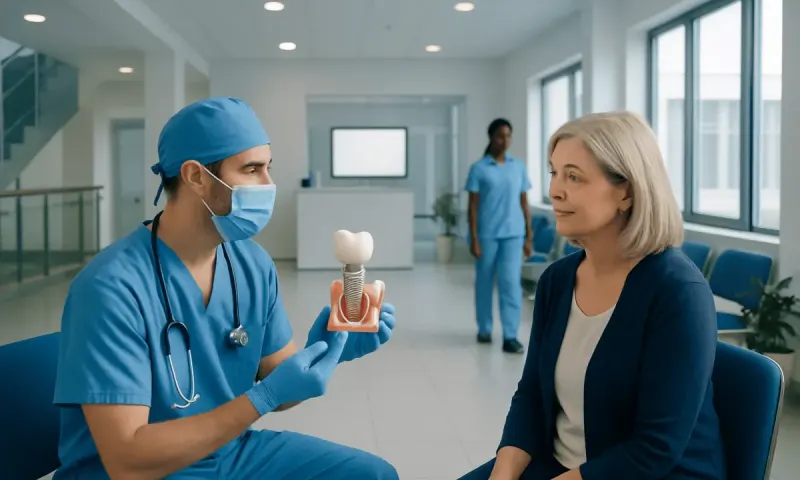
Dental Implant Risks: What Complications Can Happen and How Are They Managed?

Dental implants are a reliable way to replace missing teeth, but like any procedure, they carry some risks. Understanding possible complications, early warning signs, and treatment options can help patients make informed decisions and support smoother healing.
Overview of Dental Implant Risks
Dental implants are artificial tooth roots, usually made of titanium or other biocompatible materials, placed into the jawbone to support a crown, bridge, or full-arch restoration. They are widely used because they can feel stable, preserve chewing function, and help maintain jawbone structure after tooth loss. Many people heal well and keep their implants for many years.
Even so, no dental procedure is completely risk-free. Complications may happen during placement, in the early healing period, or months to years later. These problems can range from mild swelling and temporary discomfort to infection, poor integration with the bone, damage to nearby structures, or long-term inflammation around the implant.
It is helpful for patients to know that having a complication does not always mean the implant will be lost. Many issues improve with early treatment, adjustments to the restoration, better oral hygiene, or additional procedures. Careful assessment before treatment and close follow-up afterward are important parts of safe implant care, whether the plan involves a single implant or a broader option such as dental implants.
Possible Symptoms and Warning Signs
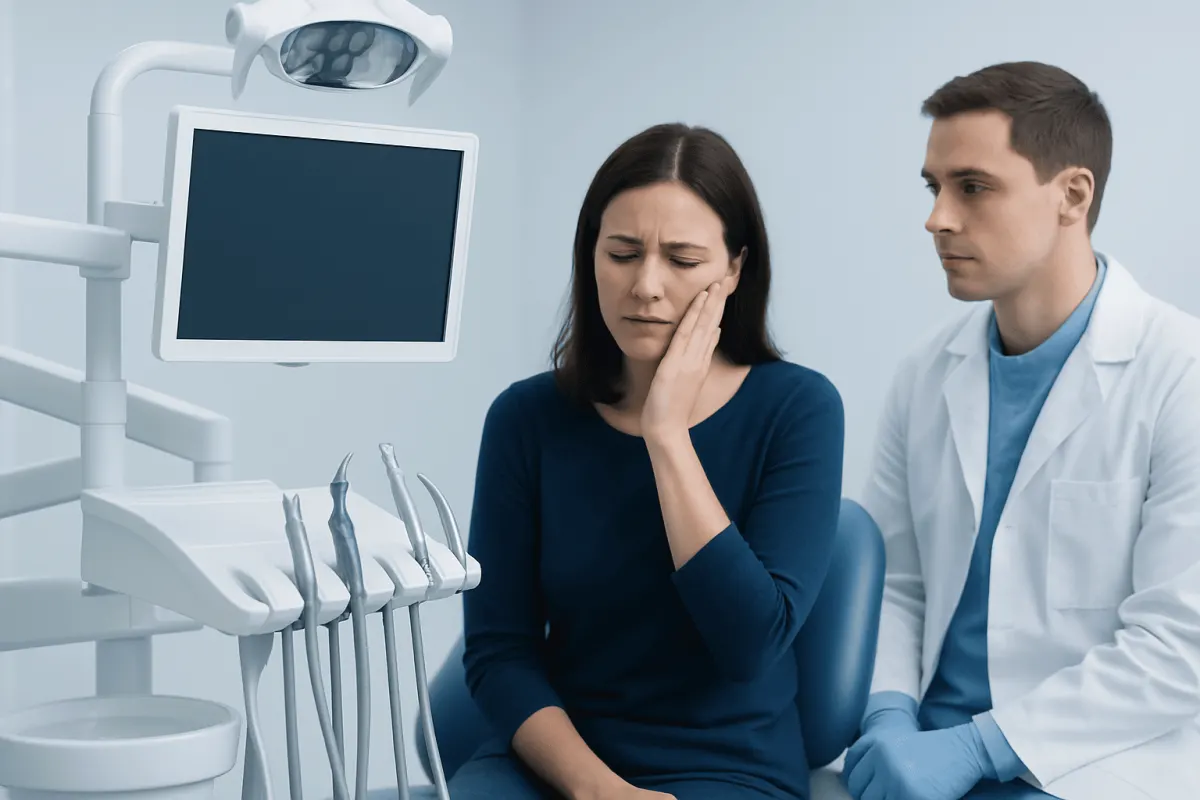
Some symptoms are expected after implant placement, especially in the first few days. Mild pain, light bleeding, temporary bruising, and swelling can occur as the tissues begin to heal. These symptoms usually improve steadily rather than worsening over time.
Warning signs of a possible complication include pain that is severe or getting worse, persistent swelling, pus or drainage, fever, a bad taste or bad odor in the mouth, numbness, or difficulty opening the mouth. Patients may also notice the implant or attached tooth feeling loose, discomfort when biting, or gum tissue pulling away from the area.
Late complications can be more subtle. Bleeding when brushing, tenderness around the implant, and gradual bone loss may suggest inflammation of the tissues around the implant. Because these changes may not cause obvious pain at first, regular dental examinations are important. A dentist can evaluate whether symptoms are part of normal healing or signs of a problem that needs treatment.
What Complications Can Happen?
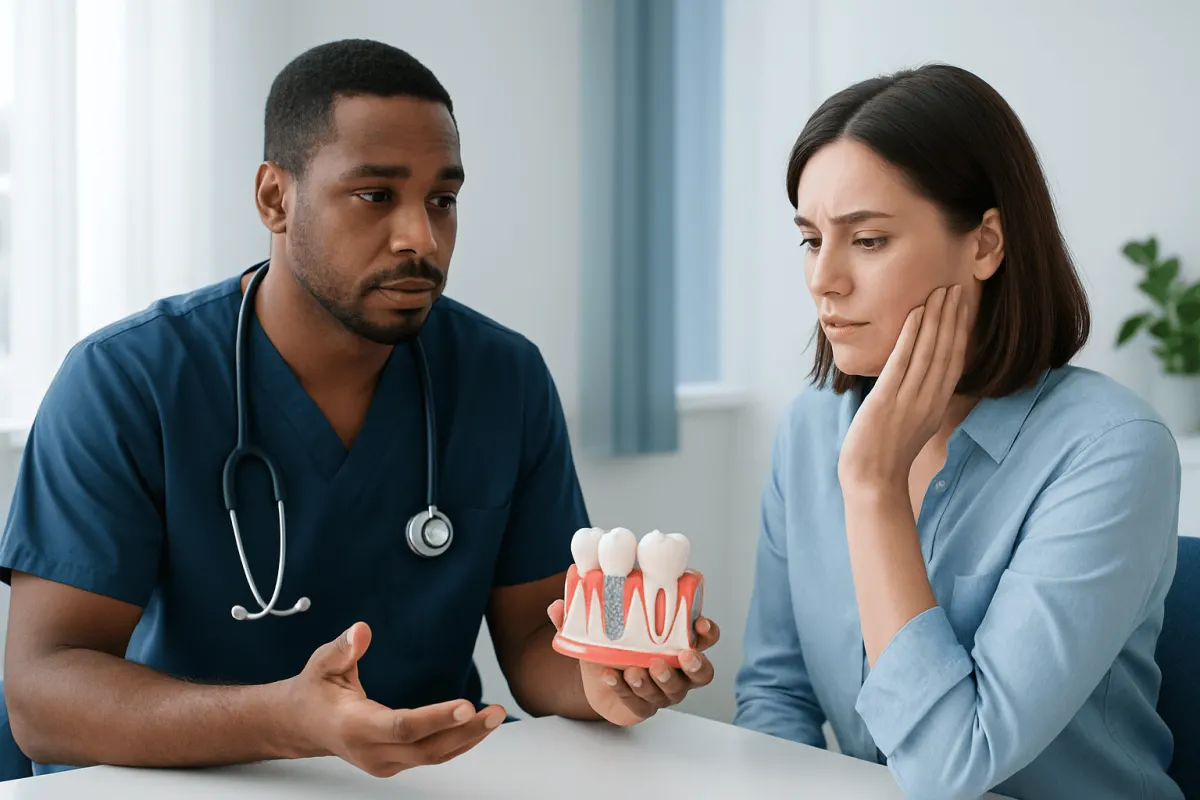
One of the better-known risks is infection. Bacteria can infect the gum or bone around the implant soon after surgery or later if plaque builds up. Early infection may interfere with healing, while later infection can cause peri-implant mucositis or peri-implantitis, conditions that resemble gum disease around a natural tooth. People with a history of gum problems may need closer monitoring, especially if they also have issues such as bleeding gums.
Another possible complication is failed osseointegration, meaning the implant does not bond firmly with the jawbone. If this happens, the implant may remain mobile, painful, or unable to support a restoration. Bone quality, smoking, certain medical conditions, excess pressure during healing, or infection can all contribute to this problem.
Implants can also affect nearby structures. In the lower jaw, there is a small risk of nerve irritation or injury, which may lead to tingling, numbness, or altered sensation in the lip, chin, or tongue. In the upper back jaw, an implant placed near the sinus may sometimes contribute to sinus discomfort or sinus membrane problems. Less commonly, a neighboring tooth root may be injured if spacing is limited.
Mechanical complications can occur too. The crown, screw, abutment, or implant itself can loosen, chip, fracture, or wear over time. Teeth grinding or clenching may increase this risk, particularly in people with bruxism. Although these issues are different from biological problems like infection, they still need professional care to restore comfort and function.
Causes and Risk Factors
Implant complications usually result from a combination of factors rather than a single cause. Oral hygiene is one of the most important. Plaque accumulation around an implant can inflame the surrounding gum tissue and, if untreated, may lead to bone loss. Smoking and tobacco use can reduce blood flow and interfere with healing, making infection and implant failure more likely.
General health also matters. Uncontrolled diabetes, immune system disorders, some medications, and previous radiation therapy to the jaw can affect healing and bone response. People with reduced bone volume may need extra planning or supportive procedures such as dental bone grafts to create a more stable foundation before implant placement.
Local dental factors are equally important. Active gum disease, untreated tooth infections, poor bite alignment, and inadequate spacing can all raise the risk of problems. Excess force on the implant, especially during the early healing phase, may prevent proper integration. A person’s anatomy, including proximity to the sinus or nerve canal, can also influence the treatment plan.
Age alone does not automatically prevent successful implant treatment, but older adults may have medical, bone, or oral health considerations that require individualized care. A thorough evaluation and tailored maintenance plan are especially helpful in patients who may benefit from services such as geriatric dentistry.
How Dentists Diagnose Implant Problems
Diagnosis begins with a conversation about symptoms, timing, and any changes in health or medications. The dentist examines the implant site, surrounding gums, bite contact, and stability of the implant and restoration. Signs such as redness, bleeding, swelling, pus, gum recession, or mobility may point to specific complications.
Dental imaging is often used to assess bone levels and the position of the implant. Standard dental X-rays can show whether the implant is stable in the bone and whether there has been bone loss over time. In more complex cases, three-dimensional imaging may be recommended to evaluate the implant’s relationship to the sinus, nerves, or adjacent teeth.
Sometimes the problem is not the implant body itself but the attached crown, bridge, or screw. In those cases, the dentist may remove or adjust the prosthetic part to determine whether the issue is mechanical, biological, or both. A careful diagnosis helps avoid unnecessary treatment and guides the most effective next step.
How Dental Implant Complications Are Managed
Treatment depends on the type and severity of the complication. Mild postoperative discomfort is usually managed with routine aftercare, temporary diet changes, and the instructions provided by the dental team. If infection is present, the area may need professional cleaning, drainage if necessary, and other measures chosen by the treating dentist. Early management can often preserve the implant.
For inflammatory conditions around implants, treatment may include improving home care, removing plaque and hardened deposits, adjusting the restoration if it traps bacteria, and scheduling closer maintenance visits. In more advanced peri-implantitis, surgical treatment may be needed to clean the implant surface, reduce inflamed tissue, and try to rebuild lost support where appropriate.
If the implant has failed to integrate or has become loose, it may need to be removed. After healing, the dentist may reassess whether another implant is possible, whether more bone support is required, or whether another tooth replacement option would be better. Mechanical problems such as loose screws, worn parts, or damaged crowns may often be repaired or replaced, including with restorations such as dental crowns when suitable.
Complex cases benefit from coordinated care. Oral surgeons, periodontists, prosthodontists, and restorative dentists may all play a role in planning the safest and most durable solution. Near the end of the care pathway, some patients choose centers with multidisciplinary specialists; Acıbadem Health Point provides diagnosis and treatment for international patients in JCI-accredited hospitals.
Prevention and Self-Care After Implant Placement
Prevention starts before the implant is placed. A full dental and medical assessment helps identify risks such as active gum disease, smoking, uncontrolled diabetes, or inadequate bone support. Good planning, including precise implant positioning and a restoration that can be cleaned easily, reduces future complications.
After surgery, following instructions carefully is essential. Patients are generally advised to keep the area clean as directed, avoid disturbing the surgical site, and choose softer foods until healing is further along. Tobacco use should be avoided, and any prescribed medications should be taken exactly as instructed by the treating clinician.
Long-term care is just as important as surgery itself. Daily brushing, cleaning between teeth and implants, and routine dental visits help control plaque and detect changes early. Professional maintenance is especially important because inflammation around implants can progress quietly. Patients should also tell their dentist about new medications, changes in overall health, or habits such as clenching and grinding.
Good implant care also includes protecting the bite. If there is evidence of heavy grinding or an uneven bite, a dentist may recommend adjustments or a protective appliance. These steps can reduce overload on the implant and may improve the lifespan of both the implant and the attached restoration.
When to See a Dentist
Patients should contact a dentist if they have pain that is not improving, swelling that is increasing, persistent bleeding, signs of infection, or any unusual numbness after implant treatment. A loose implant or crown should also be assessed promptly, even if it is not painful. Early evaluation can sometimes prevent a small problem from becoming a larger one.
It is also wise to seek review if the implant area feels uncomfortable when chewing, if the gums look red or puffy, or if brushing causes repeated bleeding. These symptoms may suggest inflammation around the implant or mechanical strain from the bite. Regular follow-up visits remain important even when there are no symptoms, because some complications are first seen on examination or X-ray.
Emergency care may be needed if there is severe swelling, difficulty swallowing, difficulty breathing, or signs of a rapidly spreading infection. While these situations are uncommon, prompt medical and dental attention is important. In most cases, timely care leads to better comfort, better healing, and more treatment options.
Frequently asked questions
01How common are dental implant complications?
Dental implants are generally considered a predictable and successful treatment when patients are selected carefully and follow-up care is maintained. Complications can still happen, but many are manageable and some are preventable. The best way to reduce risk is through thorough planning, good oral hygiene, and regular dental reviews.
02What is the most common problem after a dental implant?
Mild pain, swelling, and temporary bleeding are common short-term effects after implant placement and usually improve within a few days. Among true complications, inflammation or infection around the implant is one of the more important concerns. This is why careful cleaning and follow-up visits matter so much.
03Can a failed dental implant be replaced?
In many cases, yes. If an implant fails, the dentist will first identify why it happened, such as infection, poor bone support, or excessive bite force. After the area heals and any underlying issue is addressed, replacement may be possible or another tooth replacement option may be recommended.
04How can a patient tell if an implant is infected?
Possible signs include ongoing pain, swelling, redness, pus, a bad taste, bad breath, or bleeding around the implant. Some patients also notice tenderness when chewing or gum tissue that looks irritated. Because early infection may be subtle, a dental examination is the safest way to confirm the cause.
05Does smoking increase dental implant risks?
Yes. Smoking can slow healing, reduce blood supply to the tissues, and increase the risk of infection and implant failure. Stopping or reducing tobacco use before and after treatment can improve healing and long-term implant health.
06Can dental implants cause nerve damage or sinus problems?
These complications are possible but uncommon when treatment is carefully planned. In the lower jaw, irritation of a nearby nerve can cause numbness or tingling, while in the upper jaw, implants placed near the sinus may occasionally contribute to sinus-related symptoms. Detailed imaging and precise placement help reduce these risks.
This article is for general information only and is not a substitute for professional medical advice. Please consult a qualified doctor about your individual situation.
Explore treatments in Turkey — costs, top hospitals & a free quote
JCI-accredited · board-certified surgeons · reply within 24h
Add us as a Preferred Source to see more of our trusted health content across Google Search, AI Overviews and Discover.