Dental Bone Graft Risks and Recovery: What Patients Should Expect

A dental bone graft helps rebuild jawbone that has been lost from tooth extraction, gum disease, trauma, or long-term tooth loss. Most people recover well, but understanding dental bone graft risks, healing time, and aftercare can make the process smoother and less stressful.
Overview: What a Dental Bone Graft Is
A dental bone graft is a procedure used to rebuild or preserve bone in the jaw. Dentists and oral surgeons may recommend it when the jawbone is too thin, soft, or reduced to properly support a tooth, protect nearby structures, or prepare for future treatment such as dental implants. Bone can be lost after tooth extraction, advanced gum disease, injury, infection, or simply from having a missing tooth for a long time.
The graft material acts as a scaffold that supports the body’s own healing response. Over time, natural bone cells gradually grow into the area. Depending on the case, the material may come from the patient’s own body, a donor source, an animal source processed for medical use, or a synthetic substitute. The exact choice depends on the size and location of the defect, overall oral health, and the planned dental treatment.
Bone grafting may be done at the time of tooth removal, before implant placement, or as part of a larger reconstructive plan. In some cases it is a small office-based procedure; in others, it is more involved. Most people do well, especially when the area is healthy and the patient follows aftercare instructions closely.
Why Bone Grafts Are Needed and Who May Benefit
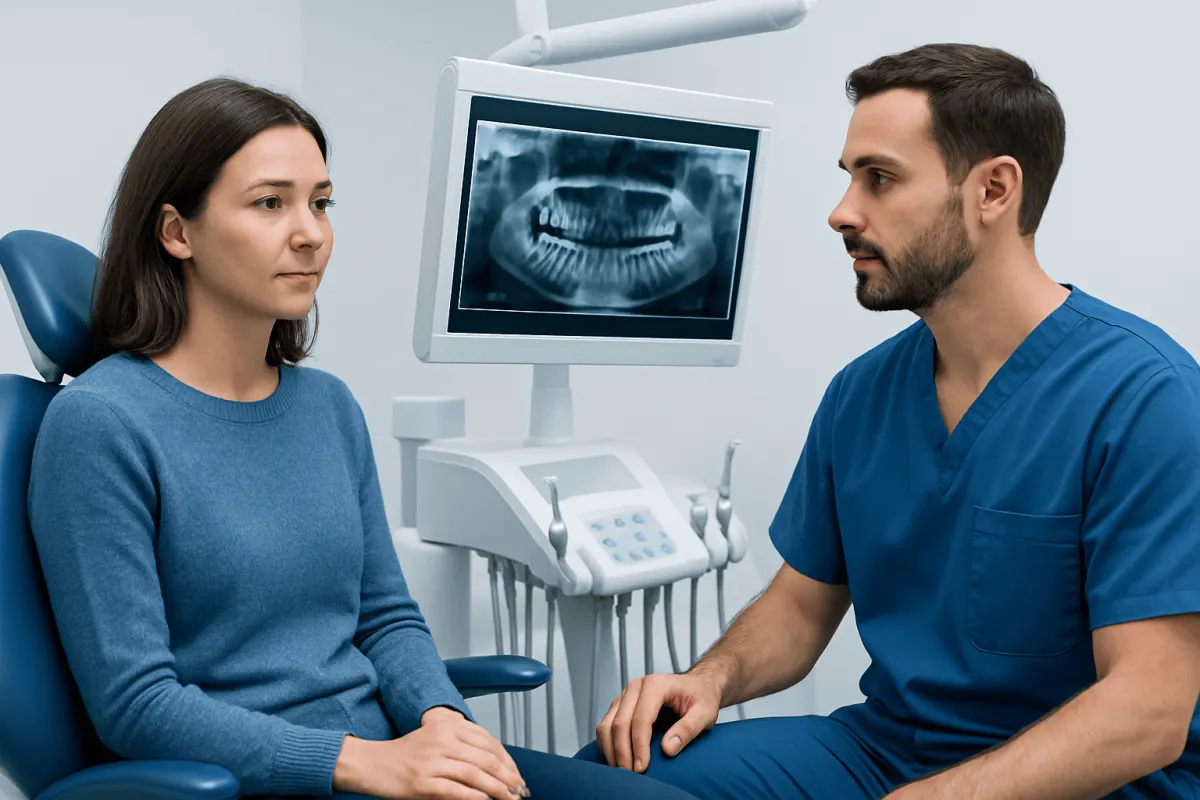
A bone graft is often recommended when there is not enough healthy bone to stabilize a future implant or to maintain the contour of the jaw. This can happen after a tooth is extracted, because the bone that once supported the tooth begins to shrink naturally. Bone grafting may help preserve the shape of the jaw and reduce later treatment complexity.
Patients with periodontal disease may also need grafting. Long-standing gum infection can damage the tissues and bone that support the teeth. If bone loss is severe, restoring the area may be part of a broader plan that includes treatment for bleeding gums and gum disease and careful long-term maintenance.
Other reasons for grafting include trauma, cyst removal, congenital differences, and sinus-related bone loss in the upper jaw. Some people need only a small socket preservation graft after extraction, while others may require ridge augmentation or a sinus lift. A dentist or oral surgeon will explain the goal of the graft and how it fits into the patient’s larger treatment plan, which may also involve general dentistry care before definitive restoration.
Dental Bone Graft Risks and Possible Complications
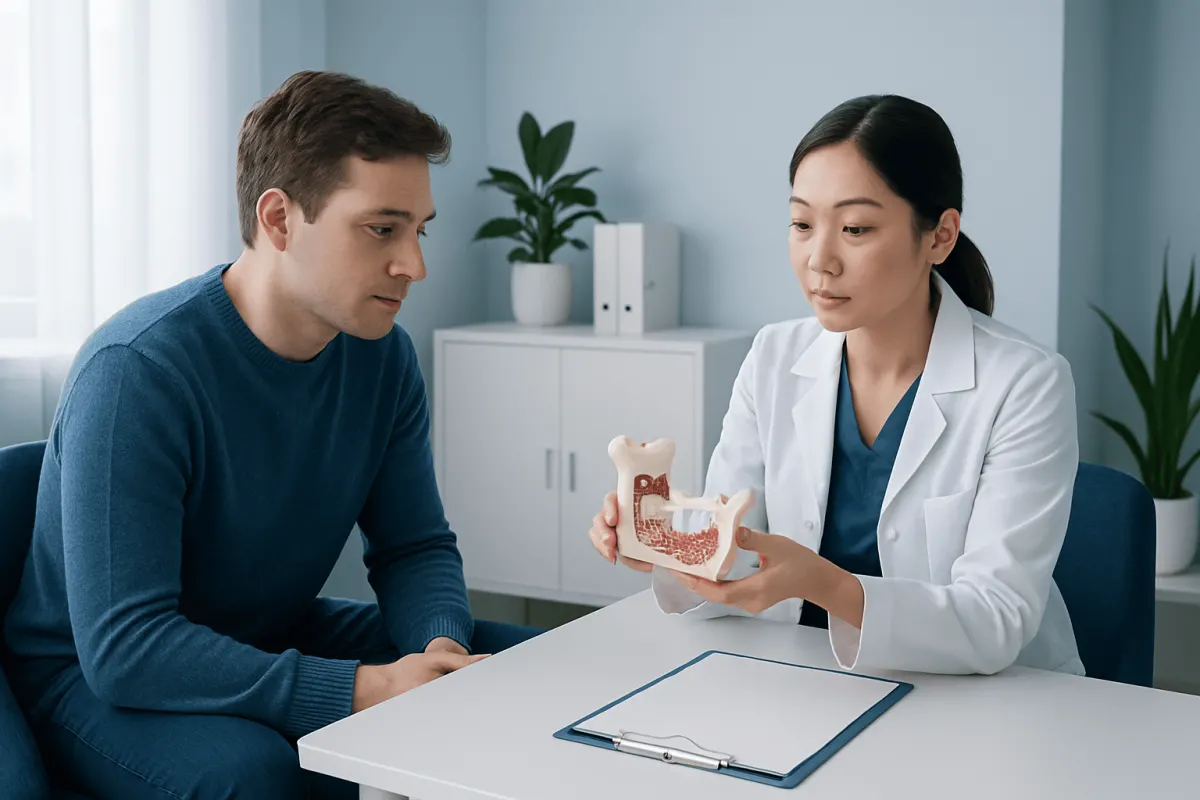
Like any procedure, bone grafting has potential risks, but serious complications are not common when treatment is planned carefully. The most expected short-term effects are swelling, mild bleeding, bruising, soreness, and temporary difficulty chewing. These are usually part of normal healing and tend to improve gradually over several days.
Potential complications include infection, delayed healing, graft exposure, and graft failure, meaning the material does not integrate well enough with the natural bone. In some cases, small grain-like pieces of graft material may come out during healing; this is not always a sign of failure, but it should still be reported to the dentist. The risk can be higher if the surgical site is disturbed, if oral hygiene is poor, or if there is active gum disease nearby.
There are also location-specific risks. In the upper back jaw, a graft placed near the sinus may be associated with sinus irritation or membrane perforation. In other parts of the jaw, there may be temporary numbness or tingling if nearby nerves become irritated. Rarely, pain persists longer than expected or the wound opens before healing is complete.
Certain health factors can raise the chance of problems. Smoking, uncontrolled diabetes, poor nutrition, some immune conditions, and medications that affect bone healing may increase the risk of infection or slow recovery. This is why the dental team usually reviews the patient’s medical history, current medications, and habits in detail before scheduling the procedure.
Symptoms During Recovery: What Is Normal and What Is Not
After a dental bone graft, it is common to notice swelling, tenderness, and mild oozing from the site. Many patients also feel some tightness in the jaw or discomfort when chewing. If stitches are used, the area may feel slightly rough or different from surrounding tissue. Symptoms are often most noticeable in the first few days and then gradually settle.
Some patients feel small, hard granules in the mouth. These can be tiny particles of graft material or texture from the healing site. A small amount may be expected, but repeated loss of material, a bad taste, or increasing discomfort should be discussed with the dentist. If the graft is part of a larger restorative process, such as preparation for bone graft treatment or implants, follow-up visits are important to make sure healing is progressing as planned.
Warning signs deserve prompt attention. These include worsening rather than improving pain, fever, pus, foul odor, heavy bleeding, significant swelling after the first few days, or numbness that does not begin to improve. Trouble opening the mouth, swallowing, or breathing needs urgent medical assessment.
How Dentists Diagnose Problems and Monitor Healing
Before the procedure, the dentist or oral surgeon assesses the amount and quality of available bone through an oral examination and imaging. Standard dental X-rays may be enough in simple cases, while three-dimensional scans can give more detailed information when planning graft shape, implant position, or the relationship to the sinus and nerves. This approach is often part of modern digital dentistry planning.
During recovery, diagnosis is based on symptoms, visual inspection, and sometimes repeat imaging. The clinician checks the wound edges, gum color, swelling, tenderness, and the stability of the area. If the patient reports unexpected pain, discharge, or prolonged swelling, the dentist may look for infection, membrane exposure, or problems with the graft’s integration.
Healing is not judged by symptoms alone. Some sites can feel comfortable even before bone has fully matured, while other sites may feel sensitive but still be healing normally. Because bone remodeling takes time, routine follow-up is an important part of the treatment process. The dentist can then decide when the area is ready for the next step, if any, such as implant placement or final restoration.
Treatment Options if Complications Occur
Management depends on the type of problem and how severe it is. Mild pain, swelling, or irritation may only require reassurance, local care, and closer observation. Dentists often recommend supportive measures such as prescribed or over-the-counter pain relief, a modified diet, and careful cleaning around the area, but the exact plan should come from the treating clinician.
If there are signs of infection, treatment may include cleaning the area and prescribing medication. If stitches loosen, the wound opens, or a protective membrane becomes exposed, the dentist will decide whether the area can continue healing on its own or whether additional treatment is needed. In some cases, the graft still succeeds despite a minor setback.
When a graft does not integrate properly, the clinician may need to remove non-healing material and allow the area to recover before trying again. This can feel disappointing, but it does not always mean future treatment is impossible. The team will reassess contributing factors such as gum health, smoking, bite pressure, or general medical conditions before planning the next step.
Patients undergoing complex rehabilitation may eventually move on to options such as single implants, bridges, or full-arch restorations including All-on-4 treatment in selected cases. The right choice depends on bone volume, healing quality, oral hygiene, and the patient’s long-term goals.
Recovery Timeline, Self-Care, and Healing Tips
Soft tissue usually begins to heal within the first one to two weeks, but the bone itself takes much longer to mature. Many patients feel substantially better after several days, yet full bone integration may take several months depending on the size of the graft, the material used, and the area of the mouth. The dentist will explain when normal chewing, further dental work, or implant placement is appropriate.
Good self-care can make a real difference. Patients are often advised to rest, avoid disturbing the surgical site, and follow guidance about rinsing, brushing, and eating. A soft-food diet may be recommended at first, along with adequate hydration. Very hot foods, hard or crunchy foods, and chewing directly on the grafted side may need to be avoided for a period.
Smoking and tobacco use can significantly impair blood flow and healing, so stopping is strongly encouraged. Good control of medical conditions such as diabetes is also important. Regular hygiene remains essential, but it needs to be gentle and consistent. Supportive care through professional dental hygiene follow-up may help protect the area and lower the risk of future gum-related bone loss.
- Take medications exactly as prescribed.
- Use ice packs only as instructed in the early phase if recommended.
- Sleep with the head slightly elevated if swelling is expected.
- Avoid vigorous spitting, smoking, and using straws unless the dentist says otherwise.
- Attend all follow-up visits, even if the mouth feels better.
When to See a Doctor and Getting Expert Care
Patients should contact their dentist or oral surgeon if pain becomes stronger after the first few days, swelling increases instead of decreasing, or bleeding seems heavy or persistent. Fever, pus, a foul smell, or a wound that appears to open can suggest a complication that needs prompt review. Numbness, sinus symptoms after upper-jaw surgery, or repeated loss of graft particles should also be assessed.
It is also reasonable to ask for review if healing simply does not feel right. Patients know their own symptoms best, and early communication often helps small concerns stay small. A dentist can distinguish between normal healing changes and signs that need treatment, which can prevent delays in recovery.
For people traveling for care or planning more extensive restorative work, coordinated follow-up matters. Near the end of the treatment journey, some patients choose centers with multidisciplinary dental and maxillofacial expertise. Acıbadem Health Point’s specialists in JCI-accredited hospitals diagnose and treat dental bone loss and related oral conditions for international patients as part of comprehensive care planning.
Frequently asked questions
01How painful is a dental bone graft?
Most patients describe the discomfort as manageable rather than severe. Soreness, swelling, and tenderness are common for a few days, and the dental team usually recommends pain-control measures and a temporary soft diet.
02How long does a dental bone graft take to heal?
The gums often start healing within one to two weeks, but the bone takes much longer to mature. Depending on the size and type of graft, full healing may take several months before the area is ready for the next stage of treatment.
03What are the most common dental bone graft risks?
The most common risks include swelling, mild bleeding, pain, infection, delayed healing, and partial loss of graft material. Less commonly, the graft may fail to integrate, or nearby structures such as the sinus or a nerve may become irritated depending on the graft location.
04Is it normal for bone graft particles to come out?
A small amount of graft material may sometimes work its way out during healing, and this is not always a problem. However, repeated loss of particles, worsening pain, bad taste, or signs of infection should be reported to the dentist.
05Can a dental bone graft fail?
Yes, a dental bone graft can fail, but this is not inevitable and many grafts heal successfully. Failure is more likely if there is infection, smoking, poor oral hygiene, uncontrolled medical disease, or too much movement at the surgical site.
06When should someone call the dentist after a bone graft?
A dentist should be contacted for fever, increasing swelling, heavy bleeding, pus, worsening pain, or numbness that does not improve. Urgent assessment is also needed if there is trouble breathing, swallowing, or severe swelling.
This article is for general information only and is not a substitute for professional medical advice. Please consult a qualified doctor about your individual situation.
Explore treatments in Turkey — costs, top hospitals & a free quote
JCI-accredited · board-certified surgeons · reply within 24h
Add us as a Preferred Source to see more of our trusted health content across Google Search, AI Overviews and Discover.