Dental Anesthesia: Types, Safety, and Recovery After Treatment

Dental anesthesia helps control pain and anxiety during many dental procedures, from simple fillings to more complex oral surgery. Understanding the different types, possible side effects, and recovery steps can help patients feel more prepared and confident before treatment.
Overview of Dental Anesthesia
Dental anesthesia is the use of medicines to block pain or reduce awareness during dental care. It is a routine part of modern dentistry and can make many procedures much more comfortable. Depending on the treatment, it may numb a small area of the mouth, promote relaxation, or in selected cases keep the patient fully asleep.
There is no single type of dental anesthesia for every situation. Dentists and oral surgeons choose the most appropriate option based on the planned procedure, the patient’s age, general health, level of anxiety, and past experiences with anesthesia. A small cavity filling may only require local numbing, while a more involved procedure may call for sedation as well.
Many patients use the word “anesthesia” to describe any pain-control method at the dentist, but there are important differences between local anesthesia, sedation, and general anesthesia. Knowing these differences can help patients understand what to expect before, during, and after treatment, whether they are having dental fillings, root canal treatment, or a more complex procedure.
Types of Dental Anesthesia
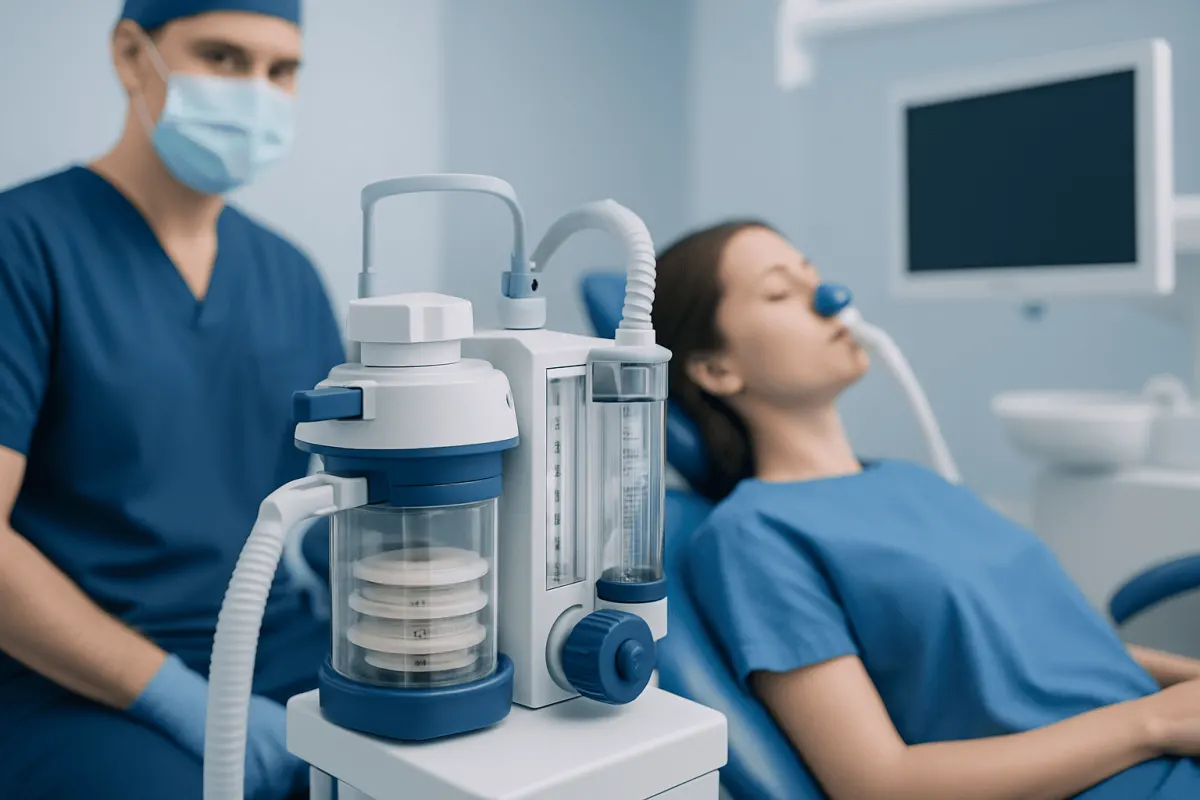
Local anesthesia is the most common option in dentistry. It temporarily blocks pain in one specific area while the patient remains fully awake. The dentist injects the anesthetic near the treatment site, and numbness usually develops within a few minutes. This is often used for fillings, crowns, gum treatment, and minor oral procedures.
Sedation is different from local anesthesia because it mainly reduces anxiety, fear, and awareness rather than simply numbing tissue. Some patients remain relaxed but awake, while others become very sleepy and may remember little of the procedure. Sedation can be given in several ways, such as inhaled medication, oral medicine, or intravenous sedation, depending on the clinical setting and the patient’s needs.
General anesthesia is the deepest level of anesthesia and makes the patient fully unconscious. It is usually reserved for selected situations, such as extensive oral surgery, certain pediatric cases, or when other methods are not suitable. Because it requires closer monitoring and recovery planning, it is not used for most routine dental care.
- Local anesthesia: numbs a small area; patient stays awake.
- Sedation: helps relaxation and reduces awareness; often combined with local anesthesia.
- General anesthesia: patient is fully asleep; used for specific procedures or medical needs.
When It Is Used and What to Expect

Dental anesthesia may be recommended for many different treatments. Local anesthesia is commonly used for cavity treatment, deep cleaning below the gumline, crown preparation, and tooth extraction. Sedation may be helpful for people with significant dental anxiety, a strong gag reflex, difficulty sitting through long appointments, or special healthcare needs. More complex procedures, such as some cases of dental implant treatment, may also involve sedation for added comfort.
Before treatment, the dental team usually reviews the patient’s medical history, allergies, medicines, and any previous reactions to anesthesia. Patients may also be asked about heart or lung conditions, pregnancy, sleep apnea, bleeding disorders, or use of alcohol and tobacco. This discussion helps the dentist or anesthesiologist choose the safest option.
During the visit, the patient may first receive a topical numbing gel before an injection of local anesthetic. If sedation is planned, monitoring equipment may be used to check breathing, oxygen levels, pulse, and blood pressure. The team will explain what the patient can eat or drink beforehand, whether someone should accompany them home, and what activities to avoid afterward.
Safety, Side Effects, and Possible Risks
Dental anesthesia is generally considered safe when it is used by trained professionals after an appropriate assessment. Modern dental practices follow well-established safety protocols, including dose planning, monitoring, and emergency preparedness. Serious complications are uncommon, but no medical treatment is entirely free of risk.
The most common side effects are mild and short-lived. After local anesthesia, the lips, tongue, cheek, or gums may stay numb for a few hours. Some patients notice minor tenderness, a small bruise at the injection site, or temporary difficulty speaking clearly. With sedation, drowsiness, slower reaction time, nausea, headache, or grogginess may occur for a short period after the procedure.
Less commonly, patients may have an allergic reaction, unusual sensitivity to a medicine, or effects related to underlying health conditions. Safety concerns can be higher in people with severe heart or lung disease, obstructive sleep apnea, liver disease, or those taking multiple medicines that affect the nervous system. For this reason, patients should always share a complete and accurate health history before any dental procedure.
People often worry about whether numbness will last too long or whether they will wake up during treatment. In most cases, local numbness fades gradually and predictably. If sedation or general anesthesia is used, the dental team carefully monitors the patient and adjusts care based on the procedure and the patient’s response.
Recovery After Dental Anesthesia
Recovery depends on the type of anesthesia used. After local anesthesia alone, many patients can return to their usual routine fairly quickly. However, the mouth may stay numb for several hours, so eating and drinking should be done carefully to avoid biting the cheek, lips, or tongue. Hot foods and beverages should usually be avoided until normal sensation returns.
After sedation or general anesthesia, recovery takes longer. Patients may feel sleepy, unsteady, or less alert for the rest of the day. Driving, operating machinery, signing important documents, and drinking alcohol are usually not recommended until the effects have fully worn off and the dental team says it is safe.
It is also normal to have discomfort from the dental procedure itself, which is different from the anesthesia wearing off. For example, after extractions, implant placement, or dental crown treatment, there may be temporary soreness, swelling, or sensitivity. The dental team may advise rest, hydration, soft foods, and routine pain-relief measures appropriate for the individual patient.
- Wait for numbness to improve before chewing.
- Choose soft, lukewarm foods if the mouth feels sore.
- Follow instructions about medicines exactly as directed.
- Arrange for an adult escort if sedation or general anesthesia was used.
- Contact the clinic if severe pain, trouble breathing, prolonged vomiting, or unusual swelling develops.
Who May Need Extra Precautions
Some patients need more individualized planning before dental anesthesia. Children, older adults, and people with chronic medical conditions may respond differently to anesthetic medicines. Patients with severe anxiety, neurological conditions, or communication difficulties may also benefit from a more tailored approach.
Pregnancy, breastfeeding, and the use of prescription medicines should always be discussed in advance. Blood thinners, diabetes medicines, antidepressants, and certain heart medicines can affect dental treatment planning. The same is true for herbal supplements and over-the-counter products, which patients sometimes forget to mention.
Patients with a history of snoring or diagnosed sleep apnea should tell the dentist, especially if sedation is being considered. Those receiving care through dental sleep medicine services or patients with conditions such as bruxism may already have related oral or airway concerns that matter during treatment planning. In these situations, close assessment helps improve both comfort and safety.
How to Prepare and When to Seek Medical Advice
Preparation starts with open communication. Patients should ask what type of anesthesia is planned, why it is recommended, how long it will last, and what recovery will involve. It is also helpful to ask whether eating or drinking restrictions apply and whether a companion is needed for the trip home.
On the day of treatment, following pre-procedure instructions carefully is important. This may include taking usual medicines with guidance, avoiding certain foods or drinks, arriving in comfortable clothing, and leaving enough time for recovery. Good preparation can reduce stress and lower the chance of avoidable complications.
After treatment, patients should seek medical advice if numbness lasts much longer than expected, bleeding does not settle, or symptoms such as rash, wheezing, chest pain, fever, or severe swelling appear. Although these problems are not common, prompt assessment is the safest approach. For international patients who need evaluation or treatment, Acıbadem Health Point’s multidisciplinary specialists and JCI-accredited hospitals provide dental care and anesthesia planning tailored to the individual.
Routine follow-up also matters. Questions about prolonged sensitivity, bite changes, or healing after dental treatment should be discussed with a qualified dentist rather than ignored. Ongoing preventive care, including good dental hygiene support, can also reduce the need for more invasive treatment in the future.
Frequently asked questions
01Is dental anesthesia safe?
Dental anesthesia is generally safe when it is given by trained professionals who review the patient’s health history and medications first. Mild temporary side effects are more common than serious complications. Patients should always mention allergies, medical conditions, and previous reactions to anesthesia.
02What is the difference between local anesthesia and sedation?
Local anesthesia numbs a specific area so the patient does not feel pain there, but the patient stays awake. Sedation mainly helps the patient relax and reduces awareness or anxiety during treatment. In many cases, sedation and local anesthesia are used together.
03How long does numbness last after a dental injection?
Numbness from local dental anesthesia often lasts for a few hours, although the exact timing can vary by medicine and treatment area. During that time, patients should be careful not to bite their lips, cheeks, or tongue. If numbness lasts much longer than expected, the dental clinic should be contacted.
04Can a patient drive home after dental anesthesia?
After local anesthesia alone, many patients can usually drive if they feel well and their dentist agrees. After sedation or general anesthesia, driving is generally not considered safe for the rest of the day because alertness and reaction time may be reduced. Patients should arrange a responsible adult to accompany them home when advised.
05Who may need special precautions before dental anesthesia?
People with heart or lung disease, sleep apnea, liver disease, medication allergies, pregnancy, or complex medication use may need extra planning. Children and older adults may also need more individualized assessment. Sharing a full medical history helps the dental team choose the safest approach.
06What should someone eat after dental anesthesia?
If the mouth is still numb, it is usually best to wait before chewing or to choose soft foods carefully. Lukewarm foods are often more comfortable than very hot foods or drinks, especially if the mouth is tender. The dental team may give specific instructions based on the procedure performed.
This article is for general information only and is not a substitute for professional medical advice. Please consult a qualified doctor about your individual situation.
Explore treatments in Turkey — costs, top hospitals & a free quote
JCI-accredited · board-certified surgeons · reply within 24h
Add us as a Preferred Source to see more of our trusted health content across Google Search, AI Overviews and Discover.