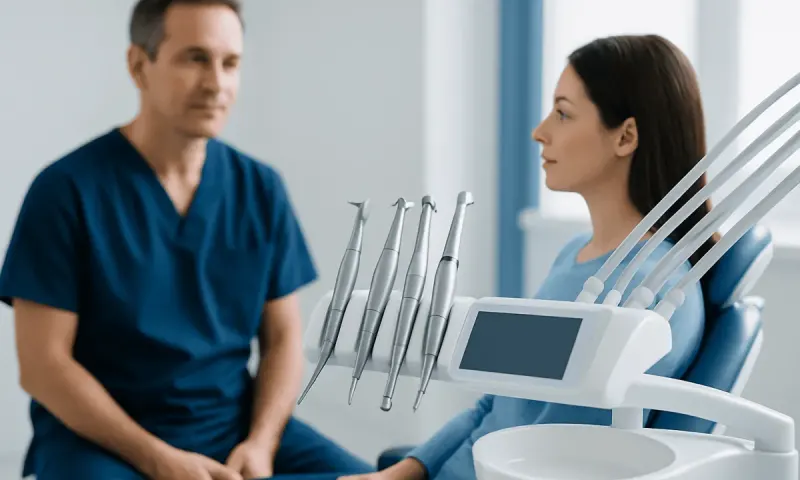
Best Country for Dental Tourism: Safety Factors
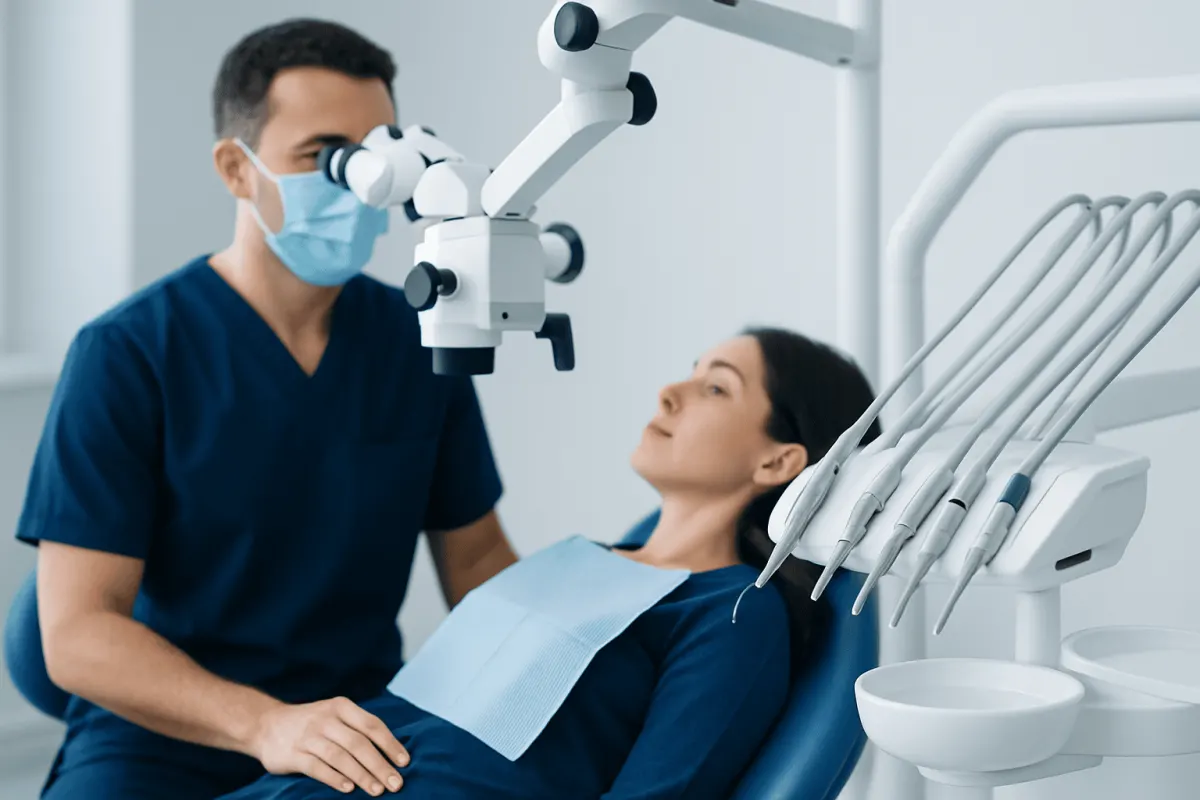
The best country for dental tourism is not the same for every person: the safest choice is a destination with strong professional regulation, verified clinicians, clear treatment plans and realistic arrangements for follow-up care. A careful comparison should prioritize clinical standards and continuity of care over advertising, speed or package offers.
Overview: choosing dental care abroad safely
The best country for dental tourism is the one that can provide appropriately regulated, evidence-based dental care while allowing enough time for assessment, treatment and safe follow-up. Rather than choosing solely by destination, patients benefit from comparing individual clinics, dentists, professional oversight, communication standards and the practical ability to obtain care if a problem develops after travel.
Dental tourism may be considered for preventive care, restorative dentistry, crowns, bridges, orthodontic treatment or implant-based treatment. However, the clinical needs are different for every person. A dentist should first assess oral health, gum health, bite, existing restorations and medical history before recommending irreversible procedures such as tooth preparation, extraction, veneers or implants.
Travel can make treatment coordination more complicated. Time differences, language barriers, limited access to records and a short stay may affect aftercare. A safe decision begins with a full diagnostic process and a plan that is medically appropriate, not simply convenient for a travel itinerary.
Which country is considered the best for dental tourism?
No country can be named the best for every dental patient. Countries commonly considered for dental travel vary in their regulatory systems, professional training, travel access, language support and availability of specialist care. The best country dental tourism choice is therefore one where the specific clinic and clinician can demonstrate recognized qualifications, current registration, transparent protocols and suitable follow-up arrangements.
For people comparing the best country for dental tourism in Europe, practical factors may include ease of travel, visa requirements, local patient protections, the ability to communicate clearly with the dental team and proximity for return visits. It is reasonable to ask the clinic which national or regional authority regulates dental professionals and how a patient can verify the dentist’s registration independently.
Patients should also consider whether the proposed procedure requires multiple stages. Implant treatment, gum treatment, complex root canal care and full-mouth rehabilitation may involve review appointments over weeks or months. In these situations, a destination that is easy to revisit—or a coordinated plan with a dentist at home—may be more important than choosing a particular country.
- Check the dentist’s education, specialty training and active professional registration.
- Ask who will perform each part of treatment and whether specialists are involved.
- Request a written treatment plan before booking travel.
- Confirm what aftercare is included and how urgent concerns are handled after departure.
What is the 50-40-30 rule in dentistry?
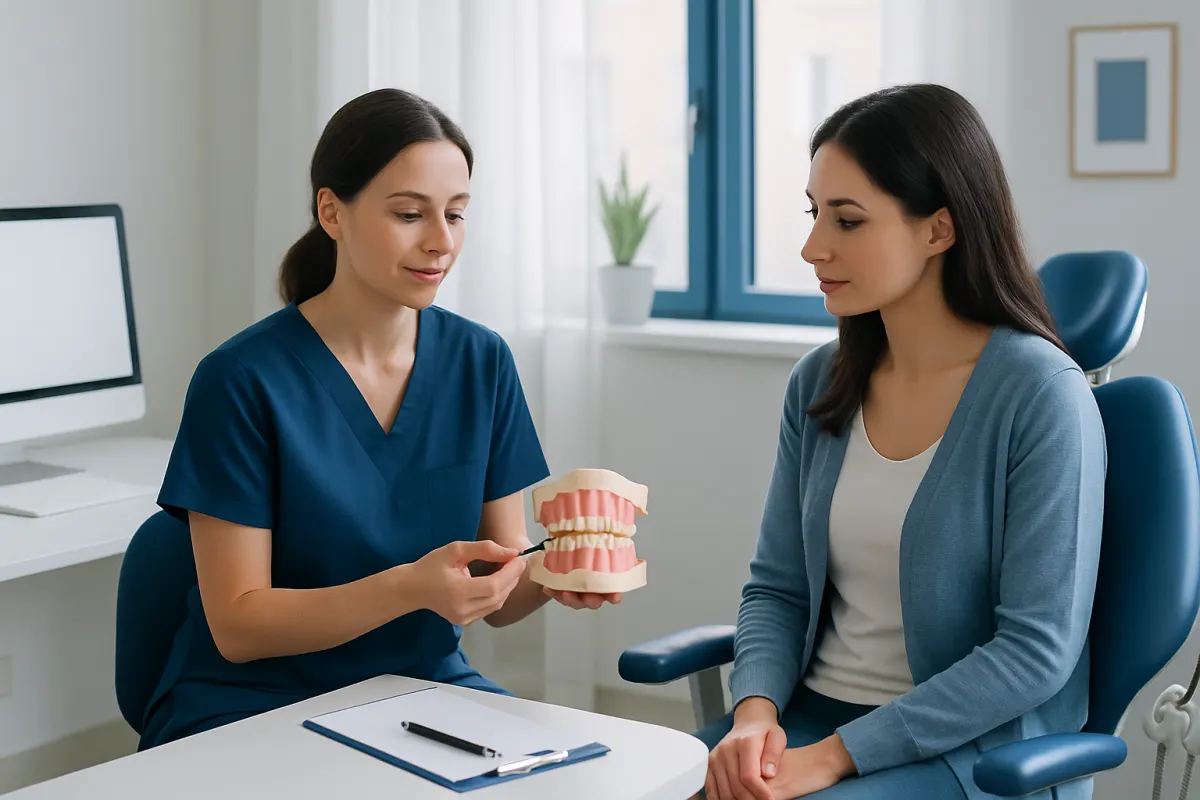
The phrase “50-40-30 rule” is not a universal clinical rule or a recognized standard used to decide whether dental treatment is safe. It may be used informally in promotional content or in discussions of smile design, tooth proportions or treatment planning. Because its meaning can vary, it should not be used alone to justify crowns, veneers, implants or any other procedure.
Sound dentistry is individualized. A dentist evaluates the health of the teeth and gums, the amount of natural tooth structure, bite forces, jaw function, tooth position, facial features and the patient’s goals. Diagnostic photographs, dental X-rays and, when relevant, digital scans can help clarify options, but they do not replace an in-person clinical examination.
Patients considering cosmetic changes should ask whether a proposed treatment is reversible, whether healthy enamel needs to be removed, how long the restoration may reasonably last and what future maintenance could be needed. Conservative options, such as professional cleaning, whitening, orthodontic assessment or repair of existing restorations, may sometimes be appropriate alternatives depending on the diagnosis.
What is the safest country for dental work?
The safest country for dental work cannot be identified by a simple ranking. Safety depends on the legal regulation of dentistry, the standards applied by the individual facility, the expertise of the treating team, infection prevention, accurate diagnosis and the patient’s access to aftercare. A well-regulated clinic with clear clinical governance is generally a more meaningful measure of safety than a destination label.
Before committing to treatment, patients can ask how the clinic sterilizes instruments, manages medical emergencies, protects patient records and documents consent. They should receive clear explanations of expected benefits, limitations and possible complications. For invasive care, it is also sensible to ask what imaging is needed, whether the clinician will review relevant medical conditions and how prescription medicines will be handled safely.
Patients with diabetes, bleeding disorders, immune suppression, heart conditions, severe anxiety, sleep apnea, a history of radiation therapy to the head or neck, or medicines that affect bone healing should tell the dental team in advance. These factors do not automatically prevent treatment, but they can change the timing, setting or type of care recommended.
Independent reviews can offer useful context, but they should not be the main evidence of quality. A safer approach is to verify credentials, review the written plan carefully, avoid pressure to make an immediate decision and seek an independent dental opinion when extensive or irreversible work has been recommended.
Where is the best place in the world to get teeth done?
The best place in the world to get teeth done is a clinic that can diagnose the problem accurately, offer appropriate alternatives and support the patient before, during and after treatment. It may be close to home or abroad. For a simple examination or a straightforward restoration, travel may be manageable; for complex care, continuity with a local dentist can be especially valuable.
Patients should be cautious about treatment plans that recommend many crowns, extractions or implants without a comprehensive assessment. Healthy teeth should not be altered unnecessarily. A responsible clinician explains why each tooth needs treatment, discusses options for preserving natural teeth where possible and provides enough time for informed consent.
For patients seeking advanced restorative or implant care, treatment should be planned around oral health rather than a fixed travel schedule. Dental implant treatment may involve surgical planning, healing and later restoration, so it is important to understand each stage before travelling. A clinician should also assess gum health, as untreated gum disease can affect long-term dental outcomes.
Acıbadem Health Point’s multidisciplinary specialists and JCI-accredited hospitals diagnose and treat dental and related oral health needs for international patients, with care planning tailored to the individual clinical situation.
Planning, records and aftercare for dental travel
Patients should request a written plan that states the diagnosis, teeth involved, procedures proposed, estimated number of appointments, type of anesthesia or sedation if relevant, expected recovery and follow-up needs. It should distinguish essential treatment from elective cosmetic changes. The plan should also state what may change if the in-person examination or imaging identifies additional concerns.
Keeping records supports safe ongoing care. Before leaving, patients should obtain copies of dental X-rays or scans, clinical notes, a list of materials and restorations used, laboratory information where available, and instructions for cleaning and maintenance. These records can help a dentist at home understand what was done if adjustment, repair or further care is needed.
Travel plans should allow time for recovery and review. It may be unwise to schedule long-distance travel immediately after significant oral surgery, especially if swelling, pain or bleeding is possible. Patients should follow the treating team’s advice about activity, eating, oral hygiene and medicines, and should know how to contact the clinic outside routine hours.
- Arrange a dental check-up at home before travel when possible.
- Share relevant medical history and current medicines honestly and completely.
- Do not agree to additional procedures without understanding why they are needed.
- Plan how follow-up, repairs or complications would be managed after returning home.
When to seek medical care
After dental treatment, mild discomfort, temporary sensitivity or some swelling may occur depending on the procedure. However, patients should contact the treating dentist promptly if pain is worsening rather than improving, swelling is increasing, a restoration feels loose, a bite feels significantly uneven, bleeding continues, or there are signs that a wound is not healing as expected.
Urgent medical assessment is needed for difficulty breathing or swallowing, rapidly spreading facial or neck swelling, severe uncontrolled bleeding, confusion, fainting, a high fever with significant illness, or symptoms of a severe allergic reaction. These symptoms may indicate a problem that should not wait for travel or a remote consultation.
Anyone with a toothache accompanied by facial swelling, fever or a bad taste in the mouth should seek timely dental evaluation, as infection can require treatment. Patients should not rely on antibiotics alone or delay assessment if symptoms are becoming more severe. A local dentist or emergency service can advise on the most appropriate next step.
Frequently asked questions
01How can a person choose the best country for dental tourism?
A person should compare clinical regulation, dentist credentials, clear communication, travel practicality and arrangements for follow-up care. The safest choice is usually based on the quality and accountability of the individual clinic rather than a country-wide reputation. A written treatment plan and independently verifiable registration are important checks.
02Should a patient get a dental examination before travelling abroad?
Yes. A check-up with a local dentist can identify urgent problems and provide useful records before travel. It can also help the patient understand whether the proposed overseas treatment is appropriate and whether a second opinion is advisable.
03Is it safe to have dental implants while travelling?
Dental implants can be appropriate for some patients, but they require careful diagnosis, surgical planning and follow-up. Healing and restoration may take place in stages, so a short trip may not suit every implant plan. Patients should understand who will provide ongoing care once they return home.
04What documents should patients request after dental treatment abroad?
Patients should request copies of X-rays or scans, treatment notes, information about restorations and materials, and written aftercare instructions. These documents help future dentists assess and maintain the work. They are particularly valuable if a repair, adjustment or further treatment becomes necessary.
05Can cosmetic dental treatment damage healthy teeth?
Some cosmetic procedures require alteration of natural tooth structure, while others are more conservative. The effect depends on the procedure, the condition of the teeth and how the treatment is planned. A dentist should explain whether healthy enamel will be removed and discuss alternatives before treatment begins.
06When should someone seek urgent help after dental treatment?
Urgent help is needed for trouble breathing or swallowing, rapidly worsening swelling, severe persistent bleeding, severe allergic symptoms or serious illness with fever. These symptoms require prompt local medical assessment. Patients should not wait to travel home if urgent symptoms occur.
This article is for general information only and is not a substitute for professional medical advice. Please consult a qualified doctor about your individual situation.
Explore treatments in Turkey — costs, top hospitals & a free quote
JCI-accredited · board-certified surgeons · reply within 24h
Add us as a Preferred Source to see more of our trusted health content across Google Search, AI Overviews and Discover.