Demodex Blepharitis: Symptoms, Causes and Treatment

Key Takeaways
- Demodex blepharitis affects the eyelid margins and lash follicles, often causing itching, redness, and crusting.
- A careful eye examination can help confirm the diagnosis and rule out other causes of eyelid inflammation.
- Treatment often combines lid hygiene, in-office care, and sometimes prescription therapy.
- Consistency matters: symptoms may improve gradually rather than overnight.
- People with recurrent symptoms, dry eyes, or persistent lash irritation should seek an ophthalmology review.
Demodex blepharitis is an eyelid inflammation linked to an overgrowth of microscopic Demodex mites around the eyelashes. It can cause itching, irritation, crusting, and a gritty feeling, but it is usually manageable with proper eye care and targeted treatment.
Overview
Demodex blepharitis is a form of eyelid inflammation that develops when tiny mites called Demodex live too densely along the lash line. These mites are common on human skin, but in some people they contribute to irritation, inflammation, and blockage around the eyelids.
The condition often shows up as stubborn eyelid discomfort rather than a dramatic eye problem. People may notice that their eyes feel gritty at the start of the day, their lashes look coated with debris, or the edges of the eyelids seem chronically red. Because symptoms can overlap with dry eye, allergy, or general blepharitis, the cause is not always obvious without a focused eye examination.
For international patients planning care, demodex blepharitis is usually assessed in an outpatient eye clinic. That makes it a practical condition to evaluate even when a person is traveling, because the diagnosis depends mainly on history, lid examination, and sometimes slit-lamp findings rather than extensive testing.
Symptoms

The symptoms of demodex blepharitis can be persistent and frustrating, but they are usually recognizable once the eyelids are examined closely. Many people describe itching at the lash line, burning, a sandy or foreign-body feeling, and irritation that is worse in the morning.
Typical signs may include:
- Red or swollen eyelid margins
- Crusting or flaking at the base of the eyelashes
- Itching around the eyes
- Grittiness, burning, or stinging
- Light sensitivity or watery eyes
- Misaligned, fragile, or missing eyelashes in more persistent cases
Some people also develop dry eye symptoms, because eyelid inflammation can affect the quality of the tear film. Others notice that contact lenses feel less comfortable, makeup irritates the lid margin, or symptoms come and go in cycles that seem difficult to predict.
Causes & Risk Factors

Demodex mites are microscopic organisms that commonly live in hair follicles and sebaceous glands. In small numbers, they may not cause any trouble. Problems tend to arise when the mites multiply and trigger local irritation, inflammation, and debris buildup around the eyelashes.
Several factors may make demodex blepharitis more likely or more persistent. These include older age, chronic eyelid inflammation, dry eye disease, rosacea, and reduced eyelid cleansing of the lash margins. People with skin conditions affecting oil glands may also be more prone to symptoms.
Risk is not determined by hygiene alone. In fact, many people with careful routines still develop demodex blepharitis, because the condition reflects a combination of mite density, skin environment, and eyelid health. It is also common for symptoms to be overlooked at first because they resemble other eye surface conditions.
Diagnosis
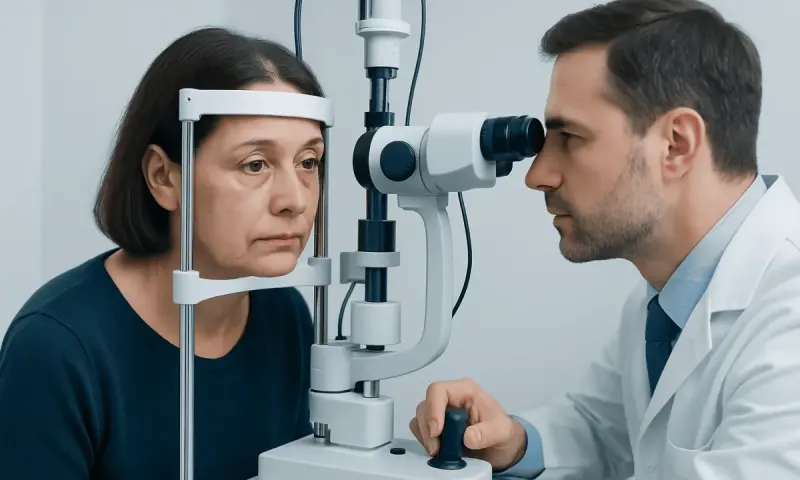
A diagnosis usually starts with a detailed discussion of symptoms and a close look at the eyelids. An ophthalmologist or eye care specialist may use a slit-lamp microscope to inspect the lash line, eyelid margin, and tear film for signs such as cylindrical dandruff around the lashes, redness, and inflammation.
In many cases, the eye specialist can diagnose the condition clinically without complex tests. If symptoms are not typical, or if several eye conditions seem to be contributing at once, the doctor may also look for dry eye, allergy, meibomian gland dysfunction, or other causes of blepharitis.
For patients arriving from another country, it helps to bring a list of eye drops, skincare products, and past eye diagnoses. That context can make it easier for the specialist to understand what has already been tried and to build a treatment plan that is realistic to continue after travel.
Treatment Options
Treatment usually focuses on reducing mite load, calming inflammation, and restoring healthier eyelid function. Because the condition often affects the eyelid margin rather than the eyeball itself, improvement generally depends on steady care over time.
Common treatment approaches may include:
- Lid hygiene with gentle cleansing of the eyelid margins
- Warm compresses to help loosen debris and support gland function
- Targeted eyelid cleansers or products recommended by an eye specialist
- In-office eyelid treatments in selected cases
- Prescription therapies when inflammation is more pronounced or persistent
The best plan depends on symptom severity, associated dry eye, and whether the person has recurrent disease. Some patients need a combination of home care and clinic-based treatment, especially when the eyelid margins have been inflamed for a long time. It is important to follow the specialist’s guidance closely, because stopping treatment too early can allow symptoms to return.
When treatment is discussed during international care, the team may also focus on what can be continued safely after the patient returns home. That can include a simplified lid-cleaning routine, warning signs to watch for, and a follow-up plan with a local eye doctor if needed.
Prevention & Self-care
There is no guaranteed way to prevent demodex blepharitis, but regular eyelid care can reduce irritation and support treatment. The goal is not to scrub aggressively, but to keep the lash line as calm and clean as possible.
Helpful self-care steps may include:
- Cleaning the eyelid margins as advised by an eye specialist
- Using warm compresses if recommended
- Avoiding eye rubbing, which can worsen irritation
- Removing eye makeup carefully and not sharing cosmetics
- Replacing old eye makeup products that may harbor debris
- Managing related skin conditions, such as rosacea, with medical guidance
People who wear contact lenses may need to pause lens use temporarily if the eyes are very irritated, depending on the doctor’s advice. It is also wise to keep follow-up appointments, because eyelid inflammation often improves gradually and may need the treatment plan adjusted along the way.
When to See a Doctor
Eye irritation that keeps returning, lasts for weeks, or interferes with daily comfort deserves medical attention. A specialist should evaluate symptoms that include persistent eyelid redness, crusting, lash changes, or a gritty sensation that does not improve with basic self-care.
Prompt assessment is especially important if there is vision change, significant pain, marked swelling, discharge, or sensitivity that makes normal activities difficult. These features may suggest a different or additional eye problem that needs attention.
For people traveling for treatment, demodex blepharitis is usually manageable within a structured ophthalmology visit, but the key is not to rely on guesswork. A qualified doctor can confirm the cause, tailor treatment to the eyelid findings, and help plan follow-up care after the patient returns home. Acibadem Health Point’s multidisciplinary specialists and JCI-accredited hospitals can diagnose and treat this condition for international patients as part of coordinated eye care.
Living With Recurring Eyelid Inflammation
One reason demodex blepharitis can be discouraging is that symptoms may improve and then return if eyelid care is paused. That does not mean treatment has failed; it often means the condition needs an ongoing maintenance routine rather than a short course of attention.
Patients sometimes do best when they think of eyelid care as part of their broader eye health, similar to brushing teeth for oral hygiene. Small, regular steps are often more effective than occasional intensive efforts. In real-world follow-up, the doctor may reassess tear stability, gland function, and lash-line changes to decide whether the plan should continue or be simplified.
If the condition is caught early and managed consistently, many people experience meaningful relief and a much calmer eyelid margin over time. The most useful next step is usually not trying to self-diagnose, but arranging an eye examination that can identify the true source of the irritation.
Frequently asked questions
01Is demodex blepharitis contagious?
Demodex mites are commonly found on human skin, so the issue is not usually treated as a simple contagious infection. The main concern is an overgrowth or imbalance at the eyelid margin rather than passing it from person to person in the usual sense. A doctor can explain any practical precautions if symptoms are active.
02How is demodex blepharitis different from regular blepharitis?
Blepharitis is a broad term for eyelid inflammation, while demodex blepharitis is specifically linked to Demodex mites. Other forms can be related to bacteria, skin conditions, or oil gland dysfunction. The treatment approach may differ depending on the underlying cause.
03Can demodex blepharitis cause dry eye?
Yes, it can contribute to dry eye symptoms because inflammation at the eyelid margin may affect the tear film and meibomian glands. Some people notice burning, fluctuating vision, or contact lens discomfort along with lid irritation. A clinician may treat both problems together.
04Do home remedies cure demodex blepharitis?
Home care can help control symptoms, but it does not always fully resolve the condition on its own. Gentle lid hygiene and warm compresses may be useful, yet some people also need prescription or in-office treatment. The safest approach is to follow an eye specialist’s advice rather than trying multiple remedies at once.
05When should someone worry about vision changes?
Any new vision change should be assessed by a doctor, especially if it comes with pain, swelling, or significant light sensitivity. Demodex blepharitis usually causes surface irritation, not major vision loss, so a change in vision may point to another issue that should be checked. Prompt evaluation is the best way to stay safe.
06Can it come back after treatment?
Yes, symptoms can recur, particularly if eyelid care is stopped or if dry eye and skin conditions remain active. Recurrence does not mean the condition cannot be managed; it often means maintenance care is needed. Regular follow-up helps the doctor adjust the plan over time.
This article is for general information only and is not a substitute for professional medical advice. Please consult a qualified doctor about your individual situation.
Explore treatments in Turkey — costs, top hospitals & a free quote
JCI-accredited · board-certified surgeons · reply within 24h
Add us as a Preferred Source to see more of our trusted health content across Google Search, AI Overviews and Discover.