Could Acid Reflux Cause Heart Palpitations?
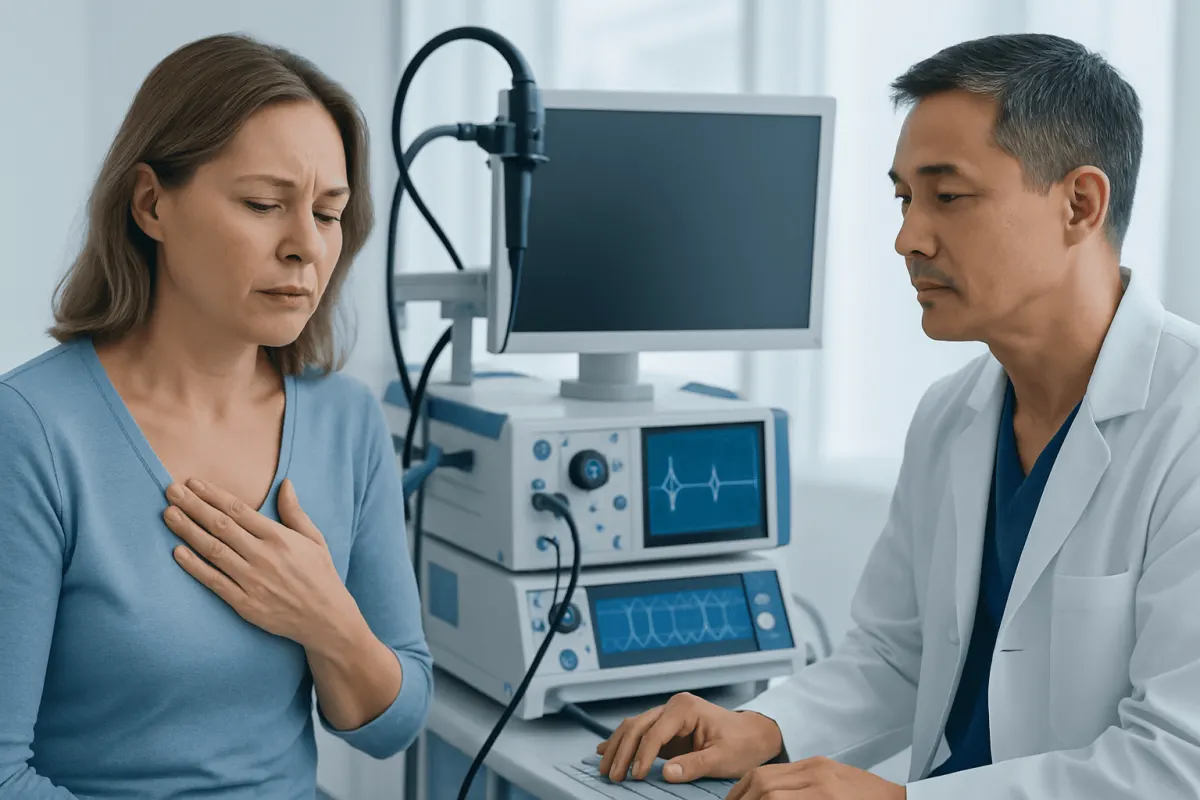
Could acid reflux cause heart palpitations? Acid reflux can sometimes coincide with or contribute to a sensation of fluttering, pounding, or skipped beats, especially after meals, but it does not rule out a heart rhythm problem. Because chest symptoms can overlap, persistent, new, or concerning palpitations should be assessed by a qualified clinician.
Could Acid Reflux Cause Heart Palpitations?
Acid reflux may be associated with a sensation of heart palpitations in some people, particularly after eating or when reflux symptoms are active. People may describe palpitations as a racing, pounding, fluttering, or skipped-beat feeling. However, reflux does not prove that the heart rhythm is normal, and it should not be assumed to be the only explanation for a new symptom.
The chest, esophagus, stomach, and heart are close together, and their symptoms can be difficult to separate. Burning behind the breastbone, pressure from gas or bloating, and anxiety caused by uncomfortable reflux can make a person more aware of their heartbeat. In some cases, the same lifestyle factors, such as caffeine, alcohol, poor sleep, or a large meal, may aggravate both reflux and palpitations.
Many palpitations are harmless and brief, but some need prompt medical attention. A healthcare professional can consider digestive causes alongside heart rhythm disorders and other medical conditions. This is especially important when symptoms are recurrent, unpredictable, or accompanied by warning signs.
How Reflux and Palpitations May Be Connected
Acid reflux occurs when stomach contents move upward into the esophagus. It can cause heartburn, sour-tasting fluid in the mouth, burping, throat irritation, cough, or chest discomfort. Recurrent reflux may be part of gastroesophageal reflux disease, or gastroesophageal reflux disease (GERD).
There is no single explanation for why some people notice palpitations during reflux episodes. Esophageal discomfort may heighten awareness of the normal heartbeat. Pain, disrupted sleep, and worry can also activate the body’s stress response, which may make the heart feel faster or more forceful. Fullness in the upper abdomen after a large meal may create pressure and discomfort that is perceived in the chest.
Shared triggers are another practical explanation. Caffeine, nicotine, alcohol, spicy or high-fat meals, and certain supplements may worsen reflux in some people while also increasing the likelihood of palpitations. This does not mean every palpitation after eating is caused by reflux; it means the timing can offer useful information for a medical evaluation.
Some people notice symptoms when bending, exercising shortly after a meal, or lying down. Recording what happened before an episode, how long it lasted, and whether heartburn or regurgitation occurred at the same time can help clarify patterns.
Symptoms That Can Overlap—and Important Differences

Reflux discomfort is often described as burning behind the breastbone, a sour taste, regurgitation, belching, or symptoms that worsen after meals or when lying down. Palpitations may feel like a flutter, thump, pause, rapid beat, or irregular rhythm. These sensations may occur alone or together.
It is not possible to safely diagnose reflux rather than a heart problem based only on the location or quality of chest symptoms. Cardiac symptoms may include pressure, tightness, heaviness, breathlessness, sweating, nausea, unusual fatigue, or pain spreading to the arm, shoulder, jaw, neck, back, or upper abdomen. Not everyone experiences symptoms in the same way.
Symptoms that happen only after particular foods and improve with reflux-focused habits may suggest a digestive contribution. In contrast, palpitations during exercise, episodes that begin without an apparent trigger, or symptoms associated with fainting or significant dizziness deserve timely clinical review. People with known heart disease, diabetes, high blood pressure, or a family history of sudden cardiac death should be particularly cautious about new symptoms.
- Reflux symptoms commonly include heartburn, regurgitation, bloating, and throat irritation.
- Palpitations may involve a rapid, forceful, fluttering, or irregular heartbeat sensation.
- Chest pain or pressure should never automatically be attributed to indigestion.
Other Common Causes of Heart Palpitations
Palpitations have many possible causes, and reflux is only one possible contributor. Emotional stress, panic symptoms, lack of sleep, dehydration, fever, anemia, low blood sugar, and hormonal changes can affect how the heartbeat feels. Stimulants, including coffee, energy drinks, nicotine, alcohol, and some recreational substances, can also trigger episodes.
Some prescription and non-prescription medicines may contribute to palpitations. Examples include certain cold remedies containing decongestants, asthma medicines, thyroid hormone replacement, stimulant medicines, and some weight-loss products or herbal supplements. A person should not stop a prescribed medicine without medical advice, but should mention all medicines and supplements when seeking assessment.
Medical causes can include thyroid disease, electrolyte disturbances, anemia, and rhythm conditions such as atrial fibrillation or supraventricular tachycardia. Evaluation may also consider structural heart disease when appropriate. The purpose of assessment is not to assume a serious cause, but to identify the explanation safely and guide suitable care.
People who are already being treated for reflux should not assume that a new or changing palpitation pattern is due to their digestive condition. A separate assessment may still be needed.
How Doctors Assess Reflux and Palpitations
A clinician will usually ask about the timing, duration, frequency, and sensation of palpitations, as well as associated symptoms. Questions may cover meals, caffeine and alcohol intake, sleep, stress, medicines, medical history, and family history. A physical examination and blood pressure check may be part of the initial appointment.
An electrocardiogram (ECG) can record the heart’s electrical activity. If episodes come and go, a portable monitor may be used over a longer period to capture the rhythm during symptoms. Depending on the history, blood tests may check for anemia, thyroid problems, electrolyte changes, or other contributing factors. Some people may need an echocardiogram or further cardiac testing.
If reflux is suspected, the clinician may assess typical symptoms, review diet and habits, and consider a trial of appropriate treatment. Persistent or complicated symptoms may require specialist investigations, such as upper endoscopy or reflux monitoring. Upper endoscopy can help examine the esophagus and stomach when there are ongoing symptoms or warning features.
A symptom diary is often valuable. It can include the time of symptoms, food and drink intake, body position, stress level, medicines, pulse if available, and associated symptoms. This record should support—not replace—professional assessment.
Treatment Options and Everyday Measures
Treatment depends on the identified cause. If a heart rhythm disorder is present, care may include monitoring, medicine, treatment of an underlying condition, or referral to a cardiology specialist. For clinically significant rhythm disorders, options may include cardiac ablation in selected patients, following a careful discussion of benefits, risks, and alternatives.
For reflux, treatment may include lifestyle adjustments and, when appropriate, medicines recommended by a clinician. People may be advised to avoid lying down for several hours after meals, choose smaller portions, identify individual food triggers, maintain a weight that is appropriate for them, and limit tobacco and alcohol. Raising the head of the bed may help some people with nighttime reflux.
Caffeine affects people differently. Rather than making broad assumptions, a person can observe whether coffee, tea, energy drinks, chocolate, or pre-workout supplements reliably bring on both reflux and palpitations. Reducing or avoiding a clear trigger may be reasonable while arranging medical advice.
Stress-reducing routines, regular sleep, adequate fluid intake, and gradual physical activity can support overall heart and digestive health. These steps can be helpful, but they are not substitutes for urgent assessment when warning symptoms are present.
When to Seek Medical Care
Emergency medical care is needed for palpitations accompanied by chest pressure or pain, fainting, severe shortness of breath, confusion, severe weakness, or persistent dizziness. Urgent assessment is also appropriate if symptoms are prolonged, very rapid, markedly irregular, or occur with sweating and nausea. These symptoms can have several causes, including serious heart conditions, and should not be managed as reflux at home.
A non-emergency medical appointment should be arranged for new, recurrent, worsening, or bothersome palpitations, particularly if they occur with exercise, disrupt sleep, or have no clear trigger. A clinician should also review reflux symptoms that are frequent, do not improve with basic measures, cause swallowing difficulty, repeated vomiting, unintentional weight loss, black stools, or evidence of bleeding.
When possible, the person should note the episode details and bring a list of medicines, supplements, and relevant health conditions to the appointment. Acıbadem Health Point’s multidisciplinary specialists and JCI-accredited hospitals diagnose and treat digestive and heart-related concerns for international patients.
Frequently asked questions
01Can GERD make the heart feel like it is fluttering?
GERD can occur alongside a fluttering or pounding sensation, especially after meals or when lying down. Reflux discomfort, bloating, stress, and shared triggers such as caffeine may increase awareness of the heartbeat. However, a fluttering sensation should not automatically be assumed to come from GERD.
02Why do I get palpitations after eating?
Palpitations after eating may be related to a large meal, caffeine, alcohol, spicy or fatty foods, reflux, or changes in the body's stress response. They can also occur for unrelated heart rhythm or medical reasons. Recurrent episodes should be discussed with a clinician, particularly if they are new or associated with other symptoms.
03How can I tell whether chest symptoms are reflux or a heart problem?
It is not reliable or safe to distinguish them at home based only on where the discomfort is felt. Reflux often causes burning, regurgitation, or symptoms after meals and lying down, but heart problems can sometimes feel similar. Chest pressure, breathlessness, sweating, fainting, or pain spreading to other areas requires urgent medical assessment.
04Can reflux medicine stop heart palpitations?
If reflux discomfort or reflux-related triggers contribute to a person's awareness of palpitations, effective reflux management may reduce episodes. Reflux medicines do not treat an underlying arrhythmia or other non-digestive cause. A person should seek medical advice if palpitations continue, change, or become more frequent.
05What foods may trigger both acid reflux and palpitations?
Triggers vary, but caffeine, alcohol, chocolate, high-fat meals, spicy foods, and large portions may worsen reflux in some people. Caffeinated drinks, alcohol, and certain supplements can also trigger palpitations. A food and symptom diary can help identify personal patterns without unnecessarily restricting the diet.
06Are palpitations from acid reflux dangerous?
The sensation may be harmless in some cases, but it is not possible to confirm the cause without considering other explanations. Palpitations accompanied by chest pain or pressure, fainting, serious shortness of breath, or severe dizziness require emergency care. New or recurrent symptoms should be evaluated by a healthcare professional.
This article is for general information only and is not a substitute for professional medical advice. Please consult a qualified doctor about your individual situation.
Persistent digestive symptoms? Get evaluated in Turkey
JCI-accredited · board-certified surgeons · reply within 24h
Add us as a Preferred Source to see more of our trusted health content across Google Search, AI Overviews and Discover.