Heart Disease: Symptoms, Causes, and Treatment Options

You climb the stairs you’ve always climbed, and this time you have to stop halfway. Or your chest feels tight when you rush, and you tell yourself it’s stress. These moments are worth paying attention to.
Heart disease is a broad term for conditions that affect how the heart and blood vessels work. Symptoms, causes, and treatment options vary, but early diagnosis and risk-factor control can greatly improve long-term health.
Overview
Heart disease is not a single illness. It is a general term for a range of conditions that affect the heart and blood vessels, including coronary artery disease, heart rhythm disorders, heart valve disease, congenital heart defects, and heart failure. Because these conditions are different, the symptoms and treatment options can vary widely from one person to another.
Many people use the term heart disease to mean blocked or narrowed arteries, also called coronary artery disease. However, heart disease can also involve problems with the heart muscle, the electrical system that controls heartbeat, or the valves that direct blood flow. Some forms develop slowly over many years, while others appear suddenly or are present from birth.
Here’s the encouraging part: heart disease is often manageable, especially when it’s caught early. You can lower your risk and protect your heart function through healthy daily habits, regular checkups, and proper treatment of related conditions such as high blood pressure, high cholesterol, and diabetes. In some cases, people are diagnosed after evaluation for symptoms; in others, heart disease is found during screening or tests for another problem.
How Heart Disease Can Feel

Heart disease can cause noticeable symptoms, but it may also be silent at first. Symptoms often depend on which part of the heart is affected. For example, reduced blood flow to the heart muscle may cause chest discomfort, while an abnormal heart rhythm may cause palpitations or dizziness. A weakened heart muscle may lead to swelling or breathlessness.
Common symptoms of heart disease can include:
- Chest pain, pressure, tightness, or heaviness
- Shortness of breath during activity or at rest
- Unusual fatigue or reduced exercise tolerance
- Palpitations, skipped beats, or a racing heartbeat
- Dizziness, lightheadedness, or fainting
- Swelling in the feet, ankles, legs, or abdomen
- Pain in the neck, jaw, shoulder, back, or arm
- Nausea or cold sweats, especially with chest discomfort
Symptoms can differ by age, sex, and the underlying condition. Some people, especially women, older adults, and people with diabetes, may have less typical symptoms such as unusual tiredness, shortness of breath, indigestion-like discomfort, or disturbed sleep. So please don’t write these signs off as stress, aging, or being out of shape — they need to be looked at in context.
Heart disease may overlap with related conditions such as coronary artery disease and heart failure. Understanding the cause of symptoms is important because the best treatment depends on the exact diagnosis.
Causes and Risk Factors
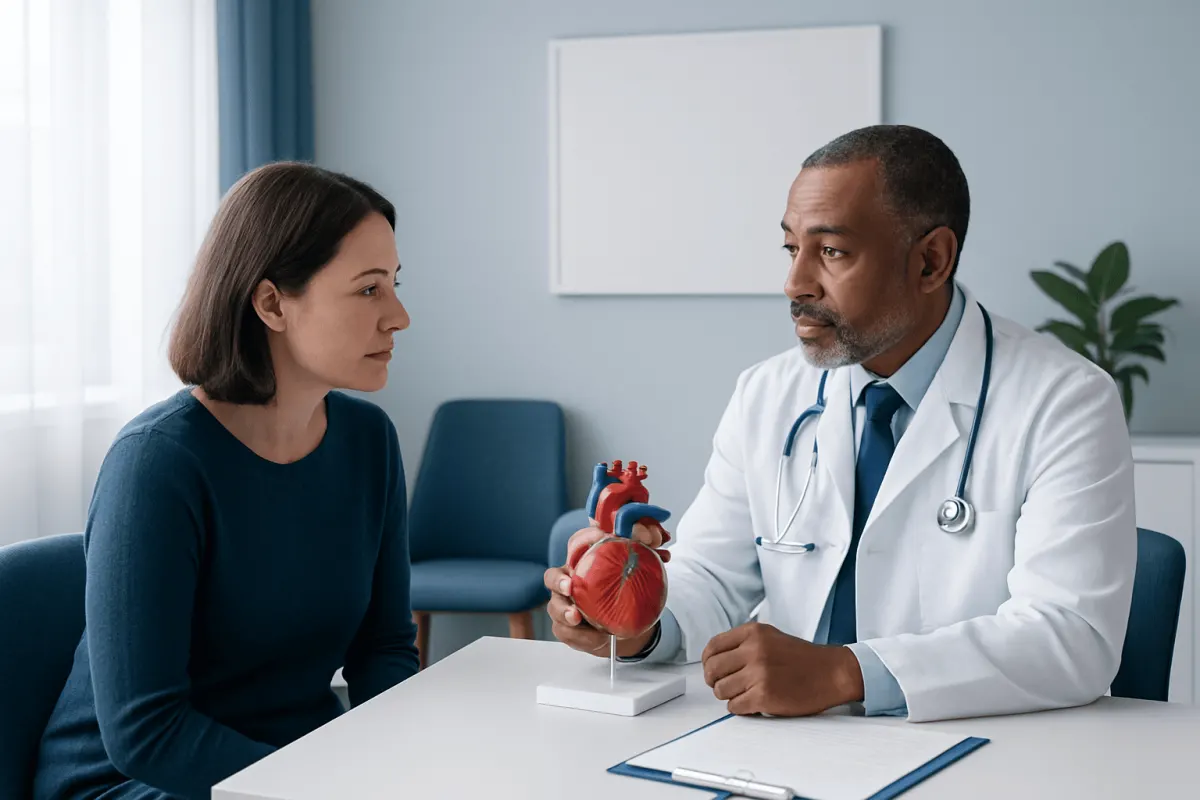
The causes of heart disease depend on the specific type. Coronary artery disease usually develops when fatty deposits build up inside the arteries that supply the heart. This process, called atherosclerosis, can reduce blood flow over time or lead to sudden blockage. Other forms of heart disease may result from inherited conditions, infections, aging-related changes, autoimmune disease, or long-standing strain on the heart.
Several risk factors make heart disease more likely. Some cannot be changed, such as age, biological sex, and family history. Many others can be improved with treatment and lifestyle changes. Risk often rises when more than one factor is present at the same time.
Major risk factors include:
- High blood pressure
- High LDL cholesterol or low HDL cholesterol
- Diabetes or insulin resistance
- Smoking or tobacco exposure
- Overweight and obesity
- Physical inactivity
- An unhealthy diet high in salt, trans fats, or ultra-processed foods
- Sleep apnea
- Chronic stress
- Excess alcohol use
- Chronic kidney disease or inflammatory conditions
Not every person with risk factors develops heart disease, and not every person with heart disease has the same risk profile. Still, identifying and addressing risk factors early can significantly reduce the chance of complications such as heart attack, stroke, rhythm problems, or worsening heart failure.
How Doctors Diagnose Heart Disease
Diagnosis starts with a medical history and physical examination. A doctor will ask about symptoms, family history, smoking status, exercise, diet, stress, and any conditions such as high blood pressure or diabetes. They may also listen to the heart, check blood pressure, look for swelling, and assess circulation.
Common tests help clarify the type of heart disease and how severe it is. An electrocardiogram (ECG) records the heart’s electrical activity. Blood tests may look for cholesterol levels, blood sugar, kidney function, inflammation, or signs of heart muscle injury. An echocardiogram uses ultrasound to show the structure and pumping function of the heart.
Depending on the situation, additional tests may include an exercise stress test, Holter monitoring, chest imaging, Coronary Angiography: What It Shows and How to Prepare" class="ahp-ilk">CT coronary angiography, or cardiac catheterization. Some people are also evaluated with advanced imaging or functional tests when symptoms are unclear or when doctors need to plan a procedure. In selected cases, a specialist may recommend cardiac catheterization to assess blood flow in the coronary arteries more directly.
The goal of diagnosis is not only to confirm that heart disease is present, but also to identify the exact condition, estimate risk, and guide treatment. This individualized approach helps avoid both undertreatment and unnecessary procedures.
Treatment Options
Treatment for heart disease depends on the diagnosis, symptoms, overall health, and risk of complications. In many cases, the plan combines lifestyle changes with medication. Medicines may be used to lower blood pressure, improve cholesterol levels, control blood sugar, reduce strain on the heart, prevent blood clots, or treat arrhythmias. The right combination varies from person to person and should be reviewed regularly with a clinician.
When blood flow to the heart is significantly reduced, procedures may be recommended. Some people benefit from minimally invasive treatment to open narrowed arteries, such as coronary angioplasty and stent placement. Others may need surgery if disease is extensive or involves multiple vessels, in which case coronary artery bypass surgery may be considered.
Other types of heart disease have different treatments. Valve disease may require repair or replacement. Certain arrhythmias respond to medicines, catheter-based procedures, or implanted devices such as pacemakers. Heart failure treatment may involve medicines, careful monitoring of fluid balance, and management of underlying causes. A person with a rhythm disorder may also be evaluated for electrophysiology study and ablation if an abnormal electrical pathway is suspected.
Treating heart disease is a long-term partnership, not a one-off fix. Regular follow-up helps doctors adjust medications, monitor side effects, track heart function, and support long-term prevention. Near the end of the care journey, some international patients may choose centers such as Acıbadem Health Point, where multidisciplinary specialists in JCI-accredited hospitals evaluate and treat a wide range of heart conditions.
Prevention and Everyday Self-Care
Prevention focuses on protecting the heart before disease develops and slowing progression if it has already been diagnosed. The most effective approach is steady, practical change rather than sudden extremes. Even small improvements in blood pressure, cholesterol, weight, and physical activity can support heart health over time.
Daily habits that help reduce risk include:
- Not smoking and avoiding secondhand smoke
- Following a balanced eating pattern rich in vegetables, fruits, whole grains, legumes, and healthy fats
- Limiting excess salt, added sugars, and highly processed foods
- Being physically active most days of the week, as advised by a doctor
- Maintaining a healthy weight
- Managing stress and prioritizing sleep
- Taking prescribed medicines consistently
- Attending routine checkups for blood pressure, cholesterol, and diabetes screening
Self-care is also important for people already living with heart disease. Monitoring symptoms, knowing personal triggers, and recognizing changes in exercise tolerance can help identify problems early. Some people may be advised to track blood pressure, pulse, body weight, or swelling at home.
Think of prevention as protecting your heart for life, not a project you finish. Family support, realistic goals, and regular follow-up can make healthy routines easier to maintain.
When to Seek Medical Care
Book an appointment if you have ongoing chest discomfort, shortness of breath, palpitations, less stamina than usual, swelling in the legs, or unusual fatigue with no clear reason. These symptoms do not always mean serious heart disease, but they deserve professional assessment, especially when they are new, persistent, or getting worse.
Urgent medical care is needed for chest pain or pressure that lasts more than a few minutes, severe shortness of breath, fainting, sudden weakness, or symptoms that spread to the jaw, back, shoulder, or arm. Emergency care is also important if symptoms occur with nausea, cold sweating, confusion, or a sense that something is seriously wrong.
If you already know you have heart disease, call your doctor promptly when your medicines seem to be working less well, swelling suddenly increases, everyday activities get harder, or dizziness and palpitations happen more often. Early review may help prevent complications and allow treatment to be adjusted before symptoms become severe.
Frequently asked questions
01What is considered heart disease?
Heart disease is a broad term for conditions that affect the heart or blood vessels. It includes coronary artery disease, heart failure, arrhythmias, valve disease, and some structural heart problems.
02Can heart disease exist without symptoms?
Yes. Some people have no clear symptoms in the early stages, especially with high blood pressure, early coronary artery disease, or certain rhythm problems. That is why routine health checks and risk-factor screening are important.
03Is chest pain always a sign of heart disease?
No. Chest pain can come from the muscles, lungs, digestive system, or anxiety as well as the heart. However, chest pressure, tightness, or pain should be assessed promptly, especially if it occurs with shortness of breath, sweating, or pain spreading to the arm or jaw.
04Can heart disease be prevented?
Many cases can be partly prevented by controlling major risk factors. Not smoking, eating a heart-healthy diet, staying active, treating high blood pressure and diabetes, and keeping cholesterol in a healthy range can lower risk.
05How is heart disease usually treated?
Treatment depends on the specific diagnosis and severity. It may involve lifestyle changes, medications, minimally invasive procedures, implanted devices, or surgery, often used in combination.
06Who is more likely to develop heart disease?
Risk rises with age, family history, smoking, high blood pressure, high cholesterol, diabetes, obesity, and physical inactivity. Having several risk factors together increases the chance of developing heart disease.
This article is for general information only and is not a substitute for professional medical advice. Please consult a qualified doctor about your individual situation.
Heart care in Turkey — expert evaluation and treatment
JCI-accredited · board-certified surgeons · reply within 24h
Add us as a Preferred Source to see more of our trusted health content across Google Search, AI Overviews and Discover.