Sudden Cardiac Death: Causes, Warning Signs, and Prevention
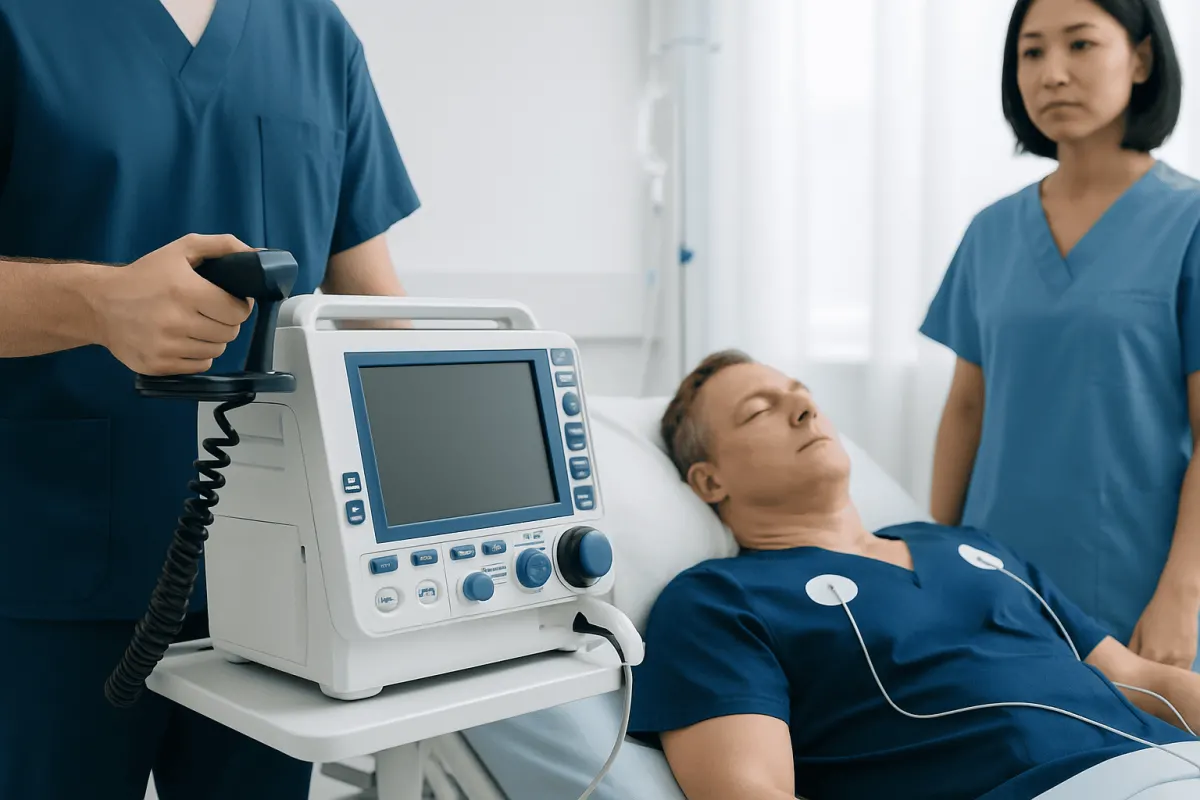
Sudden cardiac death is an unexpected death due to the abrupt loss of heart function, most often caused by a life-threatening abnormal heart rhythm. It is a medical emergency, but it is not always completely without warning and many underlying risks can be identified and treated.
What sudden cardiac death means
Sudden cardiac death is an unexpected natural death caused by a sudden loss of effective heart function. It commonly occurs when an abnormal electrical rhythm prevents the heart from pumping enough blood to the brain and body. Loss of consciousness happens within seconds, and without immediate treatment the event is fatal.
The terms sudden cardiac arrest and sudden cardiac death are related but not identical. Cardiac arrest describes the sudden stopping of effective circulation; a person who is revived after an arrest has not experienced sudden cardiac death. Sudden cardiac death is the outcome when resuscitation is unsuccessful or cannot be started in time.
Definitions used in research may vary. Some describe death occurring within an hour of new symptoms, while others include an unexpected death within 24 hours of a person last being seen well. These definitions help clinicians study patterns, but they do not change the urgent response needed when someone collapses and is unresponsive.
Facts that correct common myths
A common myth is that sudden cardiac death always happens without any warning. Some events are indeed the first sign of heart disease, but many people have symptoms beforehand, such as chest pressure with activity, unusual shortness of breath, racing heartbeats, dizziness or fainting. Symptoms may be mild, intermittent or mistakenly attributed to stress, indigestion or fatigue.
Another misconception is that sudden cardiac death affects only older adults. Risk does rise with age because coronary artery disease becomes more common. However, younger adults and athletes can be affected by inherited rhythm disorders, heart muscle diseases, congenital heart conditions or inflammation of the heart muscle.
Exercise does not usually cause sudden cardiac death in healthy people. Regular physical activity is generally protective for cardiovascular health. In a person with an unrecognised heart condition, intense exertion can occasionally trigger an abnormal rhythm, which is why concerning symptoms during exercise and a family history of early unexplained death deserve careful medical assessment.
Finally, sudden cardiac death should not be confused with a heart attack. A heart attack is usually caused by a blocked coronary artery that damages heart muscle. It can trigger cardiac arrest, but cardiac arrest may also occur without a heart attack, particularly in people with electrical or inherited heart conditions.
What can cause the heart to stop suddenly
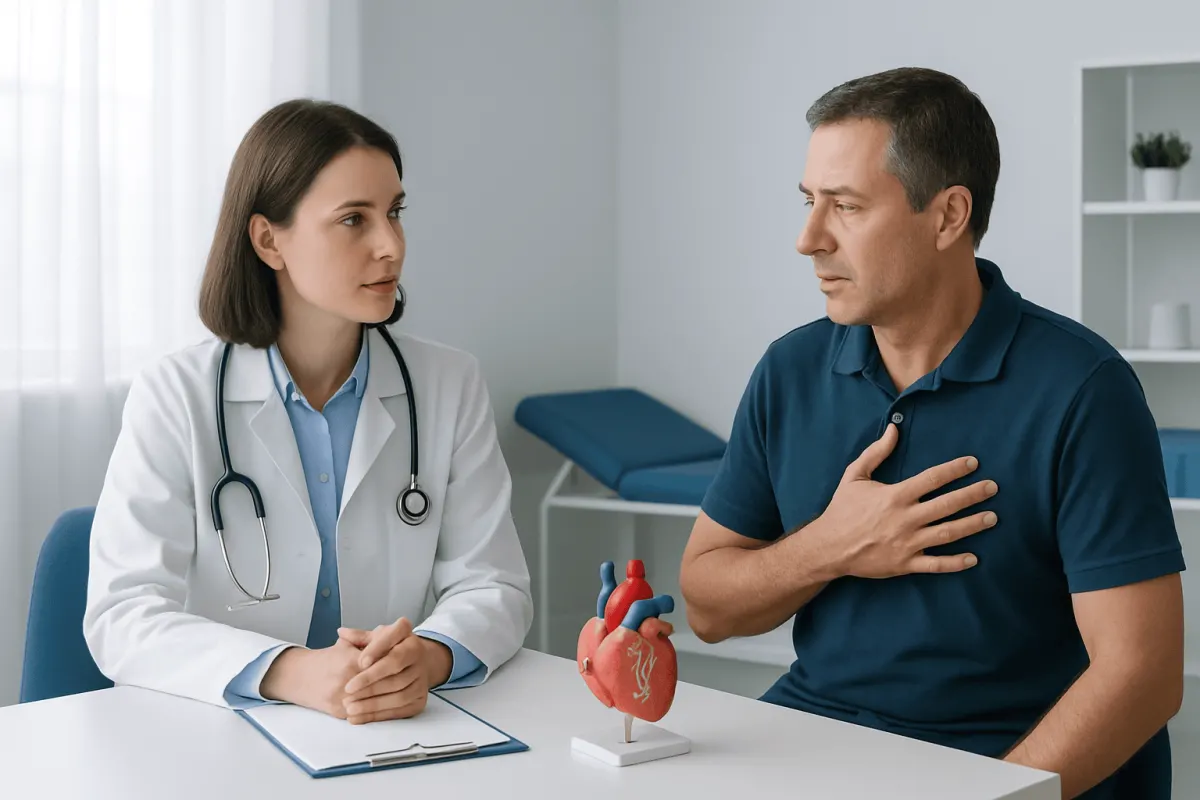
In adults, coronary artery disease is among the most frequent underlying causes. Narrowing or blockage of the arteries that supply the heart can reduce blood flow, cause a heart attack or leave scar tissue that disrupts the heart’s electrical signals. Previous heart attack, heart failure and reduced pumping function of the heart all increase the risk of serious rhythm disturbances.
Cardiomyopathies are diseases of the heart muscle that can make the heart enlarged, thickened, stiff or scarred. Examples include hypertrophic cardiomyopathy, dilated cardiomyopathy and arrhythmogenic cardiomyopathy. These conditions may be inherited and can sometimes first become apparent through fainting, palpitations or a family history of sudden death.
Some people have an inherited electrical condition even when the heart appears structurally normal. Long QT syndrome, Brugada syndrome and catecholaminergic polymorphic ventricular tachycardia are examples. Certain medicines, stimulant drugs, major electrolyte disturbances and severe illness may also contribute to dangerous rhythms in susceptible individuals.
Other possible causes include myocarditis, which is inflammation of the heart muscle; severe valve disease; congenital heart disease; and, less commonly, major trauma or a tear in the aorta. A thorough evaluation is needed because the likely causes differ according to age, medical history and circumstances.
Warning signs and who may be at higher risk
Sudden cardiac arrest can occur with little warning. However, symptoms in the days, weeks or months beforehand may provide an opportunity for assessment. Possible warning signs include chest pain or pressure, shortness of breath that is new or worsening, unexplained fainting, near-fainting, persistent rapid or irregular heartbeats, or a marked decline in exercise tolerance.
Fainting during exercise, while lying down, or after a sudden palpitation deserves particular attention. Although fainting has many non-cardiac causes, a clinician should evaluate it promptly when it is unexplained, recurrent, occurs with exertion or is accompanied by chest symptoms or a family history of heart disease.
People at increased risk may include those with known coronary artery disease, a prior heart attack, heart failure, an inherited heart condition, a significant valve disorder or a prior episode of cardiac arrest. Diabetes, high blood pressure, high cholesterol, smoking and chronic kidney disease can increase the likelihood of coronary artery disease.
Family history matters. A close relative with sudden unexplained death, sudden death at a young age, recurrent fainting, cardiomyopathy or a diagnosed inherited rhythm disorder should be shared with a doctor. In some families, relatives may benefit from screening even if they feel well.
How doctors investigate risk and find a cause
Assessment begins with a detailed history, including symptoms, medicines and supplements, exercise patterns, prior illnesses, and family history. A physical examination and an electrocardiogram (ECG) are often initial steps. An ECG records the heart’s electrical activity and may identify rhythm abnormalities, signs of prior heart damage or patterns suggesting an inherited syndrome.
Depending on the situation, further testing may include blood tests, echocardiography, ambulatory ECG monitoring, an exercise stress test, cardiac magnetic resonance imaging or coronary artery imaging. No single test can predict every event. Instead, clinicians combine findings to understand a person’s overall risk and decide whether treatment or ongoing monitoring is appropriate.
After a sudden cardiac arrest, specialists seek to identify the cause where possible. This may involve coronary imaging, heart imaging, rhythm testing and review of circumstances around the event. If sudden cardiac death occurs unexpectedly, specialist post-mortem examination and, in selected cases, genetic testing can help guide care for biological relatives.
Family screening is not about assuming that relatives have the same condition. It is a careful process that may include an ECG, echocardiogram and specialist review. It can provide reassurance when results are normal and can identify people who may benefit from early monitoring or treatment.
Treatment and risk reduction
Treatment is tailored to the underlying cause and the person’s estimated risk. Coronary artery disease may be managed with lifestyle measures, medicines and, when clinically appropriate, procedures to restore blood flow. Treatment of high blood pressure, diabetes and high cholesterol is also important because these conditions affect long-term cardiovascular risk.
For some rhythm disorders or cardiomyopathies, doctors may recommend medicines that stabilise heart rhythm or reduce the heart’s workload. Catheter-based procedures may be used to treat certain abnormal electrical pathways or recurrent rhythm problems. People with some inherited conditions may also receive personalised guidance about exercise, fever management or medicines to avoid.
An implantable cardioverter-defibrillator, often called an ICD, may be recommended for selected people at substantial risk of a dangerous rhythm or for survivors of cardiac arrest. This small device continuously monitors the heart and can deliver treatment if a life-threatening rhythm develops. It is not needed for everyone with heart disease, and the decision requires a detailed discussion of expected benefits and possible drawbacks.
Everyday prevention remains valuable: avoid tobacco and recreational stimulants, follow a balanced eating pattern, stay physically active within a clinician’s advice, sleep adequately and attend follow-up appointments. These steps cannot remove every risk, especially for inherited conditions, but they support heart health and help manage modifiable risk factors.
What to do in an emergency and when to seek medical care
If someone suddenly collapses, does not respond and is not breathing normally or is only gasping, emergency services should be called immediately. Start chest compressions if able, and ask someone to bring an automated external defibrillator (AED) if one is available. Follow the AED’s voice instructions and continue CPR until emergency professionals take over or the person shows clear signs of recovery.
Quick action is important. Bystanders do not need to diagnose the exact cause of collapse before calling for help. AEDs are designed to guide untrained users, and using one promptly can be lifesaving when the rhythm is treatable by defibrillation.
A person should arrange prompt medical care for unexplained fainting, new or recurrent palpitations, chest pain, breathlessness with activity, or symptoms that occur during or shortly after exercise. Emergency assessment is especially important for chest pressure lasting more than a few minutes, severe breathing difficulty, fainting with chest symptoms, or symptoms that are sudden and intense.
People with known heart disease or a family history of premature sudden death should discuss their personal risk with a qualified doctor rather than relying on online symptom checklists. Acıbadem Health Point’s multidisciplinary specialists and JCI-accredited hospitals assess and treat heart conditions for international patients when specialist evaluation is needed.
Frequently asked questions
01Is sudden cardiac death the same as a heart attack?
No. A heart attack occurs when blood flow to part of the heart muscle is blocked, while sudden cardiac death results from the abrupt loss of effective heart function. A heart attack can trigger a dangerous rhythm and lead to cardiac arrest, but not all cardiac arrests are caused by heart attacks.
02Can sudden cardiac death happen without warning?
It can occur without recognised warning signs, particularly when an underlying condition has not been detected. However, some people have symptoms such as chest discomfort, palpitations, fainting or unusual breathlessness before an event. New, recurrent or exertion-related symptoms should be assessed by a doctor.
03Who is most at risk of sudden cardiac death?
Risk is higher in people with coronary artery disease, a previous heart attack, heart failure, certain cardiomyopathies or inherited rhythm disorders. Risk factors for coronary disease, including smoking, diabetes, high blood pressure and high cholesterol, are also important. A family history of sudden unexplained death can indicate a need for specialist review.
04Can young people and athletes have sudden cardiac arrest?
Yes, although it is uncommon. In younger people, inherited heart muscle conditions, inherited electrical disorders, congenital heart disease and myocarditis may be relevant causes. Fainting during exercise, exertional chest symptoms or a concerning family history should not be ignored.
05Can sudden cardiac death be prevented?
Not every event can be predicted or prevented, particularly when a condition has not yet been recognised. Nevertheless, managing blood pressure, cholesterol and diabetes, avoiding tobacco and stimulants, and receiving appropriate care for known heart disease can reduce risk. Identifying inherited conditions in affected families can also help protect relatives.
06What should a bystander do if someone suddenly collapses?
Call emergency services immediately if the person is unresponsive and not breathing normally. Begin CPR if able and use an AED as soon as one is available, following its instructions. Do not wait to see whether the person wakes up on their own.
This article is for general information only and is not a substitute for professional medical advice. Please consult a qualified doctor about your individual situation.
Persistent digestive symptoms? Get evaluated in Turkey
JCI-accredited · board-certified surgeons · reply within 24h
Add us as a Preferred Source to see more of our trusted health content across Google Search, AI Overviews and Discover.