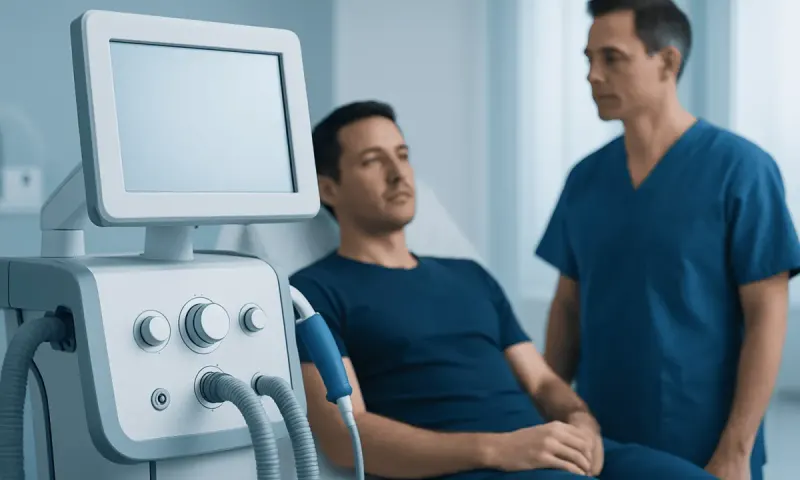
CoolSculpting vs Liposuction: Fat Reduction, Downtime, and Expected Results

CoolSculpting and liposuction are body-contouring options designed to reduce localized fat, but they work differently and suit different goals. Understanding downtime, expected results, and safety considerations helps patients choose a realistic, doctor-guided plan.
Overview: Two Different Approaches to Fat Reduction
CoolSculpting vs Liposuction is a common comparison for people who are close to their preferred weight but bothered by stubborn fat pockets that do not respond well to diet and exercise. Both options aim to improve body contour rather than treat obesity. The main difference is that CoolSculpting, also called cryolipolysis, is non-surgical, while liposuction is a surgical fat-removal procedure.
CoolSculpting uses controlled cooling to target fat cells under the skin. Over the following weeks, the body gradually processes and clears some of the treated fat cells. Liposuction uses small incisions and a thin tube called a cannula to suction out fat directly, allowing the surgeon to shape the treated area in a more immediate and controlled way.
In general, CoolSculpting may appeal to patients who prefer a lower-downtime option and accept gradual, subtler change. Liposuction may be more suitable for patients who want a more significant contour change, are prepared for surgery, and can allow time for healing. A careful medical assessment is important because the safest and most effective choice varies from person to person.
How CoolSculpting Works
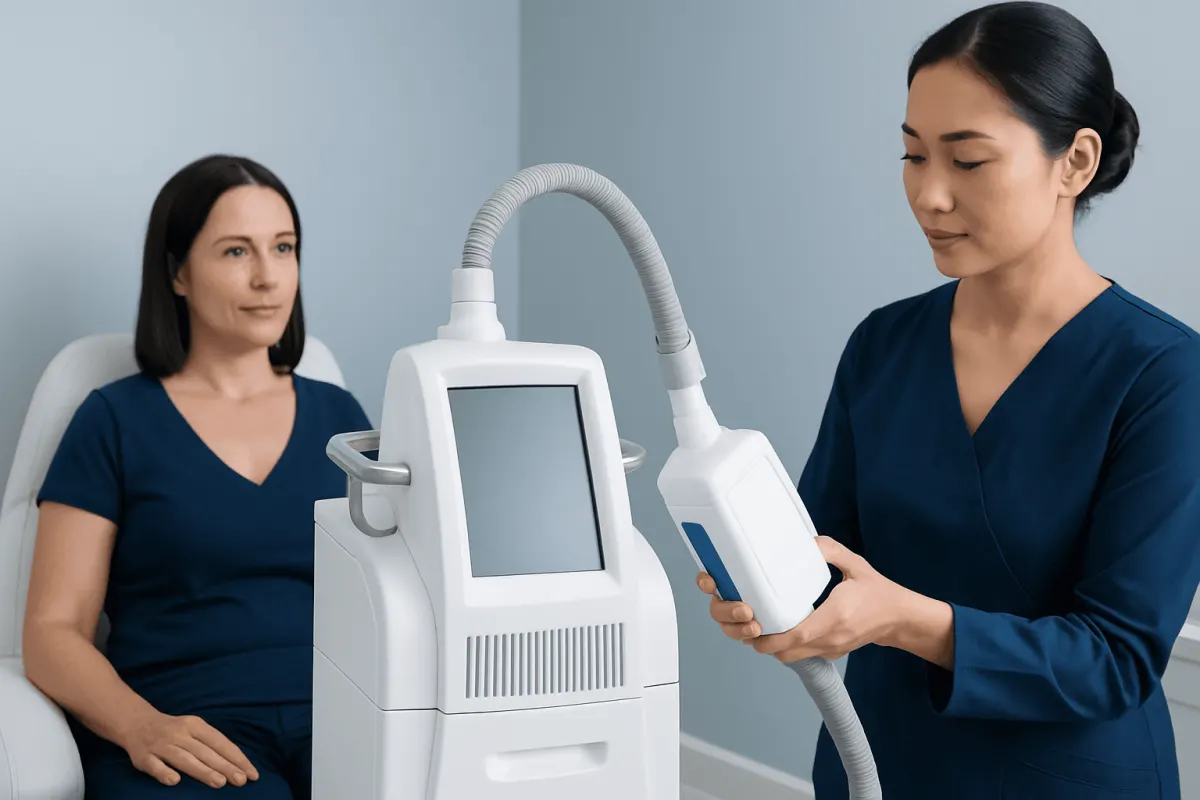
CoolSculpting is the brand name for a cryolipolysis device. During treatment, an applicator is placed on the selected area, and the tissue is cooled in a controlled manner. Fat cells are more sensitive to cold than many surrounding tissues, so the aim is to injure some fat cells while protecting the skin and deeper structures.
A session may involve one or more applicators depending on the area and treatment plan. Patients may feel intense cold, pulling, tingling, or pressure at first, often followed by numbness. After treatment, the area may be massaged briefly, and most people can return to normal daily activities soon afterward.
Results are not immediate because the body needs time to clear the affected fat cells. Visible change may begin after several weeks, with more complete improvement commonly assessed after two to three months. Some patients choose more than one session to achieve the desired contour, especially when treating larger or multiple areas.
How Liposuction Works
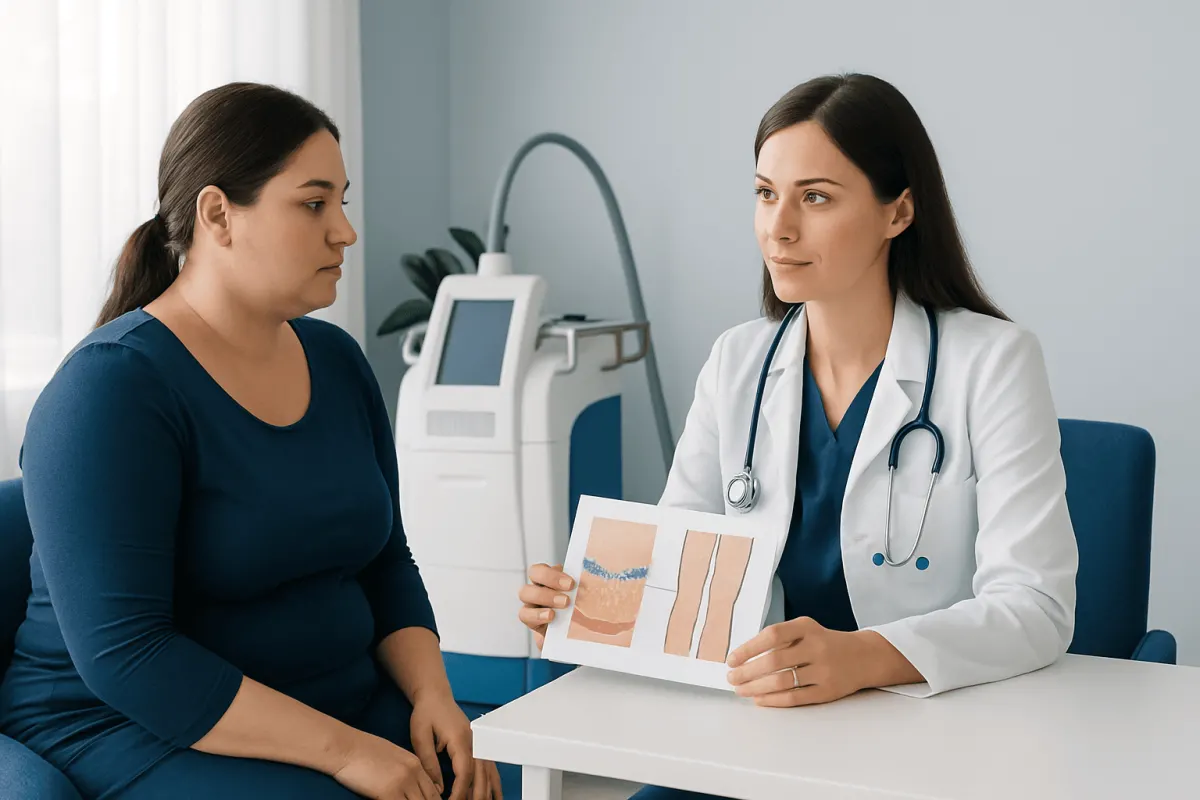
Liposuction is a surgical body-contouring procedure performed by a qualified surgeon, usually under local anesthesia with sedation or general anesthesia depending on the area and extent of treatment. Small incisions are made, fluid may be infused into the tissue to reduce bleeding and support fat removal, and a cannula is used to suction out fat. The surgeon also shapes the area to create a smoother contour.
Several liposuction techniques exist, but the core goal is the same: removing localized subcutaneous fat. Traditional methods such as classic liposuction may be used for areas including the abdomen, waist, thighs, hips, back, arms, and under the chin, depending on patient anatomy and surgeon recommendation. More limited procedures, such as arm liposuction, may focus on a smaller region where localized fat affects proportion.
Because fat is physically removed, liposuction can produce a more noticeable change than non-surgical treatments. However, swelling, bruising, and tissue healing mean the final result takes time to settle. Many patients see an early difference, but the contour typically refines over several months as swelling decreases and tissues adapt.
Expected Results: Subtle Change or More Defined Contouring
The expected result is one of the biggest differences when comparing CoolSculpting vs Liposuction. CoolSculpting is generally designed for modest fat reduction in targeted areas. It can improve the appearance of small bulges, but it does not allow the same level of sculpting that a surgeon can achieve during liposuction.
Liposuction can remove a larger amount of fat in one procedure and may be better suited for patients who want more defined contouring. It may also address multiple areas in a single surgical plan when this is medically appropriate. The surgeon can blend adjacent regions to reduce the risk of an uneven transition, which is especially important in areas such as the abdomen, flanks, thighs, and arms.
Both treatments depend on skin quality. If the skin has good elasticity, it is more likely to contract smoothly after fat reduction. If there is significant loose skin, stretch damage, or prior major weight loss, fat reduction alone may not produce the desired shape; procedures focused on skin removal or post-weight-loss body contouring may sometimes be discussed instead.
Downtime, Recovery, and Aftercare
CoolSculpting usually requires little to no formal downtime. Patients may return to work, social activities, and light exercise the same day in many cases. Temporary redness, swelling, firmness, tenderness, bruising, itching, or numbness can occur in the treated area and generally improves over time.
Liposuction recovery is more involved because it is surgery. Patients commonly need a short period of rest, activity restrictions, and compression garments as advised by the surgeon. Bruising, swelling, soreness, and temporary numbness are expected parts of healing. Desk work may be possible within days to a couple of weeks depending on the extent of treatment, while strenuous exercise usually requires medical clearance.
After either treatment, maintaining a stable weight supports longer-lasting results. Remaining fat cells can still enlarge with weight gain, and body shape may change with aging, pregnancy, hormonal changes, or lifestyle factors. Patients should follow their clinician’s instructions, attend follow-up visits, and report any symptoms that seem unusual or worsening.
Risks, Limitations, and Who May Be a Good Candidate
Good candidates for both treatments are usually adults at or near a stable weight who have localized fat deposits and realistic expectations. These procedures are not substitutes for weight management, nutrition, or physical activity. They also do not directly treat cellulite, internal visceral fat, or generalized weight gain.
CoolSculpting risks are usually temporary and localized, such as redness, bruising, swelling, sensitivity, or numbness. A rare complication called paradoxical adipose hyperplasia can occur, in which the treated fat area becomes enlarged or firmer rather than smaller. People with certain cold-related medical conditions or specific health issues may not be suitable candidates.
Liposuction carries surgical risks, including infection, bleeding, fluid collection, contour irregularity, changes in sensation, scarring, anesthesia-related complications, and, rarely, more serious events such as blood clots or organ injury. These risks are reduced by careful patient selection, appropriate facilities, experienced surgical teams, and close postoperative care. Patients should disclose medications, smoking status, prior surgeries, medical conditions, and any history of clotting or healing problems before treatment.
Choosing Between CoolSculpting and Liposuction
The best choice depends on the patient’s anatomy, goals, tolerance for downtime, and comfort with surgery. A patient seeking a small change in a limited area and wanting to avoid anesthesia may prefer CoolSculpting. A patient seeking more pronounced reshaping, especially in a larger or more complex area, may be better served by liposuction if medically appropriate.
Cost planning also differs. CoolSculpting may require multiple sessions, especially for several areas, while liposuction may involve operating room, anesthesia, garments, and follow-up care. The lowest-cost option is not always the best choice; safety, professional qualifications, realistic planning, and aftercare are more important than price alone.
During consultation, patients should ask what degree of improvement is realistic, how many sessions or procedures may be needed, what recovery will involve, and how complications are managed. Photographs, examination of skin elasticity, review of weight stability, and discussion of lifestyle can help the clinician recommend the most suitable approach.
When to See a Doctor
A consultation is recommended before any fat-reduction treatment, especially for patients with medical conditions, previous surgery in the area, significant weight changes, pregnancy plans, or concerns about loose skin. A qualified doctor can determine whether the concern is subcutaneous fat, skin laxity, muscle separation, swelling, or another issue that requires a different approach.
Patients should seek prompt medical advice after a procedure if they develop increasing pain, spreading redness, fever, shortness of breath, chest pain, severe swelling, one-sided leg pain, drainage from an incision, or symptoms that feel unexpected. Most recovery symptoms are manageable, but new or worsening signs should be assessed rather than ignored.
Acıbadem Health Point’s multidisciplinary specialists and JCI-accredited hospitals evaluate and treat aesthetic body-contouring concerns for international patients, including surgical liposuction when appropriate. The most reassuring plan is one that balances appearance goals with medical safety, clear expectations, and individualized follow-up.
Frequently asked questions
01Is CoolSculpting better than liposuction?
Neither is universally better. CoolSculpting may be preferred for patients who want a non-surgical option with minimal downtime, while liposuction may be better for larger or more defined contour changes. The right choice depends on the patient’s body, goals, health, and expectations.
02Which gives faster results, CoolSculpting or liposuction?
Liposuction usually creates an earlier visible change because fat is removed during the procedure, although swelling can hide the final result for weeks or months. CoolSculpting works gradually as the body clears treated fat cells. Many patients assess CoolSculpting results after about two to three months.
03Can CoolSculpting or liposuction help with weight loss?
Both treatments are body-contouring procedures, not weight-loss treatments. They target localized subcutaneous fat and are best for patients near a stable weight. Healthy nutrition, regular activity, and medical weight-management support are more appropriate for overall weight loss.
04Is the fat reduction permanent?
Fat cells affected by CoolSculpting or removed by liposuction do not usually return in the treated area. However, remaining fat cells can enlarge if a person gains weight. Long-term results depend strongly on weight stability, aging, hormones, and lifestyle.
05Does liposuction tighten loose skin?
Liposuction primarily removes fat; it is not a skin-tightening procedure. Some skin contraction may occur in patients with good elasticity, but loose or stretched skin may remain. In such cases, a surgeon may discuss skin-removal or lifting procedures instead.
06How should a patient prepare for a consultation?
Patients should be ready to discuss their medical history, medications, allergies, previous surgeries, weight changes, and aesthetic goals. Bringing photos of desired proportions can help communication, but expectations should remain realistic. The clinician may examine skin quality, fat distribution, and overall health before recommending a plan.
This article is for general information only and is not a substitute for professional medical advice. Please consult a qualified doctor about your individual situation.
Medical weight-loss options in Turkey — costs & eligibility
JCI-accredited · board-certified surgeons · reply within 24h
Add us as a Preferred Source to see more of our trusted health content across Google Search, AI Overviews and Discover.