Cool Down Exercises: Safe Techniques That Actually Help

Key Takeaways
- A cool down is a gradual shift from exercise to rest, not a second workout.
- Light movement often works better than stopping abruptly after intense activity.
- Stretching can be part of a cool down, but it is not the only useful step.
- People with medical conditions, dizziness, chest pain, or unusual symptoms should be evaluated by a doctor.
- The best cool down is brief, simple, and matched to the type of exercise just completed.
Cool down exercises are gentle movements done after physical activity to help the body transition from effort back to rest. They can support comfort, circulation, and recovery when used safely and realistically.
Overview
Cool down exercises are the gentle steps taken after physical activity to help the body come out of a higher-intensity state in a controlled way. For many people, that means walking slowly after a run, cycling at an easy pace after a harder ride, or using calm breathing and mobility work after strength training. The goal is not to “burn extra calories” or push farther; it is to ease the transition from effort to rest.
In everyday wellness terms, a good cool down may help reduce the feeling of sudden stop-and-start strain, support comfort, and give the heart rate and breathing a chance to settle more gradually. It is especially useful after workouts that are vigorous, long, or unfamiliar. People returning to exercise after illness, travel, or a long break often benefit from being especially deliberate about this final part of the session.
Cool downs are not complicated, and they do not need special equipment. What matters most is choosing movements that feel easy, controlled, and appropriate for the person’s fitness level, health status, and the type of exercise they just finished.
What a Safe Cool Down Looks Like
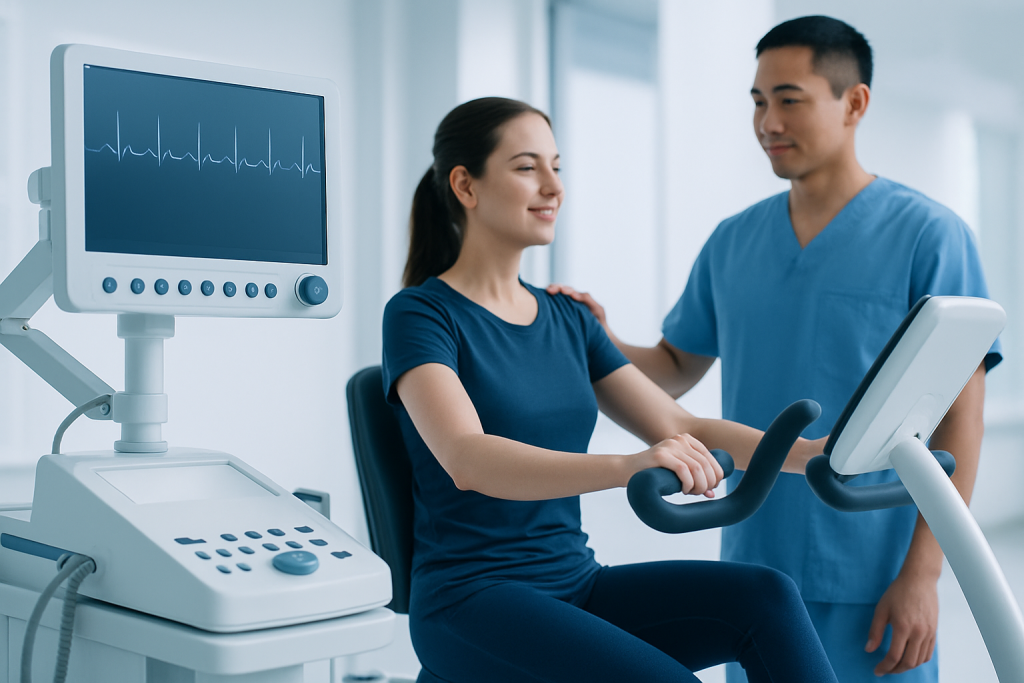
A safe cool down usually starts by lowering intensity step by step rather than stopping all at once. If the workout involved running, the cool down might begin with brisk walking and then slow walking. If the session involved weights, it may include a few minutes of light movement, followed by gentle stretching or breathing work.
Breathing is an important part of the process. Slow, relaxed breathing can help the body shift out of the “effort” state and may also reduce the rushed feeling that sometimes follows hard exercise. People should aim for a pace that allows them to speak comfortably.
Helpful elements of a cool down often include:
- Light movement such as walking, easy cycling, or slow marching in place
- Gentle range-of-motion work for the muscles just used
- Relaxed breathing to help the heart rate settle
- Static stretches if they feel comfortable, without bouncing or forcing
The best cool down is usually short and repeatable. For many activities, five to ten minutes is enough, though longer or very intense sessions may call for more time.
Why Cool Down Exercises Matter

When exercise stops suddenly, the body has to adjust quickly from a working state to a resting one. A gradual cool down gives that adjustment more time. It can be especially helpful after exercise that raises the heart rate significantly or uses large muscle groups for a sustained period.
Some people notice that a cool down helps them feel less stiff later, although results vary from person to person. It may also give someone a useful moment to check in with their body before leaving the gym, returning to work, or driving home. That can matter after demanding workouts, outdoor training in heat, or sessions done while traveling, when hydration, fatigue, and recovery may deserve extra attention.
For international patients or frequent travelers, recovery routines can become more important because sleep disruption, long flights, and changes in routine may affect how the body responds to exercise. In those situations, a calm cool down is a practical way to finish a session without adding extra stress.
Common Mistakes to Avoid
One common mistake is treating the cool down as optional and skipping straight from high effort to complete rest. Another is stretching hard while muscles are still fatigued, which can feel uncomfortable and is not necessary for everyone. A cool down should feel like recovery, not another performance test.
People also sometimes hold their breath, rush through movements, or push into pain. None of these improve the cool down. A safer approach is to keep movements smooth, choose a comfortable pace, and stop if dizziness, chest discomfort, unusual shortness of breath, or sharp pain appears.
It is also worth remembering that a cool down does not replace hydration, sleep, or proper training progression. Recovery is broader than one short routine, and the cool down is only one part of that bigger picture.
How to Build a Simple Cool Down Routine
A practical cool down can be built around the exercise that was just completed. After cardio, start with several minutes of lower-intensity movement such as easy walking or slow cycling. After resistance training, use light movement and gentle mobility work for the muscles that were most active.
Many people like to follow movement with a few easy stretches. These should be held gently and without bouncing. The aim is to relax, not to force flexibility gains in a tired body.
A simple structure can look like this:
- Step 1: Reduce intensity gradually for a few minutes
- Step 2: Breathe slowly and evenly
- Step 3: Add comfortable stretches or mobility work
- Step 4: Pause and notice whether any symptoms remain
People who train often may benefit from keeping the routine very consistent. Predictability makes it easier to follow, especially after workouts done while balancing work, family, or travel schedules.
Cool Down Exercises for Different Activities
The most useful cool down depends on what the body has just done. A runner may prefer walking and calf or thigh stretches. Someone who has lifted weights may focus on the shoulders, back, hips, and breathing. A person finishing a dance class or sport practice may need a broader, slower return to rest.
For low-impact exercise, the cool down can be quite brief. For longer or more intense sessions, a few extra minutes of easy movement often feels better than stopping abruptly. If the workout was done in heat, the cool down may need to be longer and calmer so the body can settle gradually.
Examples include:
- After running: walk, then gentle hamstring, calf, and hip stretches
- After strength training: easy walking, light mobility, and relaxed breathing
- After cycling: slow pedaling, then lower-body stretches if comfortable
- After team sports: slow movement, hydration, and a few calm full-body stretches
There is no single perfect routine. The most effective one is the one the person can do safely, consistently, and without strain.
When Cool Down Is Not Enough
Most post-exercise tiredness is normal, but some symptoms deserve closer attention. A cool down should never be used to “push through” chest pain, fainting, severe dizziness, or breathing trouble. Those symptoms need prompt medical evaluation, especially if they are new or unusual for the person.
People with heart disease, diabetes, asthma, joint problems, or other chronic conditions may need individualized guidance on exercise and recovery. The same is true for anyone returning to exercise after surgery, a significant illness, or a long period of inactivity. In those cases, a doctor or rehabilitation specialist can help tailor the routine safely.
If soreness lasts far longer than expected, if swelling or joint pain develops, or if exercise repeatedly leads to worrisome symptoms, the issue should be discussed with a qualified clinician. A cool down is meant to support recovery, not to mask a problem that needs evaluation.
Prevention & Self-care
Good recovery begins before the cool down ends. Hydration, gradual training progress, adequate sleep, and balanced nutrition all shape how the body responds after exercise. A short cool down works best when it is part of an overall routine that respects rest as much as effort.
Self-care after exercise should stay practical. People can drink water as needed, change out of sweaty clothing, and note how they feel over the next hour. If exercise was done during travel or in a busy schedule, it can help to build a recovery habit that is easy to repeat anywhere, such as walking slowly for a few minutes and doing two or three gentle stretches.
For those who are unsure how to start, a physiotherapist, sports medicine clinician, or primary care doctor can suggest an approach based on age, health history, and activity level. Acibadem Health Point’s multidisciplinary specialists and JCI-accredited hospitals also diagnose and treat exercise-related concerns for international patients who need coordinated care.
Frequently asked questions
01What are cool down exercises used for?
Cool down exercises help the body move gradually from exercise back to rest. They commonly include light movement, breathing, and sometimes gentle stretching. The main aim is comfort and recovery, not performance.
02How long should a cool down be?
Many cool downs last about five to ten minutes, but the right length depends on the intensity and duration of the workout. Harder sessions may need a little longer. The body should feel calmer by the end.
03Is stretching always part of a cool down?
No, stretching is optional. Some people feel better with gentle stretching after a workout, while others benefit more from walking, easy cycling, or breathing work. Stretching should never be painful or forced.
04Can a cool down prevent soreness?
It may help some people feel less abruptly stiff after exercise, but it does not prevent all soreness. Delayed muscle soreness can still happen, especially after new or intense activity. Regular training, sleep, and hydration also matter.
05Should someone cool down after every workout?
In most cases, a brief cool down is a good habit after exercise, especially after moderate or hard activity. It can be shorter after very light sessions. People should adapt it to how they feel and the type of exercise they did.
06When should a doctor be contacted after exercise?
Medical advice is important if exercise causes chest pain, fainting, severe shortness of breath, strong dizziness, or symptoms that keep returning. It is also wise to seek guidance if someone has a heart, lung, or metabolic condition and is unsure what is safe.
This article is for general information only and is not a substitute for professional medical advice. Please consult a qualified doctor about your individual situation.
Medical weight-loss options in Turkey — costs & eligibility
JCI-accredited · board-certified surgeons · reply within 24h
Add us as a Preferred Source to see more of our trusted health content across Google Search, AI Overviews and Discover.