Cervical Lymph Node Neck: What You Need to Know

Key Takeaways
- Cervical lymph nodes are part of the immune system and can enlarge when the body is fighting infection or inflammation.
- Common causes include viral infections, throat or dental infections, autoimmune conditions, and, less commonly, cancers.
- The pattern of swelling, how long it lasts, and other symptoms help guide diagnosis.
- Doctors may use a physical exam, blood tests, imaging, or biopsy depending on the cause suspected.
- Seek medical advice if a neck lump persists, grows, feels hard or fixed, or is accompanied by fever, weight loss, or night sweats.
Cervical lymph node neck swelling refers to enlarged lymph nodes in the neck, and it is often the body’s response to infection or inflammation. Most cases are not serious, but persistent, painful, or unusual swelling should be assessed by a qualified doctor.
Overview
A cervical lymph node neck finding means one or more lymph nodes in the neck are larger than expected. These nodes sit along the sides and front of the neck and help the body filter germs and abnormal cells. When they become enlarged, the word doctors often use is cervical lymphadenopathy.
For many people, the first question is whether a neck lump is dangerous. Often it is not. A short-lived swelling after a cold, sore throat, skin infection, or dental problem is common and usually settles as the underlying issue improves. Even so, a new or persistent lump deserves attention, especially if it does not shrink over time or behaves differently from a typical reactive node.
Because the neck contains lymph nodes, salivary glands, muscles, thyroid tissue, and blood vessels, a lump is not always a lymph node. A careful medical evaluation helps separate swollen lymph nodes from other causes of neck swelling and points the person toward the right next step.
Symptoms
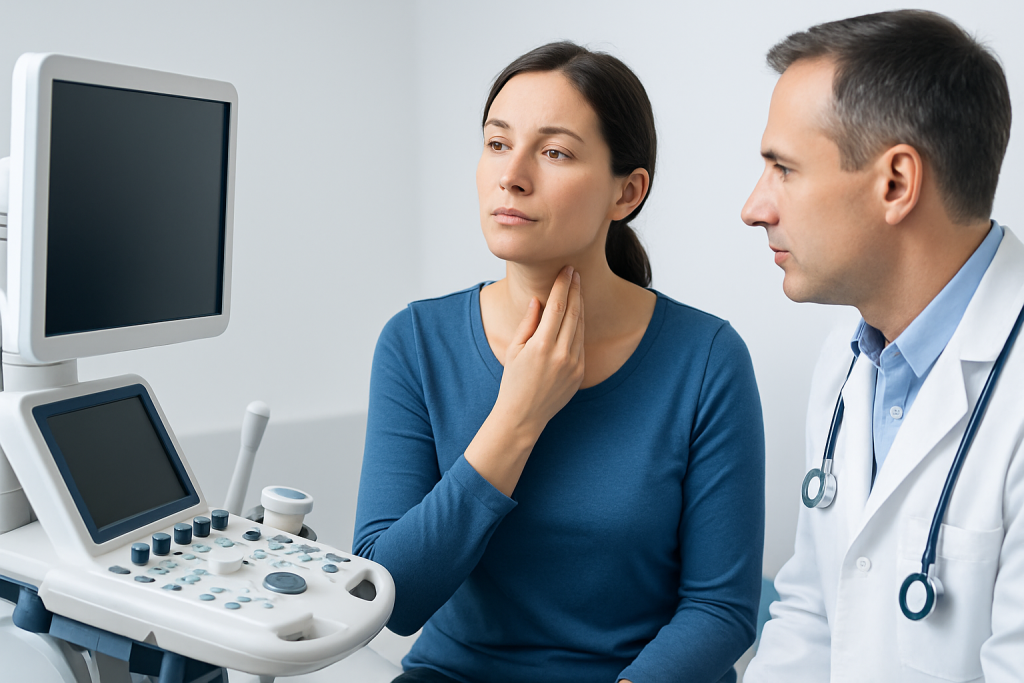
Swollen cervical lymph nodes may be noticed as a lump under the skin, a tender area, or a fullness that becomes more obvious when turning the head. Some nodes are small and mobile, while others may feel larger or firmer. The sensation can range from mildly uncomfortable to painful, depending on the cause.
Related symptoms often offer important clues. A recent cough, runny nose, fever, sore throat, mouth ulcer, dental pain, ear infection, or skin infection nearby may explain why the nodes have reacted. In some situations, enlarged nodes appear along with fatigue, general body aches, or a low-grade fever.
Doctors also pay attention to symptoms that call for closer review, such as unexplained weight loss, drenching night sweats, trouble swallowing, persistent hoarseness, or a lump that keeps growing. These do not automatically mean something serious is present, but they should be evaluated rather than watched indefinitely.
Causes & Risk Factors

The most common reason for cervical lymph node enlargement is infection. Viral illnesses such as colds, flu-like infections, and mononucleosis can trigger the immune system to respond in the neck. Bacterial infections from the throat, tonsils, teeth, gums, ears, or skin may do the same.
Other causes include inflammatory and autoimmune conditions, such as rheumatoid arthritis or lupus, as well as less common infections like tuberculosis and certain fungal illnesses. In some people, enlarged nodes are linked to medication reactions or chronic irritation from nearby inflammation.
Doctors become more cautious when a node is hard, fixed in place, painless, or present without a clear infectious reason. Age, smoking history, heavy alcohol use, prior cancer history, and immune suppression can also shape the level of concern. The key point is that risk is judged by the whole picture, not by size alone.
Diagnosis
Diagnosis usually begins with a detailed history and physical examination. A doctor may ask when the swelling started, whether it has changed, what infections or dental issues occurred recently, and whether other symptoms are present. They will also examine the mouth, throat, ears, skin, thyroid, and the rest of the neck.
If the cause is not clear, tests may help. Blood work can look for signs of infection, inflammation, or blood disorders. Imaging such as ultrasound, CT, or MRI may be used to better define the lump and nearby structures. In some cases, a fine needle aspiration or biopsy is recommended to examine the tissue more closely.
The exact workup depends on the person’s age, symptoms, exam findings, and how long the lymph node has been enlarged. A short-lived, tender node after an upper respiratory infection may need only observation, while a persistent or suspicious node usually needs more targeted evaluation.
Treatment Options
Treatment focuses on the underlying cause rather than the lymph node itself. If the enlargement is due to a viral infection, the node often improves as the illness resolves. If a bacterial infection is present, a doctor may prescribe antibiotics or other appropriate treatment based on the source of infection.
When inflammation, autoimmune disease, or another chronic condition is involved, management may require a broader plan coordinated by the appropriate specialist. If testing suggests a tumor or lymphoma, treatment is determined by the specific diagnosis and may include surgery, medicine, radiation, or a combination of approaches.
Supportive care can also matter. Rest, fluids, warm compresses for tenderness, and careful oral hygiene may help people feel more comfortable while the underlying condition is being addressed. It is important not to self-treat a persistent neck lump with repeated antibiotics or to assume every lump is just a minor infection.
Prevention & Self-care
Not every case can be prevented, because the immune system naturally responds to many everyday infections. Still, good hand hygiene, timely treatment of throat and dental problems, and staying current with routine medical and dental care can lower the chance that infections spread and irritate the neck nodes.
Self-care is mainly about observation and sensible follow-up. A person can note whether the lump is shrinking, whether it becomes more painful, and whether new symptoms appear. Avoid repeated squeezing or pressing on the area, as that can make tenderness worse and does not help the diagnosis.
For Myomectomy Recovery: Healing Time, Activity Limits, and Fertility Planning" class="ahp-ilk">Myomectomy Recovery for International Patients: The Usual Travel Timeline" class="ahp-ilk">international patients deciding whether to travel for care, it is helpful to gather prior test results, imaging reports, medication lists, and a short timeline of the swelling before the appointment. This makes remote planning more efficient and helps the receiving team focus on the most useful next step after arrival.
When to See a Doctor
A medical review is sensible if a cervical lymph node in the neck lasts longer than a couple of weeks, enlarges, or appears without an obvious cause. A doctor should also evaluate the lump sooner if it is hard, fixed, or located above the collarbone, or if swallowing, breathing, or speaking becomes difficult.
Other reasons to seek care include fever that does not settle, repeated infections, unexplained weight loss, night sweats, fatigue that is out of proportion, or a personal history of cancer. Children and adults alike benefit from prompt assessment when the pattern seems unusual or the swelling is changing quickly.
In a well-organized evaluation, the goal is not to alarm the person but to avoid guesswork. At Acibadem Health Point, multidisciplinary specialists and JCI-accredited hospitals diagnose and treat conditions such as cervical lymph node neck enlargement for international patients, with care planned around the medical findings and the follow-up needed after travel.
Frequently asked questions
01What does cervical lymph node neck swelling usually mean?
Most often, it means the lymph nodes are reacting to an infection or inflammation somewhere in the body, especially in the throat, mouth, ears, or skin. Many cases improve once the trigger settles. Persistent or unusual swelling should still be checked by a doctor.
02Is a swollen lymph node in the neck always serious?
No, it is not always serious. Temporary swelling is common after viral illnesses or dental problems. The concern rises when the node is hard, fixed, painless, growing, or present with other symptoms such as weight loss or night sweats.
03How long should I wait before seeing a doctor?
If the lump is clearly linked to a recent infection and begins shrinking, short observation may be reasonable. If it lasts more than a couple of weeks, grows, or comes with other concerning symptoms, medical assessment is recommended. When in doubt, it is safer to have it examined.
04Can stress cause cervical lymph nodes to swell?
Stress itself does not usually cause lymph nodes to enlarge. However, stress can affect sleep and general immune health, which may make someone feel run down or more prone to infections. The swelling still needs a medical explanation if it persists.
05How do doctors tell if a neck lump is a lymph node or something else?
They use the physical exam, the lump’s location, and sometimes imaging to determine whether the mass is a lymph node, thyroid issue, salivary gland problem, cyst, or another cause. Blood tests or a biopsy may be needed if the cause is unclear. The right test depends on the overall clinical picture.
06What should I bring if I am traveling internationally for evaluation?
It helps to bring prior imaging, lab results, pathology reports, a medication list, and notes about when the swelling began and how it has changed. Clear records make the consultation more efficient and can reduce delays in planning next steps. A concise timeline is often as useful as the reports themselves.
This article is for general information only and is not a substitute for professional medical advice. Please consult a qualified doctor about your individual situation.
Medical weight-loss options in Turkey — costs & eligibility
JCI-accredited · board-certified surgeons · reply within 24h
Add us as a Preferred Source to see more of our trusted health content across Google Search, AI Overviews and Discover.