Do U Gain Weight When Ur on Ur Period?

Key Takeaways
- A small rise on the scale around menstruation is common and usually temporary.
- Hormonal shifts can cause bloating, water retention, constipation, and appetite changes.
- Menstrual-cycle weight changes are not the same as long-term weight gain.
- Consistent habits, hydration, and gentle movement can help reduce discomfort.
- Sudden, severe, or persistent weight changes should be discussed with a doctor.
Yes, some people notice a small, temporary increase in weight around their period, and it is usually caused by fluid retention, bloating, constipation, and hormone-related appetite changes rather than true fat gain. The number on the scale often returns to baseline after menstruation begins or ends.
Overview
Do u gain weight when ur on ur period? Many people do notice that their weight goes up a little before or during menstruation, but this is usually a temporary change. It is most often linked to fluid retention, bloating, and digestive slowing rather than an actual increase in body fat.
For someone tracking weight closely, the timing can feel confusing: the scale may rise even when eating patterns have not changed much. That is why period-related weight changes are best understood as part of the menstrual cycle, not as a sign that something is wrong by itself.
In everyday terms, the body can behave differently across the month. Hormone shifts influence how much water is held in tissues, how hungry a person feels, and how comfortably the digestive system is working. These effects can be noticeable, but they usually settle once the menstrual phase passes.
What the scale is usually showing
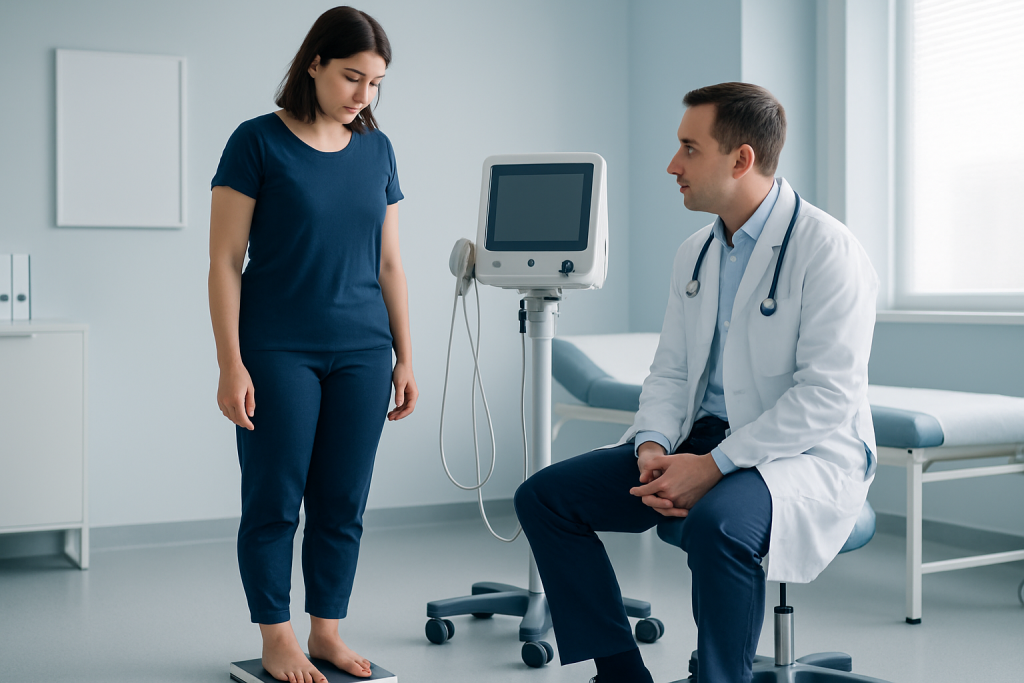
The number on the scale during a period often reflects water and digestive contents more than body fat. Estrogen and progesterone levels rise and fall across the cycle, and those changes can affect how the body manages salt, fluids, and bowel movements. A person may feel puffier, tighter in clothing, or heavier in the abdomen.
Bloating can be especially noticeable in the days before bleeding starts. Some people also retain fluid in the breasts, hands, feet, or face. At the same time, cravings or changes in appetite may lead to eating more than usual for a few days, which can add to the sense of weight fluctuation.
It may help to think of this as a moving target. If a person weighs themselves at different points in the cycle, the results can vary even when overall health and body composition are unchanged. Looking at trends over several weeks is more informative than focusing on a single reading.
Common symptoms that travel with period weight changes

Temporary weight gain around a period often appears together with other premenstrual or menstrual symptoms. These may include abdominal bloating, breast tenderness, cramps, fatigue, constipation, headaches, and mood changes. The combination can make the body feel heavier and less comfortable.
Some people notice a stronger appetite for salty or sweet foods. Others feel less interested in exercise because of pain, low energy, or a general sense of discomfort. These changes are common and do not automatically mean that weight is increasing in a lasting way.
- Abdominal bloating or fullness
- Mild swelling in hands, feet, or face
- Constipation or slower digestion
- Temporary changes in hunger or cravings
- Lower energy or reduced exercise tolerance
Causes and risk factors
The main drivers of period-related weight change are hormone fluctuations. In the days before menstruation, changes in estrogen and progesterone can alter fluid balance and may increase bloating. These same shifts can also influence how the intestines move, which can lead to constipation and a feeling of heaviness.
Other factors can make the effect more noticeable. High-salt meals, low fluid intake, poor sleep, stress, and reduced physical activity can all contribute to water retention or digestive discomfort. Some people are also more sensitive to hormonal changes than others, so their symptoms may be stronger from one cycle to another.
Underlying conditions can sometimes overlap with menstrual symptoms. Conditions such as premenstrual syndrome, premenstrual dysphoric disorder, thyroid problems, polycystic ovary syndrome, or gastrointestinal disorders may affect weight patterns or make them easier to notice. When changes are persistent, broader medical evaluation can be helpful.
How doctors evaluate it
If weight changes seem mild and cyclical, a doctor may first ask about timing, symptoms, diet, bowel habits, exercise, and stress. A pattern that rises before the period and settles afterward often suggests a normal menstrual fluctuation. Keeping a simple cycle and symptom diary can make this pattern easier to see.
When the picture is less clear, clinicians may review the person’s medical history and perform a physical examination. Depending on the symptoms, blood tests may be recommended to look for thyroid issues, anemia, hormonal imbalance, or other causes of ongoing weight change. The goal is not to dismiss the symptom, but to separate normal cycle variation from something that needs treatment.
For Myomectomy Recovery for International Patients: The Usual Travel Timeline" class="ahp-ilk">international patients, this evaluation can be especially useful when there is limited continuity of care across countries. A clear record of cycle dates, symptom timing, and any previous test results helps the medical team interpret the change more accurately and plan sensible follow-up.
Treatment options and practical ways to feel better
There is no single treatment for normal period-related weight fluctuation because it is usually a temporary body response. Most of the time, comfort improves after the period begins or ends. The most useful approach is often symptom management rather than trying to force the scale downward.
Simple measures can make a meaningful difference. Drinking enough water, choosing balanced meals, moderating very salty foods, and staying gently active can help reduce bloating. Some people also feel better when they eat smaller, regular meals and prioritize sleep during the days when symptoms are strongest.
If menstrual symptoms are severe, a doctor may discuss treatments for PMS, painful periods, or a condition contributing to the changes. Treatment is individualized and may include lifestyle guidance, cycle-based symptom management, or medicine when appropriate. The best plan depends on the person’s symptoms and overall health rather than the scale alone.
Prevention and self-care
It may not be possible to prevent every period-related weight change, but the body can often be supported through the cycle. Tracking periods, bloating, bowel habits, cravings, and weight trends can reveal patterns and help distinguish normal fluctuation from a true ongoing change. This is particularly useful for people managing their health from another country or preparing for a specialist visit.
Helpful habits include staying hydrated, limiting excess salt in the days before a period, moving the body regularly, and keeping meals balanced with enough protein, fiber, and whole foods. Gentle activity such as walking, stretching, or light cycling may reduce bloating and improve mood without adding strain.
It is also reasonable to be kind to the scale. Weighing at the same time of day, under similar conditions, and focusing on monthly rather than daily trends can prevent unnecessary worry. Period-related changes are often short-lived and should be interpreted in context.
When to see a doctor
A doctor should be consulted if weight gain is sudden, substantial, or does not go away after the menstrual period ends. Medical advice is also important if bloating is severe, pain is intense, periods are very irregular, or there are other symptoms such as fatigue, hair changes, bowel changes, or swelling outside the menstrual window.
Persistent weight change can sometimes point to a thyroid condition, hormonal disorder, medication effect, fluid retention problem, or another health issue that deserves evaluation. Even if the answer turns out to be reassuring, checking the pattern can bring clarity and reduce uncertainty.
Acibadem Health Point can support international patients with multidisciplinary specialists and JCI-accredited hospitals that diagnose and treat menstrual and hormone-related concerns in a coordinated way. A qualified clinician can help determine whether the change fits normal cycle variation or needs further assessment.
Frequently asked questions
01Is it normal to gain weight before or during a period?
Yes, a small temporary increase is common. It is usually caused by fluid retention, bloating, and digestive changes rather than true fat gain. The number often falls again after the period starts or ends.
02How much period weight gain is typical?
The amount varies from person to person and from one cycle to another. Many people notice only a small change, while others feel much puffier without a major change on the scale. The exact amount is less important than whether the change is temporary and cyclical.
03Why do I feel bloated on my period?
Hormonal shifts can make the body hold on to more water and can slow digestion. That combination can cause abdominal fullness, tight clothing, and a heavier feeling. It usually improves as the menstrual phase passes.
04Can cravings during PMS make weight go up?
They can contribute to short-term changes if they lead to eating more than usual for a few days. That does not automatically mean lasting weight gain. Balanced meals and regular snacks can sometimes help manage cravings.
05How can someone tell the difference between period weight gain and real weight gain?
Cycle-related changes usually appear around the same time each month and improve after menstruation. True weight gain tends to continue outside the period window and does not follow a clear monthly pattern. Tracking several cycles can make the difference easier to see.
06Should I try to diet during my period to stop the scale from rising?
Extreme dieting is usually not helpful and may make symptoms worse. A steadier approach with hydration, balanced meals, and gentle movement is often more comfortable. If weight changes are ongoing, a doctor or dietitian can help with a safer plan.
This article is for general information only and is not a substitute for professional medical advice. Please consult a qualified doctor about your individual situation.
Medical weight-loss options in Turkey — costs & eligibility
JCI-accredited · board-certified surgeons · reply within 24h
Add us as a Preferred Source to see more of our trusted health content across Google Search, AI Overviews and Discover.