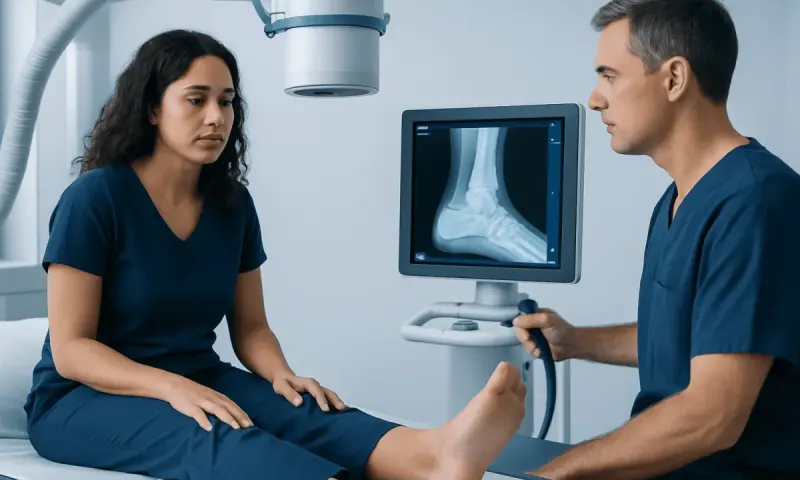
Compound Fracture: Symptoms, Causes and Treatment

Key Takeaways
- A compound fracture is a bone break with an overlying skin wound, so it is treated as an urgent injury.
- Visible bone is not always present; even a small wound near a severe injury can be an open fracture.
- Treatment usually involves cleaning the wound, protecting the limb, and stabilizing the bone, often with surgery.
- Infection prevention and close follow-up are central parts of recovery.
- Rehabilitation may be needed to restore movement, strength, and daily function after healing.
A compound fracture, also called an open fracture, is a broken bone that communicates with the outside environment through a wound in the skin. It needs prompt medical assessment because careful cleaning, stabilization, and follow-up help lower the risk of infection and support healing.
Overview
A compound fracture, more commonly called an open fracture, is more than a broken bone. In this injury, the skin is broken at the same time as the bone, which creates a pathway between the fracture and the outside environment. That distinction matters because the wound can allow bacteria and debris to reach the injured area.
In real life, people often first notice the wound, bleeding, or severe pain rather than the fracture itself. The bone may be visible, but it does not have to be. A small puncture wound near a painful, deformed limb can still represent an open fracture and should be assessed promptly by an orthopedic team.
For international patients, timing and coordination are especially important. If care begins away from home, the plan often needs to include emergency treatment, possible surgery, and a recovery schedule that can continue safely after travel or once the patient returns home.
Symptoms
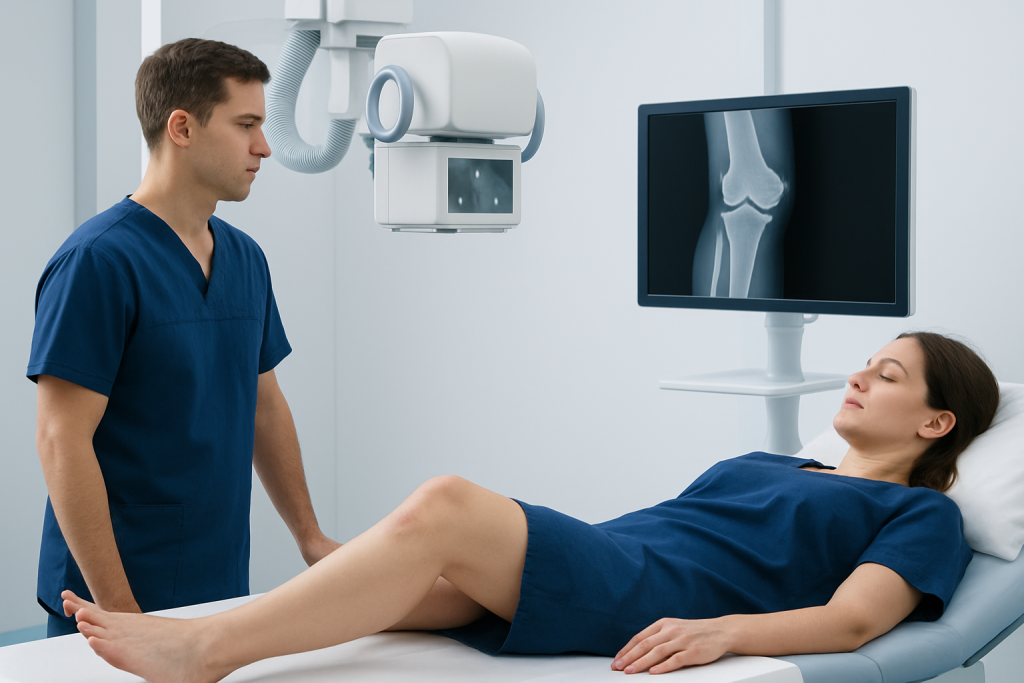
The signs of a compound fracture are often dramatic, but not every case looks the same. Some injuries produce a large wound with obvious bone exposure, while others have only a small break in the skin. Pain is usually intense, and movement of the limb may be difficult or impossible.
Common symptoms may include:
- Visible wound near the fracture site
- Bleeding from the injury
- Deformity, twisting, or shortening of the limb
- Severe pain, especially with movement
- Swelling and bruising
- Difficulty bearing weight or using the injured body part
- Numbness, tingling, or reduced circulation in some cases
Any loss of sensation, pale or cold skin, or inability to move the fingers or toes should be taken seriously, as these can suggest nerve or blood vessel involvement. Even when the person feels relatively stable, the injury still needs urgent medical attention.
Causes & Risk Factors
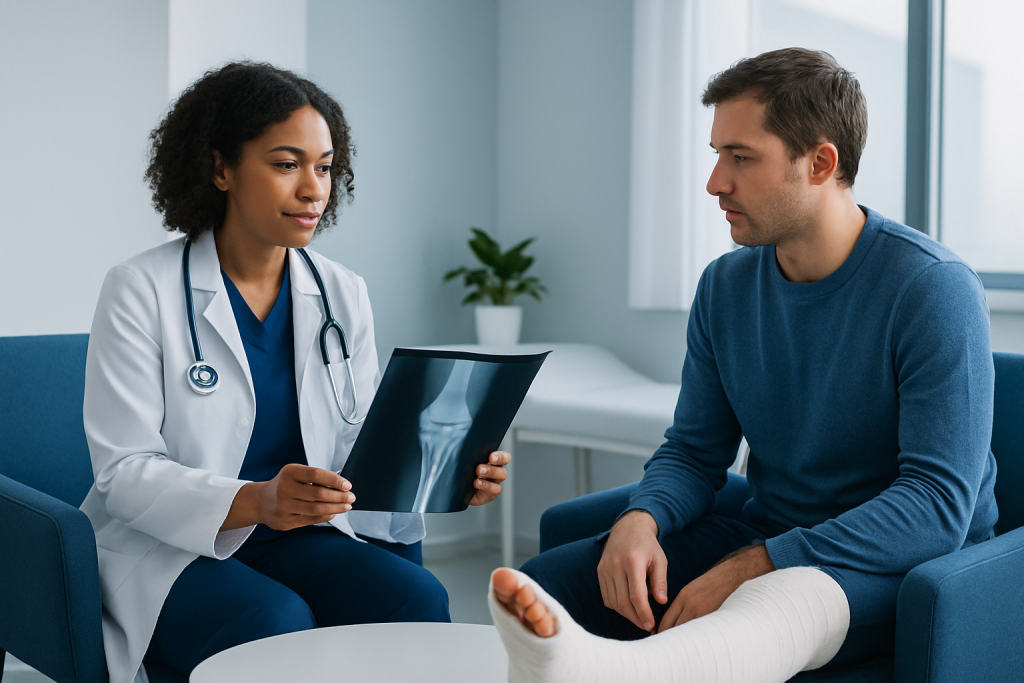
Compound fractures usually happen when a strong force breaks the bone and also tears the surrounding skin. Road traffic collisions, falls from height, sports injuries, heavy crush injuries, and machinery-related trauma are common causes. The injury may occur in a split second, but the damage can extend beyond the bone itself.
Some factors can make open fractures more likely or more complicated to heal. These include high-energy accidents, older age, brittle bones, osteoporosis, and activities that raise the risk of major trauma. People with diabetes, poor circulation, smoking habits, or immune system concerns may also face more challenges during recovery because tissue healing can be slower.
The exact bone involved matters as well. Tibia fractures, for example, can be more vulnerable to skin injury because the bone sits close to the surface in the lower leg. The size and contamination of the wound, along with whether blood flow has been affected, also influence treatment choices and healing time.
Diagnosis
Diagnosis begins with a careful physical examination. A clinician looks at the wound, checks the limb for deformity, evaluates blood flow and nerve function, and asks how the injury happened. The appearance of the skin opening, along with the fracture pattern, helps determine the severity of the injury.
X-rays are usually the first imaging test because they show the broken bone and help guide treatment planning. In some situations, additional imaging such as CT scanning may be used to assess the fracture in more detail, especially if the injury is complex or involves a joint.
Because infection risk is a major concern, the wound is assessed as part of the overall fracture care plan rather than as a separate issue. Medical teams may also review tetanus immunization status and consider laboratory tests if surgery or hospital admission is needed.
Treatment Options
Initial treatment focuses on protecting the injured area, controlling bleeding, and reducing the chance of contamination. The limb is typically immobilized with a splint, and the wound is covered with a sterile dressing. The person should not try to push the bone back in place or clean a deep wound aggressively at the scene.
Hospital treatment often includes intravenous antibiotics and tetanus protection when indicated. Many compound fractures need surgery to thoroughly clean the wound, remove debris, and stabilize the bone. Internal fixation with plates, screws, rods, or external fixation devices may be used depending on the fracture pattern, soft tissue condition, and overall injury severity.
Not every open fracture is treated the same way. The orthopedic surgeon considers bone location, the amount of contamination, soft tissue damage, and the patient’s overall health. In some cases, more than one procedure is needed, especially if the soft tissues require staged repair or if the fracture is very unstable.
Recovery is usually a process rather than a single event. Pain control, wound care, follow-up imaging, and rehabilitation are often part of the plan. For patients traveling for treatment, the care team should also help define when it is safe to fly, how to continue wound checks, and what signs should prompt urgent reassessment after discharge.
Prevention & Self-care
Not every compound fracture can be prevented, but many serious injuries can be reduced through practical safety habits. Seat belts, helmets, protective sports gear, safe work practices, and fall-prevention steps all lower the chance of high-energy trauma. Bone health also matters, especially in older adults or people with osteoporosis.
After treatment, self-care should be guided by the medical team. The patient should keep the wound clean and dry as instructed, take medicines exactly as prescribed, and avoid placing weight on the injured limb until cleared to do so. Elevation and gentle movement of nearby joints, when approved, can help reduce stiffness and swelling.
Rehabilitation is often an important part of healing. Physical therapy may support strength, joint motion, balance, and a return to daily activities. Patients recovering away from home may find it helpful to leave with a written plan that explains dressing changes, follow-up timing, and local emergency contacts in case questions arise during travel.
When to See a Doctor
A compound fracture is an emergency, so medical care should be sought right away rather than waiting for symptoms to settle. Immediate evaluation is especially important if the bone is visible, the wound is bleeding heavily, or the limb looks crooked or shortened.
Prompt assessment is also needed if there is numbness, severe swelling, increasing pain, pale or cold fingers or toes, or trouble moving the injured part. These findings may signal circulation or nerve problems and can affect treatment decisions.
After initial care, follow-up should not be skipped. A doctor should review the wound, fracture alignment, and healing progress as scheduled. For patients receiving care abroad, multidisciplinary specialists and JCI-accredited hospitals such as those at Acibadem Health Point can diagnose and treat compound fractures while helping coordinate ongoing recovery for international patients.
Recovery and Outlook
Healing after a compound fracture depends on the location of the break, the amount of soft tissue injury, whether infection develops, and how well the bone is stabilized. Some people recover steadily after one operation, while others need a longer path that includes repeat wound checks, additional procedures, or extended rehabilitation.
It is common for recovery to involve temporary limits on walking, lifting, sports, or work tasks. Stiffness, swelling, and muscle weakness can linger after the bone starts to heal, which is why rehabilitation is often just as important as the initial surgery. Progress is usually measured by pain control, wound healing, X-ray findings, and the return of safe function.
Patients should feel encouraged if recovery seems gradual. Open fractures often require patience, close communication with the care team, and realistic expectations. With proper orthopedic management and follow-up, many people regain good function over time.
Frequently asked questions
01What makes a compound fracture different from a regular fracture?
A compound fracture breaks the bone and also opens the skin, creating a direct path to the outside environment. A regular, or closed, fracture does not have that skin opening. Because of the wound, open fractures need urgent treatment to reduce infection risk.
02Does visible bone always mean a compound fracture?
Visible bone strongly suggests a severe open injury, but a compound fracture can exist even when no bone is seen. A small puncture wound near a deformed or very painful limb still needs urgent assessment. The fracture may be more extensive than the skin opening appears.
03What is the first thing to do if someone has this injury?
Call emergency services or seek urgent medical care immediately. Keep the person still, cover the wound with a clean dressing or cloth, and do not try to realign the bone. If possible, immobilize the limb until professionals take over.
04How is infection prevented after an open fracture?
Doctors usually clean the wound carefully, give antibiotics when appropriate, and stabilize the fracture. Tetanus protection may also be needed depending on the person’s vaccination status. Close follow-up is important because infection can sometimes develop later.
05Will surgery always be needed?
Many compound fractures do require surgery, but the exact approach depends on the wound, the fracture pattern, and the health of the surrounding tissue. Some injuries need internal fixation, while others are managed with external fixation or staged procedures. The orthopedic surgeon chooses the safest plan for the individual case.
06How long does recovery take?
Recovery time varies widely and depends on the bone involved, the severity of soft tissue damage, and whether complications occur. People often need a period of protection, then rehabilitation to rebuild strength and motion. The care team usually monitors progress with exams and follow-up imaging.
This article is for general information only and is not a substitute for professional medical advice. Please consult a qualified doctor about your individual situation.
Joint and spine care in Turkey — expert assessment & treatment
JCI-accredited · board-certified surgeons · reply within 24h
Add us as a Preferred Source to see more of our trusted health content across Google Search, AI Overviews and Discover.