Colonoscopy Age: When Should Screening Start?
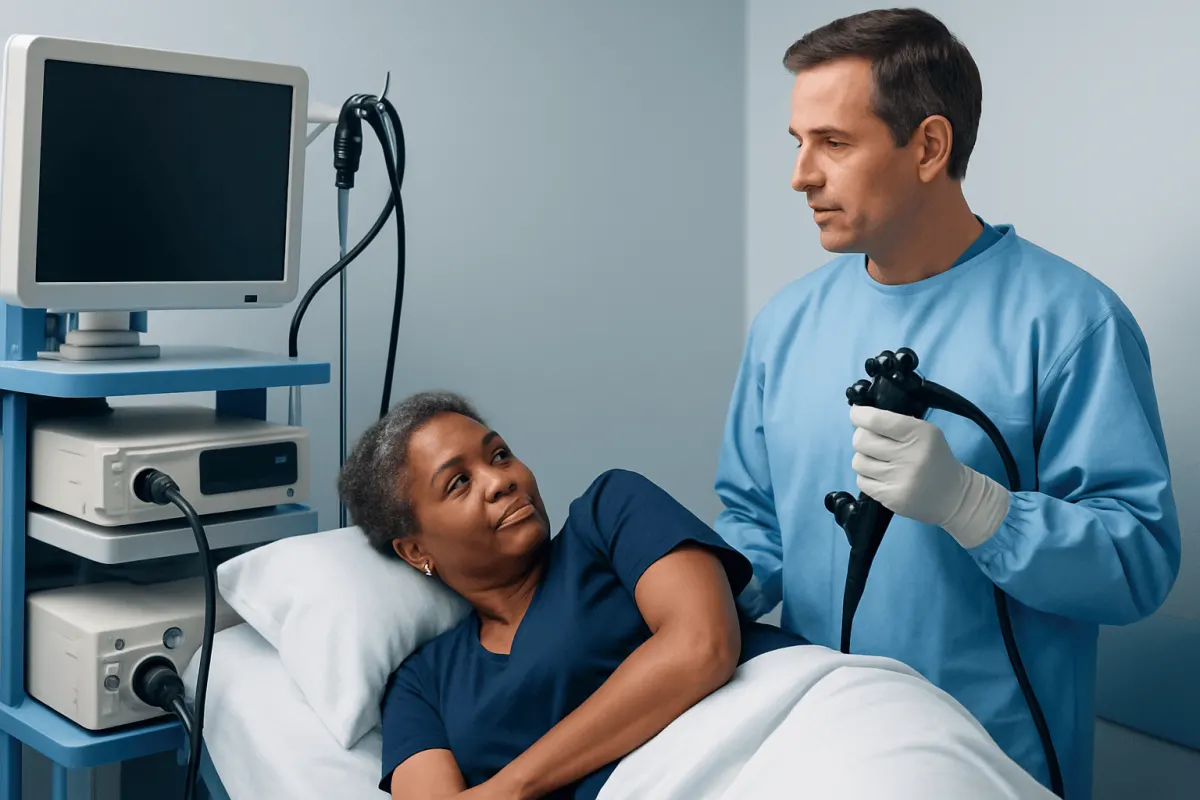
For most adults at average risk of colorectal cancer, colonoscopy age recommendations begin screening at age 45. The right screening method and schedule can change when a person has symptoms, a family history, prior polyps, Ulcerative Colitis, and Flares" class="ahp-ilk">inflammatory bowel disease, or other risk factors.
Overview: what is the recommended colonoscopy age?
For adults at average risk of colorectal cancer, many major guidelines recommend beginning colorectal cancer screening at age 45. Colonoscopy is one screening option. It allows a gastroenterologist to inspect the lining of the rectum and colon, take tissue samples when needed, and remove many polyps before they can develop into cancer.
Colonoscopy age recommendations are not the same for everyone. Screening may start earlier when there is a close family history of colorectal cancer or advanced polyps, a known inherited cancer syndrome, a personal history of polyps or colorectal cancer, or inflammatory bowel disease affecting the colon. A colonoscopy is also used diagnostically at any age when symptoms need investigation; this is different from routine screening.
People should discuss their individual colonoscopy age schedule with a qualified clinician. The appropriate test, starting age, and interval depend on health history, previous results, family history, and personal preferences.
Who may need a colonoscopy earlier or more often?
Average-risk screening applies to people without symptoms and without important risk factors. A clinician may advise an earlier colonoscopy procedure age for someone with a parent, sibling, or child who has had colorectal cancer or an advanced polyp, especially if it was diagnosed at a younger age. The timing depends on the relative’s diagnosis and the person’s full family history.
More intensive surveillance may also be appropriate for people who have previously had adenomatous or serrated polyps, have been treated for colorectal cancer, or have long-standing ulcerative colitis or Crohn’s disease involving the colon. Inherited conditions such as Lynch syndrome and familial adenomatous polyposis require specialized surveillance plans.
Symptoms should not be managed by waiting for the usual screening age. Blood in the stool, iron-deficiency anemia, a persistent new change in bowel habits, unexplained weight loss, or ongoing abdominal pain may lead a doctor to recommend colonoscopy regardless of age. These symptoms have many possible causes, but they deserve timely evaluation.
- Average risk: screening commonly begins at 45.
- Increased familial or genetic risk: screening may begin earlier and occur more often.
- Previous polyps or bowel disease: follow-up timing is based on findings and disease activity.
- New concerning symptoms: diagnostic assessment may be needed at any age.
How colonoscopy works: preparation and the procedure

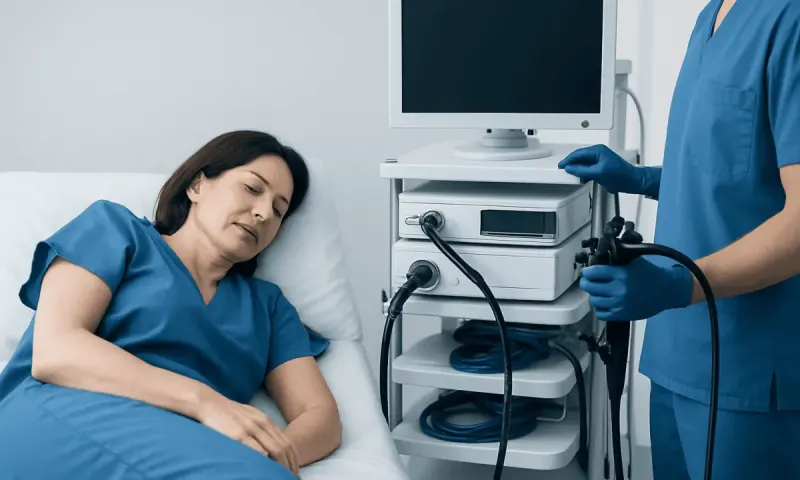
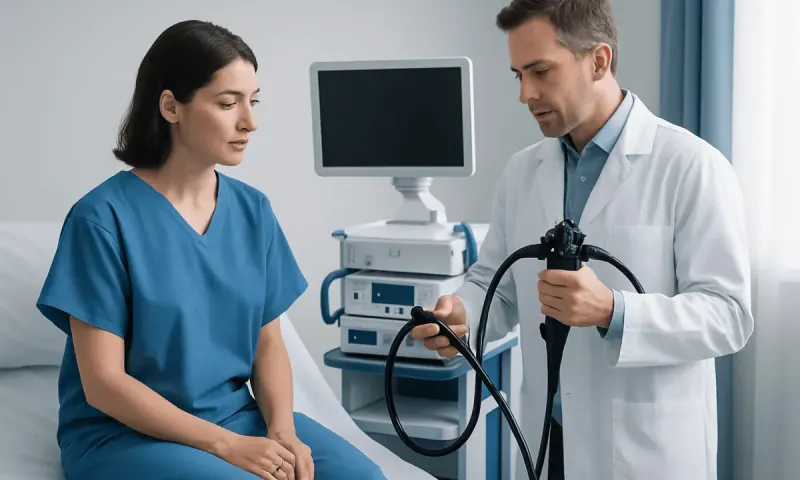
A colonoscopy uses a flexible, thin tube called a colonoscope. It has a small camera and light at its tip, allowing the specialist to view the inner lining of the large bowel on a monitor. The examination usually reaches the beginning of the colon, and small instruments can be passed through the scope to remove polyps or collect biopsies.
Preparation is crucial at every adult age. In the days before the test, the care team provides individualized instructions about food, drinks, bowel-cleansing medication, and medicines that may need adjustment. A person should specifically ask about diabetes medicines, blood thinners, iron supplements, kidney disease, pregnancy, and any previous difficulty with bowel preparation. They should not stop prescribed medicines unless instructed by their clinician.
On the procedure day, most people receive sedation or anesthesia for comfort. They lie on their side while the colonoscope is gently advanced through the rectum and colon. Air or carbon dioxide is introduced to open the bowel for viewing, which can cause temporary pressure or bloating. The examination itself often takes less than an hour, although the total visit is longer because of admission, preparation, and recovery.
If polyps are found, they are commonly removed during the procedure and sent to a laboratory. This ability to identify and remove precancerous growths is an important benefit of colonoscopy. A gastroenterology team can provide individualized assessment and colonoscopy evaluation and treatment when this examination is appropriate.
How do I know my colonoscopy prep was successful?
Colonoscopy prep is considered successful when the bowel is sufficiently clean for the doctor to clearly see the lining of the colon. By the end of the preparation, bowel movements are usually watery and become clear, pale yellow, or light in color, with little or no solid material. However, appearance alone cannot guarantee that the cleansing is adequate; the endoscopist makes the final assessment during the examination.
It is important to follow the exact colonoscopy prep instructions provided by the clinic, including the timing of the cleansing solution. Split-dose preparation, in which part is taken the evening before and part closer to the procedure, is commonly used because it can improve bowel cleanliness. The instructions may differ for morning and afternoon appointments.
A person should contact the endoscopy team before leaving home if they have persistent vomiting, cannot keep the preparation down, have severe abdominal pain, develop dizziness or signs of dehydration, or are not passing liquid stool after taking the prescribed preparation. The team can advise whether changes are needed or whether the procedure should be rescheduled for safety and accuracy.
Results, recovery timeline, benefits and risks
After the test, the doctor may discuss initial findings before discharge, although sedation can make it difficult to remember all details. A written report is usually provided. Biopsy and polyp pathology results take longer, often several days or more, because they must be examined in a laboratory. The result determines the next colonoscopy age schedule, including whether the person can return to routine screening or needs earlier surveillance.
Most people recover from sedation within a few hours but should arrange for a responsible adult to take them home. Driving, operating machinery, drinking alcohol, making important legal decisions, and returning to demanding work should be avoided for the remainder of the day unless the care team advises otherwise. Mild gas, bloating, or temporary cramping can occur and generally improves as the air leaves the bowel. Many people return to usual activities the next day.
Colonoscopy can detect cancer early and remove certain polyps, helping to prevent some colorectal cancers. It is generally safe, but no procedure is risk-free. Uncommon complications include bleeding, particularly after polyp removal, a tear in the bowel wall, adverse reactions to sedation, infection, or missed lesions. Patients should follow post-procedure instructions and seek urgent care for severe or worsening abdominal pain, fever, repeated vomiting, fainting, black stools, or substantial rectal bleeding.
At what age do doctors no longer recommend colonoscopies?
There is no single age at which doctors automatically stop recommending colonoscopies for every person. For average-risk adults, routine colorectal cancer screening is commonly recommended through age 75. Between ages 76 and 85, the decision is individualized, taking account of prior screening, overall health, functional status, personal values, and estimated life expectancy.
After age 85, routine colorectal cancer screening is generally not recommended. However, this does not mean that new symptoms should be ignored. A clinician may still recommend diagnostic testing, which can include colonoscopy or another approach, if bleeding, anemia, bowel changes, or other concerns need investigation.
Age alone should not determine care. For an older adult who has never been screened and is otherwise in good health, a doctor may consider screening worthwhile. Conversely, the possible burden and risks of preparation, sedation, and the procedure may outweigh the likely benefits for a person with significant frailty or serious health conditions. Shared decision-making is especially valuable in this age group.
What is the number one food linked to colon cancer?
There is no single food that causes colorectal cancer or can reliably predict who will develop it. However, processed meat, such as bacon, sausages, ham, and some deli meats, is consistently associated with a higher risk of colorectal cancer when eaten regularly. Red meat may also contribute to risk, particularly with high intake and certain high-temperature cooking methods.
Food is only one part of colorectal cancer risk. Age, family history, inherited genes, prior polyps, inflammatory bowel disease, physical inactivity, excess body weight, smoking, and alcohol use can all play a role. A balanced pattern that includes vegetables, fruits, whole grains, legumes, and other fiber-rich foods can support general digestive and cardiovascular health.
Healthy eating does not replace recommended screening. Polyps and early colorectal cancer may not cause symptoms, which is why following a personalized colonoscopy age protocol remains important even for people who feel well and follow a nutritious diet.
What is the first hint of colon cancer? When to seek medical care
Colorectal cancer often causes no symptoms in its earliest stages, so there is not one dependable “first hint.” When symptoms do occur, they can include blood in or on the stool, a persistent change in bowel habits, stools that are narrower than usual, unexplained iron-deficiency anemia, ongoing abdominal discomfort, fatigue, or unintended weight loss. These symptoms are common in non-cancerous conditions too, but they should not be self-diagnosed.
A person should arrange medical care promptly for rectal bleeding, black stools, persistent new constipation or diarrhea, unexplained anemia, continuing abdominal pain, or unexplained weight loss. Emergency assessment is appropriate for heavy bleeding, severe abdominal pain, fainting, or symptoms of shock. Early evaluation can identify the cause and guide appropriate treatment.
Conditions such as colon cancer require coordinated assessment that may involve gastroenterology, pathology, radiology, surgery, and oncology. Acıbadem Health Point’s multidisciplinary specialists and JCI-accredited hospitals provide diagnostic and treatment planning for international patients when colorectal concerns require specialist care.
Frequently asked questions
01What age should an average-risk person have their first colonoscopy?
For average-risk adults, colorectal cancer screening commonly begins at age 45. Colonoscopy is one option, while stool-based tests and other screening methods may be appropriate for some people. A clinician can help select the best test based on medical history and preferences.
02How often is a colonoscopy needed if the result is normal?
For many average-risk people with a high-quality normal colonoscopy, the next examination may be recommended in 10 years. The interval can be shorter when polyps are found, the bowel preparation was inadequate, or a person has increased risk. The endoscopist’s report should provide an individualized follow-up plan.
03Can a person have a colonoscopy before age 45?
Yes. A colonoscopy may be recommended before age 45 for symptoms, a family history of colorectal cancer or advanced polyps, inherited cancer syndromes, inflammatory bowel disease, or previous polyps. The appropriate timing depends on the specific risk factor and should be discussed with a doctor.
04Is colonoscopy preparation different for older adults?
The basic goal is the same: thoroughly cleanse the bowel so the colon lining can be examined safely and accurately. Older adults and people with kidney, heart, or metabolic conditions may need more individualized instructions about fluids and medications. They should tell the care team about all health conditions and medicines before preparation begins.
05Does a clear or yellow liquid stool mean the prep is complete?
Watery, clear, pale yellow, or light-colored stool with little solid material is generally a reassuring sign that the preparation is working. Still, only the doctor can confirm bowel cleanliness during colonoscopy. Patients should complete the preparation exactly as instructed unless the clinical team tells them otherwise.
06Can diet prevent colon cancer without screening?
A diet rich in plant foods and fiber, along with regular physical activity, not smoking, and limiting alcohol and processed meat, may help reduce risk. It cannot eliminate risk or replace screening because polyps and early cancer may not cause symptoms. Screening remains important according to a person’s age and risk profile.
This article is for general information only and is not a substitute for professional medical advice. Please consult a qualified doctor about your individual situation.
Persistent digestive symptoms? Get evaluated in Turkey
JCI-accredited · board-certified surgeons · reply within 24h
Add us as a Preferred Source to see more of our trusted health content across Google Search, AI Overviews and Discover.