Cologuard Versus Colonoscopy: Which Test Fits?

Cologuard versus colonoscopy is not simply a choice between two equal tests: Cologuard is a noninvasive stool-based screening option for certain average-risk adults, while colonoscopy directly examines the colon and can remove polyps during the same procedure. The best option depends on age, personal risk, symptoms, previous results and the ability to complete follow-up testing if needed.
Cologuard Versus Colonoscopy: Side-by-Side Comparison
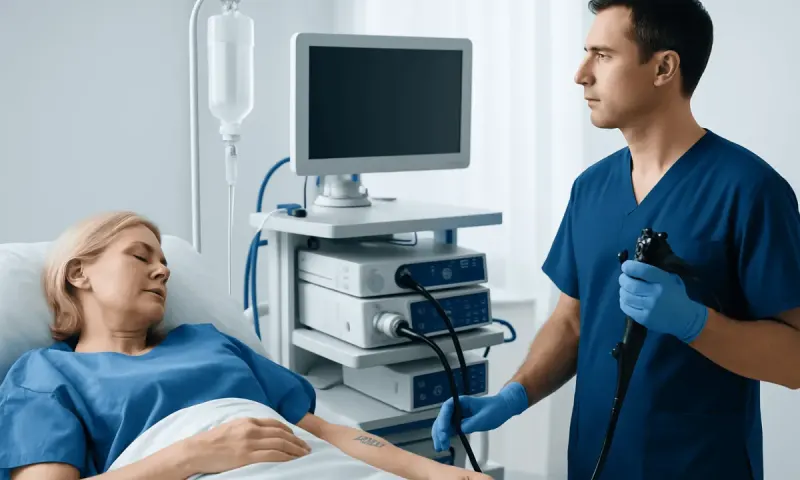
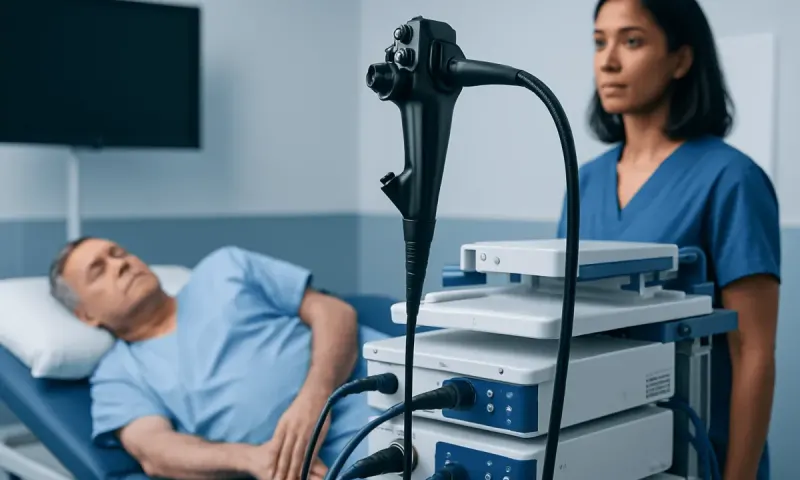
Cologuard and colonoscopy are both used in colorectal cancer screening, but they work very differently. Cologuard is a stool DNA test collected at home. It looks for altered DNA and blood in stool that can be associated with colorectal cancer or some advanced polyps. Colonoscopy is a procedure in which a specialist uses a flexible camera to inspect the rectum and colon directly.
For average-risk adults without concerning symptoms, a stool-based test may be one screening pathway. Colonoscopy may be preferred when a person has a higher risk of colorectal cancer, has symptoms that need investigation, or needs follow-up after an abnormal stool test. A clinician can help place each test in the context of the person rather than relying on a single test result alone.
- Cologuard: Home stool collection; no bowel preparation, sedation or procedure visit is usually needed. It is a screening test and cannot remove polyps.
- Colonoscopy: Requires bowel preparation and typically sedation; it allows direct inspection, biopsy and removal of many polyps during one appointment.
- If Cologuard is positive: Colonoscopy is needed to identify the cause of the result.
- Typical screening intervals: Stool DNA testing is generally repeated more often than colonoscopy when results are negative, although the right schedule should be confirmed with a clinician.
How Clinicians Tell the Tests Apart and Choose a Path
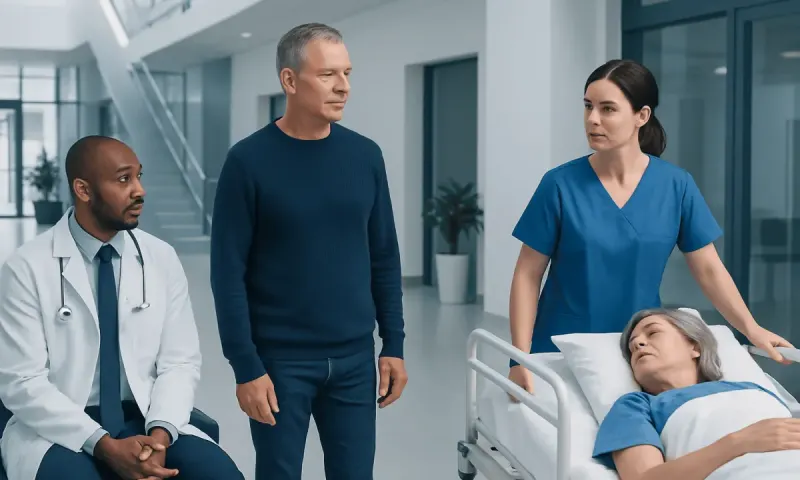
Clinicians first decide whether a person needs screening or diagnostic evaluation. Screening is intended for people who feel well and have no warning signs. Diagnostic testing is used when there are symptoms such as rectal bleeding, a persistent change in bowel habits, unexplained iron-deficiency anemia, unexplained weight loss or ongoing abdominal pain. In these situations, a colonoscopy may be more appropriate than a stool test because it can investigate the source directly.
Risk level also matters. A person may be considered at increased risk because of a previous polyp, colorectal cancer, Ulcerative Colitis, and Flares" class="ahp-ilk">inflammatory bowel disease, a strong family history, or an inherited cancer syndrome. These individuals often need a colonoscopy-based plan rather than stool DNA screening. People with conditions such as colorectal cancer require individualized surveillance and treatment planning rather than routine average-risk screening.
A clinician also considers whether the person is willing and able to complete a colonoscopy if Cologuard is abnormal. Choosing a stool test only works well when positive results are followed promptly by colonoscopy. A negative stool test does not rule out every polyp or cancer, and new symptoms should always be assessed even after a negative screening result.
How Accurate Is Cologuard vs Colonoscopy?

Both tests can contribute to colorectal cancer prevention and early detection, but colonoscopy is generally the more comprehensive test. It allows the clinician to see the lining of the colon, take tissue samples from suspicious areas and remove many polyps. Its accuracy depends on factors such as bowel preparation quality, complete examination of the colon and the type and size of any lesions.
Cologuard can detect many cancers and some advanced precancerous polyps by identifying stool DNA changes and hidden blood. However, it may miss cancers or polyps, particularly smaller or nonbleeding polyps. It can also produce a positive result when colonoscopy does not identify cancer or an advanced precancerous lesion. For this reason, it is not a replacement for colonoscopy when a diagnostic examination is needed.
Test accuracy should not be viewed only as a number. The most effective screening approach is one that matches the person’s risk and is completed on schedule, including any necessary follow-up. A clinician can discuss the practical strengths and limitations of colonoscopy and stool-based screening in relation to the individual’s medical history.
Why Don't Doctors Like Cologuard?
Many doctors do support Cologuard as one possible screening option for appropriately selected average-risk adults. The concern is not usually the test itself, but using it in situations where it is not designed to be used. It should not be used to explain symptoms, replace recommended surveillance after polyps, or evaluate people known to be at increased risk without specific clinical guidance.
Another limitation is that a positive result creates a second step: colonoscopy. Cologuard cannot show where an abnormality is located or remove a polyp. If follow-up colonoscopy is delayed or not completed, the possible benefit of the stool test is reduced.
Some clinicians also prefer colonoscopy for eligible patients because it can detect and treat polyps in the same examination. Still, a less invasive screening test may help some people participate in screening who might otherwise avoid it. The appropriate choice is a shared decision based on risk, preferences and access to timely follow-up care.
What Is the Downside of Using Cologuard?
The main downside of Cologuard is that it does not examine the colon directly. A negative result cannot guarantee that no cancer or precancerous polyp is present, so it does not eliminate the need to report new symptoms to a doctor. It also cannot remove polyps or obtain a biopsy.
False-positive results can occur. This means the stool test is abnormal, but follow-up colonoscopy does not find colorectal cancer or an advanced precancerous polyp. Although the colonoscopy is important for clarification, an unexpected positive result may cause understandable worry and requires bowel preparation, sedation in many cases and a procedure visit after all.
Cologuard is also not suitable for everyone. A person with previous colorectal polyps or cancer, a significant family history, inflammatory bowel disease, certain inherited syndromes, or concerning digestive symptoms should ask a clinician which test is appropriate. For many higher-risk situations, direct evaluation through colonoscopy is the more suitable route.
Why Are Colonoscopies Not Recommended After 74?
Routine colorectal cancer screening is commonly recommended through age 75 for adults with average risk, but decisions from ages 76 to 85 are individualized. This does not mean colonoscopy is automatically unsafe or forbidden after age 74. Rather, clinicians weigh the likely benefit of finding a slow-growing cancer or polyp against the person’s overall health, prior screening history, life expectancy and the small but real risks of the procedure.
Older adults who have had regular negative screening tests may be less likely to benefit from continued routine screening than those who have never been screened. At the same time, a healthy older adult who has not previously been screened may still benefit from a personalized discussion. Health conditions, medications, mobility, tolerance of bowel preparation and anesthesia considerations may all influence the decision.
Importantly, age-based screening guidance does not apply in the same way to symptoms. Rectal bleeding, unexplained anemia, persistent bowel changes or other concerning signs should be assessed at any age. A doctor may recommend colonoscopy or another evaluation when there is a clinical reason to investigate symptoms.
What to Do for Each Result
A negative Cologuard result usually means no abnormal DNA or blood signal was detected in that sample. The person should continue screening at the interval recommended by their clinician and should not ignore new symptoms simply because the test was negative. Maintaining routine preventive care remains important.
A positive Cologuard result does not diagnose cancer. It means a follow-up colonoscopy is needed to look for polyps, cancer or other possible causes. The follow-up examination is an essential part of the screening process, not an optional extra step.
After a normal colonoscopy, the next screening interval depends on the quality of the examination, family and personal history, and whether polyps were found. If polyps are removed, laboratory analysis helps determine the recommended surveillance plan. When clinically indicated, polyp removal may be performed as part of colorectal cancer treatment planning or cancer prevention care.
When to Seek Medical Care
A person should arrange medical assessment rather than relying on an at-home screening test if there is visible blood in stool, black or tar-like stools, an ongoing change in bowel habits, unexplained weight loss, persistent abdominal discomfort, unexplained fatigue or iron-deficiency anemia. These symptoms can have many causes, but they deserve timely evaluation.
People with a parent, sibling or child who has had colorectal cancer or advanced polyps should discuss their screening plan earlier than routine average-risk recommendations may suggest. A personal history of polyps, colorectal cancer, Crohn’s disease or ulcerative colitis also changes the appropriate approach.
Acıbadem Health Point’s multidisciplinary specialists and JCI-accredited hospitals support international patients with assessment, screening and treatment planning for colorectal conditions. A qualified gastroenterology or colorectal care team can help determine whether a stool test, colonoscopy or another evaluation best fits the individual situation.
Frequently asked questions
01Is Cologuard as good as a colonoscopy?
Cologuard and colonoscopy have different roles, so one is not universally better than the other. Cologuard is a noninvasive screening choice for some average-risk adults, while colonoscopy directly examines the colon and can remove polyps. Colonoscopy is needed after a positive Cologuard result.
02Can a negative Cologuard result rule out colon cancer?
No screening test can rule out colorectal cancer with complete certainty. A negative result means the test did not detect the DNA and blood markers it measures in that stool sample. Anyone who develops symptoms should contact a doctor even if a recent stool test was negative.
03Who should not use Cologuard?
Cologuard may not be appropriate for people with symptoms, a previous colorectal cancer or polyp history, inflammatory bowel disease, certain inherited syndromes, or a significant family history. These factors can place someone at increased risk and may require colonoscopy-based surveillance. A clinician can confirm the right screening strategy.
04What happens if Cologuard is positive?
A positive result should be followed by a colonoscopy. The stool test cannot diagnose cancer or identify the location of an abnormality. Colonoscopy allows a specialist to inspect the colon, remove polyps when appropriate and take biopsies if needed.
05Is colonoscopy painful?
Most people receive sedation or anesthesia support for colonoscopy and do not feel pain during the procedure. The bowel preparation beforehand is often the part people find most challenging. Mild bloating, gas or cramping can occur afterward and usually settles quickly.
06At what age should colorectal cancer screening start?
For many adults at average risk, colorectal cancer screening begins at age 45. Some people need earlier screening because of family history, inherited conditions, inflammatory bowel disease or other risk factors. The recommended starting age and test type should be discussed with a clinician.
This article is for general information only and is not a substitute for professional medical advice. Please consult a qualified doctor about your individual situation.
Persistent digestive symptoms? Get evaluated in Turkey
JCI-accredited · board-certified surgeons · reply within 24h
Add us as a Preferred Source to see more of our trusted health content across Google Search, AI Overviews and Discover.