Chin Laser Hair Removal Cost: Factors That Matter

The cost of chin hair removal by laser is not a single fixed amount because clinics tailor treatment plans to the area covered, hair density, skin and hair characteristics, laser technology, and expected number of sessions. A consultation provides the most reliable estimate and also checks whether laser treatment is appropriate and safe for the individual.
Overview: What Does Chin Laser Hair Removal Cost Include?
The cost of chin hair removal by laser usually reflects a treatment plan rather than one appointment alone. A quoted amount may be based on the chin as a small treatment area, while a broader plan may include the jawline, upper lip, or neck. The cost of laser hair removal for the chin and neck can therefore differ from treatment of the chin only.
Several practical and clinical factors influence the estimate. These include the density and coarseness of hair, the number of areas treated, the laser system used, the experience of the treatment team, and the number of sessions likely to be needed. Some clinics charge per visit, while others may discuss a package or phased plan; patients should ask what is included, whether consultation or review appointments are separate, and how future maintenance is handled.
A consultation is valuable because it assesses both likely effectiveness and safety. It should include a discussion of skin tone, natural hair color, medical history, medications, recent tanning, past reactions to cosmetic procedures, and the person’s goals. Laser hair removal is generally planned as a personalized course, not as a one-size-fits-all purchase.
How Chin Laser Hair Removal Works
Laser hair removal uses focused light energy that is absorbed by pigment in the hair. The energy travels down the hair shaft and heats the follicle, helping to reduce its capacity to regrow hair. Modern devices use different wavelengths and cooling approaches, allowing clinicians to select a method that is appropriate for a broad range of skin tones and hair types.
Hair grows in repeating phases. Laser treatment works best when a hair is in its active growth phase, but not all chin hairs are in that phase at the same time. This is why a series of spaced appointments is normally recommended. Laser works most predictably on coarse, dark hair because it contains more pigment; very light blond, grey, white, or red hair may respond less well.
Chin hair can be influenced by normal aging, family traits, and hormonal activity. In some people, especially when hair growth is new or changing, a clinician may consider whether an underlying condition such as polycystic ovary syndrome could be contributing. Treating a hormonal cause does not replace hair removal, but it can be important for managing new hair growth over time.
Who Is a Good Candidate?

Many adults who want to reduce unwanted chin hair can be considered for laser treatment. A suitable candidate has realistic expectations, understands that results develop gradually, and is able to attend follow-up sessions. People may seek treatment for cosmetic preference, frequent shaving or plucking, irritation from other hair-removal methods, or the practical challenge of managing coarse facial hair.
The clinician evaluates the contrast between the hair and skin, but modern laser options mean that suitability is not limited to one skin tone. Selecting the right device and settings is especially important for darker skin, where incorrect treatment can increase the chance of pigment changes or burns. A test spot may be advised when there is uncertainty about skin response.
Laser treatment may need to be postponed if there is an active skin infection, open wound, severe irritation, recent sunburn, or recent tanning in the treatment area. Certain medicines and topical products can increase light sensitivity or skin irritation. Pregnancy-related decisions vary by clinic because cosmetic laser treatment is commonly deferred during pregnancy as a precaution; a treating clinician can explain the local approach.
What Happens During the Procedure?
Before treatment, the practitioner confirms the planned area, reviews any changes in health or medication, and checks that the skin is clean and free of makeup, fragranced products, and self-tanner. The hair may be trimmed or shaved so that energy is directed below the skin surface rather than burning longer visible hair. Waxing, threading, or plucking should generally be avoided beforehand because the follicle needs to contain a hair for laser targeting.
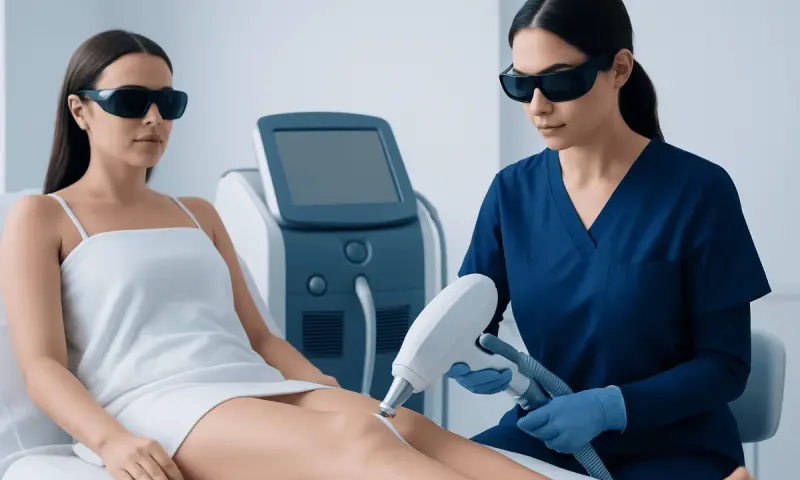
Protective eyewear is worn by the patient and treatment team. A cooling system, chilled air, or cooling gel may be used to improve comfort and protect the skin. The laser handpiece is placed over small sections of the chin, delivering brief pulses. Many people describe the feeling as a quick warm pinch or snap; the procedure for the chin is usually relatively short.
Afterward, mild redness and small bumps around follicles can occur and often settle within hours to a few days. The practitioner provides individualized aftercare instructions and schedules the next appointment according to hair growth patterns. Keeping a record of changes in hair growth can help the clinician adjust the plan safely if needed.
Recovery Timeline, Benefits, and Possible Risks
There is usually little downtime after chin laser hair removal. Most people return to usual daily activities promptly, although the skin may feel warm or look mildly flushed on the day of treatment. Gentle skin care, cool compresses if advised, and broad-spectrum sun protection can help protect healing skin. Patients should avoid heat exposure, vigorous exercise, hot baths, saunas, and irritating facial products for the period recommended by their practitioner.
Over the following days to weeks, treated hairs may appear to grow before shedding. This is often part of the treatment response rather than true new growth. Hair reduction develops over a series of sessions, and regrowth is commonly finer, lighter, or slower for many people. The main benefit is reduced reliance on repeated shaving, plucking, waxing, or depilatory products.
Possible side effects include temporary redness, swelling around follicles, tenderness, itching, or temporary pigment changes. Less commonly, blistering, burns, crusting, infection, scarring, or unexpected stimulation of fine hair growth can occur. Risks are reduced when treatment is properly assessed, settings are selected for the individual’s skin and hair, sun exposure is managed, and aftercare advice is followed.
Is Chin Laser Hair Removal Worth It?
Whether chin laser hair removal is worth it depends on the individual’s priorities, hair type, response to treatment, and tolerance for ongoing grooming. It may be worthwhile for someone who wants a longer-lasting reduction in coarse, visible hair and is prepared for several appointments. The value is often considered in relation to the time, skin irritation, and recurring expense associated with temporary methods.
It may be less satisfying for people with very light, grey, white, or red facial hair because these hairs contain less pigment for the laser to target. It is also important to consider that facial hair may be affected by hormones, so some people need periodic maintenance even after a good initial response.
During a consultation, patients can ask about expected outcomes for their particular hair and skin combination, alternatives such as electrolysis, anticipated review needs, and the full treatment plan. A clear plan helps a person decide based on likely benefit rather than on a single-session price alone.
Will Laser Permanently Remove Chin Hair?
Laser treatment is best described as long-term hair reduction, not a promise that all chin hair will be permanently removed. It can significantly reduce the number and thickness of hairs that return, particularly after a complete series of treatments. However, some follicles may remain active or recover over time.
Hormonal changes, genetics, aging, and the presence of untreated dormant follicles can all contribute to later hair growth. This is particularly relevant for facial areas, where hormone-sensitive follicles may produce new growth even after successful laser treatment. Occasional maintenance sessions can help manage this regrowth.
Electrolysis is another hair-removal method that treats individual follicles and may be considered for isolated persistent hairs or hairs with little pigment. The most suitable approach depends on the amount of hair, its color and thickness, skin characteristics, available time, and personal goals.
How Many Laser Sessions Are Needed to Get Rid of Chin Hair?
Most people need multiple laser sessions to achieve meaningful chin hair reduction because hair follicles are not all active at the same time. The exact number varies widely and should be estimated only after an in-person assessment. Sessions are commonly separated by several weeks so that newly active hairs can be treated.
Coarse, dark chin hairs may respond more readily than fine or lightly colored hairs, but response also depends on the underlying cause of growth and the device used. People with hormonal facial hair growth may require more sessions or periodic maintenance. The clinician can review progress after each appointment and adjust the schedule if appropriate.
Patients can support the plan by avoiding plucking, waxing, or threading between sessions unless advised otherwise. Shaving or carefully trimming is often permitted, but individual instructions should take priority. Avoiding sun exposure and tanning before and after treatment is also important for safe, consistent results.
Is Laser Hair Removal 100% Permanent?
No. Laser hair removal is not considered 100% permanent for every person or every follicle. It is an effective method of durable hair reduction, and many people experience a substantial long-term decrease in visible hair after completing their recommended course.
Results differ because follicles respond differently, hair can enter new growth cycles, and hormonal changes can activate additional follicles. A qualified practitioner should avoid guaranteeing complete or lifelong hair removal. Instead, they should explain the expected reduction, possible need for maintenance, and factors that may affect response.
Acıbadem Health Point’s multidisciplinary specialists and JCI-accredited hospitals can assess unwanted facial hair and discuss suitable treatment options for international patients. A clinical evaluation is particularly useful when chin hair growth is sudden, rapidly increasing, or accompanied by other hormonal symptoms.
When to Seek Medical Care
Medical advice is recommended when chin hair growth begins suddenly, becomes noticeably heavier over a short period, or occurs with symptoms such as irregular menstrual periods, acne, scalp hair thinning, unexplained weight changes, voice changes, or increased body hair. These features do not always indicate a serious problem, but they may warrant assessment for hormonal or other medical causes.
A dermatologist, endocrinologist, gynecologist, or primary care clinician may review symptoms, medicines, family history, and, when appropriate, perform tests. Addressing a contributing health condition can be an important part of a longer-term plan alongside cosmetic hair-reduction options.
Patients should also seek prompt professional advice after laser treatment if they develop severe pain, blistering, spreading redness, drainage, fever, or skin changes that do not improve as expected. Early assessment can help protect the skin and guide appropriate care.
Frequently asked questions
01What affects the cost of chin hair removal by laser?
The cost depends on whether the chin alone or a larger facial area is treated, the amount and type of hair, the laser technology, and the number of appointments expected. Clinic location, clinician expertise, consultation arrangements, and whether maintenance is included can also affect the overall plan. A personalized consultation is the most reliable way to receive an estimate.
02Does the cost of laser hair removal for chin and neck differ from chin treatment alone?
Yes. Treating the chin and neck generally covers a larger surface area and may require more treatment time than treating the chin alone. The number and density of hairs in each area can also influence the treatment plan. Patients should confirm exactly which areas are included in a quoted price.
03Can I shave chin hair between laser sessions?
Shaving or trimming is commonly allowed between sessions because it leaves the hair follicle in place for future laser treatment. Plucking, waxing, threading, and epilating are usually discouraged because they remove the hair from the follicle. The practitioner’s instructions should always be followed.
04Does laser hair removal hurt on the chin?
Sensations vary, but many people feel brief warmth, pinching, or snapping during each laser pulse. Cooling technology and short treatment times can improve comfort. If discomfort is a concern, the practitioner can discuss suitable preparation and comfort measures.
05Can laser treat dark chin hair on dark skin?
Yes, laser hair removal can be performed on darker skin when an appropriate laser device and carefully selected settings are used. Proper assessment is important because darker skin has a higher risk of pigment change if treatment is not correctly tailored. Choosing an experienced practitioner is an important safety step.
06Why is chin hair growing back after laser treatment?
Some regrowth is expected because laser provides long-term reduction rather than complete removal of every follicle. Hair growth cycles, hormonal changes, and previously inactive follicles can all contribute to new visible hair. Maintenance treatment may be recommended when regrowth is bothersome.
This article is for general information only and is not a substitute for professional medical advice. Please consult a qualified doctor about your individual situation.
Hair transplant in Turkey — costs, graft counts & a free assessment
JCI-accredited · board-certified surgeons · reply within 24h
Add us as a Preferred Source to see more of our trusted health content across Google Search, AI Overviews and Discover.