Closed Comedones: Causes and Treatment

Key Takeaways
- Closed comedones are clogged pores that remain covered by skin, which is why they often appear as small bumps rather than red pimples.
- They are usually linked to excess oil, buildup of dead skin cells, hormones, certain products, and sometimes medications or friction.
- Treatment often includes topical retinoids, salicylic acid, benzoyl peroxide, or other dermatologist-guided options.
- Picking, scrubbing, or using harsh products can worsen irritation and slow healing.
- A dermatologist can confirm the diagnosis and tailor treatment if bumps persist, spread, or leave marks.
Closed comedones are a common type of acne that form when pores become clogged beneath the skin’s surface. They often look like small skin-colored bumps and can improve with the right mix of skincare, medical treatment, and patience.
Overview
Closed comedones are one of the most familiar forms of acne, even when they are not immediately recognized as acne. They appear as small, flesh-colored or white bumps when a pore becomes blocked by oil, dead skin cells, and debris, but the opening stays covered by a thin layer of skin. Because the blockage is sealed off, the bump often looks smooth rather than inflamed.
For many people, closed comedones show up on the forehead, cheeks, chin, and jawline, though they can appear anywhere pores are active. They may be stable for a while, come and go with hormone changes or skin-care habits, or gradually develop into more inflamed acne if the clog becomes irritated.
From a clinical point of view, they sit within the “comedonal acne” spectrum, which also includes open comedones, commonly called blackheads. The good news is that closed comedones are usually manageable. With a consistent routine and, when needed, medical treatment, the skin often becomes clearer over time.
Symptoms
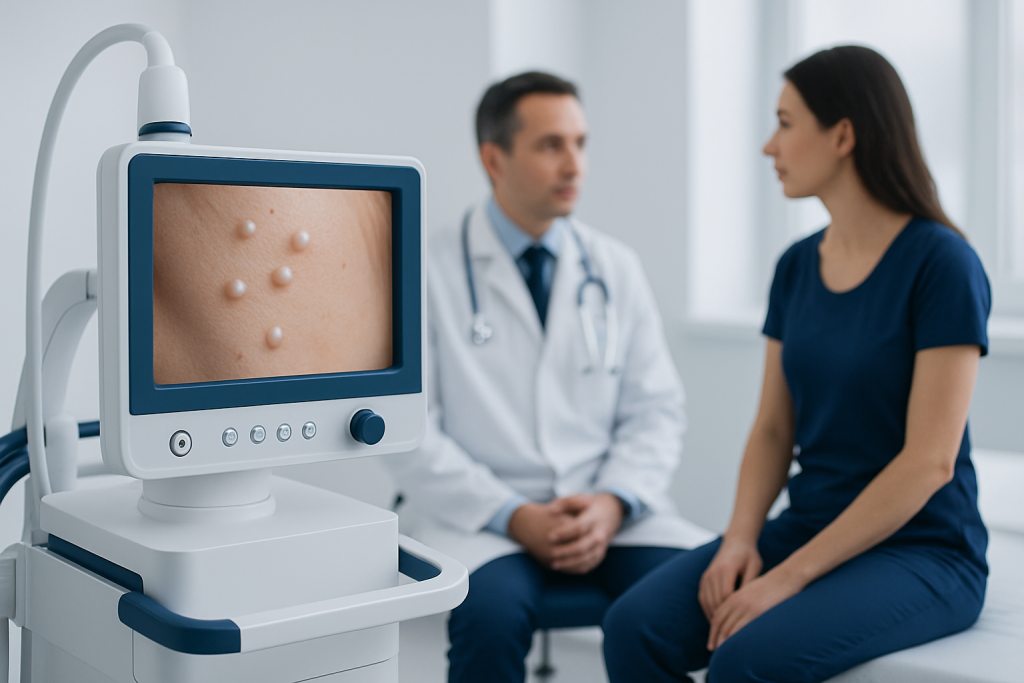
Closed comedones usually present as many tiny, raised bumps that match the surrounding skin tone or look slightly whiter than the skin. They tend to be firm, non-tender, and more noticeable under bright light or when the skin is stretched. Unlike pimples with pus, they are not open at the surface, and unlike cystic acne, they usually do not cause deep pain.
Some people notice that the bumps cluster in areas where skincare or makeup is applied most often. Others see them flare after using heavy creams, oily sunscreens, hair products that brush against the face, or occlusive products that are not well matched to their skin type. In some skin tones, they may be easier to feel than to see.
Common features may include:
- Small, skin-colored or whitish bumps
- A rough or uneven skin texture
- Clusters on the forehead, chin, cheeks, or jawline
- Minimal redness unless the area has been irritated
- Occasional progression to inflamed pimples
Because similar-looking bumps can also come from milia, folliculitis, or other skin conditions, a careful look by a dermatologist can be helpful when the pattern is unclear.
Causes & Risk Factors

Closed comedones form when the pore opening is blocked from below and the skin above it remains intact. The clog is usually made of sebum, dead skin cells, and other material that has not cleared in the normal way. This process can happen more easily when the skin produces more oil or when cell turnover is slower than usual.
Several factors can make comedones more likely. Hormonal shifts, especially during adolescence or around menstrual cycles, can increase oil production. Genetics also matter; some people naturally develop clogged pores more easily than others. Skin care and cosmetic choices can play a part too, particularly if products are rich, greasy, or layered heavily without being removed well at the end of the day.
Other contributors may include:
- Friction or occlusion from helmets, masks, straps, or headwear
- Hair products that transfer onto the forehead or temples
- Excessively harsh cleansing or exfoliation that irritates the skin barrier
- Some medications that can trigger acne-like breakouts in susceptible people
- Humidity, sweating, and repeated rubbing of the skin
Closed comedones are not caused by poor cleanliness. In fact, over-washing can make the problem worse by irritating the skin and prompting it to produce more oil.
Diagnosis
Diagnosis is usually straightforward and begins with a skin examination. A clinician typically looks at the bumps, their distribution, and whether there are signs of acne elsewhere, such as blackheads, inflamed pimples, or post-inflammatory marks. The pattern often tells the story.
In some cases, the clinician may ask about skin-care products, makeup, hair products, medications, menstrual patterns, and any recent changes in stress or routine. This history helps identify triggers and shape a treatment plan that the patient can realistically continue at home, including during travel or after returning to another country for follow-up.
Tests are not usually needed for ordinary closed comedones. However, if the presentation is unusual, persistent, or not improving as expected, a dermatologist may consider other diagnoses or look for underlying factors such as hormonal imbalance or medication-related acne. The goal is not just to name the bumps, but to match treatment to the person’s skin and daily life.
Treatment Options
Treatment for closed comedones usually aims to clear existing clogged pores and prevent new ones from forming. Because the process develops gradually, results also tend to be gradual. Most plans rely on a combination of topical treatments and consistent skin care rather than aggressive scrubbing or quick fixes.
Common medical options include topical retinoids, which help keep pores from clogging and support normal cell turnover. Other commonly used ingredients may include salicylic acid, benzoyl peroxide, azelaic acid, or combinations chosen by a dermatologist based on skin sensitivity and whether inflammation is also present. In some people, especially when acne is broader or hormonally influenced, additional prescription treatments may be considered.
Professional procedures can be useful in selected cases. A dermatologist may perform careful comedone extraction or recommend procedures that complement medical therapy, but these are usually part of a broader plan rather than a stand-alone solution. If someone is traveling for care, it is helpful to discuss how follow-up, medication access, and skin monitoring will be handled after the initial visit.
Typical treatment approaches may include:
- Topical retinoids
- Salicylic acid-based products
- Benzoyl peroxide for acne with inflammatory lesions
- Azelaic acid for clogged pores and post-acne marks
- Targeted comedone extraction by a trained clinician
It is important to avoid forcing bumps open at home. Picking can worsen inflammation, increase the risk of dark marks or scarring, and introduce infection.
Prevention & Self-care
Daily habits can make a meaningful difference, especially when they are steady rather than intense. A gentle cleanser, a non-comedogenic moisturizer, and sunscreen suited to the skin type often provide a better foundation than multiple harsh treatments. The aim is to protect the skin barrier while reducing pore blockage.
Patients often do best when they simplify rather than complicate the routine. Heavy layering of oils, occlusive creams, or multiple exfoliating products can backfire. It can also help to check hair care products, makeup, and sunscreen labels for compatibility with acne-prone skin. If a product seems to trigger bumps, changing one item at a time makes it easier to identify the culprit.
Practical self-care tips include:
- Wash the face gently twice daily and after heavy sweating
- Choose non-comedogenic cosmetics and moisturizers
- Avoid scrubbing, pore strips, and aggressive exfoliation
- Remove makeup thoroughly at the end of the day
- Keep helmets, masks, and phone surfaces as clean as practical
- Use new actives slowly if the skin is sensitive
For international patients, continuity matters. If treatment begins before travel or during a stay abroad, it is wise to keep a list of products used, note any irritation, and bring clear photos of the skin for follow-up visits. That makes it easier for a doctor to adjust the plan safely.
When to See a Doctor
It is sensible to see a doctor if the bumps are persistent, spreading, or becoming inflamed. A visit is also useful if the skin is not improving after several weeks of thoughtful self-care, or if the bumps are affecting confidence, makeup use, or daily comfort. Early guidance can prevent a cycle of trial-and-error that irritates the skin further.
Medical review is especially important if the bumps are painful, very itchy, associated with hair loss or facial swelling, or not behaving like ordinary comedones. A clinician should also evaluate skin changes that appear suddenly after starting a new medication or product. When in doubt, a dermatologist can distinguish closed comedones from other conditions that look similar but are treated differently.
Acibadem Health Point’s multidisciplinary specialists and JCI-accredited hospitals diagnose and treat closed comedones for international patients, with care plans that can be coordinated around travel and follow-up needs.
Living With Closed Comedones Long Term
Closed comedones often improve best when treatment is viewed as skin maintenance rather than a one-time event. Even after the bumps clear, many people need a simple routine that prevents new clogs from forming. This is especially true for skin that is naturally oily or prone to acne.
It can help to keep expectations realistic. Some products need weeks to show benefit, and the skin may go through a short adjustment period as treatment begins. A gradual, supervised approach usually works better than starting everything at once, particularly for patients who are managing care while abroad or balancing different climates and routines.
With the right combination of patience, gentle habits, and medical guidance when needed, closed comedones are usually controllable. The goal is not perfect skin, but calmer, smoother skin that is easier to maintain.
Frequently asked questions
01Are closed comedones the same as whiteheads?
Yes, the term whitehead is commonly used for a closed comedone. The pore is clogged but still covered by skin, which is why it looks like a small pale bump rather than an open dark spot.
02Can closed comedones go away on their own?
Some may improve over time, but many persist unless the skin-care routine changes or treatment is used. A steady plan is usually more effective than waiting for them to disappear without support.
03What ingredients help most with closed comedones?
Topical retinoids are often one of the most useful options because they help prevent pores from clogging. Salicylic acid, azelaic acid, and other dermatologist-recommended treatments may also help depending on skin sensitivity and acne type.
04Is it safe to squeeze closed comedones?
It is better not to squeeze them at home. Picking can push inflammation deeper, cause dark marks, and increase the chance of scarring or infection.
05Can makeup or sunscreen worsen closed comedones?
Some formulas can contribute, especially if they are heavy or not suited to acne-prone skin. Non-comedogenic products are usually a better choice, but the full routine matters more than one product alone.
06How long does treatment usually take?
Improvement often takes time because clogged pores develop gradually and clear gradually. A dermatologist can set expectations and adjust treatment if the skin is too irritated or not responding well.
This article is for general information only and is not a substitute for professional medical advice. Please consult a qualified doctor about your individual situation.
Hair transplant in Turkey — costs, graft counts & a free assessment
JCI-accredited · board-certified surgeons · reply within 24h
Add us as a Preferred Source to see more of our trusted health content across Google Search, AI Overviews and Discover.