Inverse Psoriasis: Symptoms, Causes and Treatment

Key Takeaways
- Inverse psoriasis usually affects warm, moist skin folds and may look red, smooth, and sore rather than flaky.
- It can be confused with eczema, yeast infections, friction rash, or other fold-related skin conditions.
- Diagnosis is typically based on a clinical skin examination and sometimes additional tests to rule out similar problems.
- Treatment often includes topical medications, gentle skin care, and reducing sweating, friction, and irritation in affected areas.
- People with frequent, painful, or recurring fold rashes should seek medical advice for an accurate diagnosis and a tailored plan.
Inverse psoriasis is a form of psoriasis that tends to appear in skin folds such as the armpits, groin, under the breasts, or around the buttocks. Because it often looks smooth and shiny rather than scaly, it may be mistaken for a rash, fungal infection, or irritation, so a careful medical evaluation can be helpful.
Overview
Inverse psoriasis is a type of psoriasis that shows up in places where skin touches skin: the armpits, groin, under the breasts, between the buttocks, or around the genital area. Unlike the thick, scaly plaques many people associate with psoriasis, inverse psoriasis often appears smoother, brighter red, and more irritated because the warm, moist environment of skin folds changes how the rash looks.
For patients, the most challenging part is often uncertainty. A fold rash can feel private, persistent, and easy to dismiss as chafing or a temporary irritation. Yet inverse psoriasis is a real inflammatory skin condition, and the right diagnosis matters because treatment is different from the care used for fungal rashes, simple intertrigo, or contact dermatitis.
It can occur on its own, but it also may appear in people who have psoriasis elsewhere on the body or a family history of the disease. Some patients notice it flares with stress, illness, friction, sweating, or skin injury. Because the area involved is sensitive, even mild inflammation can feel disproportionately uncomfortable and affect daily routines, intimacy, exercise, and travel comfort.
Symptoms
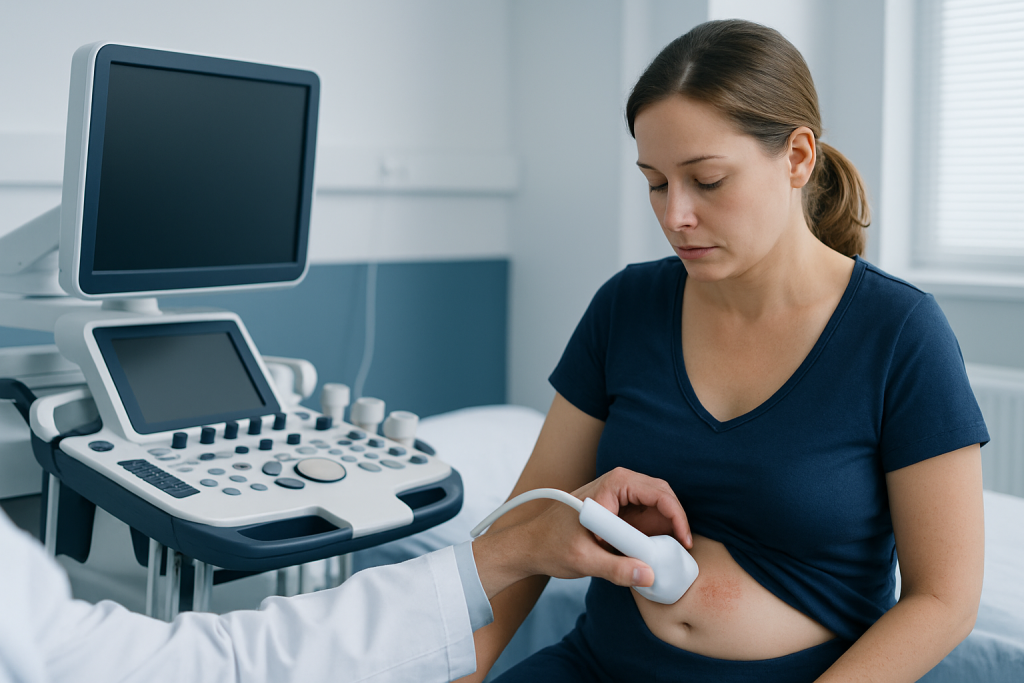
The classic clue is a well-defined red or pink patch in a skin fold. The surface is often smooth, shiny, and moist-looking, with little visible scaling. In some people, the skin may crack, sting, burn, or become tender, especially after sweating, shaving, or rubbing from clothing.
Common symptom patterns include:
- Red, inflamed patches in folds such as the armpits, groin, under the breasts, or buttocks
- Minimal flaking compared with plaque psoriasis
- Itching, soreness, burning, or tenderness
- Cracks or fissures in irritated areas
- Discomfort that worsens with heat, sweat, or friction
Inverse psoriasis can sometimes look less dramatic than it feels. A small patch in a sensitive area may cause ongoing irritation, embarrassment, or sleep disturbance. Because the appearance overlaps with several other skin conditions, a rash that keeps returning or does not respond to basic over-the-counter care deserves medical attention.
Causes & Risk Factors

Inverse psoriasis is part of the broader psoriasis family, an immune-mediated condition in which the skin renews itself too quickly and becomes inflamed. The exact reason one person develops psoriasis and another does not is not fully understood, but genetic predisposition and immune system behavior both play important roles.
Several factors can make inverse psoriasis more likely to appear or become more noticeable. These include having psoriasis elsewhere on the body, a family history of psoriasis, higher body weight, friction in skin folds, excessive sweating, skin injury, and periods of stress. Some infections, medications, or hormonal changes may also influence flares in susceptible people.
Skin folds are a unique setting because moisture and rubbing can intensify irritation. That means the same underlying condition may look different in different people. In an international-patient setting, this is one reason clinicians take time to ask about climate, activity level, recent travel, clothing habits, and previous treatments, since these details can help separate psoriasis from infections or contact reactions.
Diagnosis
Diagnosis usually starts with a conversation and a close skin examination. A clinician will often ask when the rash began, whether it itches or burns, if there are similar patches elsewhere on the body, and whether anyone in the family has psoriasis. The pattern, location, and appearance of the rash often provide strong clues.
Because inverse psoriasis can resemble yeast infections, tinea cruris, intertrigo, eczema, or contact dermatitis, the doctor may recommend a simple test to rule out other causes. This might include a skin scraping, swab, or rarely a biopsy if the diagnosis is uncertain or the rash does not respond as expected. The goal is not to over-test, but to avoid treating the wrong condition for too long.
For patients traveling for care, bringing photos of earlier flares and a list of products already tried can be very helpful. Information about prior diagnoses, topical creams, and whether the rash improves or worsens with certain activities can save time and support a more precise plan.
Treatment Options
Treatment is usually individualized and aims to calm inflammation while protecting delicate fold skin. Topical therapies are often the first step. A clinician may choose a mild anti-inflammatory cream or ointment suitable for sensitive areas, and in some cases a nonsteroidal topical option may be recommended. Because skin folds absorb medication differently, treatment choices are made carefully to reduce the risk of irritation or side effects.
If infection is also present, it may need to be treated at the same time, since fold rashes can be complicated by yeast or bacterial overgrowth. For more persistent or widespread psoriasis, a dermatologist may discuss other prescription options, including therapies that address the immune process more broadly. The best plan depends on how extensive the psoriasis is, how often flares occur, and what other health factors are involved.
Practical treatment goals often include:
- Reducing inflammation and discomfort
- Preventing secondary infection
- Choosing products that are gentle on sensitive skin
- Lowering the chance of repeated flares
- Coordinating follow-up if symptoms do not settle as expected
When patients seek care internationally, a thoughtful follow-up plan matters almost as much as the initial prescription. A dermatologist may explain what improvement should look like, when to reassess, and how to continue care after returning home. In the right setting, multidisciplinary specialists and JCI-accredited hospitals such as Acibadem Health Point can diagnose and treat inverse psoriasis for international patients in a coordinated way.
Prevention & Self-care
Inverse psoriasis cannot always be prevented, but day-to-day habits can make flares less frequent and less uncomfortable. The skin in folds is sensitive, so the emphasis is usually on comfort, dryness without harshness, and avoiding repeated irritation. Small changes often make a meaningful difference over time.
Helpful self-care measures may include wearing loose, breathable clothing; changing out of sweaty clothes promptly; using fragrance-free cleansers and moisturizers; patting skin dry after bathing; and avoiding aggressive scrubbing. Some people benefit from keeping skin folds dry with gentle absorbent fabric or clinician-recommended drying measures. If friction is a major trigger, reducing rubbing from seams, sports gear, or tight waistbands can help.
It is also wise to resist the urge to self-treat repeatedly with strong over-the-counter products. In skin folds, some creams can sting, worsen irritation, or mask a fungal infection. If the rash keeps recurring, a clinician can help distinguish true inverse psoriasis from similar conditions and suggest a safer routine for long-term skin care.
When to See a Doctor
A medical evaluation is a good idea when a fold rash lasts more than a short time, returns often, spreads, becomes painful, or fails to improve with gentle care. This is especially important if the rash is in the groin or under the breasts, where several different conditions can look alike but need different treatment approaches.
Prompt assessment is also sensible if there are signs of infection, such as increasing warmth, swelling, drainage, crusting, fever, or rapidly worsening discomfort. People who already have psoriasis elsewhere, or who notice new rashes after starting a medication, should mention that to the clinician. Clear answers often come from combining the skin exam with a careful history rather than relying on appearance alone.
For patients who are planning care while traveling, it is reasonable to seek a dermatology opinion before departure if the rash is active or the diagnosis is uncertain. That gives time to confirm the condition, start treatment appropriately, and arrange follow-up in a way that fits the journey home.
Living With Inverse Psoriasis
Inverse psoriasis can be frustrating because it involves areas that are difficult to keep dry, difficult to ignore, and sometimes difficult to discuss. Still, many people do well once the condition is correctly identified and the treatment plan is matched to the location. The skin in folds often responds best to steady, careful management rather than frequent product changes.
Keeping track of triggers can be especially useful. Notes about sweating, exercise, shaving, heat, stress, clothing, and previous treatments may reveal patterns that are easy to miss from memory alone. For some patients, the most practical approach is a simple routine: gentle cleansing, dryness, prescribed treatment when needed, and timely review if flares keep returning.
With the right diagnosis and follow-up, inverse psoriasis can usually be managed in a way that supports comfort, confidence, and normal daily activity. A dermatologist can help determine whether the rash is truly inverse psoriasis or something similar, and then guide the next steps with clarity.
Frequently asked questions
01How is inverse psoriasis different from plaque psoriasis?
Inverse psoriasis usually appears in skin folds and often looks smooth, red, and shiny rather than thick and scaly. Plaque psoriasis more commonly forms dry, raised patches with silvery scale on areas like the elbows, knees, or scalp. Both are forms of psoriasis, but their appearance and treatment approach can differ.
02Can inverse psoriasis be mistaken for a fungal infection?
Yes. In skin folds, inverse psoriasis can resemble yeast or fungal rashes because both may cause redness and irritation in moist areas. A clinician may check for infection if the diagnosis is not clear, since treatment depends on the true cause.
03What triggers inverse psoriasis flares?
Common triggers include friction, sweating, heat, stress, skin injury, and sometimes illness or medication changes. Some people also notice worsening when clothing is tight or when the skin is irritated by harsh soaps or products. Triggers can vary from person to person.
04Is inverse psoriasis contagious?
No, inverse psoriasis is not contagious. It is an inflammatory skin condition related to the immune system, not an infection that spreads from person to person. Touching the rash, sharing a room, or being near someone with psoriasis does not cause it to spread.
05Can inverse psoriasis clear on its own?
It may come and go, but it often returns if the underlying inflammation is not addressed. Gentle skin care can help, but persistent or recurrent rashes usually need medical treatment. A dermatologist can recommend an approach that is suitable for sensitive fold skin.
06Should someone travel for treatment if they have inverse psoriasis?
Travel for treatment can make sense if the diagnosis is uncertain, the rash is recurring, or the person wants specialist input before a trip or after one. A dermatologist can confirm the condition, rule out similar rashes, and explain how to continue care safely after returning home.
This article is for general information only and is not a substitute for professional medical advice. Please consult a qualified doctor about your individual situation.
Explore treatments in Turkey — costs, top hospitals & a free quote
JCI-accredited · board-certified surgeons · reply within 24h
Add us as a Preferred Source to see more of our trusted health content across Google Search, AI Overviews and Discover.