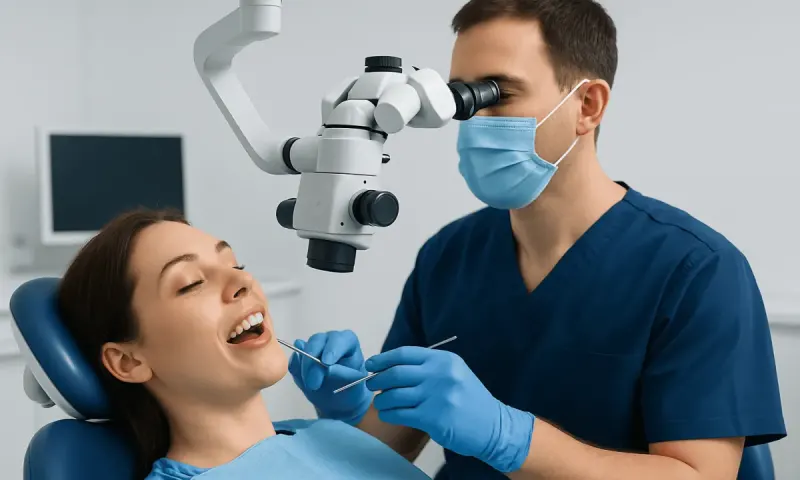
Teeth Piercing: Effects on Enamel and Gum Health
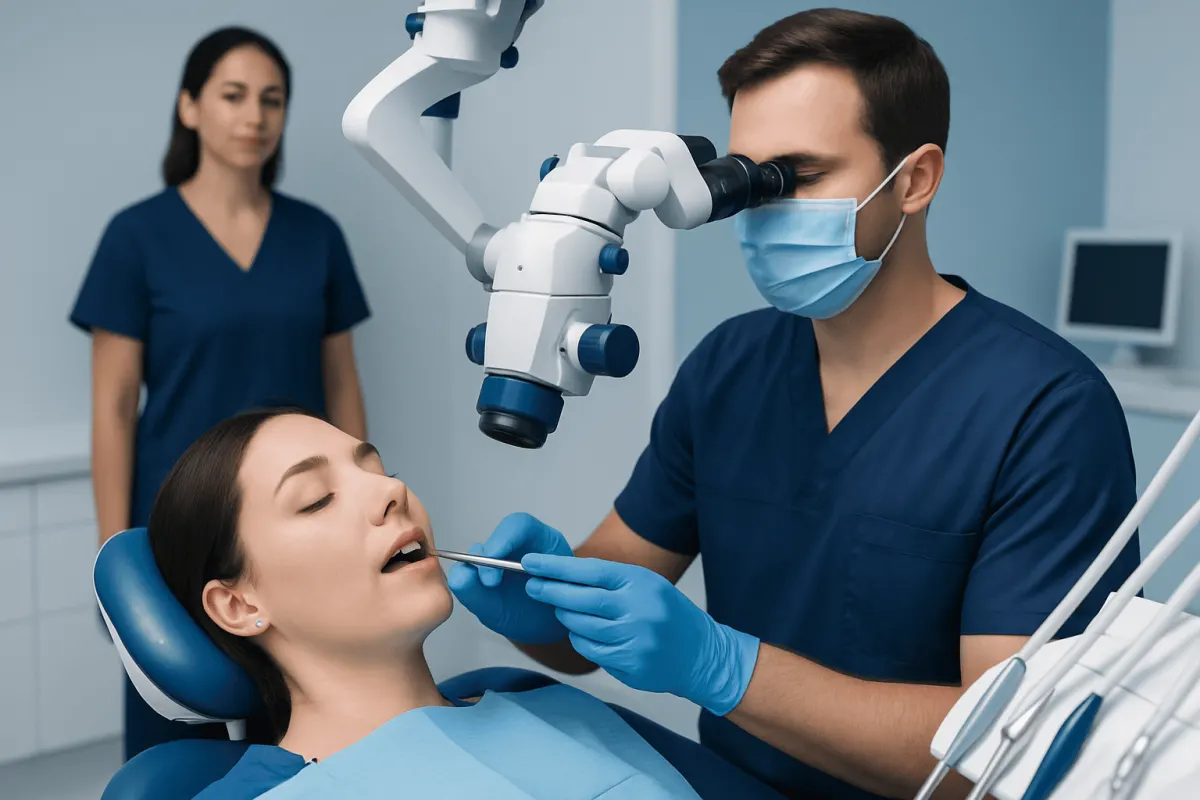
Teeth piercing usually refers to decorative jewelry, such as a tooth gem, bonded to the surface of a tooth rather than a hole drilled through it. Although it may appear simple, it can affect enamel, plaque buildup, bite comfort and gum health, making dental assessment and professional placement or removal the safest approach.
Teeth Piercing: What It Means and Why Dental Advice Matters
Teeth piercing generally describes placing decorative jewelry on or through a tooth. In everyday use, it most often means a small gem, crystal or metal decoration bonded to the front of a tooth. A true piercing that creates a hole in the tooth is much more invasive and is not a routine cosmetic dental procedure.
Tooth jewelry may be chosen for appearance, but teeth are living structures covered by enamel, the hard protective outer layer. Any alteration, adhesive or added surface can influence cleaning, comfort and the health of nearby gums. A dentist can help a person understand whether their teeth and gums are healthy enough for cosmetic bonding and discuss less damaging alternatives when needed.
In general, professionally placed, removable tooth jewelry may be less harmful than drilling or using non-dental adhesives. However, no decorative attachment is entirely risk-free. The safest decision depends on the tooth’s condition, existing dental work, oral hygiene habits and whether the jewelry interferes with the bite.
Types of Tooth Jewelry and Procedures
Surface-bonded tooth gems are the most common type of teeth piercing. A small ornament is attached to enamel using dental materials similar to those used for some orthodontic attachments. The tooth is usually cleaned, prepared minimally and dried before the decoration is bonded. The process should not require drilling into healthy enamel.
Some people seek jewelry that is inserted through a tooth, embedded within it or placed near the gumline. These approaches may require drilling, tooth reduction or invasive work close to the pulp, which contains nerves and blood vessels. They can raise the risk of pain, sensitivity, cracking, infection and future restorative treatment.
Jewelry should not be attached to a tooth with cavities, cracks, heavy plaque buildup, active gum disease, braces or unstable dental restorations unless a dentist has evaluated the situation. Decorations may also be unsuitable on crowns, veneers or fillings because the bonding behavior and risk of damage differ from natural enamel.
- Bonded gem: attached to the outer tooth surface and intended to be removable by a dental professional.
- Metal accessory: may be bulkier and more likely to catch on food, lips or oral tissues.
- Drilled or embedded jewelry: involves loss of tooth structure and generally has more significant dental risks.
Potential Risks to Teeth, Gums and Oral Health
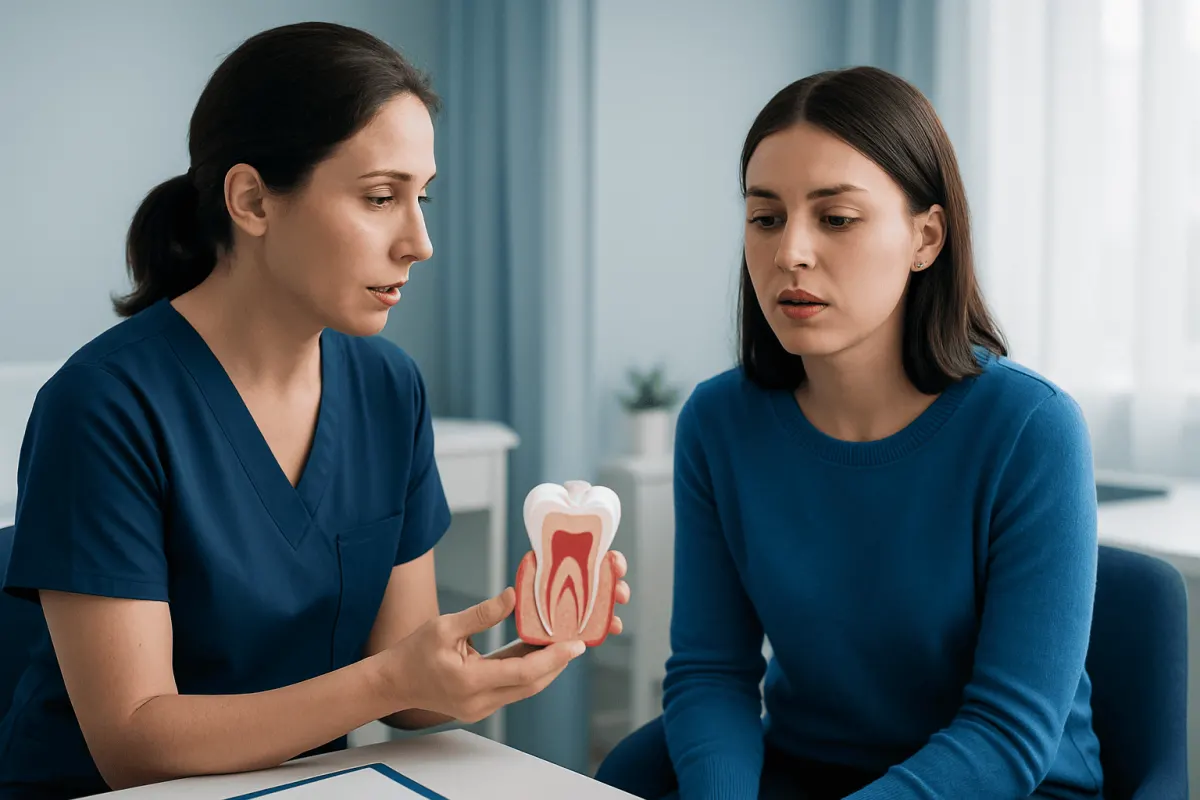
The main concern with teeth piercing is damage to enamel. Enamel does not regrow once it has been lost. A poorly applied gem, a rough edge, excessive adhesive or forceful removal can leave scratches, surface irregularities or weakened areas that may be more difficult to clean.
Jewelry can also trap food debris and plaque around its edges. Plaque is a sticky layer of bacteria that contributes to tooth decay and gum inflammation when it is not removed effectively. If brushing is difficult around the accessory, a person may develop bad breath, bleeding gums, early gum disease or cavities near the attachment site.
A gem or metal ornament can rub against the lips, cheeks, tongue or neighboring teeth. This may cause irritation, small sores, altered speech or discomfort when eating. If a decoration changes the way the teeth come together, repeated pressure may contribute to tooth wear, jaw discomfort or damage to the jewelry and tooth.
There is also a small but important risk of swallowing or inhaling a loose item. Loose jewelry should not be pushed back into place at home. A dentist can assess the tooth and remove residual bonding material safely if needed.
Who Should Avoid Teeth Piercing or Delay It
A cosmetic tooth decoration should be postponed when there are untreated dental problems. These include tooth decay, tooth pain, enamel erosion, cracked teeth, gum bleeding, swelling, loose teeth or signs of infection. Addressing the underlying concern first protects long-term oral health and may prevent symptoms from becoming more serious.
People with braces, clear aligner attachments, retainers or other orthodontic appliances should ask their orthodontist before considering tooth jewelry. A gem may interfere with appliance fit, movement of the teeth or cleaning. Similarly, people with crowns, veneers, large fillings or dental implants need individualized advice because adhesive and removal methods may damage these surfaces.
Children and adolescents should involve a parent or guardian and a dental professional. Their teeth and bite may still be developing, and consistent oral hygiene is especially important. People who grind or clench their teeth, participate in contact sports, or have frequent mouth trauma may be at greater risk of dislodging jewelry or chipping a tooth.
Anyone with recurrent mouth sores, significant dry mouth, uncontrolled diabetes, a weakened immune system or a history of gum disease should discuss the decision with their dentist or physician. These factors may affect healing, infection risk or the ability to maintain healthy oral tissues.
Safer Placement, Daily Care and Removal
If someone chooses tooth jewelry, placement by a qualified dental professional is preferable to salon-based or do-it-yourself application. Dental professionals use materials designed for oral use, assess tooth and gum health, and can avoid unnecessary enamel alteration. They can also explain realistic expectations about durability and removal.
Good daily oral hygiene becomes even more important. Teeth should be brushed twice daily with fluoride toothpaste, including carefully around the edges of the decoration. Cleaning between teeth every day with floss or an interdental cleaner helps reduce plaque where a toothbrush may not reach. Regular dental examinations allow early detection of decay, gum irritation or enamel changes.
People should avoid picking at the jewelry, biting hard objects, using teeth to open packaging or applying household glue if it comes loose. Sticky foods and very hard foods may pull on the accessory or place extra force on the tooth. If the decoration catches on the lip or feels rough, it should be assessed rather than filed or trimmed at home.
Removal is best performed by a dentist. The clinician can detach the item and polish away bonding material while preserving as much enamel as possible. Attempting to pry off a gem can chip the tooth or create a rough surface that collects plaque.
When to Seek Medical Care
A person should arrange a dental appointment promptly if they develop new tooth sensitivity, pain on biting, persistent bad breath, bleeding gums, swelling, a mouth sore that does not improve, or a change in the way their teeth meet after getting jewelry. A loose decoration also needs timely assessment because it may be swallowed or inhaled and can damage the tooth if it moves.
Urgent dental or medical care is appropriate for facial swelling, fever, severe or worsening pain, pus, difficulty swallowing, difficulty breathing, or rapidly spreading redness. These symptoms can indicate an infection or another problem that requires prompt evaluation.
People with gum tenderness, bleeding or recession should not assume the jewelry is the only cause. A dental examination can identify concerns such as gum disease or tooth decay and guide appropriate care. Early assessment often makes treatment simpler and helps protect natural teeth.
Making an Informed Cosmetic Choice
Before getting teeth piercing or tooth jewelry, it is useful to ask whether the procedure requires drilling, what bonding materials will be used, how it will be removed, and how the provider will protect enamel. A reputable dental professional should be comfortable discussing possible risks as well as cosmetic goals.
For people who already have concerns about the appearance, position or condition of their teeth, a dental consultation can clarify whether another option would better support oral health. Cosmetic choices should not replace evaluation and treatment of decay, gum problems, fractures or bite concerns.
Acıbadem Health Point’s multidisciplinary specialists and JCI-accredited hospitals can assess dental and oral health concerns and discuss appropriate care options for international patients. The goal is to preserve healthy tooth structure and help each person make an informed decision with a qualified clinician.
Frequently asked questions
01Does teeth piercing damage teeth?
It can. Surface-bonded tooth gems may be less invasive than drilled jewelry, but poor application, abrasive removal or plaque buildup can still damage enamel or gums. Drilling into a tooth removes healthy structure and carries greater risks.
02Are tooth gems safe?
A tooth gem may be safer when it is placed and removed by a qualified dental professional on a healthy tooth. It still requires careful brushing, cleaning between the teeth and regular dental checks. DIY placement and non-dental glues increase the chance of enamel damage and irritation.
03Can a dentist remove a tooth gem?
Yes. A dentist can usually remove a surface-bonded gem and carefully polish away remaining adhesive. Professional removal is recommended because pulling, scraping or filing the gem at home can chip or scratch enamel.
04How long can tooth jewelry stay on?
How long it remains attached varies with the material, bonding method, bite forces, diet and oral hygiene. It should be checked if it feels loose, rough or uncomfortable. A dentist can advise whether it should be removed based on the tooth and gum condition.
05Can tooth gems cause cavities?
The gem itself does not directly cause a cavity, but it can create an area that is harder to clean. Plaque and food particles may gather around the edges, increasing the risk of decay if hygiene is not thorough. Fluoride toothpaste and regular dental care are important.
06What should someone do if tooth jewelry falls off?
They should avoid trying to glue it back on. If possible, they can keep the item away from children and arrange a dental visit to check the tooth and remaining adhesive. Immediate medical attention is needed if there is choking, breathing difficulty or suspected inhalation.
This article is for general information only and is not a substitute for professional medical advice. Please consult a qualified doctor about your individual situation.
Explore treatments in Turkey — costs, top hospitals & a free quote
JCI-accredited · board-certified surgeons · reply within 24h
Add us as a Preferred Source to see more of our trusted health content across Google Search, AI Overviews and Discover.