Chin Lift Cost: What Affects Your Treatment Price
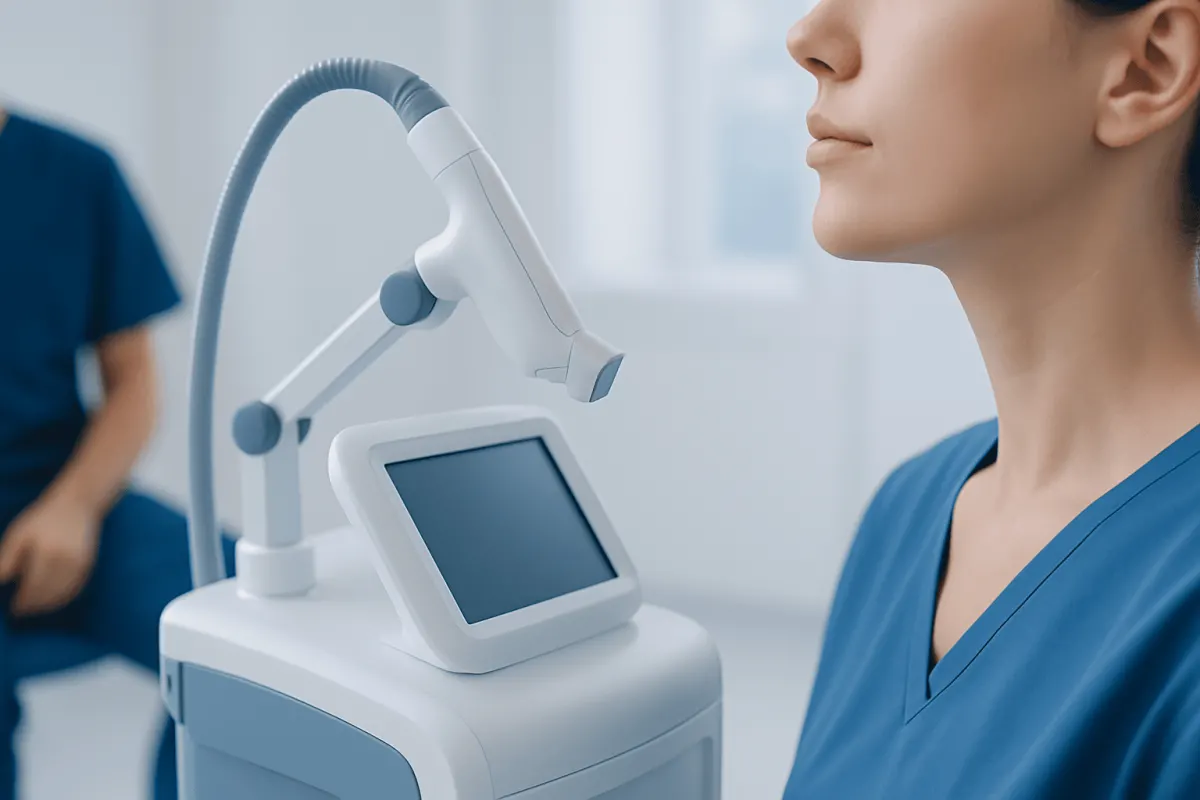
Chin lift cost is not one fixed amount because treatment may involve a neck lift, chin augmentation, liposuction, skin tightening, or a combined facial procedure. A written treatment plan should explain the professional, facility, anaesthesia, testing, aftercare and potential revision-related costs before a patient decides.
Chin lift cost: what does the price include?
Chin lift cost varies because “chin lift” is not a single standard operation. It may refer to a neck lift that tightens loose neck tissues, submental liposuction to reduce fat beneath the chin, a chin implant to improve projection, or a combined procedure designed to refine the jawline and neck. The most useful estimate is therefore a personalised quotation based on the technique needed to address the individual’s anatomy and goals.
A complete quote commonly considers the surgeon’s professional fee, anaesthesia, operating-room or hospital facility charges, pre-operative assessment, laboratory tests when needed, compression garments, prescribed medicines and scheduled follow-up visits. Travel, accommodation, time away from work, additional treatments and possible revision surgery may be separate expenses. Patients should ask for an itemised written plan and clarify which elements are included before committing to surgery.
Price should not be the only consideration. The surgeon’s qualifications, the safety standards of the facility, clear communication about expected results and access to follow-up care are important parts of value. A consultation is also an opportunity to discuss whether surgery is appropriate or whether a less invasive approach could meet the patient’s goals.
How chin and neck contouring procedures work
The chin, jawline and neck form a connected facial profile. Changes in one area can affect the appearance of the others, so a surgeon assesses chin projection, fat distribution, skin elasticity, muscle bands, jaw shape and facial proportions rather than focusing on the chin alone.
A neck lift typically uses discreet incisions around the ears and sometimes beneath the chin. The surgeon may tighten the platysma muscle, reposition deeper tissues, remove or redistribute fat and trim excess skin where appropriate. Submental liposuction may be suitable when fullness under the chin is mainly caused by localised fat and the skin has enough elasticity to contract.
When a recessed chin contributes to a less defined profile, chin augmentation with an implant or another technique may be discussed. Some patients benefit from combined facial procedures, while others obtain a balanced result with a single targeted treatment. The best approach should follow an in-person examination and a conversation about realistic, natural-looking goals.
Who may be a candidate for a chin lift?

Potential candidates are adults who are bothered by a soft jawline, loose neck skin, visible neck bands, fullness below the chin or weak chin projection. They should be in generally good health, have stable weight where possible and understand that surgery can improve contour but cannot stop natural ageing.
Skin quality is important. Younger people with firm, elastic skin and localised submental fat may be candidates for liposuction alone, while people with notable skin laxity or muscle banding may need a more comprehensive neck lift. A weak chin may call for an assessment of bite, teeth and jaw structure before cosmetic augmentation is considered.
Smoking and nicotine exposure can impair healing and raise complication risks. Certain medical conditions, medicines, bleeding concerns, previous facial surgery and a history of poor wound healing should be discussed openly. A qualified surgeon may recommend postponing treatment, selecting a different approach or obtaining medical clearance when this is safer.
What happens during the procedure and recovery?
Before surgery, the team reviews medical history, current medicines, allergies and expectations. The surgeon examines the face and neck, explains incision placement and discusses the likely scope of correction. Photographs and, in some cases, planning images may help support a shared discussion, but they do not guarantee an exact outcome.
Chin and neck contouring procedures are commonly performed with anaesthesia selected according to the operation and the patient’s health. During a neck lift, the surgeon creates planned incisions, adjusts underlying tissues, manages excess fat or skin as required and closes the incisions carefully. A supportive dressing or compression garment may be applied after surgery.
Bruising, swelling, tightness and temporary numbness are common during early healing. Many patients need time away from normal social and work activities, but the timing varies with the procedure, healing rate and job demands. Swelling improves gradually over weeks, and contour refinement can continue for several months. The surgical team provides individual instructions on wound care, activity, sleeping position, sun protection and follow-up.
- Early recovery focuses on rest, garment use if prescribed and protecting incisions.
- Strenuous exercise, heavy lifting and activities that raise blood pressure are usually restricted temporarily.
- Patients should attend follow-up appointments so healing and scar maturation can be monitored.
Benefits and risks to consider
A successful chin or neck-contouring procedure may create a clearer transition between the chin, jaw and neck, reduce the appearance of excess skin or fullness, and improve facial balance. Results are individual and depend on anatomy, tissue quality, the chosen operation and the normal healing process. Although surgery can provide lasting structural improvement, future ageing and weight changes can still affect the area.
All surgery has risks. These can include bleeding, infection, fluid collection, delayed wound healing, visible or unfavourable scarring, prolonged swelling, numbness, asymmetry, contour irregularities, changes in skin sensation and dissatisfaction with the cosmetic result. Anaesthesia also carries risks, which should be reviewed during pre-operative assessment.
Rarely, further treatment or revision surgery may be needed. Choosing an appropriately trained plastic surgeon, following preparation and recovery instructions, and reporting unexpected symptoms promptly can help reduce avoidable risks. Patients should be wary of promises of perfect symmetry, permanent freedom from ageing or guaranteed results.
How much does a chin lift usually cost?
There is no universal usual cost for a chin lift because the term covers several procedures with very different levels of complexity. A limited fat-removal procedure, a formal neck lift and chin augmentation can involve different operating times, anaesthesia needs, materials, recovery support and facility requirements. Costs also differ between countries, cities and clinical settings.
The most accurate way to understand expected expense is to request a tailored, itemised estimate after an examination. Patients may wish to ask whether the quotation includes consultation fees, surgeon and anaesthesia fees, operating-room or hospital charges, implants if applicable, routine follow-up, garments, pathology where relevant and the likely cost of any additional care.
Comparing estimates is reasonable, but like-for-like comparison matters. A lower initial quote may not include anaesthesia, hospital costs, follow-up appointments or care for complications. The decision should be based on safety, professional expertise, transparency and whether the plan appropriately addresses the patient’s goals, not on price alone.
Are neck lifts worth the money?
Whether a neck lift feels worthwhile is a personal decision rather than a purely financial one. Some people value a more defined neck and jawline and feel the improvement justifies the cost and recovery. Others may prefer non-surgical options, accept gradual age-related changes, or decide that the likely benefit does not match their priorities.
Patients can make a more informed decision by defining what they wish to change, learning which concerns surgery can realistically address and considering the full commitment involved. This includes the financial cost, Neck Surgery Recovery Time?" class="ahp-ilk">recovery time, temporary restrictions, scars, possible risks and the fact that results develop gradually rather than immediately.
A consultation should include a candid discussion of alternatives, including observation, skin-care measures, weight stability where relevant and non-surgical treatments when suitable. A surgeon who explains limitations and recommends against unnecessary surgery supports sound decision-making.
What age is best for a chin lift?
There is no single best age for a chin lift. Candidacy is guided by facial anatomy, skin elasticity, the cause of the concern, general health and personal goals. A younger adult may seek treatment for inherited submental fullness or a recessed chin, while an older adult may be more concerned about skin laxity, muscle banding or changes associated with ageing.
For patients with localised fat and good skin recoil, a less extensive procedure may be considered. For people with more advanced laxity, a neck lift may offer a more suitable structural correction than treatments that only target fat. The surgeon evaluates the individual rather than using age alone as a rule.
It is often sensible to consider surgery when the concern is stable, the patient can plan adequate recovery and expectations are well considered. Significant weight changes can alter neck contour, so patients who are actively losing or gaining substantial weight may be advised to wait until their weight is more stable.
How to get insurance to pay for a neck lift?
Most neck lifts performed to improve appearance are considered cosmetic and are not usually covered by health insurance. Insurance policies and national health systems vary, so patients should not assume coverage based on information from another country, provider or procedure.
Coverage may occasionally be considered when surgery is part of medically necessary reconstruction, treatment after trauma, cancer-related surgery or correction of a functional problem. In these situations, the insurer may require medical records, photographs, specialist documentation, pre-authorisation and confirmation that the planned procedure meets its specific criteria.
Patients should contact their insurer directly before scheduling treatment and ask for the policy’s written requirements. The surgical office may help provide clinical documentation, but approval decisions are made by the insurer. If coverage is declined, patients can ask about the reason, appeal processes and self-pay estimates without feeling pressured to proceed.
When to seek medical care
Anyone considering chin or neck surgery should arrange a consultation with a qualified plastic surgeon or appropriate specialist. Medical assessment is particularly important when neck fullness appears suddenly, is one-sided, painful, associated with a lump, or accompanied by swallowing, breathing, voice or unexplained weight-change concerns. These symptoms should not be assumed to be cosmetic.
After a procedure, the surgical team should be contacted promptly for increasing pain, rapidly worsening swelling, persistent bleeding, fever, drainage, shortness of breath, chest pain or any symptom that feels concerning. Emergency services should be used for severe breathing difficulty, chest pain, fainting or signs of a serious allergic reaction.
Acıbadem Health Point’s multidisciplinary specialists and JCI-accredited hospitals diagnose and treat concerns affecting the face and neck for international patients. A careful assessment can clarify whether cosmetic contouring, medical evaluation or another form of care is most appropriate.
Frequently asked questions
01What is included in chin lift cost?
Costs may include the surgeon’s fee, anaesthesia, operating-room or hospital charges, pre-operative assessment, garments and follow-up care. What is included varies by provider and location, so patients should request an itemised written estimate. Travel, accommodation, medicines and revision procedures may be separate.
02Is a chin lift the same as a neck lift?
Not always. A chin lift is an informal term that may describe treatment under the chin, chin augmentation or neck-contouring surgery. A neck lift is a specific operation that can tighten underlying neck tissues and address excess skin, fat or muscle banding.
03How long does it take to recover from a neck lift?
Early bruising and swelling usually improve over the first phase of recovery, but the exact timeline differs by procedure and person. Patients may need time away from work and should temporarily avoid strenuous activity. Final contour changes can continue to settle over several months.
04Will a neck lift remove a double chin?
A neck lift can address fat, loose skin and muscle laxity beneath the chin when these are part of the concern. However, the best treatment depends on whether fullness is caused mainly by fat, skin laxity, chin shape, anatomy or weight changes. An in-person assessment is needed to determine what can realistically be improved.
05Can non-surgical treatments replace a chin lift?
Non-surgical options may help selected people with mild concerns, but they do not produce the same tissue tightening or structural change as surgery. Their effects may be more limited, gradual or temporary. A qualified clinician can explain which options fit the degree and cause of the concern.
06How can patients choose a surgeon for chin or neck surgery?
Patients should look for an appropriately qualified surgeon with relevant training and experience in facial and neck procedures. They should ask about the planned technique, risks, recovery, facility standards, total expected costs and follow-up arrangements. A good consultation supports questions, discusses alternatives and does not guarantee a particular appearance.
This article is for general information only and is not a substitute for professional medical advice. Please consult a qualified doctor about your individual situation.
Explore treatments in Turkey — costs, top hospitals & a free quote
JCI-accredited · board-certified surgeons · reply within 24h
Add us as a Preferred Source to see more of our trusted health content across Google Search, AI Overviews and Discover.