How Much Does Limb Lengthening Surgery Cost?
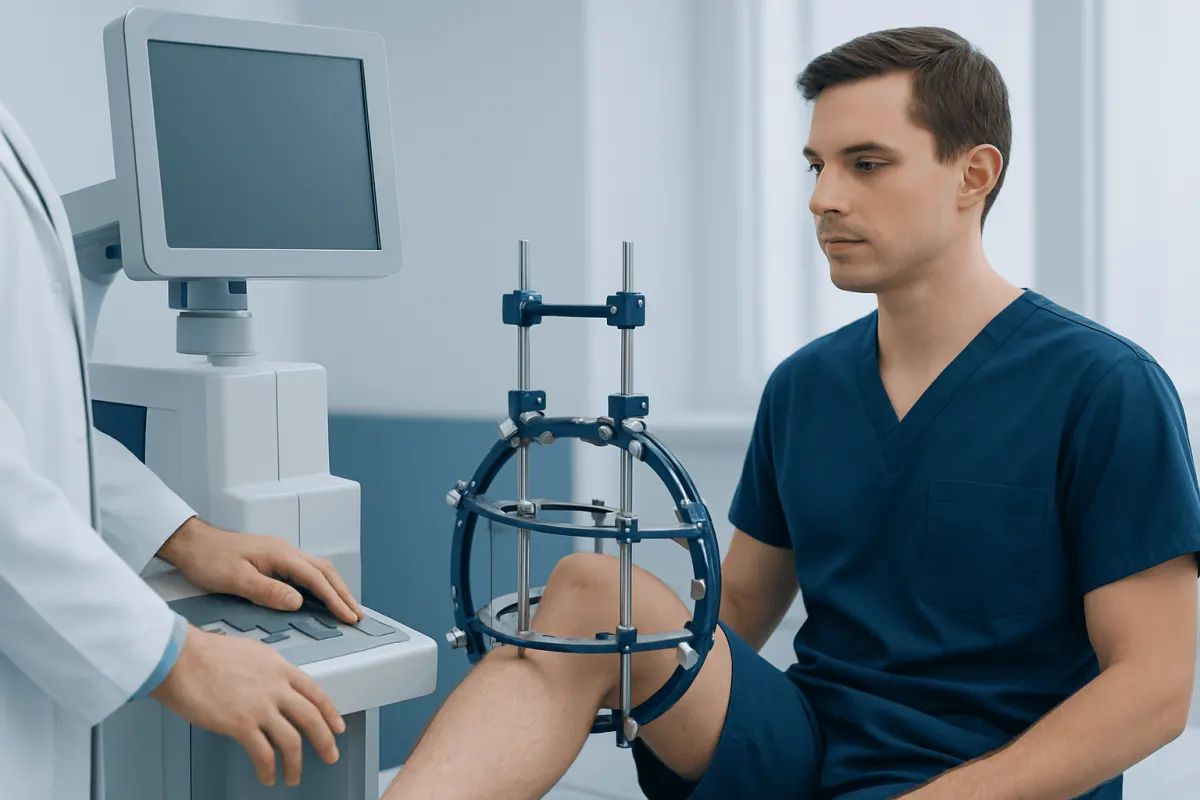
How much does limb lengthening surgery cost? There is no single reliable figure because the total depends on the reason for surgery, bones treated, lengthening method, hospital services, rehabilitation, imaging, follow-up and management of any complications. A personalized assessment and written treatment plan are the safest ways to understand expected costs and care needs.
Overview: what affects limb lengthening surgery cost?
How much does limb lengthening surgery cost? The answer varies considerably because limb lengthening is not a single operation with a standard price. A treatment plan may include preoperative imaging and assessment, surgery, an internal lengthening nail or external frame, anesthesia, hospital admission, medicines, repeated X-rays, physiotherapy, mobility aids, follow-up appointments and, in some cases, implant removal or additional procedures.
Costs also differ according to whether the procedure is performed to correct a medical limb-length difference or deformity, after trauma or infection, or for elective height increase. The bone involved, the planned amount of lengthening, the surgeon’s experience, the hospital setting and the expected duration of rehabilitation all matter. Rather than relying on an advertised starting price, patients should ask for an individualized estimate that clearly states what is included and what may create additional charges.
People searching for how much limb lengthening surgery costs in Turkey, India, Pakistan, the UK, Australia, South Africa or the USA may find very different estimates. Differences in health systems, implant availability, insurance arrangements, exchange rates, hospital standards, rehabilitation access and travel-related needs make direct comparisons difficult. For treatment abroad, the financial plan should also account for accommodation, local transport, the ability to stay for early follow-up and arrangements for care after returning home.
How limb lengthening works
Limb lengthening uses the body’s ability to form new bone. During surgery, an orthopedic surgeon carefully divides the bone in a controlled procedure called an osteotomy. The two bone segments are then gradually moved apart by a specialized device. New bone forms in the gap, while muscles, nerves, blood vessels and skin progressively adapt.
The device may be an external fixator, which is positioned outside the limb and connected to the bone with pins or wires, or an internal motorized lengthening nail placed within the bone. The best approach depends on the person’s anatomy, bone quality, reason for treatment, planned correction and the surgical team’s judgment. Some patients need lengthening combined with correction of angulation or rotation.
The process has two broad phases. During distraction, the bone is slowly lengthened according to the clinician’s plan. During consolidation, the new bone strengthens and matures. Frequent clinical reviews and imaging are essential, because the rate may need adjustment to support bone healing and protect joint movement, nerves and soft tissues. Patients can learn more about limb lengthening surgery during a specialist consultation.
Who may be a candidate and what happens step by step?

Limb lengthening may be considered for a significant limb-length discrepancy, a bone deformity, shortened bone after injury or infection, congenital conditions, or selected elective height-increase requests. Candidacy is individualized. The orthopedic team considers skeletal maturity, general health, bone and joint condition, circulation, skin and soft-tissue health, smoking status, mental wellbeing, practical support and the person’s ability to follow a demanding rehabilitation plan.
Assessment usually includes a medical history, physical examination, standing alignment studies and X-rays. Additional imaging or blood tests may be needed. The team discusses realistic goals, alternatives and the likely timeline. For an elective procedure, an informed decision should include careful reflection on expectations, emotional readiness and the impact on work, family life and mobility.
The procedure typically follows these steps:
- Preoperative planning determines the bone, correction and device strategy.
- Under anesthesia, the surgeon performs the osteotomy and places the internal nail or external fixation system.
- After an initial healing period, gradual lengthening begins according to the prescribed schedule.
- Regular appointments and X-rays guide adjustments and check healing, alignment and joint movement.
- Once bone consolidation is sufficient, activity is advanced gradually; external devices are removed when appropriate, while internal implant management is discussed individually.
Patients with a known limb-length discrepancy may also benefit from education about its assessment and causes through limb-length discrepancy resources.
Recovery timeline, rehabilitation and expected benefits
Recovery is measured in months rather than days. The exact timeline varies with the bone treated, the amount lengthened, age, health, device type and individual bone healing. Early recovery focuses on wound care, safe movement, pain control and learning how to use mobility aids. The gradual lengthening period requires close supervision, and the consolidation phase continues until the new bone is strong enough for progressively greater activity.
Physiotherapy is central to treatment, not an optional extra. It helps maintain joint range of motion, muscle strength, walking mechanics and independence in daily activities. Stretching and exercises must be performed as advised, since muscle tightness and joint stiffness can develop while the limb is lengthened. Weight-bearing instructions differ between devices and patients and should only be changed with the surgical team’s approval.
Potential benefits include improved limb symmetry, better alignment, improved gait and function, reduced strain from a meaningful discrepancy, and, for selected people, achievement of a height-related goal. Benefits are not automatic: they depend on successful healing, rehabilitation, appropriate expectations and the absence of significant complications. A specialist should explain what improvement is reasonably expected in the individual case.
Risks, safety and how to prepare
Limb lengthening is a major orthopedic treatment and has meaningful risks. Possible complications include pain, pin-site infection with external frames, deep infection, bleeding, blood clots, delayed or inadequate bone healing, bone healing too quickly, device problems, altered alignment, nerve irritation or injury, joint contracture, muscle tightness and the need for additional surgery. Long treatment duration can also affect sleep, work, mood and relationships.
Careful selection, experienced orthopedic management, regular imaging and consistent physiotherapy can help reduce risk, but cannot remove it completely. Patients should report increasing pain, fever, drainage from wounds or pin sites, new numbness, weakness, color change in the foot, calf swelling, chest pain or shortness of breath urgently. These symptoms require timely medical assessment.
Before proceeding, patients should discuss the planned method, expected lengthening, total treatment duration, rehabilitation schedule, contingency plans for complications and the availability of emergency care. Stopping smoking or nicotine use when advised, optimizing nutrition, treating chronic health conditions and arranging practical support at home may support safer recovery.
Can I grow 6 inches with limb lengthening surgery?
Growing 6 inches, or about 15 centimeters, through limb lengthening is not a routine or low-risk goal. The amount that can be lengthened safely depends on the bones involved, soft-tissue flexibility, joint health, nerve tolerance, overall health and the technique used. Attempting large gains may require more than one treatment stage and may increase rehabilitation demands and complication risks.
For medical limb-length differences, the goal is usually to restore functional balance and alignment rather than achieve a specific height gain. For elective height increase, a specialist should assess whether the requested change is realistic and medically appropriate. No responsible team can promise a particular final height or complication-free outcome.
People considering a substantial change should seek opinions from orthopedic limb reconstruction specialists and allow time to consider alternatives, recovery demands and personal motivations. A staged plan may be discussed in selected cases, but it is still a major undertaking with prolonged follow-up.
Is it worth it to get limb lengthening surgery?
Whether limb lengthening surgery is worth it is a personal and clinical decision. For a medically important discrepancy or deformity that affects walking, pain, joint loading or daily function, the expected functional benefit may be substantial. For elective height increase, the decision requires particularly careful consideration of goals, physical burden, risks, cost, time away from normal routines and psychological wellbeing.
A useful decision process compares surgery with reasonable alternatives. Depending on the condition, these may include shoe lifts, orthotics, physiotherapy, observation, corrective procedures that do not lengthen the bone, or treatment of an underlying orthopedic problem. A clinician can explain which options are likely to address the person’s symptoms and functional needs.
Patients should not feel pressured by social expectations or online accounts. It is reasonable to ask the surgical team about their experience, expected outcomes, complication management, rehabilitation support and what daily life may look like throughout treatment. Acıbadem Health Point’s multidisciplinary specialists and JCI-accredited hospitals assess and treat limb reconstruction needs for international patients.
How painful is limb lengthening, and when should medical care be sought?
Limb lengthening can be painful, especially after surgery and during periods of active lengthening, but pain experiences vary. Discomfort may arise from the bone healing process, muscle stretching, therapy exercises and the device itself. The care team uses an individualized pain-management plan and monitors symptoms closely; patients should not change medicines or lengthening schedules without medical advice.
Contact the surgical team promptly for pain that is worsening, uncontrolled or different from expected; new tingling, numbness or weakness; reduced ability to move the toes or ankle; fever; increasing redness, warmth, swelling or wound drainage; or a device concern. These symptoms do not always mean a serious problem, but early assessment can prevent complications from progressing.
Emergency medical care is needed for chest pain, sudden shortness of breath, fainting, severe calf swelling, a cold or pale foot, heavy bleeding, or severe new weakness. Patients receiving care away from home should know in advance where urgent care is available and how their surgical team can be contacted.
Will insurance cover limb lengthening surgery?
Insurance coverage for limb lengthening surgery depends on the policy, country, insurer and reason for treatment. Coverage is more likely to be considered when the surgery is medically necessary to address a significant limb-length discrepancy, deformity, congenital condition, trauma-related problem or another documented functional issue. Elective height-increase surgery is often excluded, but patients should confirm this directly with their insurer.
Even when a procedure is approved, coverage may not include every part of the care pathway. Deductibles, co-payments, device costs, rehabilitation limits, travel, accommodation, repeat imaging and treatment for complications can affect out-of-pocket costs. Preauthorization may be required, and insurers may request imaging, clinical notes and evidence that non-surgical options have been considered.
Before scheduling surgery, patients should request a written estimate from the hospital and written confirmation from the insurer. Important questions include whether surgeon, anesthesia, implants, hospital admission, physiotherapy, X-rays, follow-up, device removal and potential revision procedures are covered. This is the most reliable way to understand the total financial responsibility.
Frequently asked questions
01How much does limb lengthening surgery cost in the USA?
The cost in the USA varies widely by the type of device, bones treated, hospital and surgeon fees, length of admission, imaging and rehabilitation needs. A personalized written estimate is more useful than a single quoted figure because follow-up care and possible additional procedures can significantly affect the total.
02How much does limb lengthening surgery cost in Turkey, India or Pakistan?
Costs may differ among Turkey, India and Pakistan because of local health systems, implant pricing, hospital services and rehabilitation arrangements. Patients should compare the complete care plan, not only the surgical fee, and should clarify how follow-up, complications and travel-related care will be managed.
03How much does limb lengthening surgery cost in the UK, Australia or South Africa?
In the UK, Australia and South Africa, total costs depend on whether care is provided through a public or private system, eligibility rules, insurance and the clinical indication. A hospital can provide an individualized estimate after reviewing the planned technique and expected rehabilitation pathway.
04How long does it take to walk normally after limb lengthening?
Walking ability develops gradually and varies by device, bone healing, muscle strength, planned lengthening and rehabilitation progress. Mobility aids are commonly needed for part of recovery, and full return to a natural walking pattern may take many months. The surgical and physiotherapy teams guide activity progression using clinical assessments and X-rays.
05Can limb lengthening surgery be done for cosmetic height increase?
It may be considered for selected adults after comprehensive orthopedic and psychological assessment, but it is a major elective procedure rather than a simple cosmetic treatment. The person should understand the extended recovery, strict rehabilitation needs, potential complications and the possibility that results may not match expectations.
06What should be included in a limb lengthening cost estimate?
A clear estimate should address preoperative tests, surgeon and anesthesia fees, implants or external frames, hospital stay, medicines, imaging, physiotherapy, mobility equipment, follow-up and potential device removal. For international patients, it should also clarify recommended stay duration, accommodation needs and plans for urgent or long-term follow-up.
This article is for general information only and is not a substitute for professional medical advice. Please consult a qualified doctor about your individual situation.
Joint and spine care in Turkey — expert assessment & treatment
JCI-accredited · board-certified surgeons · reply within 24h
Add us as a Preferred Source to see more of our trusted health content across Google Search, AI Overviews and Discover.