Check for Ovarian Cancer: Tests, Treatment, and Outlook
To check for ovarian cancer, a clinician reviews persistent symptoms and personal risk factors, then may use a pelvic examination, imaging, blood tests, and specialist assessment. A definite diagnosis usually requires examining tissue obtained during surgery or biopsy.
How to check for ovarian cancer
Checking for ovarian cancer starts with recognizing symptoms that are new, frequent, or persistent and arranging a medical assessment. Ovarian cancer can cause symptoms that overlap with common digestive, urinary, and gynecologic conditions, so symptoms alone do not confirm cancer. However, ongoing bloating, pelvic or abdominal discomfort, early fullness when eating, or needing to urinate more often should not be ignored.
There is currently no routine screening test that has been shown to reduce deaths from ovarian cancer in people at average risk who have no symptoms. Instead, doctors investigate concerning symptoms, an ovarian mass found during another examination, or a known higher inherited risk. Assessment may include a pelvic examination, ultrasound, blood tests, and referral to a gynecologic oncologist when appropriate.
It is helpful to keep a short record of symptoms, including when they began, how often they occur, and whether they affect eating, sleep, work, or daily activity. A clinician will also ask about menstrual and reproductive history, past cancers, and relatives with ovarian, breast, pancreatic, prostate, or colorectal cancer.
Symptoms and factors that may raise concern
Ovarian cancer symptoms may be subtle at first, but they often become more consistent over time. Symptoms deserve medical review when they occur most days, are unusual for the individual, or continue for several weeks. The same symptoms are much more often caused by non-cancerous conditions, such as irritable bowel syndrome, fibroids, endometriosis, or urinary infection.
- Persistent abdominal swelling or bloating
- Pelvic or lower abdominal pain, pressure, or discomfort
- Feeling full quickly or difficulty eating a normal-sized meal
- Urinary urgency or needing to pass urine more frequently
- Changes in bowel habits, fatigue, back pain, or unexplained weight change
- Unusual vaginal bleeding, particularly after menopause
Risk rises with age, although ovarian cancer can occur before menopause. A personal or family history of ovarian, breast, pancreatic, prostate, or colorectal cancer may suggest an inherited gene change, including BRCA1, BRCA2, or genes associated with Lynch syndrome. Endometriosis and never having been pregnant are associated with some types of ovarian cancer, while many people diagnosed with ovarian cancer have no clear risk factor.
What are the diagnostic methods used to diagnose ovarian cancer?

Diagnostic methods are used in stages. First, a doctor takes a detailed medical history and performs a physical examination, which may include an abdominal and pelvic examination. A pelvic examination can sometimes identify enlargement or a mass, but it cannot reliably detect all ovarian cancers, especially small or early tumors.
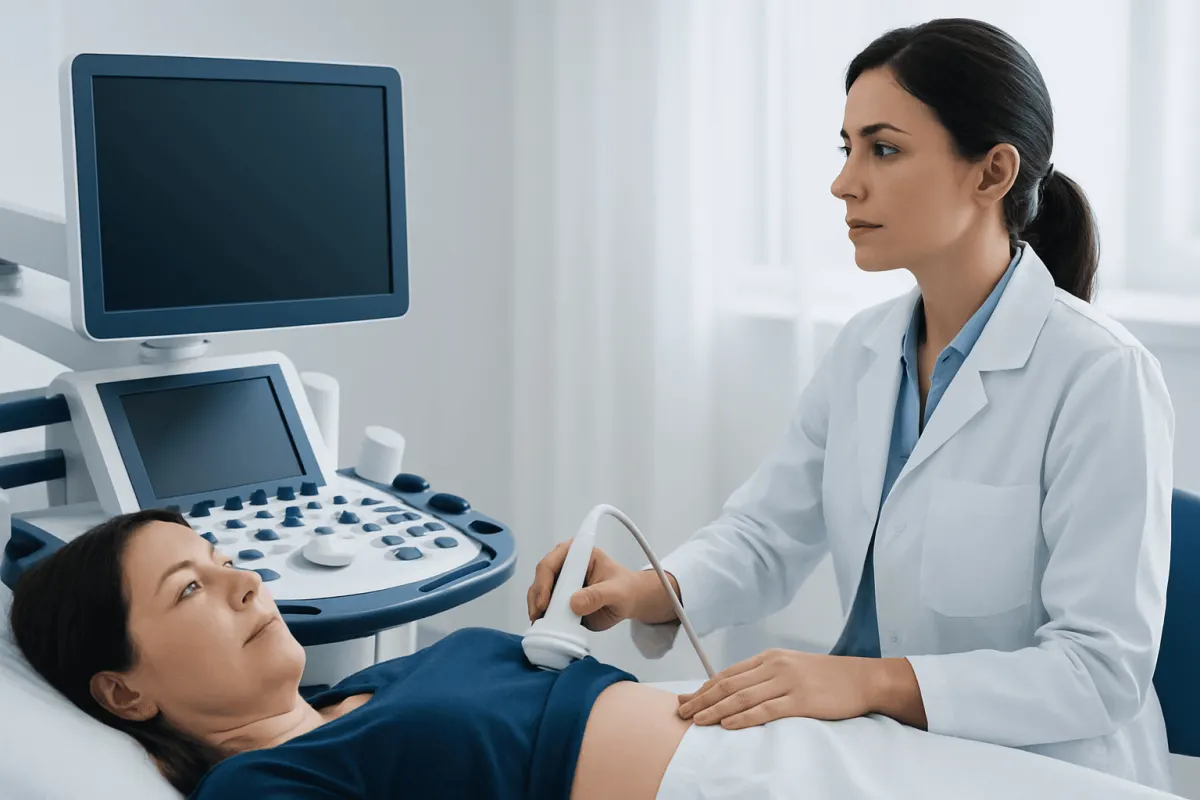
Transvaginal ultrasound is often the first imaging test when an ovarian or pelvic mass is suspected. It uses sound waves to assess the ovaries and nearby structures and can describe features such as size, solid areas, fluid-filled areas, and blood flow. Ultrasound findings help estimate whether a mass appears more likely to be benign or requires specialist evaluation.
A CA-125 blood test may be used alongside imaging, especially after menopause or when a pelvic mass is present. CA-125 can be raised in ovarian cancer, but it can also increase with benign conditions including menstruation, endometriosis, pelvic infection, liver disease, and other cancers. A normal CA-125 result does not rule out ovarian cancer, and an elevated result does not prove it.
CT, MRI, or occasionally PET imaging may help determine the extent of a suspected cancer and support treatment planning. The definitive diagnosis usually comes from pathology: a specialist examines cells or tissue removed during surgery or, in selected situations, a biopsy. Pathology identifies the cancer type and guides further tests, including tumor and inherited genetic testing where indicated.
What are the first steps to take after being diagnosed with ovarian cancer?
After an ovarian cancer diagnosis, the first step is usually referral to a gynecologic oncologist, a doctor with specialist training in cancers of the female reproductive system. The team reviews the pathology report, imaging, symptoms, medical history, and general health to confirm the diagnosis and determine the most suitable next steps. Asking for copies of test results and bringing a trusted person to appointments can make discussions easier.
Further evaluation may include CT or MRI scans, blood tests, and genetic counseling or testing. Testing for inherited gene changes, such as BRCA1 and BRCA2, can be relevant for treatment choices and may provide useful information for blood relatives. Tumor testing can also identify characteristics that help the oncology team select systemic treatments.
The care team will discuss whether surgery should occur first or whether chemotherapy is recommended before surgery in certain circumstances. Patients may wish to ask about the cancer type and likely stage, the purpose of each treatment, fertility and menopause implications, expected recovery, support services, and whether a second specialist opinion would be helpful.
Emotional support is also part of care. A diagnosis can affect mood, relationships, work, and practical planning. Oncology nurses, social workers, mental health professionals, patient navigators, and support organizations can help patients and families address these concerns while treatment decisions are made.
Is ovarian cancer treatable?
Yes. Ovarian cancer is treatable, and treatment can aim to remove or control cancer, reduce symptoms, lower the chance of recurrence, and support quality of life. The recommended plan depends on the exact type of ovarian cancer, how far it has spread, whether it can be safely removed with surgery, genetic and tumor test results, prior treatment, and the patient’s preferences and health.
Surgery is a central treatment for many ovarian cancers. It may remove one or both ovaries, fallopian tubes, uterus, nearby tissue, lymph nodes, and visible cancer deposits when needed. For selected early cancers and people who wish to preserve fertility, a specialist may discuss fertility-sparing surgery, although this is not suitable for every cancer type or stage.
Many patients receive chemotherapy, commonly with platinum-based medicines, before or after surgery. Depending on the situation, additional options may include targeted treatments, anti-angiogenic therapy, PARP inhibitors, hormone therapy for selected tumors, immunotherapy in limited circumstances, radiation therapy for particular symptoms or sites, and clinical trials. Chemotherapy and other systemic therapies are planned and monitored by an oncology team.
Follow-up care includes regular appointments, symptom review, examinations, and tests selected for the individual. Some people need further treatment if cancer returns, while others remain without evidence of disease after their initial treatment. Supportive care for nausea, pain, fatigue, nutrition, sexual health, and emotional well-being can be provided alongside cancer-directed treatment.
Can you live 20 years after ovarian cancer?
Yes, some people live 20 years or longer after an ovarian cancer diagnosis. Individual outlook varies widely and cannot be predicted from a single factor. It is influenced by the cancer’s type and stage, how completely visible disease can be removed during surgery, response to treatment, tumor biology, overall health, and whether the cancer recurs.
Earlier-stage ovarian cancers generally have a more favorable outlook than cancers diagnosed after they have spread beyond the ovaries. Some less common ovarian tumor types may grow more slowly and can have different long-term patterns from high-grade epithelial ovarian cancer, the most common type. Even when cancer is advanced, modern treatment can often control it for meaningful periods, sometimes through several lines of treatment.
Survival statistics describe large groups of people treated in the past; they do not determine what will happen for one person. The oncology team is best placed to discuss prognosis using the specific pathology findings, stage, treatment response, and current treatment options. Regular follow-up also helps identify symptoms, treatment effects, or recurrence concerns promptly.
When to seek medical care
A person should arrange a medical appointment if bloating, pelvic or abdominal pain, early fullness, or urinary changes are new, occur frequently, and persist for several weeks. Medical advice is also important for a new pelvic mass, unexplained weight loss, postmenopausal bleeding, or a strong family history of relevant cancers. These signs do not necessarily mean ovarian cancer, but timely evaluation can clarify the cause.
Urgent medical assessment is appropriate for severe or sudden abdominal pain, fainting, heavy vaginal bleeding, repeated vomiting, marked abdominal swelling with breathing difficulty, or symptoms of bowel obstruction such as persistent vomiting and inability to pass stool or gas. These symptoms can result from several urgent conditions, not only cancer.
People with a known BRCA-related gene change, Lynch syndrome, or a close family history of ovarian cancer should discuss individualized risk assessment with a doctor or genetic counselor. Risk-reducing strategies and surveillance decisions should be personalized rather than based on home tests or CA-125 testing alone.
Acıbadem Health Point’s multidisciplinary specialists and JCI-accredited hospitals can assess and treat ovarian cancer for international patients, with care plans developed through gynecologic oncology, surgery, medical oncology, imaging, pathology, and supportive-care services.
Frequently asked questions
01Can a Pap test check for ovarian cancer?
No. A Pap test is designed to look for cell changes on the cervix and is used in cervical cancer screening. It does not screen for ovarian cancer, although a pelvic examination performed during a gynecologic visit may sometimes identify other concerns that need assessment.
02Can an ultrasound diagnose ovarian cancer?
Ultrasound can identify and describe an ovarian or pelvic mass, but it cannot confirm ovarian cancer on its own. Doctors interpret ultrasound findings together with symptoms, examination results, blood tests, and sometimes CT or MRI imaging. A definite diagnosis generally requires pathology testing of tissue.
03Is CA-125 a screening test for ovarian cancer?
CA-125 is not recommended as a routine screening test for average-risk people without symptoms. It may be elevated for many non-cancerous reasons and may be normal in some ovarian cancers. It is mainly used as part of the assessment of a suspicious mass and, in some patients, during follow-up.
04What type of doctor treats ovarian cancer?
A gynecologic oncologist is the specialist most commonly involved in treating ovarian cancer. Care also often includes medical oncologists, radiologists, pathologists, oncology nurses, genetic counselors, and supportive-care professionals. Team-based planning helps match treatment to the cancer and the individual’s needs.
05Does ovarian cancer always cause symptoms?
Ovarian cancer may cause mild or nonspecific symptoms, particularly early on, and some people have no noticeable symptoms initially. When symptoms occur, they may include persistent bloating, pelvic or abdominal pain, early satiety, and urinary changes. Persistent or worsening symptoms should be evaluated by a clinician.
06Can ovarian cancer come back after treatment?
Yes, ovarian cancer can recur after an initial response to treatment, particularly in some advanced-stage cancers. If recurrence occurs, further treatment may include surgery in selected cases, chemotherapy, targeted therapy, hormone therapy, or clinical trials. Ongoing follow-up allows the care team to address new symptoms and discuss available options.
This article is for general information only and is not a substitute for professional medical advice. Please consult a qualified doctor about your individual situation.
Persistent digestive symptoms? Get evaluated in Turkey
JCI-accredited · board-certified surgeons · reply within 24h
Add us as a Preferred Source to see more of our trusted health content across Google Search, AI Overviews and Discover.